Are you sure your adult cat is eating the right amount every day? Feeding your cat just the right portion is key to keeping them healthy and happy.
Too little food can leave them hungry and weak, while too much can lead to weight gain and health problems. You’ll discover exactly how much food your adult cat needs daily, helping you make the best choices for their well-being.
Keep reading to find out how simple changes to your cat’s diet can make a big difference in their life.
Credit: www.purina.com
Daily Caloric Needs
Understanding the daily caloric needs of an adult cat is essential for maintaining its health. Cats require a balanced amount of calories to support their body functions, activity, and overall well-being. Feeding the right quantity prevents obesity and nutritional deficiencies.
Calorie needs vary widely among cats. Several factors influence how much food your cat should eat every day. Let’s explore these key factors to help you estimate the proper calorie intake.
Factors Influencing Calorie Requirements
Caloric needs depend on a cat’s weight, size, and body condition. Lean cats need fewer calories than overweight ones. The type of food also matters, as wet and dry foods have different calorie densities. Environmental temperature can affect energy use, with colder climates increasing calorie needs.
Activity Level And Metabolism
Active cats burn more calories than sedentary ones. Outdoor cats or those that play a lot have higher energy demands. Cats with a fast metabolism require more food to maintain their weight. Indoor cats tend to need fewer calories due to less movement.
Age And Health Considerations
Young adult cats generally need more calories for growth and energy. Older cats often require fewer calories because their metabolism slows down. Health conditions like diabetes or kidney disease can change calorie needs. Always adjust food amounts based on your cat’s health status and vet advice.
Types Of Cat Food
Cats need a balanced diet to stay healthy and active. The type of food you choose affects their nutrition and how much they eat daily. Cat food mainly comes in three types: dry, wet, and raw or homemade diets. Each type has its own benefits and drawbacks. Understanding these can help you pick the best option for your adult cat.
Dry Food Benefits And Drawbacks
Dry cat food is easy to store and usually less expensive. It helps keep cats’ teeth clean by reducing plaque build-up. Cats can eat dry food anytime, which suits busy owners.
On the downside, dry food has less moisture. Cats eating only dry food may drink less water, risking dehydration. Some dry foods contain fillers and less protein, which may affect your cat’s health.
Wet Food Pros And Cons
Wet food contains more water, helping cats stay hydrated. It often has higher protein levels and fewer carbs. Many cats find wet food tastier and easier to chew.
Wet food can spoil quickly once opened. It costs more than dry food and requires refrigeration. Some cats may gain weight if fed too much wet food.
Raw And Homemade Diets
Raw and homemade diets allow full control over ingredients. They can be rich in protein and free from additives. Some owners prefer these diets for natural nutrition.
These diets need careful preparation to avoid bacteria and nutrient gaps. They take more time and effort than commercial foods. Not all cats accept raw or homemade meals easily.
Portion Sizes By Weight
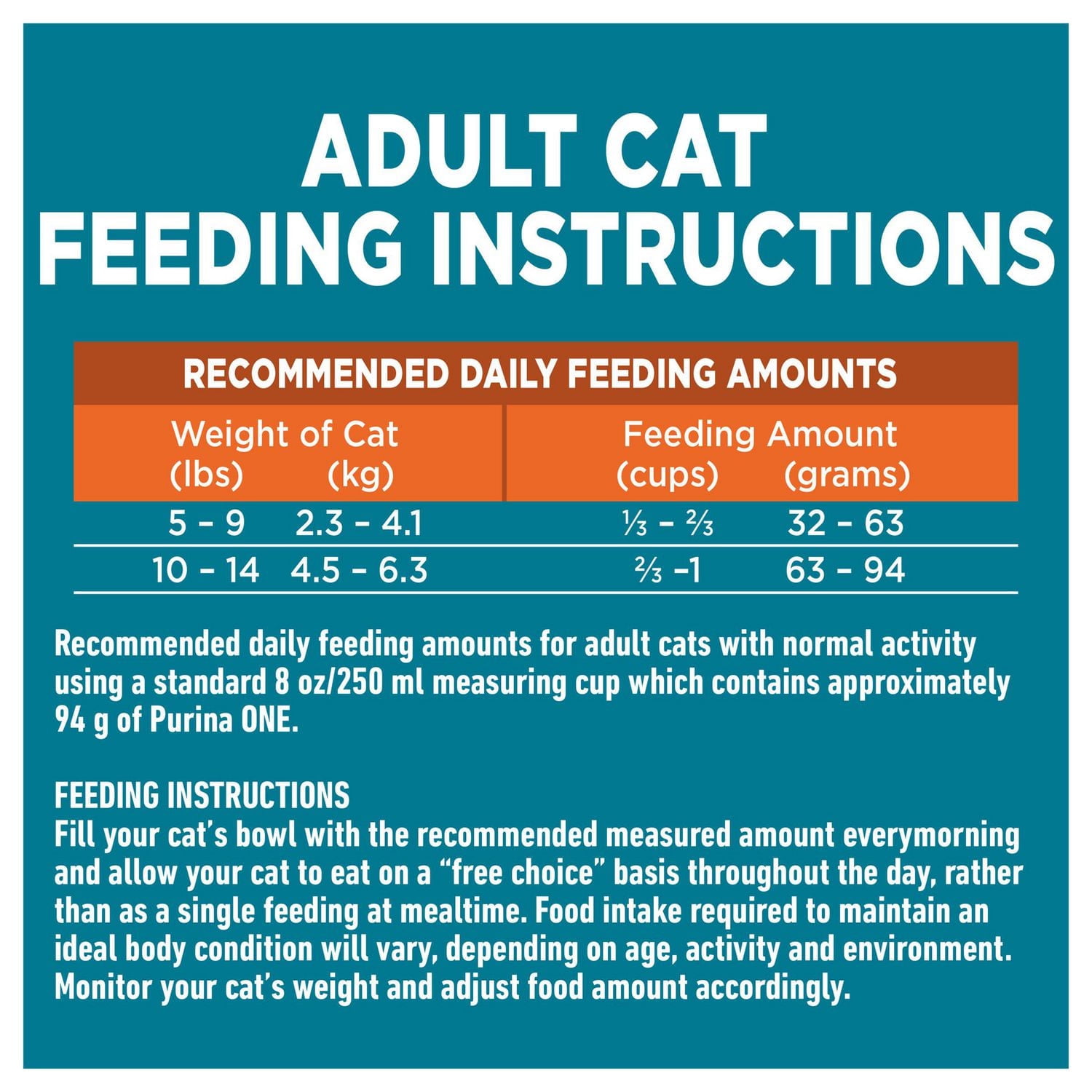
Adult cats usually need about 20 to 30 grams of food per pound of body weight daily. Portion sizes by weight help ensure cats get the right amount without overeating or feeling hungry. Adjust portions based on activity and health for best results.
Understanding how much food your adult cat should eat daily is crucial for maintaining their health and well-being. Portion sizes are not a one-size-fits-all situation and should be tailored according to your cat’s weight. Let’s explore how you can determine the ideal portion sizes based on your cat’s specific needs.Feeding Guidelines For Average Weight Cats
For cats with an average weight, typically between 8 to 10 pounds, the feeding guidelines on most cat food packages provide a good starting point. Usually, adult cats require around 24 to 35 calories per pound each day. This means an average cat might need approximately 240 to 350 calories daily. Make sure to check the calorie content on the cat food label. Providing the right amount of calories ensures your cat maintains a healthy weight and stays energetic.Adjusting Portions For Overweight Cats
If your cat is carrying a few extra pounds, you might need to adjust their portion sizes. Reducing their daily calorie intake by about 10-20% can help them shed excess weight gradually. This adjustment should be done carefully to avoid depriving your cat of essential nutrients. Consider consulting with your vet to tailor a weight-loss plan that suits your cat’s specific needs. Are you monitoring their weight regularly to track progress?Feeding Underweight Cats
An underweight cat may need a boost in their daily calorie intake. Increasing their portion size by 10-20% can help them reach a healthier weight. Offering high-calorie, nutrient-rich food can be beneficial. Ensure that your cat’s diet is balanced and provides all the necessary nutrients. Have you considered using feeding times as bonding moments? This can encourage them to eat more and enjoy their meals.
Credit: companion-vets.com
Meal Frequency And Timing
Meal frequency and timing play a big role in a cat’s daily diet. How often and when a cat eats affects digestion, energy, and behavior. Cats have natural hunting instincts that influence their eating habits. Understanding these habits helps pet owners decide the best feeding schedule.
Free Feeding Vs Scheduled Meals
Free feeding means leaving food out all day for the cat. The cat eats whenever it wants. This suits some cats but can cause overeating and weight gain. Scheduled meals involve feeding at set times. This helps control portion sizes and monitor eating habits.
Scheduled meals support healthier weight and digestion. Free feeding works if the cat self-regulates well and does not gain weight. Choose the method that fits the cat’s personality and health needs.
Ideal Meal Times
Most adult cats do well with two meals a day. Feeding once in the morning and once in the evening matches their natural routine. Regular mealtimes create consistency and help prevent begging or overeating.
Space meals 8 to 12 hours apart. This timing supports good digestion and steady energy levels. Some cats may prefer three smaller meals. Adjust meal times based on the cat’s behavior and appetite.
Snacking And Treats
Snacks and treats should be given in moderation. Too many treats can add extra calories and cause weight gain. Use treats as rewards or during training, not as a meal replacement.
Choose healthy treats made for cats. Limit treats to about 10% of daily calories. This keeps the cat’s diet balanced and nutritious.
Monitoring Your Cat’s Weight
Monitoring your cat’s weight is essential for their health. A healthy weight shows they get the right amount of food. Sudden changes in weight can signal health problems. Regular checks help you adjust feeding amounts as needed.
Weigh your cat weekly using a small scale. Track the weight to spot any patterns or shifts. Observe your cat’s body shape and energy levels too. A balanced diet keeps your cat active and happy.
Signs Of Overfeeding
- Noticeable weight gain over a few weeks
- Less activity and more sleeping during the day
- Difficulty feeling ribs or spine under the fur
- Rounder belly and thicker neck
- Reluctance to play or climb
Signs Of Underfeeding
- Sudden weight loss or thin appearance
- Visible ribs, spine, and hip bones
- Low energy and weakness
- Dry or dull fur
- Increased meowing or begging for food
When To Consult A Vet
- Unexplained weight changes in a short time
- Loss of appetite or refusal to eat
- Signs of illness like vomiting or diarrhea
- Changes in behavior or energy levels
- Concerns about your cat’s feeding habits
Special Feeding Considerations
Special feeding needs vary for adult cats depending on their life stage and health. Adjusting food amounts and types helps keep cats healthy and happy. Different conditions call for different approaches to feeding.
Feeding Senior Cats
Older cats have slower metabolism and less activity. They may need fewer calories but more protein to maintain muscle. Food with easy-to-digest nutrients supports aging bodies. Frequent small meals can help with digestion and energy.
Cats With Health Issues
Cats with illnesses require tailored diets for healing and comfort. Kidney disease needs low protein and phosphorus food. Diabetes demands controlled carbohydrates and consistent feeding times. Always follow vet advice to meet special health needs.
Pregnant And Nursing Cats
Pregnant and nursing cats need extra calories and nutrients. They require high-quality protein and fats for milk production. Feeding multiple small meals ensures steady energy. Nutrient-rich food supports the health of both mother and kittens.

Credit: www.purina.com
Frequently Asked Questions
How Much Food Does An Adult Cat Need Daily?
An adult cat typically needs 20-30 calories per pound daily. This equals about 200-300 calories per day, depending on activity and health. Feeding guidelines on cat food packages help estimate portions for your cat’s weight and lifestyle.
Does Cat Food Type Affect Daily Feeding Amounts?
Yes, wet and dry cat foods vary in calorie content. Wet food usually has fewer calories per gram than dry. Adjust portions accordingly to meet your cat’s daily calorie needs without overfeeding or underfeeding.
How Often Should I Feed My Adult Cat Daily?
Most adult cats do well with two meals per day. Splitting daily food into morning and evening meals helps regulate metabolism and prevent overeating. Consistency in feeding times supports healthy digestion and weight management.
Can Activity Level Change A Cat’s Daily Food Intake?
Active cats need more calories than sedentary ones. Increased playtime or outdoor activity raises energy needs. Adjust your cat’s food quantity based on their activity level to maintain ideal weight and health.
Conclusion
Feeding an adult cat the right amount keeps it healthy and happy. Watch your cat’s weight and energy to adjust food amounts. Quality food and proper portions help avoid health problems. Every cat is different, so observe their needs closely.
Regular meals with balanced nutrition support a long, active life. Simple care and attention make a big difference for your pet’s well-being. Remember, feeding well shows your love and care daily.



Leave a Reply