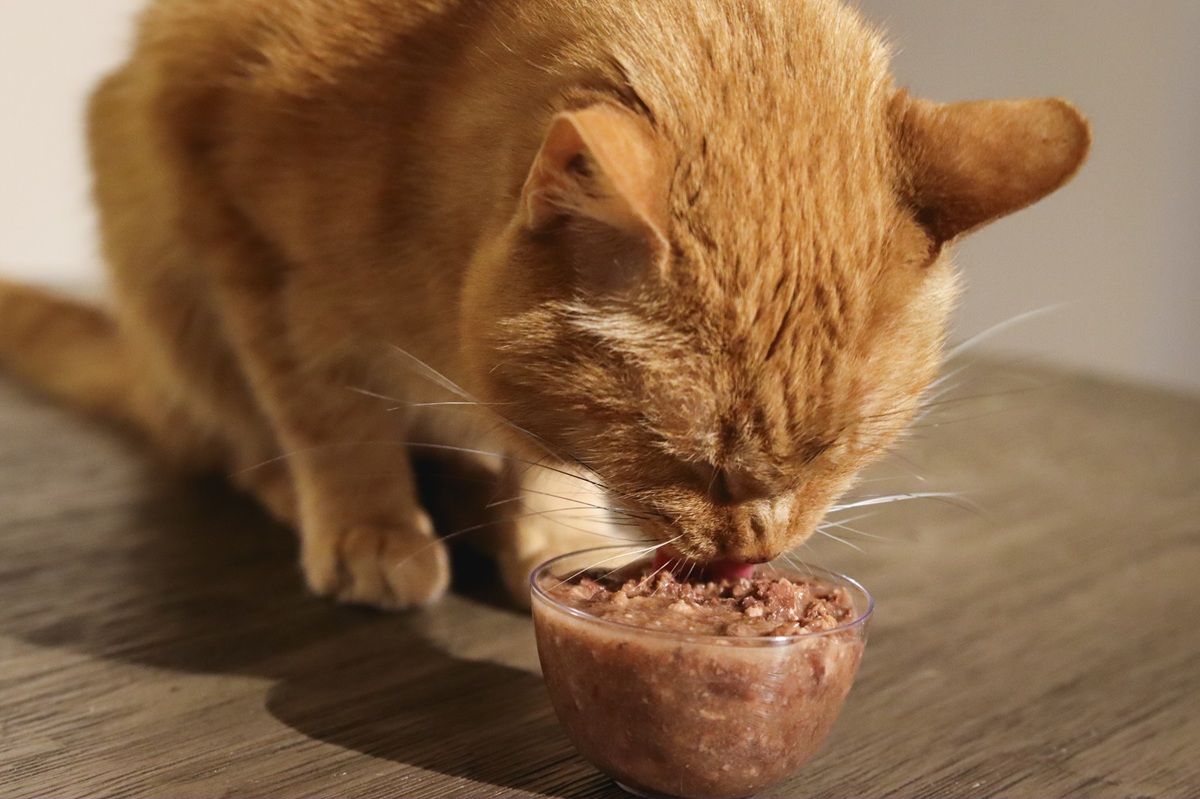
Are you worried about your cat’s urinary health? You might have heard that feeding tuna can help, but is it really safe and effective?
What you feed your furry friend plays a big role in keeping them healthy and happy. You’ll discover the truth about tuna and how it affects your cat’s urinary system. Keep reading to find out if tuna is a good choice for your cat and what alternatives you should consider to protect their health.
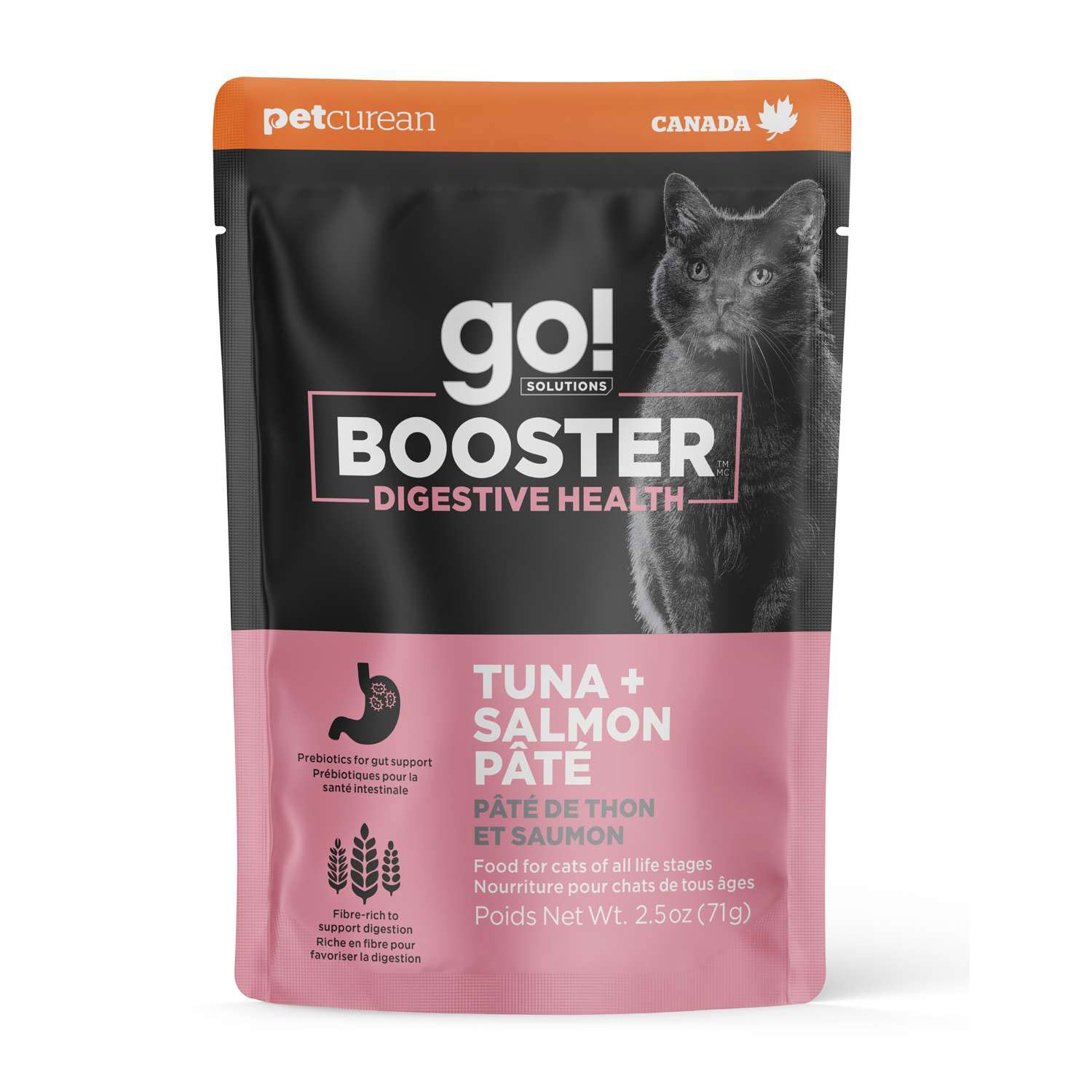
Credit: www.mondou.com
Tuna And Cat Nutrition
Tuna often catches the eye of cat owners as a tempting treat, especially when thinking about boosting your cat’s urinary health. But understanding how tuna fits into your cat’s nutritional needs is key before you start adding it to their meals. Let’s look closely at what tuna offers and how it can support or affect your cat’s diet.
Nutritional Profile Of Tuna
Tuna is a rich source of high-quality protein, which cats need for strong muscles and overall health. It also contains essential omega-3 fatty acids that help reduce inflammation and support joint health.
Here’s a quick breakdown:
| Nutrient | Benefit for Cats |
|---|---|
| Protein | Builds and repairs tissues |
| Omega-3 Fatty Acids | Supports skin, coat, and reduces inflammation |
| Vitamins (B12, D) | Boosts energy and bone health |
| Minerals (Potassium, Selenium) | Maintains muscle function and immune support |
However, tuna lacks some nutrients cats need daily, such as taurine and calcium. This means feeding tuna alone isn’t enough for a balanced diet.
Tuna’s Role In A Cat’s Diet
Tuna can be a tasty occasional treat but should not replace a complete cat food. Overfeeding tuna may lead to nutritional imbalances or health issues like mercury buildup.
Have you noticed how your cat reacts to tuna? Many cats love the flavor, but it’s important to use it wisely.
- Use tuna as a supplement, not a staple.
- Choose tuna packed in water, not oil or brine, to reduce extra fat and salt.
- Limit tuna treats to small amounts, a few times a week at most.
- Always monitor your cat’s overall diet and consult your vet if you’re unsure.
Feeding your cat tuna occasionally can add variety and some health benefits, but it shouldn’t be your go-to food for urinary health. Your cat’s urinary system needs balanced hydration and proper nutrients, often better provided by specialized cat food.
Urinary Health In Cats
Cats often face urinary health challenges. These issues can affect their quality of life. Understanding their urinary health is crucial for their well-being. Diet plays a significant role in maintaining this health.
Common Urinary Issues
Cats frequently suffer from urinary tract infections (UTIs). UTIs can cause pain and discomfort. Another common issue is bladder stones. These stones can block the urinary tract. Cats might also experience feline lower urinary tract disease (FLUTD). This condition includes various problems affecting the bladder and urethra.
Diet’s Impact On Urinary Health
A cat’s diet directly affects urinary health. Proper hydration is essential. Wet food helps increase water intake. Cats often don’t drink enough water. High-quality proteins support urinary function. Avoid foods high in magnesium. Magnesium can lead to stone formation. Tuna contains omega-3 fatty acids. These acids have anti-inflammatory properties.
Tuna’s Effect On Urinary Health
Tuna is a favorite treat for many cats, but its impact on urinary health is something you should consider carefully. While it might seem like a tasty and convenient option, understanding how tuna affects your cat’s urinary system can help you make better feeding choices. Let’s look at both the potential benefits and the risks associated with feeding tuna to your feline friend.
Potential Benefits
Tuna is rich in protein and omega-3 fatty acids, which can support your cat’s overall health. High-quality protein is essential for maintaining muscle mass and promoting a healthy immune system.
Omega-3 fatty acids, found in tuna, have anti-inflammatory properties. These can help reduce inflammation in the urinary tract, potentially easing discomfort during mild urinary issues.
Some cats find tuna highly palatable, which can encourage better eating habits, especially if they are picky or recovering from illness. This can be important because proper hydration and nutrition are key to urinary health.
Possible Risks And Concerns
Feeding your cat too much tuna can lead to an imbalance in nutrients, especially if it replaces a complete cat food diet. Tuna lacks certain vitamins and minerals that cats need, such as taurine, which is crucial for heart and eye health.
One major concern is the high magnesium content in tuna. Elevated magnesium levels can contribute to the formation of urinary crystals or stones, which may worsen urinary problems.
Additionally, tuna often contains higher levels of mercury and other contaminants. Regular consumption increases the risk of toxin buildup in your cat’s body, which can harm their kidneys and overall health.
Have you noticed changes in your cat’s urination habits after feeding them tuna? Monitoring these signs can help you decide if tuna is a safe treat or a risk for your pet’s urinary health.
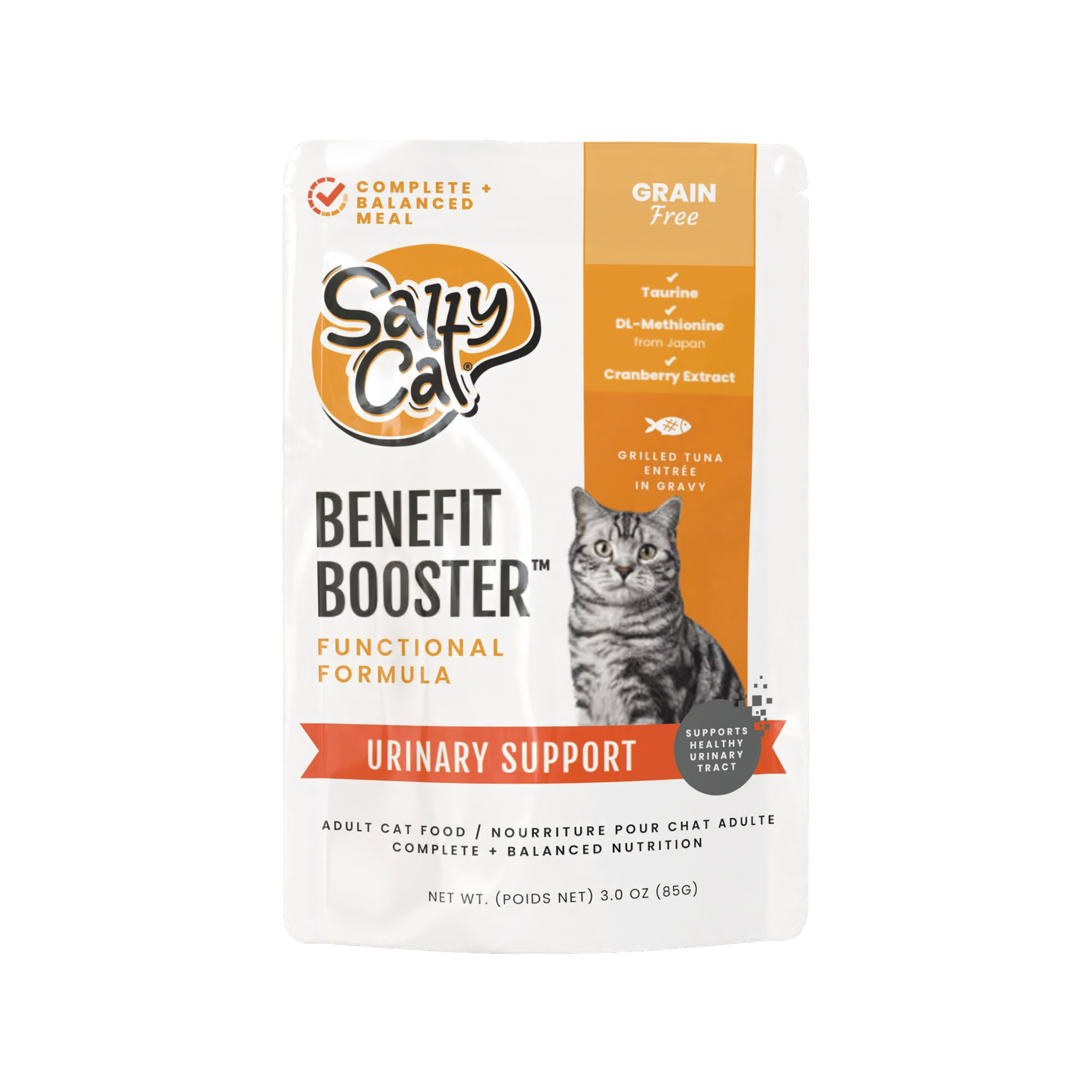
Credit: www.walmart.com
Expert Recommendations
Experts often caution about feeding tuna to cats, especially concerning urinary health. While tuna is tempting to give your feline friend, it’s important to understand how it affects their urinary tract. Veterinary advice helps you balance your cat’s cravings with their health needs effectively.
Safe Feeding Guidelines
Veterinarians agree that plain tuna can be an occasional treat, but it should never replace a balanced diet. Too much tuna can lead to nutritional imbalances, like a lack of essential taurine and excessive mercury intake.
Here are some practical tips to keep tuna feeding safe:
- Limit tuna treats to no more than once or twice a week.
- Choose water-packed tuna instead of oil-packed to reduce fat intake.
- Avoid feeding tuna seasoned with salt, garlic, or onion, which are harmful to cats.
- Always ensure your cat has fresh water to help flush their urinary system.
Do you check labels carefully before giving your cat any human food? This small step can prevent a lot of health issues.
Alternatives For Urinary Health
If you’re worried about your cat’s urinary health, there are safer options than tuna. Specially formulated urinary health cat foods are designed to maintain the right pH balance and prevent crystal formation.
Wet cat foods with high moisture content are excellent for encouraging hydration, a key factor in urinary health. You can also add supplements like cranberry extract, which some vets recommend to support urinary tract health.
Consider these alternatives:
- Commercial urinary care diets prescribed by your vet.
- Fresh, cooked chicken or turkey as a protein source.
- Hydrating wet food varieties to increase water intake.
- Regular vet check-ups to monitor urinary health closely.
Have you noticed how your cat’s diet affects their litter box habits? Paying attention to these signs can guide you to make better food choices for their health.
Practical Tips For Cat Owners
Feeding your cat tuna can be tempting, especially when you want to offer a tasty treat. Knowing how to do this safely helps protect your cat’s urinary health. Practical tips guide you in giving tuna without causing harm.
Incorporating Tuna Safely
- Choose plain, water-packed tuna without added salt or seasoning.
- Limit tuna to occasional treats, not daily meals.
- Mix small amounts of tuna with your cat’s regular food.
- Use tuna as a reward during training or playtime.
- Avoid tuna packed in oil, which is high in fat.
Monitoring Your Cat’s Health
- Watch for changes in urination habits or frequency.
- Look for signs of discomfort or straining during urination.
- Note any changes in appetite or water intake.
- Regularly check for weight gain or loss.
- Consult a vet if you notice any urinary problems.

Credit: supertails.com
Frequently Asked Questions
Can Tuna Improve My Cat’s Urinary Health?
Tuna does not specifically improve urinary health in cats. It lacks essential nutrients needed for urinary support. Feeding tuna occasionally is fine, but it should not replace balanced urinary health diets.
Is It Safe To Feed Cats Tuna Regularly?
Feeding cats tuna regularly is not recommended. Tuna lacks vital nutrients and can lead to nutritional imbalances. Occasional tuna treats are safe, but a well-rounded diet is essential for overall health.
What Risks Does Tuna Pose To Cat Urinary Health?
Tuna may contribute to urinary issues if overfed. It lacks moisture, which helps prevent urinary problems. Excessive tuna can cause dehydration and worsen urinary tract conditions in cats.
How Often Can I Give My Cat Tuna?
You should give your cat tuna only as an occasional treat. Limit tuna to once or twice a week to avoid nutritional gaps. Always provide fresh water alongside to support urinary health.
Conclusion
Feeding tuna to cats needs careful thought. Tuna lacks some nutrients cats need daily. Too much tuna can harm your cat’s health. For urinary health, special diets work best. Always ask a vet before changing your cat’s food. Keep your cat’s diet balanced and safe.
Healthy cats live happier, longer lives. Choose food that supports their well-being. Tuna can be a treat, not a meal. Care and knowledge help your cat stay healthy.



Leave a Reply