If you have a playful kitten at home, you want to make sure you’re giving it the best nutrition possible. But how do you know when it’s time to switch from kitten food to adult cat food?
Making this change at the right moment is important for your cat’s health and growth. You’ll discover the signs to watch for and the key tips to help your furry friend transition smoothly. Keep reading to learn exactly when and how to make this important switch.
Kitten Growth Stages
Understanding your kitten’s growth stages is key to knowing when to switch from kitten food to adult cat food. Each stage demands different nutrients to support their development. Paying close attention to these phases helps you provide the right diet at the right time, ensuring your cat stays healthy and energetic.
Newborn To Weaning
During the first few weeks, kittens rely entirely on their mother’s milk for nutrition. This milk provides essential antibodies and nutrients needed for immune system support and rapid growth. At around 4 weeks, kittens start exploring solid food, but milk remains their main source of nutrition.
Have you noticed how curious your kitten becomes at this stage? Their tiny teeth begin to emerge, and soft, wet kitten food can be introduced gradually. This transition helps them adjust to new textures and prepares their digestive system for solid food.
Post-weaning Development
Once fully weaned, usually around 8 weeks, kittens need a diet rich in protein, fats, and vitamins to fuel their high energy levels. Kitten food at this stage supports brain development and muscle growth. You might see your kitten growing taller and more playful daily—this is the perfect time to provide nutrient-dense meals.
Switching too early or too late can cause nutritional gaps. If you’re unsure, observe your kitten’s weight and activity. Are they thriving or seeming lethargic? Adjusting their food to meet their developmental needs can make a big difference.
Approaching Adolescence
By 9 to 12 months, your kitten is nearing adulthood but still requires more calories than a full-grown cat. This phase involves slowing growth but increased muscle tone and coordination. Kitten food remains important but you can start considering a gradual switch to adult cat food.
Think about your kitten’s lifestyle—are they highly active or more relaxed? Active cats may benefit from a longer kitten-food phase. Consulting your vet at this stage ensures you time the switch to adult food perfectly, maintaining their health and vitality.
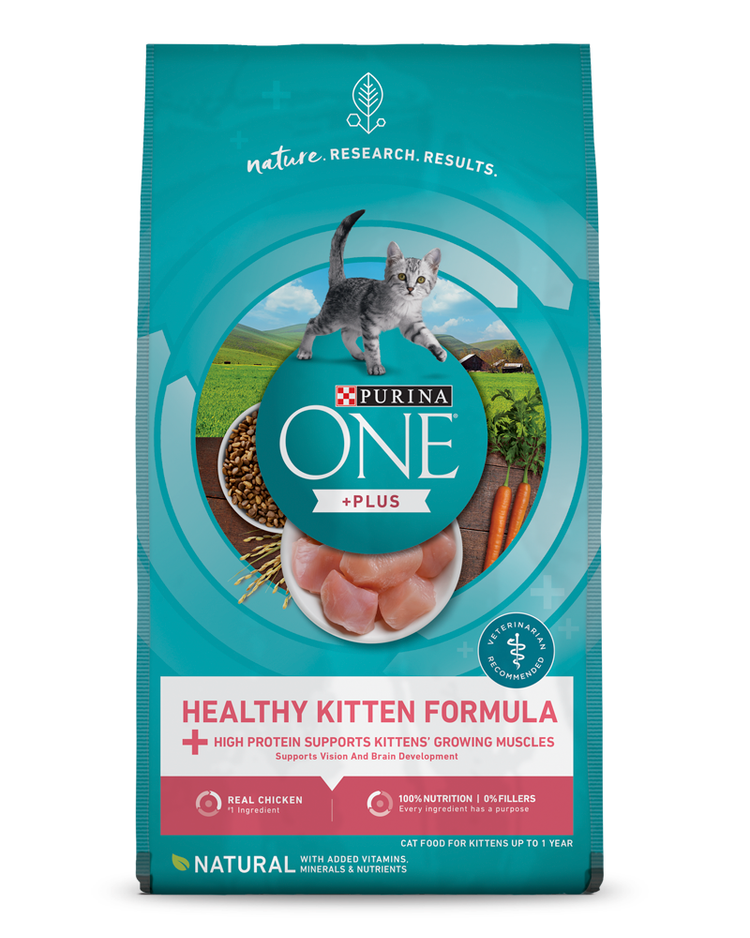
Credit: www.purina.com
Nutritional Needs Shift
As your kitten grows, its nutritional needs change significantly. Understanding when to switch to adult cat food is essential to support healthy development without overfeeding or causing deficiencies. Paying attention to these shifting needs ensures your cat stays healthy and happy during this important transition.
Calories And Protein Requirements
Kittens need more calories and protein than adult cats because they are growing rapidly. Their energy demands are high to support muscle and organ development. However, once growth slows, continuing a high-calorie diet can lead to weight gain and health problems.
Your kitten’s protein needs are also higher to build strong muscles and maintain overall health. Adult cats require less protein but still need a balanced amount to stay fit. Monitoring your cat’s activity level and adjusting food portions accordingly helps prevent overfeeding.
Vitamins And Minerals Changes
The balance of vitamins and minerals shifts as your cat matures. Kittens require more calcium and phosphorus to develop strong bones and teeth. Adult cats, on the other hand, need nutrients that support joint health and immune function.
Too much calcium in adult cat food can cause health issues, so feeding kitten food beyond the growth stage isn’t ideal. Look for adult cat foods formulated with the right vitamin and mineral levels to match your cat’s age.
Digestive System Maturity
Kittens have delicate, developing digestive systems that need easily digestible food. Their stomachs handle smaller, more frequent meals rich in nutrients. As they grow, their digestive tract becomes more efficient and can process adult cat food.
Switching too early can cause digestive upset, while switching too late may not meet their changing needs. Watch how your kitten responds to new food textures and ingredients, and consult your vet if you notice any digestive issues.
Signs To Start Switching
Switching kittens to adult cat food is a crucial step. It ensures they get the right nutrients. But how do you know the right time? Look for signs that indicate readiness for this transition. Recognizing these signs helps your kitten grow healthy and strong.
Weight And Size Indicators
Kittens grow quickly during their first year. Observe their weight and size. When they reach about 75% of their expected adult weight, it’s a sign. This usually happens around 9 to 12 months. Check with your vet for specifics based on breed and health.
Behavioral Changes
Notice any changes in your kitten’s behavior. Increased activity and independence are indicators. They might eat less of their kitten food. They may also show interest in the food of adult cats. These behaviors suggest they are ready for a diet change.
Health And Vet Recommendations
Regular vet visits are essential. Your vet can advise on the right time to switch. They assess your kitten’s health and growth. If your kitten has specific health needs, follow your vet’s guidance for diet adjustments. Always prioritize your kitten’s health in the transition.
Transitioning Tips
Switching kittens to adult cat food needs care and patience. This change affects their health and growth. A smooth transition helps avoid tummy troubles and keeps your cat happy. Follow simple steps to make the shift gentle and successful.
Gradual Mixing Method
Start by mixing a small amount of adult food with kitten food. Increase adult food gradually over 7 to 10 days. This helps your kitten get used to new tastes and textures. Watch how your kitten reacts to the new mix daily.
Monitoring Appetite And Digestion
Check if your kitten eats well during the change. Look for signs like vomiting or diarrhea. These may mean the food is not agreeing with them. Contact a vet if problems last more than two days. Healthy digestion is key for a smooth switch.
Adjusting Feeding Schedule
Kittens eat more often than adult cats. Reduce feeding times slowly as you change the food. Offer three meals a day during transition. Then shift to two meals daily once adult food is fully introduced. Regular feeding helps your cat adjust comfortably.
Common Mistakes To Avoid
Knowing when to switch your kitten to adult cat food is important, but avoiding common mistakes is just as crucial. These errors can affect your kitten’s health and slow down their growth. Let’s look at some pitfalls that many pet owners face and how you can steer clear of them.
Switching Too Early
Some owners rush to change their kitten’s diet as soon as they hit four months old. But kittens need the extra nutrients found in kitten food until they are about 12 months old. Switching too soon can leave your cat lacking essential vitamins and minerals needed for healthy development.
Think about it this way: Would you stop eating healthy, balanced meals during your growth years? Probably not. The same logic applies to your kitten. Wait for the right time, not just a specific age on the calendar.
Abrupt Food Changes
Jumping straight from kitten food to adult food can upset your cat’s stomach. Sudden changes often cause vomiting, diarrhea, or refusal to eat. Your kitten’s digestive system needs time to adjust to new ingredients and textures.
Try mixing a small amount of adult food into their kitten food over 7 to 10 days. Gradually increase the adult food portion while decreasing the kitten food. This slow transition helps your kitten accept the new diet without stress.
Ignoring Individual Needs
Every cat is unique. Some grow faster, others have food sensitivities or health conditions. Ignoring these factors can lead to poor nutrition or health issues. Your kitten might need more time on kitten food or special dietary adjustments.
Ask yourself: Is my kitten active and growing well? Are there signs of allergies or digestive problems? Consult your vet to tailor the diet to your kitten’s specific needs rather than following a generic timeline.

Credit: www.purina.com
Special Cases
Some kittens need special attention before switching to adult cat food. These cases require careful thought to keep the cat healthy and happy. Different breeds, health conditions, and living environments all affect diet choices. Understanding these factors helps you decide the right time to change their food.
Breed-specific Considerations
Certain cat breeds grow at different rates. Large breeds like Maine Coons take longer to mature. They may need kitten food for up to 12 months or more. Smaller breeds often switch sooner, around 9 to 12 months. Breed size affects energy needs and nutrient intake.
Some breeds have unique dietary needs. Siamese cats, for example, may benefit from higher protein levels. Always check breed-specific advice or consult a vet for best results.
Health Issues Impacting Diet
Health problems can change a kitten’s diet timeline. Cats with digestive issues may need a special formula longer. Kittens with allergies might require hypoallergenic foods. Illness or slow growth can delay switching to adult food.
Veterinarians often recommend tailored diets for sick or recovering cats. Following their advice ensures proper nutrition and recovery. Watch your kitten’s health closely during food changes.
Indoor Vs Outdoor Cats
Indoor and outdoor cats have different calorie needs. Outdoor cats burn more energy and may need richer food. Kittens that play outside often stay active longer. Indoor cats usually have lower energy needs.
Switch indoor cats to adult food around 9 to 12 months. Outdoor cats might benefit from kitten food until closer to 12 months. Adjust food type based on activity level and environment.

Credit: www.tippaws.com
Frequently Asked Questions
When Is The Best Age To Switch Kittens To Adult Food?
Kittens should switch to adult cat food at about 12 months old. This timing supports their growth and nutritional needs. Some larger breeds may need kitten food longer. Always consult your vet to ensure a smooth and healthy food transition.
How To Tell If My Kitten Needs Adult Food?
If your kitten is over 12 months and less active, it may need adult food. Signs include slower growth and reduced energy. Adult food has fewer calories and different nutrients to match mature cats’ needs. Monitor your kitten’s behavior and weight for clues.
Can Switching Too Early Harm My Kitten’s Health?
Switching too early can cause nutritional deficiencies in kittens. Kitten food provides essential nutrients for growth and development. Adult food lacks these vital nutrients. Premature changes can lead to poor health or stunted growth. Always wait until your kitten is around one year old.
What Are The Signs My Kitten Is Ready For Adult Food?
A kitten ready for adult food is usually physically mature and less playful. Weight stabilizes, and growth slows down by 12 months. They may show less interest in high-calorie kitten food. Consult your vet for personalized guidance based on your kitten’s health.
Conclusion
Kittens grow fast and need the right food at the right time. Switching to adult cat food helps them stay healthy and strong. Watch their age and size to know when to change their diet. Gradual change makes the switch easy and less stressful.
Good food supports their energy and body development. Keep an eye on how your cat reacts to new food. Healthy eating habits start early and last a lifetime. Choosing the right moment helps your cat live happily.



Leave a Reply