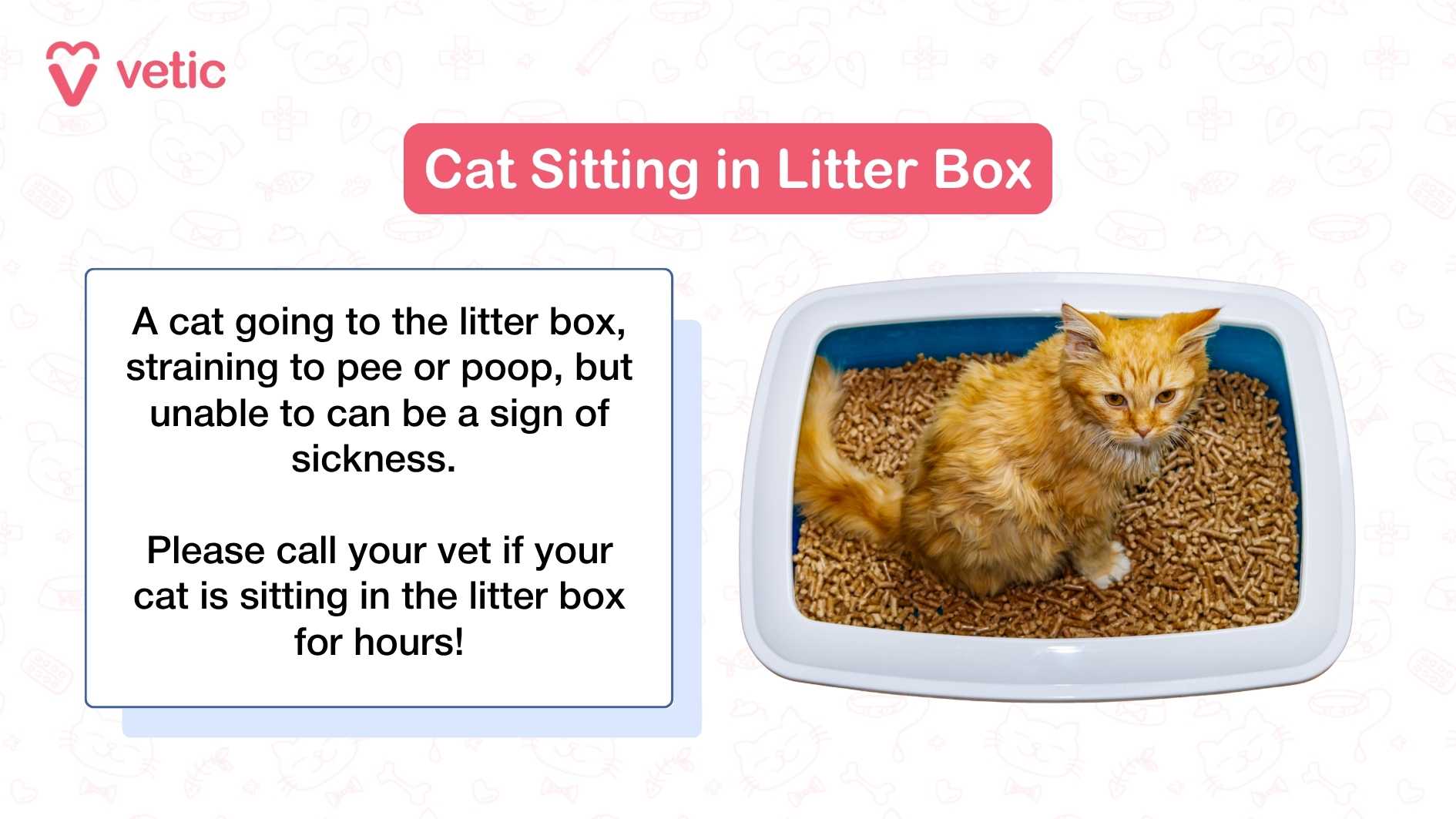
Have you noticed your cat suddenly stopped pooping in the litter box? This change can be worrying and confusing for any pet owner.
When your cat avoids their litter box, it’s often a sign that something isn’t right with their health. Understanding the possible health issues behind this behavior is key to helping your furry friend feel better. You’ll discover the common health problems that cause cats to quit using the litter box and what you can do to support your cat’s well-being.
Keep reading to protect your pet and restore peace in your home.
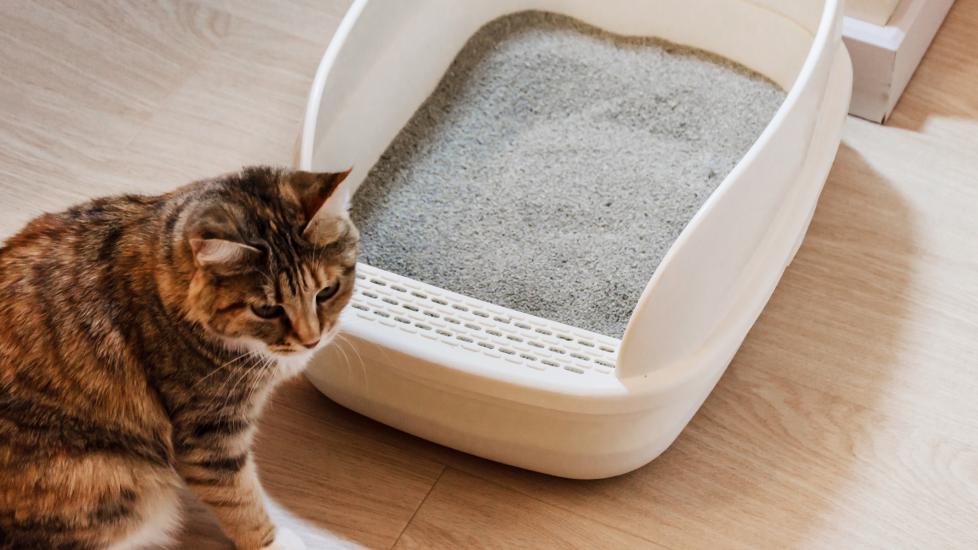
Credit: www.petmd.com
Common Reasons For Litter Box Issues
Cats may stop using their litter box for several reasons. Understanding these causes helps solve the problem quickly. Litter box issues often point to health or environmental factors. Owners should watch their cat’s behavior closely. This way, they can identify the root cause. The following sections explain common reasons cats quit pooping in their litter box.
Medical Conditions Affecting Digestion
Health problems often lead to litter box avoidance. Digestive issues cause discomfort during bowel movements. Constipation and diarrhea make cats avoid the box. Infections or parasites can upset the stomach. Pain from arthritis or injuries can also affect behavior. A vet visit is essential to rule out medical problems. Early treatment helps your cat feel better fast.
Stress And Behavioral Changes
Cats are sensitive to changes in their environment. Moving to a new home or adding a pet can cause stress. Loud noises or changes in routine may upset them. Stress often leads to changes in litter box habits. Anxiety or fear can make cats avoid the box. Providing a calm and safe space helps reduce stress. Positive attention and patience encourage good habits.
Litter Box Cleanliness And Setup
Cats prefer clean and comfortable litter boxes. Dirty or smelly boxes discourage use. The box should be cleaned daily to keep it fresh. Location matters—cats want privacy and quiet. Boxes placed near loud appliances or busy areas cause avoidance. The type of litter also affects comfort. Some cats dislike scented or clumpy litter. Offering the right setup keeps cats happy and clean.
Signs Your Cat May Be Sick
Noticing your cat stop using the litter box can signal health problems. Cats often hide pain or illness well. Spotting early signs helps you act quickly. Watch your cat’s behavior and physical changes closely. These clues reveal if your cat needs a vet visit.
Changes In Appetite And Weight
A sick cat may eat less or refuse food completely. Sudden weight loss or gain is a red flag. Your cat might lose interest in favorite treats. Monitor eating habits daily to catch these shifts early. Appetite changes often link to digestive or other health issues.
Straining Or Pain During Defecation
Difficulty pooping or obvious pain signals trouble. Your cat may cry or hide when trying to use the box. Watch for hard, dry stools or no stool at all. Straining can mean constipation, blockage, or injury. Immediate attention is necessary to prevent serious problems.
Vomiting And Lethargy
Vomiting and low energy often accompany digestive illness. A tired, weak cat may avoid movement and social interaction. These symptoms can indicate infections or organ problems. Track how often vomiting occurs and how your cat acts. Early veterinary care improves outcomes in these cases.
When To Seek Immediate Veterinary Care
Sudden changes in your cat’s bathroom habits can signal serious health problems. Immediate veterinary care is essential if your cat stops pooping in the litter box and shows signs of pain or distress. Quick action can prevent life-threatening complications.
When your cat stops using the litter box, it can be a sign of a serious health issue. While minor changes might not be alarming, certain signs demand immediate veterinary attention. Recognizing these signs can make a significant difference in your cat’s health and well-being.Complete Loss Of Bowel Movements
A complete lack of bowel movements is a critical warning sign. If your cat has not pooped for more than 48 hours, it could indicate a severe blockage or other medical condition. This is a situation where you should not wait to see if it resolves on its own—seek veterinary care immediately.Visible Abdominal Swelling
Noticeable swelling in your cat’s abdomen is another red flag. This could suggest an accumulation of waste or even a more severe underlying issue. Swelling can be a sign of discomfort, and it’s crucial to get a professional assessment promptly.Severe Discomfort Or Crying
If your cat is exhibiting signs of severe discomfort or is crying out, it’s time to act quickly. Cats are known for hiding pain, so vocal expressions of distress should not be ignored. Trust your instincts—if your cat seems to be in pain, a vet visit is necessary. Remember, your cat’s health can change rapidly. Acting swiftly can prevent complications and ensure your feline friend stays healthy and happy. Have you ever noticed these symptoms in your cat? How did you respond?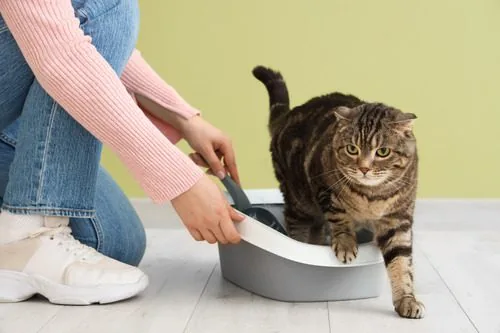
Credit: lacvets.com
Preventing Litter Box Problems
Preventing litter box problems is key to keeping your cat healthy and happy. Changes in your cat’s bathroom habits often signal discomfort or health issues that you can address early. Taking simple, consistent steps can make a big difference in avoiding those frustrating moments when your cat stops pooping in the litter box.
Diet And Hydration Tips
Your cat’s diet plays a huge role in their digestive health. Feeding high-quality, fiber-rich food can help keep their stools firm and regular. Wet food is a great option because it boosts hydration, which supports smooth digestion.
Have you noticed how some cats avoid the litter box after a diet change? That could be a sign that their new food isn’t agreeing with them. Gradually switching foods and observing your cat’s response helps prevent sudden digestive upset.
Maintaining A Clean Environment
Cleanliness is non-negotiable when it comes to the litter box. Cats are picky and often avoid dirty boxes. Scoop the litter at least once a day and change it completely every week to keep odors and bacteria at bay.
Placing the litter box in a quiet, low-traffic area encourages your cat to use it without stress. How often do you check the litter box condition? Small habits like keeping the box accessible and fresh can prevent accidents outside the box.
Regular Health Checkups
Health problems like constipation, urinary tract infections, or arthritis can make using the litter box painful for cats. Regular vet visits help spot these issues before they cause your cat to avoid the box. Don’t wait for obvious symptoms; subtle changes in behavior often come first.
Have your vet check your cat’s digestive and urinary health during routine visits. Early diagnosis can prevent serious conditions and help your cat stay comfortable and confident about using the litter box every day.
Treatment Options For Constipation
Constipation in cats can be troubling, especially when it causes them to stop using their litter box. Finding the right treatment is key to helping your feline friend feel comfortable again. Here are practical options to consider when addressing constipation.
Medications And Laxatives
Medications often provide quick relief for your cat’s constipation. Veterinarians may prescribe stool softeners or mild laxatives to ease bowel movements safely. Be cautious about over-the-counter human laxatives; always consult your vet before giving any medication.
Have you noticed your cat straining or showing signs of discomfort? This might be a sign that medication is necessary to reduce pain and improve their bowel function.
Dietary Adjustments
Changing your cat’s diet can make a big difference. Adding fiber-rich foods or special canned diets formulated for digestive health helps promote regular bowel movements. Increasing water intake is just as important—wet food or a pet water fountain can encourage hydration.
Consider mixing pumpkin puree into their meals; many cat owners have seen improvement with this natural fiber source. Have you tried switching your cat’s diet to see if that helps their constipation?
Surgical Interventions
In severe cases, surgery may be necessary to remove impacted stool or correct underlying issues causing constipation. This option is usually a last resort after other treatments fail. Your vet will discuss the risks and benefits if surgery becomes the best choice.
While surgery can be intimidating, it could be lifesaving for cats suffering from chronic or severe constipation. Are you prepared to explore all options if your cat’s health depends on it?
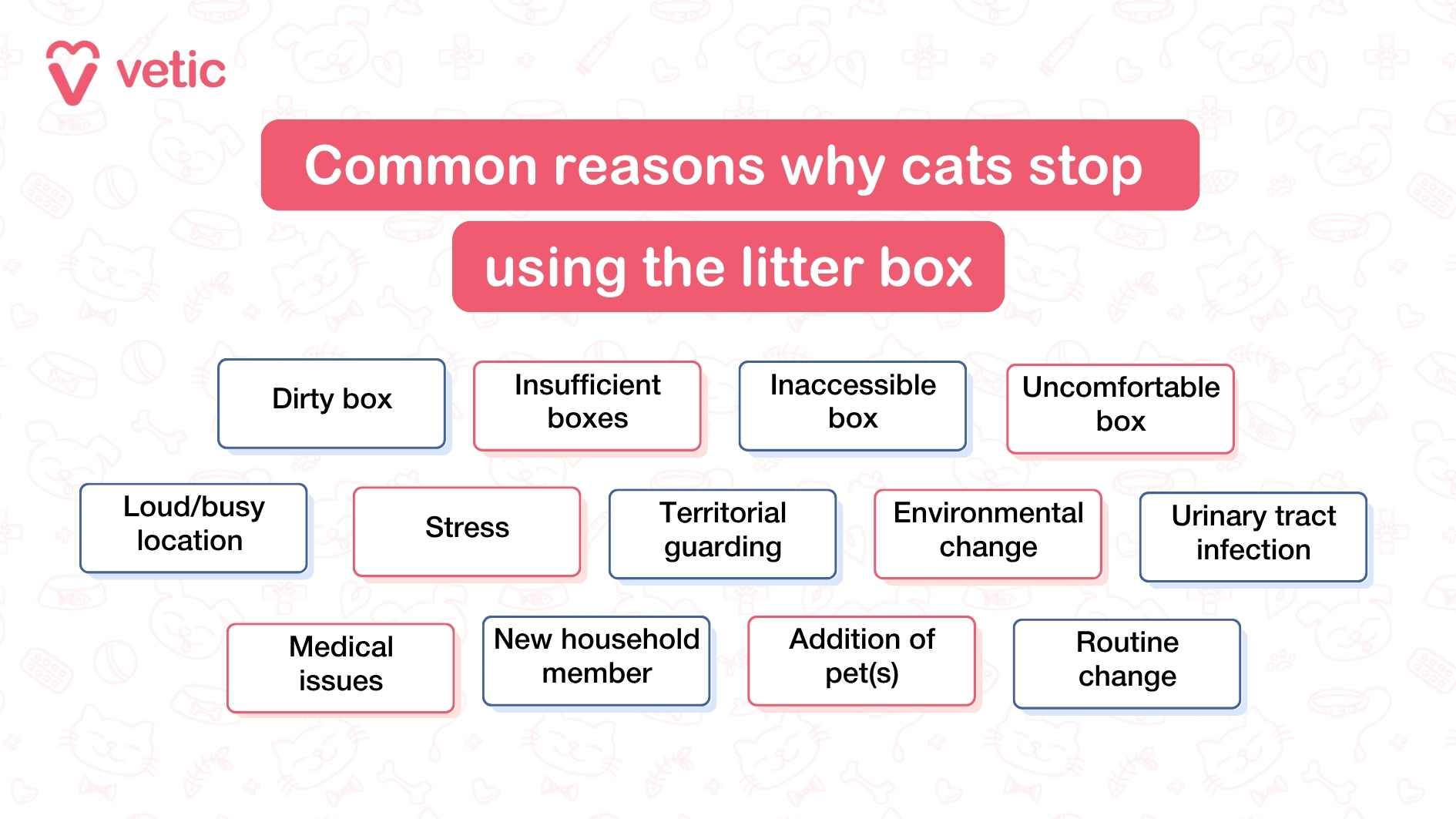
Credit: vetic.in
Frequently Asked Questions
Why Did My Cat Stop Pooping In The Litter Box?
Cats may stop pooping in the litter box due to health issues like constipation or infections. Stress, dirty litter boxes, or changes in routine also cause this behavior. Identifying the root cause helps address the problem quickly and improves your cat’s comfort.
Can Constipation Cause A Cat To Avoid Litter Box?
Yes, constipation can make pooping painful for cats. This pain leads them to avoid the litter box. If your cat strains or has hard stools, consult a vet promptly for treatment and dietary advice to relieve constipation and encourage proper litter box use.
How Can Urinary Tract Infections Affect Cat’s Litter Habits?
Urinary tract infections cause discomfort and frequent urination. Cats may associate the litter box with pain and avoid it. Early vet diagnosis and treatment are essential to prevent complications and restore normal litter box behavior in cats with UTIs.
Does Litter Box Cleanliness Impact Cat’s Pooping Behavior?
Absolutely. Cats prefer clean litter boxes. Dirty or smelly boxes discourage them from pooping there. Regular cleaning and using the right type of litter maintain hygiene and comfort, encouraging consistent litter box use and preventing accidents around the house.
Conclusion
A cat stopping pooping in the litter box signals a health issue. Digestive problems, infections, or pain may cause this behavior. Watch your cat’s habits closely and act fast. A vet visit can find the root cause. Early help improves your cat’s comfort and health.
Don’t ignore changes in bathroom habits. Your cat depends on you for care. Keep the litter box clean and easy to access. Small steps can make a big difference in your cat’s well-being.

Leave a Reply