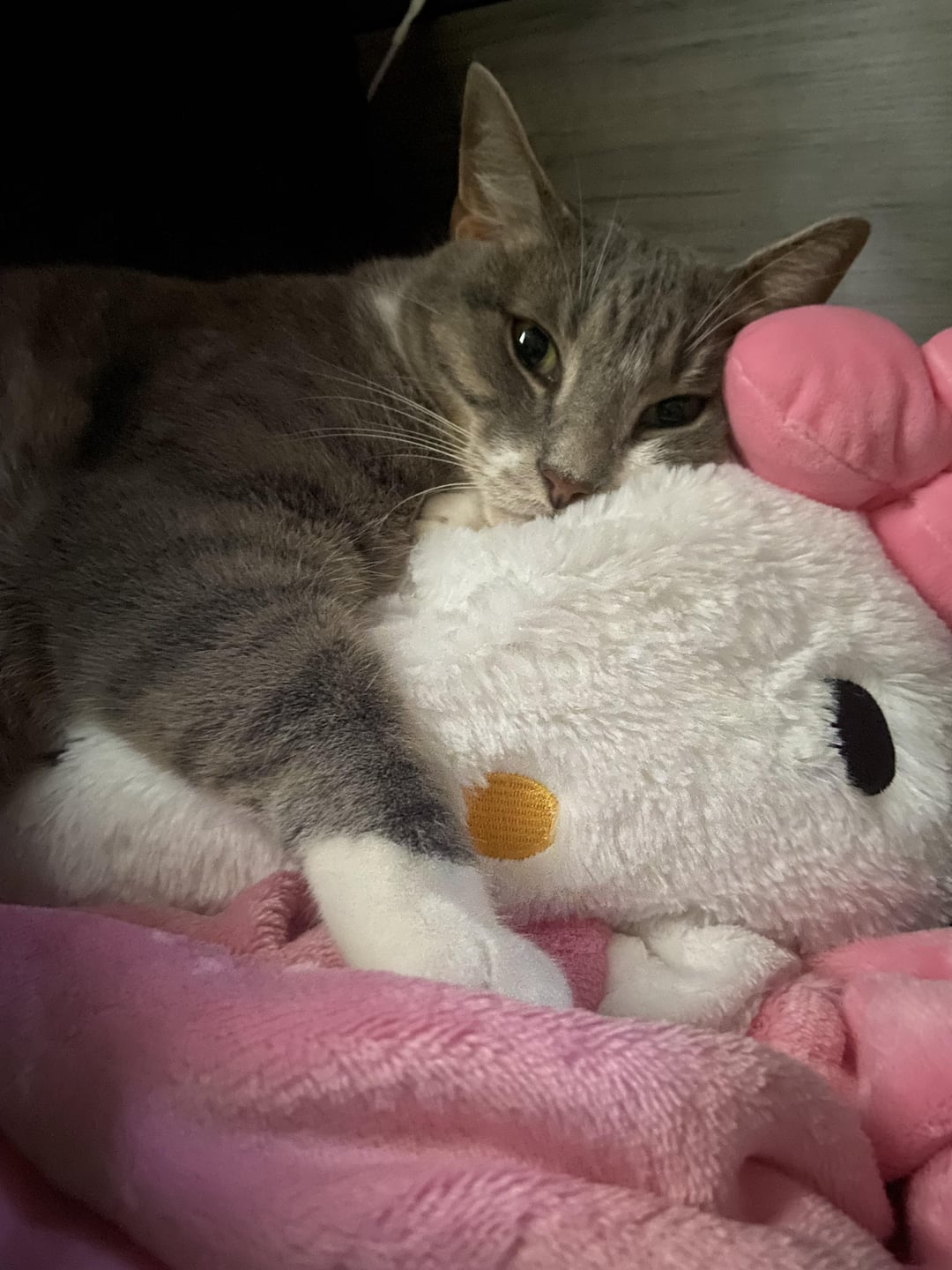
Have you ever noticed your cat running away from her toys instead of playing with them? It can be confusing and even a little frustrating when something meant to bring joy causes fear instead.
You might wonder, “Why is my cat afraid of her toys? ” Understanding this strange behavior can help you create a happier, more playful environment for your furry friend. Keep reading to discover the surprising reasons behind your cat’s fear and learn simple ways to turn those scary toys into exciting playtime favorites.
Credit: www.chewy.com
Common Cat Toy Fears
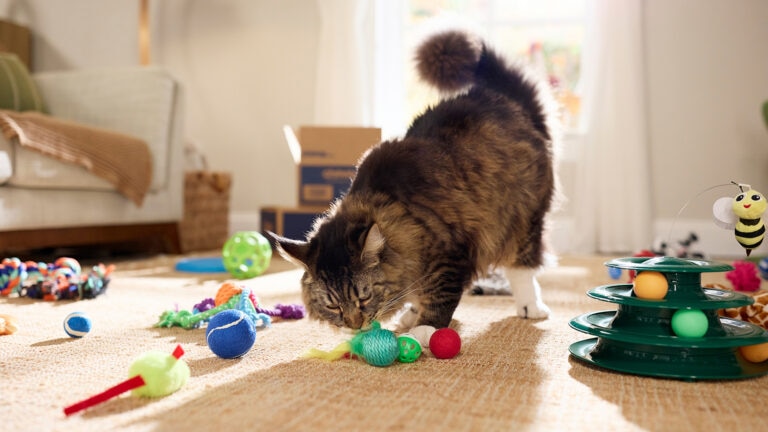
Many cat owners wonder why their playful pets sometimes shy away from toys that seem harmless. Understanding common cat toy fears helps you create a more enjoyable playtime experience. Cats rely heavily on their senses, and unfamiliar aspects of toys can trigger unexpected reactions.
Unfamiliar Shapes And Textures
Cats are naturally cautious of new objects. Toys with strange shapes or rough textures might feel threatening to them. If your cat hesitates or sniffs a toy then walks away, it could be because the shape or feel doesn’t match what they recognize as safe.
Try introducing toys that resemble natural prey shapes or have soft, familiar textures. Observe how your cat reacts and gradually offer different styles to build their confidence.
Noisy Or Moving Parts
Some toys have bells, crinkles, or moving parts that can startle your cat. Sudden noises or unexpected movements may trigger a fear response instead of curiosity. If your cat freezes or bolts when a toy makes noise, it’s a clear sign they find it intimidating.
You can test quieter toys first or activate moving features gently to help your cat adjust. Patience is key; your cat might enjoy the toy once they feel in control of the interaction.
Strong Scents
Cats have a powerful sense of smell. Toys scented with unfamiliar or artificial odors can be off-putting or even alarming. A toy sprayed with a strong perfume or chemical might make your cat avoid it completely.
Choose toys with natural materials and mild scents, or try plain, unscented toys. Watching your cat’s reaction to different smells can guide you in picking toys they will love rather than fear.
Past Negative Experiences
Past negative experiences can make cats wary of their toys. These experiences shape their reactions and trust. Understanding these reasons helps you support your cat better. Fear may stem from memories linked to certain toys. Sometimes, a lack of gentle introduction causes confusion and anxiety.
Trauma Associated With Certain Toys
Cats may remember bad moments with specific toys. Loud noises or sudden movements can scare them. A toy that caused pain or discomfort creates fear. Even a rough play session might leave a lasting impression. This trauma makes the cat avoid those toys entirely. The memory of fear stays, blocking curiosity and fun.
Lack Of Proper Introduction
Toys introduced too quickly can confuse a cat. Without gentle exposure, the toy seems strange and threatening. Sudden appearance of new toys might trigger anxiety. Cats need time to explore and sniff new objects. A slow, calm introduction builds confidence and interest. Skipping this step can make toys seem scary instead of fun.
Personality And Temperament
Cats are unique creatures with distinct personalities and temperaments. These traits influence their behavior and preferences. Some cats are adventurous, while others are more reserved. Understanding your cat’s personality can help explain why she might be afraid of her toys. Let’s explore how personality and temperament affect a cat’s interaction with toys.
Shy Or Timid Cats
Shy cats may feel overwhelmed by certain toys. Loud or fast-moving toys can be intimidating. A timid cat might prefer quiet, simple toys. Feathers or small balls may suit her better. Observing her reactions can guide your toy choices. Gentle encouragement can help build her confidence. A safe, calm environment is also crucial.
Preference For Specific Types Of Toys
Each cat has unique toy preferences. Some cats love toys that mimic prey. Others enjoy toys they can chase or pounce on. Pay attention to what catches her interest. Plush toys may appeal to some cats. Others might favor interactive toys. Trial and error can help identify her favorites. Understanding these preferences ensures a happy playtime.

Credit: www.reddit.com
Environmental Factors
Environmental factors play a huge role in your cat’s behavior toward her toys. Sometimes, it’s not the toy itself but what’s happening around her that causes fear or hesitation. Understanding these influences can help you create a more comfortable playtime experience for your feline friend.
New Surroundings And Stress
Have you noticed your cat acting shy or scared of her toys after moving to a new home? Cats are creatures of habit, and unfamiliar surroundings can make them anxious. Stress from changes like new furniture, different lighting, or even strange noises can make your cat wary of toys she once loved.
When my cat moved to a new apartment, she ignored her favorite feather wand for weeks. Once I gave her time to adjust and added familiar scents to the room, she slowly started playing again. You can help your cat by creating a calm, predictable environment and introducing toys gradually.
Presence Of Other Pets
Other pets in the house can also affect how your cat reacts to her toys. If there’s a dog or another cat around, your feline might feel threatened or protective. This can lead her to avoid toys or act skittish during playtime.
In one case, a friend’s cat stopped playing because a new puppy kept invading her space. Separating play areas and supervising interactions helped her regain confidence. Consider if your cat feels safe and unpressured when playing, especially with other animals nearby.
How To Help Your Cat Overcome Toy Fear
Helping a cat overcome fear of toys needs patience and care. Understanding their feelings is the first step. Cats might react to toys because of past experiences or unfamiliar shapes and sounds. Creating a safe space and positive experiences can help them feel secure and curious.
Gradual Introduction Techniques
Introduce new toys slowly. Let your cat see the toy from a distance. Place the toy near their favorite resting place. Avoid forcing interaction. Allow your cat to approach the toy at their own speed. Use calm, quiet moments for these introductions. Repeat these steps daily to build comfort.
Using Positive Reinforcement
Reward your cat for showing interest in the toy. Use treats or gentle petting as a reward. Praise your cat softly to encourage bravery. Avoid punishment or negative reactions. Celebrate small steps like sniffing or touching the toy. This builds trust and positive feelings.
Selecting Suitable Toys
Choose toys that match your cat’s personality. Soft, lightweight toys often feel less threatening. Avoid loud or fast-moving toys at first. Consider toys that mimic natural prey, like small stuffed mice. Observe your cat’s reactions and preferences. Replace toys that cause stress or fear.

Credit: tenderly.medium.com
Frequently Asked Questions
Why Is My Cat Scared Of Her Toys?
Cats may fear toys due to unfamiliar sounds, textures, or movements. Sudden noises or erratic motions can startle them. Introducing toys slowly and choosing softer, quieter options helps reduce fear and encourages play.
Can A Cat’s Past Affect Toy Fear?
Yes, past traumatic experiences can make cats wary of toys. Negative associations or lack of exposure to toys during kittenhood may cause fear. Patience and gentle introduction can help rebuild positive connections with toys.
How To Make My Cat Less Afraid Of Toys?
Start by offering toys gently and in a calm environment. Use soft, quiet toys and engage in interactive play. Rewarding your cat with treats and praise encourages positive behavior and reduces fear over time.
Do Certain Toy Types Scare Cats More?
Yes, toys with loud noises or unpredictable movements often frighten cats. Shiny or unfamiliar materials can also cause anxiety. Opt for familiar, soft, and quiet toys to make your cat feel comfortable.
Conclusion
Cats may fear toys due to sudden sounds or strange shapes. Patience helps them get used to new things. Try different toys to find what your cat likes. Let your cat explore at her own pace. Watching her reactions gives clues about her feelings.
Creating a calm space encourages trust and play. Remember, every cat is unique and learns differently. Keep playtime fun and stress-free for your furry friend. This helps your cat enjoy toys without fear.


Leave a Reply