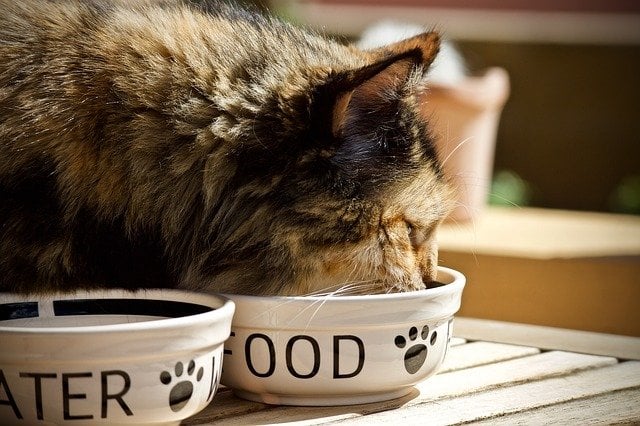
Are you wondering if it’s okay to feed your adult cat dry kitten food? You’re not alone.
Many cat owners ask this because kitten food looks tasty and is packed with nutrients. But is it really the best choice for your grown feline friend? What could happen if you make the switch? Keep reading to discover the truth behind feeding adult cats kitten food and how to keep your pet healthy and happy.
Your cat’s well-being depends on it!
Nutritional Needs Of Adult Cats
Adult cats have different nutritional needs than kittens. Their bodies require specific nutrients to stay healthy and active. Feeding the right food helps maintain their weight, energy, and overall wellness.
Key Nutrients For Adults
Adult cats need balanced amounts of protein, fat, and carbohydrates. Protein supports muscle health and repair. Fat provides energy and helps absorb vitamins. Carbohydrates supply some energy but should be limited.
- Taurine: Essential for heart and eye health
- Vitamin A and E: Important for immune function
- Calcium and phosphorus: Maintain strong bones and teeth
- Water: Keeps cats hydrated and supports digestion
Differences From Kitten Requirements
Kittens need more calories and nutrients to grow fast. Their food contains higher protein and fat than adult cat food. Adult cats require fewer calories to prevent obesity. Overfeeding kitten food to adults can cause weight gain and health issues.
Composition Of Kitten Food
Kitten food has a unique makeup designed to support rapid growth and development. It contains nutrients that adult cats do not need as much of. Understanding the composition of kitten food helps decide if it suits adult cats.
Higher Protein And Fat Content
Kitten food has more protein and fat than adult cat food. These nutrients fuel fast growth and energy. Protein helps build strong muscles. Fat provides extra calories for active kittens. Adult cats need fewer calories, so too much fat can cause weight gain.
Additional Vitamins And Minerals
Kitten food includes extra vitamins and minerals for healthy development. Nutrients like calcium and phosphorus support bone growth. Vitamins A, D, and E boost the immune system. Adult cats usually get enough from regular food. Excess vitamins can sometimes harm adult cats if fed long-term.
Potential Benefits For Adult Cats
Feeding adult cats dry kitten food can seem unusual. Yet, it may offer some benefits for certain adult cats. Kitten food contains higher calories and nutrients. This could be advantageous for older or underweight cats. Let’s explore how kitten food might benefit adult cats.
Increased Energy Levels
Kitten food is rich in calories and proteins. These elements provide extra energy. Adult cats needing more energy may benefit. It can help cats maintain a lively lifestyle. More energy means more play and interaction.
Support For Active Lifestyles
Active adult cats need extra nutrients. Kitten food can offer these nutrients. It supports their high-energy activities. It keeps them strong and agile. This food helps maintain muscle mass. Ideal for cats that love to explore and play.

Credit: www.tippaws.com
Possible Risks And Concerns
Feeding adult cats dry kitten food might seem harmless at first, but it comes with several risks you should consider carefully. Kitten food is designed to meet the nutritional needs of growing cats, which are quite different from those of adults. Ignoring these differences can lead to health problems that might affect your cat’s quality of life.
Weight Gain And Obesity
Kitten food is higher in calories and fat to support rapid growth. If your adult cat eats this richer food regularly, it can easily consume more calories than needed.
This excess energy turns into weight gain, which increases the risk of obesity. Overweight cats face issues like diabetes, joint problems, and shorter lifespans. Have you noticed your cat gaining weight without any change in activity? It might be time to check their diet carefully.
Digestive Issues
Adult cats have different digestive needs than kittens. Kitten food often contains higher protein and fat levels that might upset your cat’s stomach.
Feeding dry kitten food can cause diarrhea, vomiting, or constipation in some adult cats. If your cat shows signs of digestive discomfort, switching to a formula designed for their age could help.
Would you risk your cat’s comfort for convenience? Paying attention to their specific dietary needs is crucial for their long-term health.
When To Consider Feeding Kitten Food
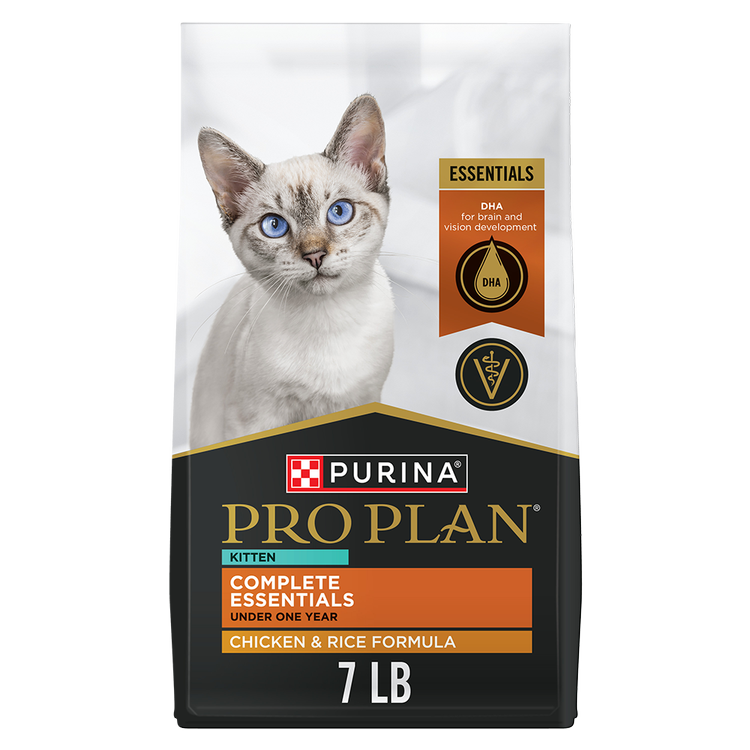
Kitten food offers more calories and nutrients than adult cat food. This extra nutrition supports growth and energy needs. Adult cats usually do not need kitten food daily. Yet, certain situations call for feeding kitten food to adult cats. These moments focus on health, weight, and recovery.
Recovering From Illness
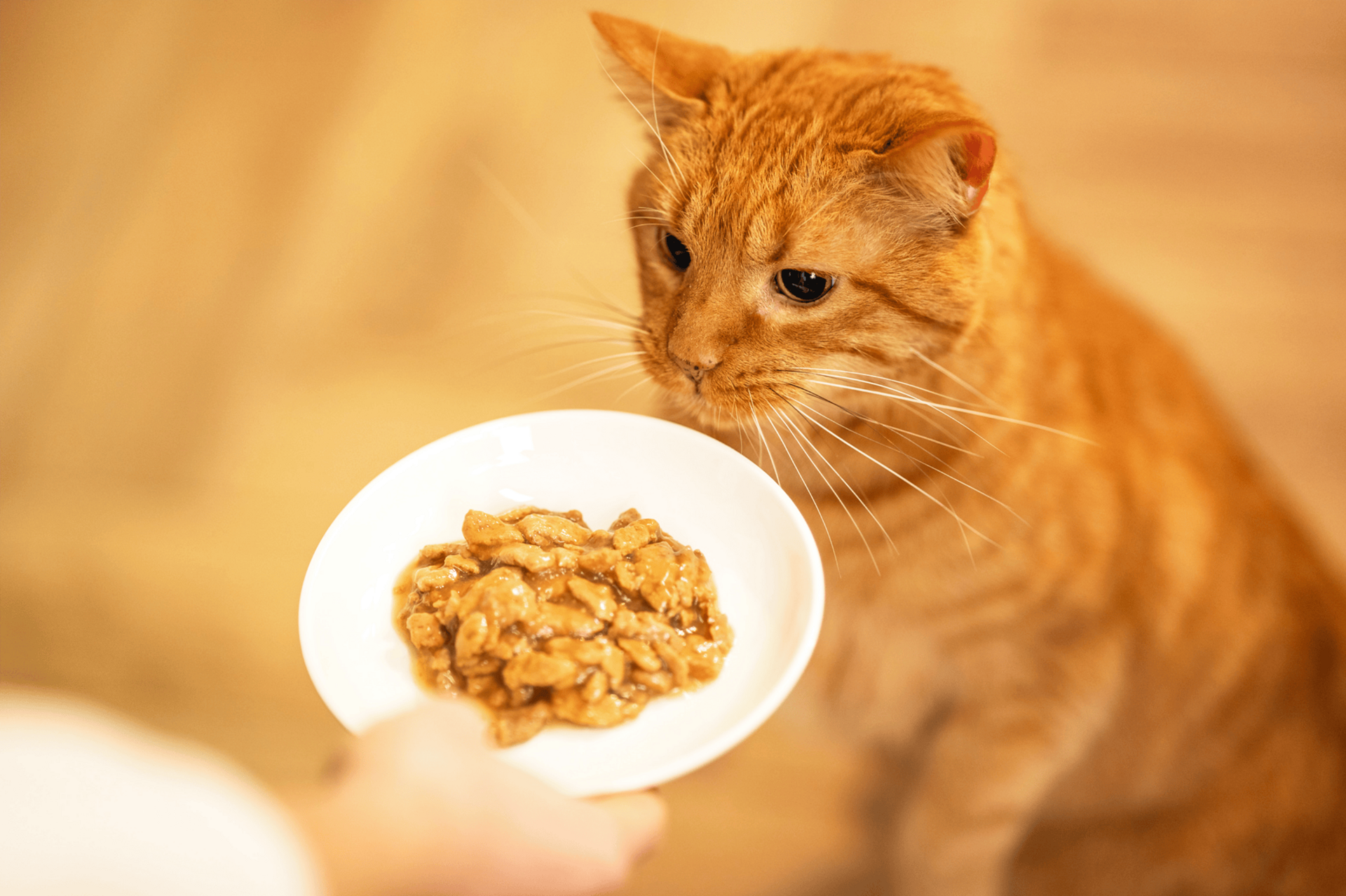
Ill cats need more energy to heal. Kitten food provides a rich source of calories and protein. These help rebuild strength and body tissues faster. The soft texture of some kitten foods also helps cats eat easily. This is important when they feel weak or have mouth pain.
Underweight Or Malnourished Cats
Underweight cats require extra nutrients to gain weight. Kitten food supports healthy weight gain with higher fat and protein levels. It helps restore muscle mass and improve coat condition. Feeding kitten food can be a temporary boost until cats reach a healthy weight.
Credit: www.purina.com
Alternatives To Kitten Food For Adults
Adult cats have different nutritional needs than kittens. Feeding them kitten food regularly can cause weight gain and other health issues. Choosing the right food helps keep your cat healthy and active. There are better options designed specifically for adult cats.
Specialized Adult Cat Formulas
Adult cat formulas have balanced nutrients for mature cats. These foods contain the right protein, fat, and calorie levels. They support healthy weight and muscle maintenance. Many brands offer dry and wet options. Some formulas focus on hairball control, dental health, or sensitive stomachs. Reading labels helps pick the best choice for your cat’s needs.
Consulting A Veterinarian
A veterinarian provides guidance on the best diet for your cat. They consider age, weight, health conditions, and activity level. Vets can recommend prescription diets for special health issues. Regular checkups help adjust food choices as your cat ages. Professional advice ensures your cat gets proper nutrition without risks.
Tips For Transitioning Diets Safely
Switching your adult cat’s diet to dry kitten food requires care and attention. Sudden changes can upset your cat’s digestion and affect their overall health. Paying close attention to how you introduce the new food can make a big difference in your cat’s comfort and acceptance.
Gradual Introduction
Start by mixing a small amount of dry kitten food with your cat’s current adult food. Begin with about 10% kitten food and 90% adult food. Over the course of 7 to 10 days, slowly increase the kitten food while decreasing the adult food.
This slow shift helps your cat’s digestive system adjust without causing upset stomach or refusal to eat. You can also watch how your cat reacts to the new taste and texture during this period. Have you noticed your cat’s preferences when trying new foods before? Use that insight to guide the pace of change.
Monitoring Health And Behavior
Keep a close eye on your cat’s behavior and health during the transition. Look for signs like vomiting, diarrhea, changes in appetite, or lethargy. These could indicate that the kitten food isn’t agreeing with your cat’s system.
Also, observe their energy levels and coat condition. Dry kitten food is higher in calories and nutrients, so your cat may become more energetic or show changes in weight. If you notice anything unusual, don’t hesitate to consult your vet to ensure the diet is right for your cat’s needs.
Credit: iams.eu
Frequently Asked Questions
Can Adult Cats Eat Dry Kitten Food Safely?
Adult cats can eat dry kitten food occasionally. However, kitten food has higher calories and nutrients designed for growth. Long-term feeding may cause weight gain or nutritional imbalance in adult cats. It is best to feed age-appropriate food for optimal health.
What Are The Risks Of Feeding Adult Cats Kitten Food?
Feeding adult cats kitten food regularly can lead to obesity. Kitten food is richer in calories and protein, which adults don’t need as much. It may also cause digestive upset or nutrient imbalance. Consult a vet before switching diets to avoid health issues.
Is Dry Kitten Food Good For Adult Cats’ Health?
Dry kitten food is formulated for kittens’ growth needs, not adults. While it’s safe short-term, it lacks the right balance for adult cats. Adult cats require different nutrients for maintenance. Feeding kitten food long-term may affect their health negatively.
How Often Can Adult Cats Eat Dry Kitten Food?
Adult cats can eat dry kitten food occasionally as a treat. Regular feeding is not recommended due to its higher calorie content. Stick to adult cat food for daily meals. Always consult your vet for specific dietary advice.
Conclusion
Feeding adult cats dry kitten food is not ideal long-term. Kitten food has more calories and nutrients meant for growing cats. Adult cats need balanced nutrition to stay healthy and active. Occasional feeding is okay but avoid making it a regular habit.
Watch your cat’s weight and energy levels closely. Choose food designed for adult cats to meet their needs. Consult a vet for the best diet plan. Your cat’s health depends on proper nutrition every day. Keep your furry friend happy with the right food choice.




Leave a Reply