
Have you ever noticed a cat with extra toes and wondered why it’s different? Some cats aren’t just cute—they have a unique trait called polydactyly, meaning they have more toes than usual.
But did you know that certain cat breeds are more likely to have these extra toes? If you’re curious about which cats carry this special feature and what it means for your furry friend, you’re in the right place. Keep reading to discover which cat breeds are more prone to having extra toes and why this fascinating trait happens.
Polydactylism In Cats
Polydactylism in cats is a fascinating genetic trait that gives some cats extra toes. It’s more than just a quirky feature; it can affect how a cat moves and interacts with its environment. If you’ve ever noticed a cat with more than the usual five toes on its front paws, you’ve seen polydactylism in action.
What Is Polydactylism?
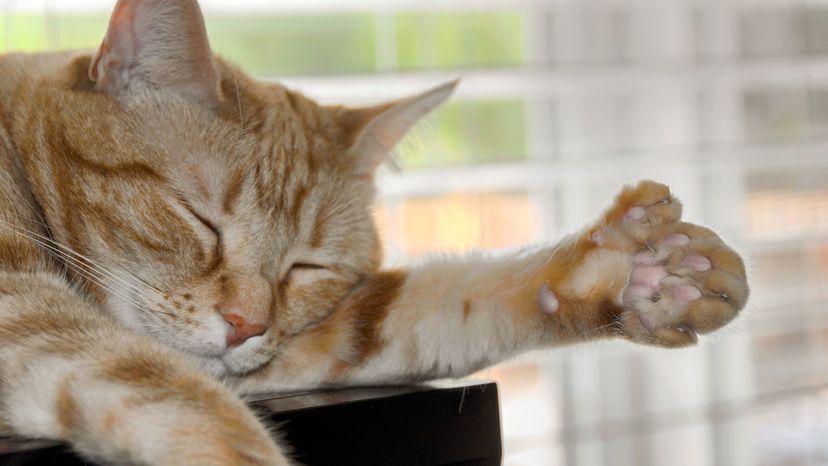
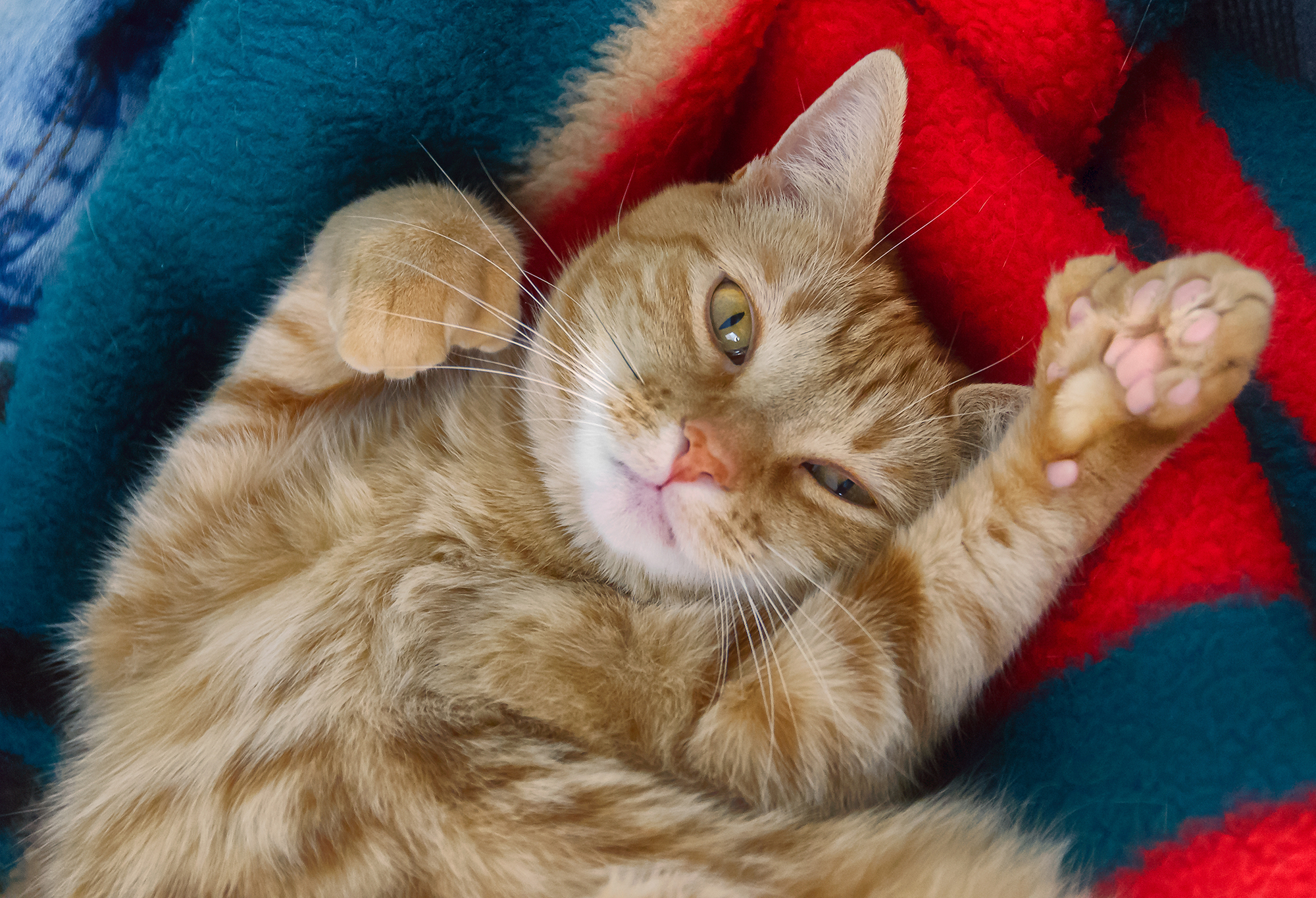
Polydactylism means having more toes than normal. Most cats have five toes on their front paws and four on their back paws. Polydactyl cats can have six, seven, or even more toes on a single paw.
This trait is sometimes called “Hemingway cats” because the writer Ernest Hemingway loved cats with extra toes. These cats can have toes that look like thumbs, which might help them grip objects better or climb more easily.
Genetics Behind Extra Toes
The extra toes come from a genetic mutation affecting the development of the cat’s paws. This mutation is dominant, so if one parent has extra toes, the kittens are more likely to have them too.
Polydactylism is especially common in certain breeds and geographic regions. Cats from the coastal areas of the United States and Canada often have this trait. It’s also seen in breeds like the Maine Coon, where it sometimes runs in the family.
Do you wonder if your cat’s extra toes give it an edge in climbing or hunting? Watching how polydactyl cats use their paws can reveal surprising skills you might not expect.
Common Breeds With Extra Toes
Extra toes in cats, also known as polydactyly, occur more often in certain breeds. These extra digits give cats a unique look and sometimes better balance or climbing skills. Some breeds show this trait naturally or have it as a common genetic trait. Here are some cat breeds known for having extra toes.
Maine Coon
Maine Coons are large, friendly cats with tufted ears. They often have extra toes on their front paws. This trait helps them walk on snow and climb trees. Extra toes are common and accepted in the breed. They add to the Maine Coon’s charm and unique appearance.
American Polydactyl Cat
American Polydactyl cats have extra toes on one or more paws. They are not a specific breed but a group of cats with this trait. These cats are found mainly on the East Coast of the U.S. The extra toes can give them a mitten-like paw shape. They are known for being friendly and playful.
Hemingway Cats
Hemingway Cats, named after writer Ernest Hemingway, are famous for their polydactyl paws. Hemingway loved these cats and kept many at his home in Key West. These cats often have six or more toes on each paw. Their extra toes make them excellent climbers and hunters.
Physical Traits And Advantages
Cats with extra toes, or polydactyl cats, boast unique physical traits. This genetic anomaly gives them more toes than the usual number. Extra toes often appear on their front paws, but sometimes on the back as well. These additional digits provide distinct advantages in various activities.
Impact On Mobility
Polydactyl cats may have improved balance with their extra toes. These additional digits can aid in navigating uneven terrains. Their wider paws offer enhanced stability, making them sure-footed. This adaptation might give them an edge in various physical activities.
Hunting And Climbing Benefits
The extra toes can enhance a cat’s gripping ability. This proves beneficial during hunting, where grip is essential. In climbing scenarios, extra toes can offer more traction. With stronger grips, these cats can climb trees and surfaces with ease.
Credit: animals.howstuffworks.com
Health Considerations
Extra toes in cats, known as polydactyly, can be a fascinating genetic trait. However, it’s important to consider the health aspects that come with this condition. Understanding these health considerations helps you provide the best care for your polydactyl cat and avoid unexpected issues.
Potential Medical Issues
Polydactyl cats often live healthy lives, but extra toes can sometimes cause problems. Those extra digits might create difficulties with walking or balance, especially if they are malformed or grow in unusual directions.
Nail care can be tricky too. Extra claws may grow into the paw pad, leading to pain or infections if not trimmed regularly. You might notice your cat limping or licking their paws more often, which could signal discomfort.
Some polydactyl cats are prone to arthritis in their extra joints, which can affect mobility over time. You’ll want to watch for stiffness or reluctance to jump and climb as your cat ages. Do you check your cat’s paws regularly for swelling or unusual growths?
Care Tips For Polydactyl Cats
- Regular Nail Trimming:Extra toes mean extra claws to trim. Use a sharp nail clipper and be gentle to avoid injury.
- Paw Inspections:Check your cat’s paws weekly for cuts, infections, or ingrown nails. Early detection prevents bigger problems.
- Comfortable Surfaces:Provide soft bedding to reduce pressure on extra toes. Hard surfaces may cause discomfort or calluses.
- Monitor Mobility:Keep an eye on your cat’s movement. Any limping or unusual walking patterns should prompt a vet visit.
- Vet Visits:Inform your vet about your cat’s extra toes so they can tailor their care and advice.
Taking these simple steps ensures your polydactyl cat stays healthy and happy. How often do you check your cat’s paws? Making it part of your routine can save you from surprises later.
Cultural And Historical Significance
Extra toes in cats, also known as polydactyly, have fascinated people across cultures and centuries. These unique paws carry stories beyond biology—they connect us to traditions, beliefs, and famous felines that have left their paw prints in history. Understanding the cultural and historical significance of polydactyl cats helps you appreciate these charming quirks not just as a genetic trait, but as a symbol embedded in human experience.
Famous Polydactyl Cats In History
One of the most well-known polydactyl cats was “Handsome Dick,”a ship’s cat aboard the USS Constitution in the early 19th century. His extra toes were thought to aid in climbing rigging, making him a beloved crew member and a symbol of good luck.
More recently, Ernest Hemingway’s catsin Key West became famous for their polydactyl paws. Hemingway’s affection for these cats helped popularize the breed, and today, descendants of his cats still roam the Hemingway Home with their distinctive extra toes.
These cats show how polydactyly isn’t just a quirky mutation—it’s a trait that has connected cats to specific places and stories, inviting you to look deeper into their history.
Myths And Legends
In many cultures, polydactyl cats are seen as bearers of good fortune. Sailors believed these cats brought protection from storms and bad luck, often keeping them aboard ships for this reason.
Some Native American tribes regarded cats with extra toes as spiritual guardians, linking them to mystical powers and heightened intuition. This belief made polydactyl cats more than pets—they were companions with special roles.
Have you ever wondered if your cat’s extra toes could carry a hidden meaning or blessing? These myths invite you to see your feline friend in a new light, blending science with cultural wonder.
Credit: www.wisdompanel.com
Identifying Extra Toes In Your Cat
Identifying extra toes in your cat can be a surprising discovery. Some cats naturally have more toes than usual, a condition called polydactyly. Noticing these extra digits early helps you monitor your cat’s health and comfort effectively.
Physical Examination Tips
Start by gently holding your cat’s paws when they are calm or sleepy. Count the toes on each paw—most cats have five on the front paws and four on the back. Look closely for any extra toes, especially on the front paws, as polydactyly commonly appears there.
Check if the extra toes have nails and observe their alignment. Sometimes, these extra toes can be smaller or positioned differently. Pay attention to any swelling, redness, or discomfort your cat might show during the exam.
- Use good lighting to see the toes clearly.
- Compare all four paws for differences.
- Note any signs of limping or paw favoring.
When To Consult A Vet
If you find extra toes, it’s a good idea to talk with your veterinarian. Not all extra toes cause problems, but some can lead to nail issues or infections. Your vet can check if the extra digits are healthy and advise on care.
Consult your vet if your cat frequently licks or bites its paws, seems uncomfortable, or if you notice abnormal growths on the extra toes. Regular check-ups can prevent small issues from becoming painful problems. Have you noticed your cat favoring a paw lately? That might be a sign to get a professional opinion.

Credit: bellspurr.com
Frequently Asked Questions
Which Cat Breeds Commonly Have Extra Toes?
The Maine Coon and Pixiebob breeds often have extra toes due to genetic traits. Polydactyl cats are most common in these breeds, making them unique and charming pets.
Why Do Some Cats Have Extra Toes?
Extra toes, or polydactyly, occur due to genetic mutations. This trait is harmless and can enhance a cat’s climbing and hunting abilities.
Are Polydactyl Cats Healthier Or Weaker?
Polydactyl cats are generally healthy. Extra toes do not affect their strength or health negatively. They live normal, active lives.
Can Extra Toes Affect A Cat’s Behavior?
Extra toes usually do not change a cat’s behavior. However, some cats may use their extra toes for better grip and climbing skills.
Conclusion
Certain cat breeds often have extra toes, a condition called polydactyly. This trait appears mostly in Maine Coons, Hemingway cats, and some British Shorthairs. Extra toes do not usually cause problems and can make cats more agile. Knowing which breeds carry this trait helps owners understand their pets better.
Polydactyl cats have a unique charm and history. Each extra toe adds to their special personality. Watching these cats play shows their extra toes in action. Their distinct paws make them stand out from other cats. This trait is natural and part of their genetic makeup.



Leave a Reply