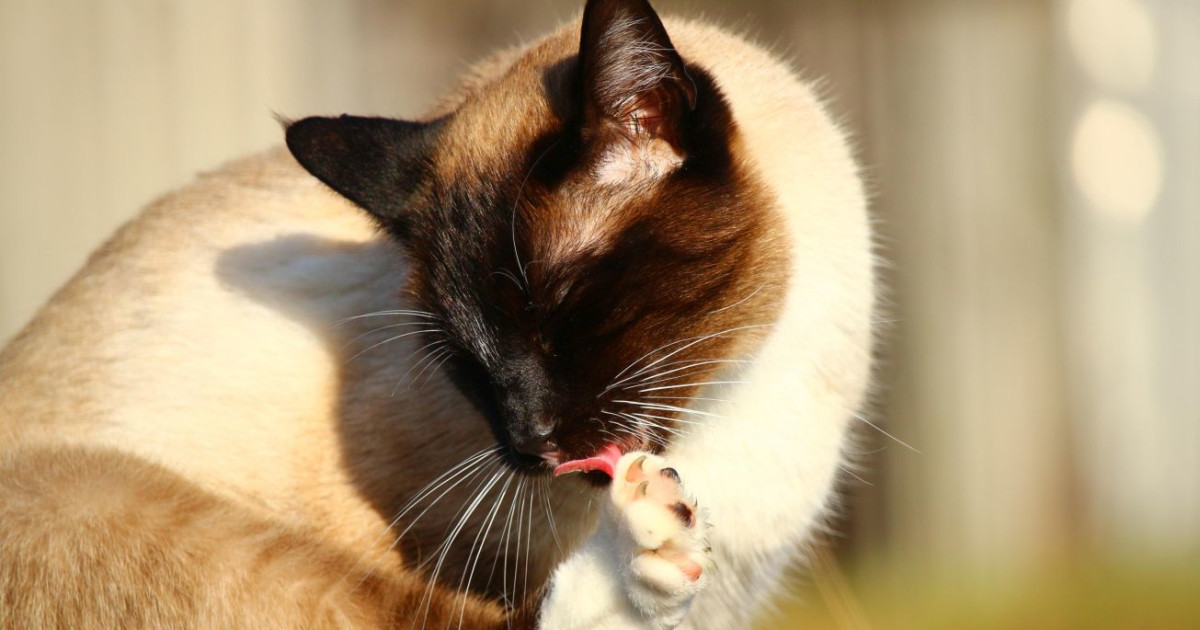
Have you ever watched your cat grooming and wondered if they actually spit on themselves? It sounds strange, right?
Cats are known for being clean and careful about their fur. But is there a chance they use their spit in a way that might surprise you? If you want to understand what really happens when your cat cleans itself, keep reading.
You’ll discover fascinating facts that will change how you see your furry friend’s grooming habits forever.
Cats And Grooming Habits
Cats spend a large part of their day grooming. This behavior keeps their fur clean and healthy. Grooming also helps cats feel calm and relaxed. It is a natural habit that starts when they are kittens. Understanding how cats groom reveals why saliva plays a crucial role.
How Cats Clean Themselves
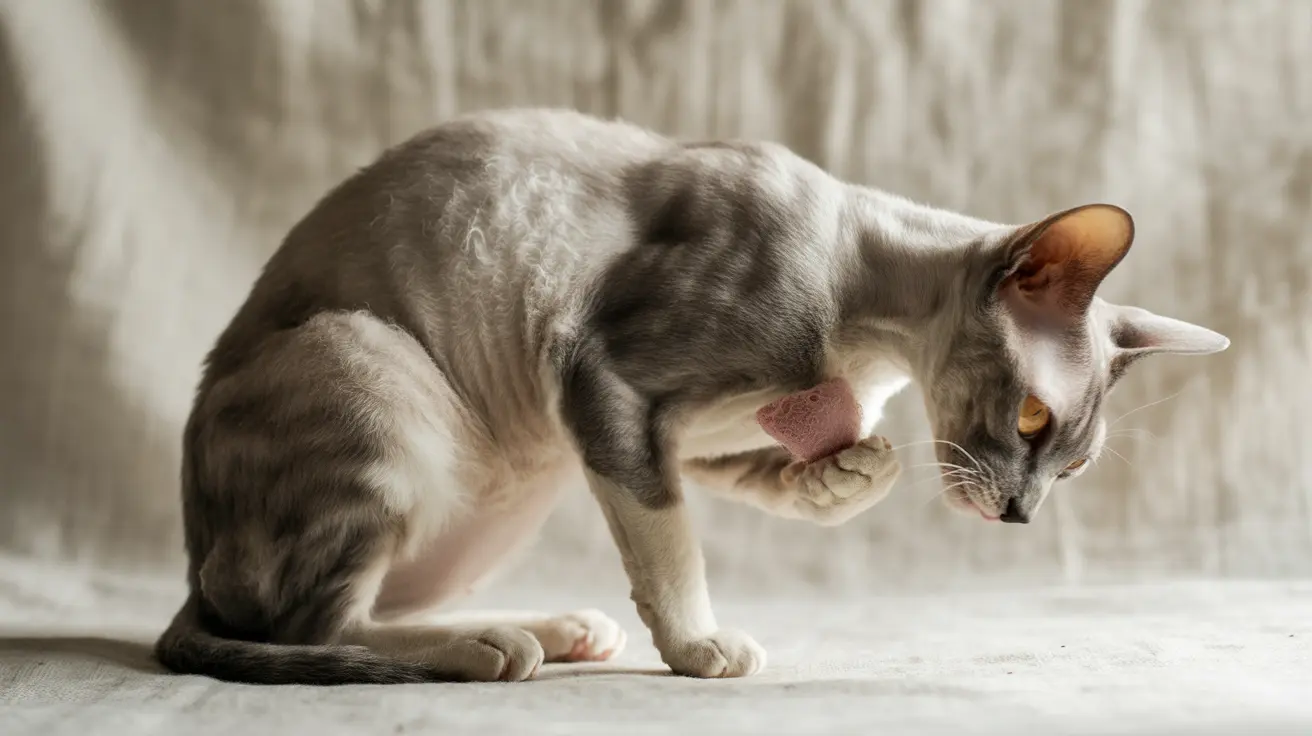
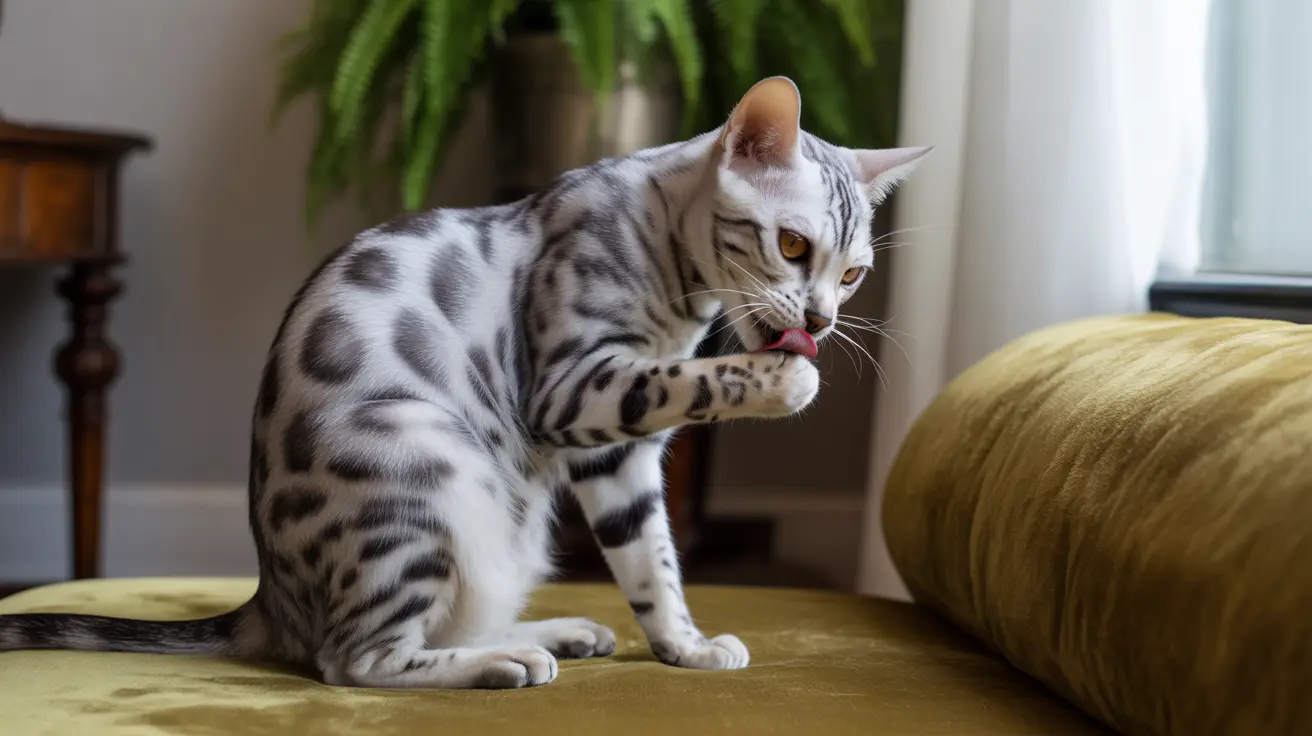
Cats use their tongues to clean their fur. Their tongues have tiny, hook-shaped structures called papillae. These hooks help remove dirt and loose fur. Cats lick their coat in long, careful strokes. They reach hard-to-access areas by twisting their bodies. Grooming removes parasites and spreads natural oils across the fur.
Role Of Saliva In Grooming
Saliva is essential for a cat’s grooming process. It moistens the fur, making dirt easier to remove. Saliva contains enzymes that help break down oils and grime. When cats lick themselves, they spread saliva evenly. This action also cools their body and aids in scent marking. Saliva acts like a natural cleaner and conditioner for their coat.
Do Cats Spit While Grooming?
Cats are known for their fastidious grooming habits. Many pet owners wonder if cats spit while cleaning themselves. This question arises because cats use their tongues and sometimes make sounds during grooming. Understanding their behavior helps clear up confusion about how cats keep clean.
Common Misconceptions
Many people think cats spit while grooming. This idea comes from seeing cats lick their fur quickly and hearing some noises. The sounds might seem like spitting but are not. Cats do not produce saliva forcefully like spitting. Instead, they use their tongues gently to clean.
Another misconception is that cats spray saliva to clean hard-to-reach spots. Cats rely on their tongues and paws, not saliva spraying. This helps them stay clean without needing to spit or spray saliva.
Actual Grooming Behavior
Cats use their rough tongues to remove dirt and loose fur. Their tongues have tiny, hook-like structures called papillae. These help catch loose hair and dirt efficiently. Cats lick their fur in a rhythmic motion, spreading saliva evenly.
The saliva moistens fur, making it easier to clean. It also helps cool cats down and remove scents from their bodies. Cats sometimes pause to bite small knots or dirt. This is part of their normal cleaning routine, not spitting.
Why Saliva Is Important For Cats
Saliva helps cats clean their fur and remove dirt. It also cools them down and keeps their skin healthy. Cats use saliva as a natural tool while grooming themselves.
Cats are fascinating creatures, often seen indulging in their grooming rituals with great dedication. You might wonder why they spend so much time licking themselves. The answer lies in the importance of saliva. This seemingly simple act plays a vital role in their daily life, ensuring their well-being and comfort.Moisturizing And Cleaning Fur
Saliva acts as a natural moisturizer for your cat’s fur. When a cat grooms itself, the saliva helps to distribute natural oils across its coat. This keeps the fur soft and shiny, preventing it from becoming dry and brittle. Regular grooming with saliva also helps in cleaning their fur. It removes dirt, debris, and loose hair. If you’ve ever noticed your cat meticulously licking after a dusty adventure, it’s their way of staying clean without needing a bath.Cooling Effect And Scent Marking
Cats also use saliva to regulate their body temperature. On hot days, the evaporating saliva provides a cooling effect, much like sweating does for humans. This process is crucial for cats, especially since they have limited sweat glands. Beyond temperature control, grooming serves as a method of scent marking. When a cat licks itself, it transfers its unique scent onto its body. This not only marks their territory but also provides a sense of security and familiarity. Have you ever noticed your cat grooming after being petted by someone else? It’s their way of reclaiming their scent. Understanding these aspects of your cat’s grooming habits can offer a deeper appreciation for their behavior. Next time you see your feline friend in a grooming session, you’ll know it’s not just about being clean—it’s about comfort, health, and a bit of personal scent branding.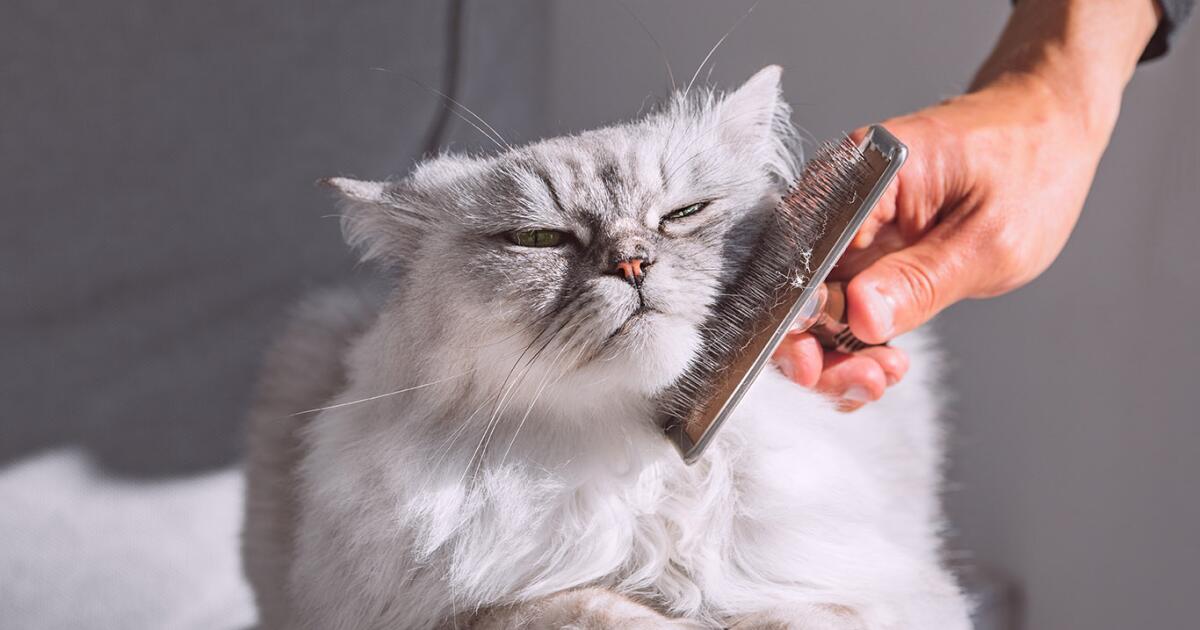
Credit: www.latimes.com
Signs Of Grooming Problems
Recognizing signs of grooming problems in your cat is crucial for their health and happiness. Cats are usually meticulous groomers, so changes in their grooming habits can signal discomfort or illness. Paying attention to these signs helps you intervene early and ensure your furry friend stays in good shape.
Excessive Salivation Or Drooling
If you notice your cat drooling more than usual during grooming, it might be a red flag. Excessive salivation can indicate dental issues, nausea, or oral pain that makes grooming uncomfortable. Have you ever seen your cat’s chin or fur around the mouth wet and sticky after licking? That’s a sign you should check their teeth or visit the vet.
Sometimes, drooling happens because your cat is stressed or anxious. Are there new changes in your home that could be unsettling them? Watch closely if the drooling persists alongside other unusual behaviors.
Skin Irritation And Fur Issues
Look out for redness, swelling, or bald patches on your cat’s skin. These can mean your cat is over-grooming a specific spot due to irritation or allergies. When your cat’s fur looks dull, matted, or patchy, it’s often a sign that grooming isn’t happening properly.
I once saw a cat repeatedly licking one paw until it became raw. The owner thought it was just a habit but later found out it was due to a small injury. Could your cat be trying to tell you something similar? Check for fleas, infections, or other skin problems that might be causing discomfort.
- Notice if your cat avoids grooming certain areas.
- Observe if the fur is clumping or falling out.
- Watch for scratching or biting at the skin.
By catching these signs early, you can help your cat get the care they need and keep their grooming routine healthy and comfortable.
Tips For Supporting Your Cat’s Grooming
Supporting your cat’s grooming helps keep their coat clean and healthy. Cats groom themselves, but some need extra care. Regular attention prevents mats, skin problems, and discomfort. Gentle grooming also builds trust and comfort between you and your cat.
Regular Brushing
Brushing removes loose fur and dirt. It stops hairballs by reducing swallowed fur. Use a brush made for your cat’s fur type. Brush gently to avoid hurting their skin. Short-haired cats need brushing once or twice a week. Long-haired cats need daily brushing to prevent tangles.
Monitoring Health And Hygiene
Check your cat’s skin and coat often. Look for redness, bumps, or bald spots. Watch for changes in grooming habits or bad odors. These signs can mean health issues. Keep your cat’s ears, eyes, and teeth clean. Regular vet visits help catch problems early. Good hygiene supports your cat’s overall well-being.
Credit: www.petscare.com
Credit: www.petscare.com
Frequently Asked Questions
Do Cats Spit While Grooming Themselves?
Cats do not spit while grooming. They use their tongue to lick and clean their fur. Their saliva helps remove dirt and loose hair.
Why Do Cats Use Saliva When Grooming?
Cats’ saliva contains enzymes that clean and disinfect their fur. Licking spreads these enzymes, keeping their coat healthy and free of parasites.
Can Cats’ Saliva Harm Their Skin During Grooming?
No, cats’ saliva is generally safe for their skin. It helps heal minor wounds and prevents infections while grooming.
How Often Do Cats Groom Themselves Daily?
Cats groom themselves several times a day, spending up to 50% of their waking hours cleaning their fur. This keeps them clean and comfortable.
Conclusion
Cats do not spit on themselves while grooming. They use their tongue to clean fur and remove dirt. Their tongues have tiny hooks that help catch loose hair. This natural process keeps cats clean and healthy. Grooming also helps cats feel calm and relaxed.
Understanding this behavior helps you care for your pet better. Cats rely on grooming to stay comfortable and tidy. It is a key part of their daily routine. Watching a cat groom can be quite fascinating. Simple, natural, and effective.



Leave a Reply