Grooming your cat is an important part of keeping her healthy and happy. But sometimes, your furry friend might need a little extra help with medication to make the process easier.
You might be wondering, “How do I medicate my cat to groom her without causing stress or struggle? ” You’re not alone. Many cat owners face this challenge and want to find simple, safe ways to care for their pets.
You’ll discover easy tips and tricks to give your cat medication during grooming, making the experience smoother for both of you. Keep reading to learn how to turn grooming time into a calm and positive moment for your beloved cat.
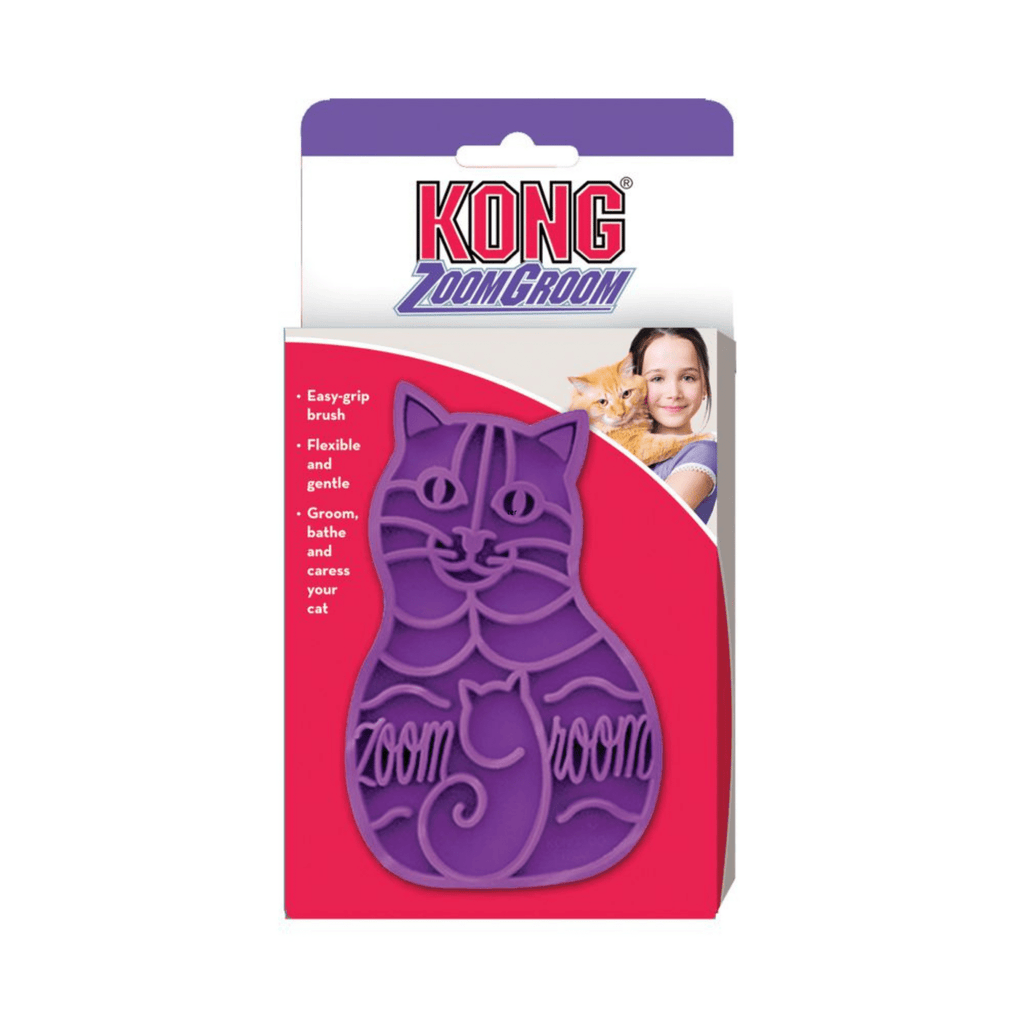
Credit: pdsapetstore.org.uk
Choosing The Right Medication
Choosing the right medication to help groom your cat is a crucial step in keeping her healthy and comfortable. Not all grooming challenges require the same treatment, so understanding what options are available can make a big difference. You want to pick something that addresses the specific needs of your cat without causing harm or stress.
Types Of Medications For Grooming
There are several types of medications designed to support your cat’s grooming routine. These include:
- Topical treatments:Shampoos, conditioners, and sprays that soothe the skin or help remove mats.
- Oral supplements:Vitamins and fatty acids that improve coat health from the inside out.
- Medicated creams or ointments:Used for skin irritations or infections that interfere with grooming.
- Flea and tick medications:These are essential if your cat’s scratching and grooming issues are caused by pests.
Which type will work best depends on your cat’s specific grooming challenges. Have you noticed if your cat’s coat is dull, or is she struggling with itching?
Consulting Your Veterinarian
Your vet is the best person to guide you in choosing the right medication. They can diagnose underlying issues that affect grooming, such as allergies or skin infections. Never guess or use human products, as these can be harmful to your cat.
When I asked my vet about my cat’s constant licking and bald spots, she recommended a gentle medicated shampoo and a supplement to improve skin health. That combination made a noticeable difference in just a few weeks.
Have you considered discussing your cat’s grooming problems with a professional to avoid unnecessary risks?
Safety Considerations
Safety should always come first when medicating your cat for grooming. Read labels carefully and follow dosage instructions exactly. Some medications can cause side effects or interact with other treatments your cat might be on.
Avoid using too much product or applying it too frequently. Always watch your cat for any signs of discomfort or allergic reactions after applying medication.
Remember, what works for one cat might not work for another. Are you prepared to monitor your cat closely and adjust the treatment as needed?
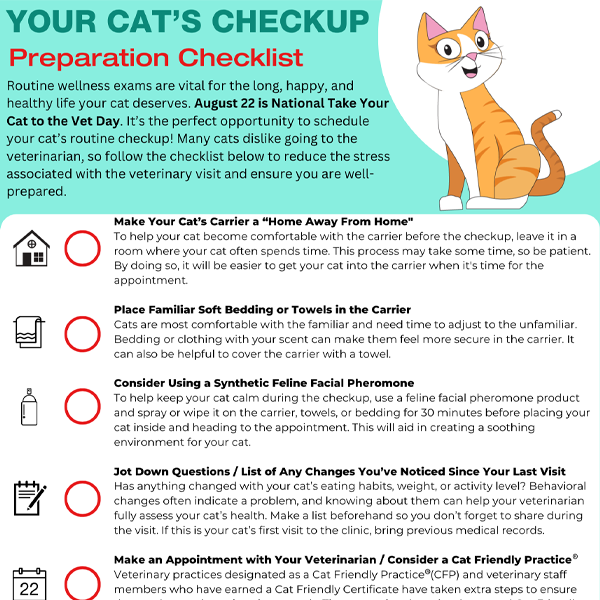
Credit: catfriendly.com
Preparing Your Cat
Preparing your cat for medication during grooming is crucial. A calm and patient approach helps your cat feel safe and cooperative. Preparation reduces stress and makes the process easier for both of you.
Creating A Calm Environment
Choose a quiet room with minimal noise. Turn off loud appliances and close windows to block outside sounds. Soft lighting helps your cat stay relaxed. Avoid sudden movements and keep your voice gentle and soothing.
Acclimating Your Cat To Handling
Start by gently touching your cat’s paws, ears, and face without applying medicine. Do this for a few minutes each day. Use treats to reward calm behavior. Slowly increase the time and areas you touch. This helps your cat get used to being handled during grooming.
Gathering Necessary Supplies
Have all medication and grooming tools ready before you begin. This includes:
- Medicated shampoo or ointment
- Soft towels
- Gloves for your protection
- A small bowl of water
- Treats to reward your cat
Keep everything within reach to avoid leaving your cat alone during grooming.
Administering Medication
Gently hold your cat and offer the medication with a treat or soft food. Use a calm voice and quick motions to avoid stress. Reward your cat after giving medicine to create a positive experience.
Administering medication to your cat requires patience and care. Ensuring your feline friend stays calm is crucial. The right approach can make the process less stressful for both of you. Here are some effective ways to medicate your cat safely and efficiently.Techniques For Oral Medication
Administering oral medication can be tricky. Use a pill pocket to hide the pill. You can also crush the pill and mix it with food. Ensure your cat eats the entire portion. Liquid medicine can be given using a syringe. Gently hold your cat’s head and squirt the liquid in the side of the mouth. Always follow your vet’s instructions for dosage and frequency.Using Topical Treatments
Topical treatments require a different approach. Apply the medication directly to the skin. Part your cat’s fur to expose the skin. Use gloves to avoid contact. Apply the medication as per the instructions. Ensure the area is dry and clean before application. Keep your cat from licking the area. Distraction with a treat or toy can help.Dealing With Resistance
Cats often resist medication. Stay calm and gentle to reduce stress. Wrap your cat in a towel if needed. This technique keeps your cat secure. Speak in a soothing voice to reassure them. Use treats as a reward after giving medication. Positive reinforcement can ease future attempts. Patience and practice will improve the experience over time.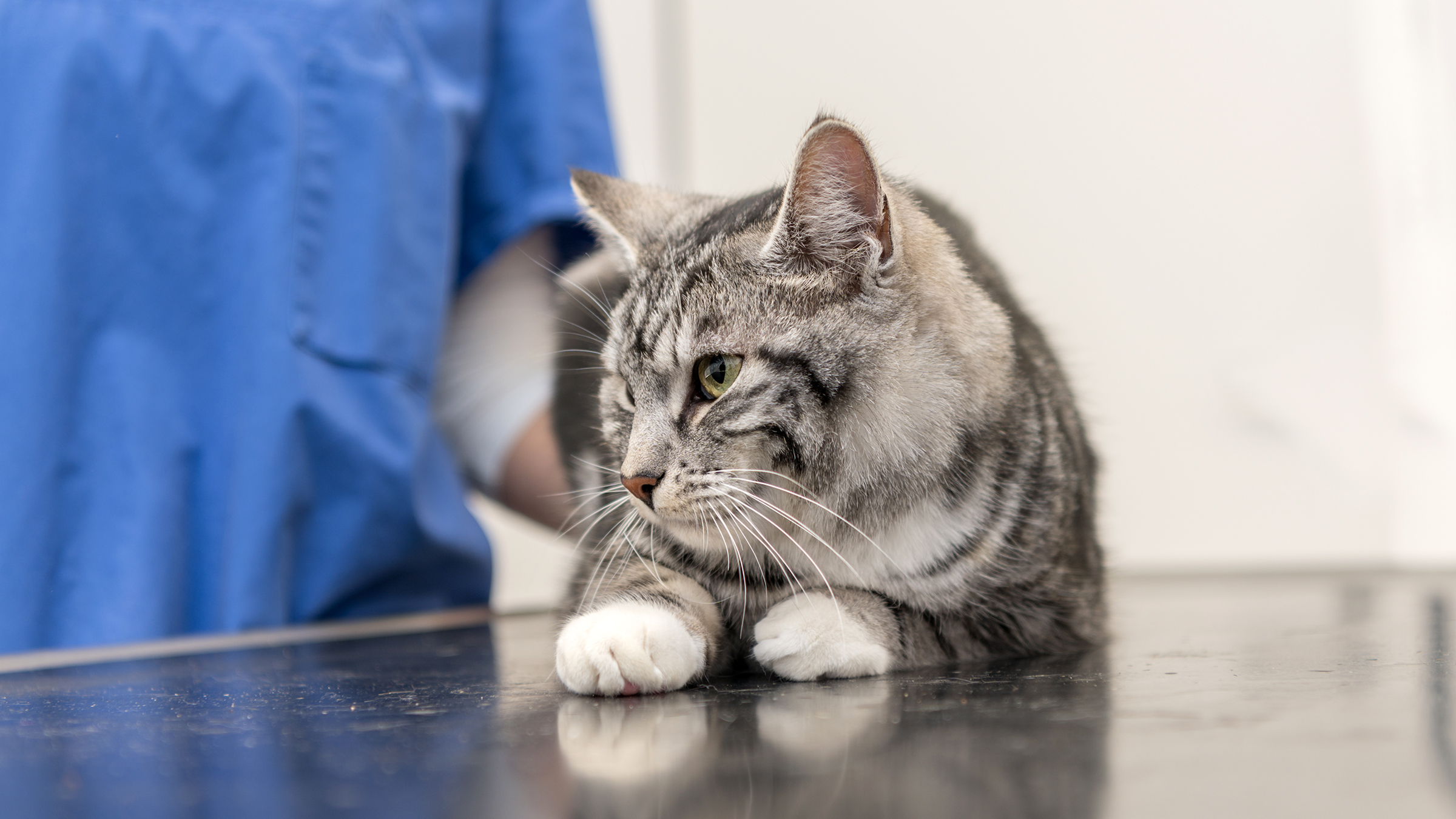
Credit: www.goodrx.com
Grooming During Medication
Grooming your cat while she is on medication requires extra care and attention. Medications can sometimes affect your cat’s skin, coat, and overall comfort. Adjusting your grooming routine helps keep her calm and supports her healing process.
Brushing And Combing Tips
Choose a gentle brush or comb to avoid irritating sensitive skin. Soft-bristle brushes work well for cats on medication because they clean without scratching.
Brush slowly and watch for any signs of discomfort. If your cat flinches or pulls away, stop and try a lighter touch next time. This gentle approach helps maintain your cat’s trust during a vulnerable time.
Pay special attention to areas where the medication might cause dryness or flakiness. Regular brushing can help distribute natural oils and keep the coat healthy. Have you noticed any changes in your cat’s fur texture since starting medication?
Bathing Safely While Medicated
Bathing should be limited and done only if necessary when your cat is medicated. Use lukewarm water and mild, hypoallergenic shampoos designed for cats.
Rinse thoroughly to remove all shampoo residue, as leftover chemicals can irritate sensitive skin. Avoid using any products with strong scents or harsh chemicals that could interfere with the medication’s effects.
Keep the bath short to reduce stress. After bathing, dry your cat gently with a soft towel and keep her warm. Has your cat shown signs of stress during baths in the past? Consider calming techniques like gentle talking or treats to ease the experience.
Monitoring Skin And Coat Health
Regularly check your cat’s skin for redness, swelling, or unusual dryness while she is on medication. These signs might indicate a reaction to the medication or the need for a grooming adjustment.
Keep a grooming log to track changes in your cat’s coat condition. Note any patches of hair loss or excessive scratching. Sharing this information with your vet can help adjust treatment and prevent further issues.
Healthy skin and a shiny coat often reflect how well your cat is responding to medication. Are you noticing improvements or new concerns? Your observations can make a big difference in your cat’s recovery journey.
Post-medication Care
Post-medication care is important to keep your cat safe and comfortable after grooming treatments. It helps you notice any changes and adjust your care routine. Careful attention during this time supports your cat’s health and fur condition.
Recognizing Side Effects
Watch your cat closely after medication. Look for signs like:
- Vomiting or diarrhea
- Excessive scratching or redness
- Swelling or lumps on the skin
- Changes in behavior or appetite
These signs may mean your cat needs help. Early detection prevents problems from getting worse.
Adjusting Grooming Routine
Modify brushing and bathing based on your cat’s condition. Use gentle strokes and avoid sensitive areas. Give your cat breaks during grooming to reduce stress. Keep nails trimmed to prevent accidental scratches.
Choose mild shampoos and avoid harsh chemicals. Clean grooming tools regularly to prevent infections. Adjust the frequency of grooming to suit your cat’s comfort and medication effects.
When To Seek Veterinary Help
Contact your vet if your cat shows serious side effects. These include difficulty breathing, swelling, or severe lethargy. Also seek help if your cat refuses food or water for more than a day.
Don’t wait if symptoms worsen or new problems appear. Timely veterinary care ensures your cat recovers quickly and safely.
Frequently Asked Questions
How Do I Safely Medicate My Cat For Grooming?
Use vet-prescribed medication only. Follow dosage instructions precisely. Avoid human medicines. Monitor your cat for side effects during grooming.
What Medications Help Calm Cats During Grooming?
Veterinarians may recommend mild sedatives or anti-anxiety meds. These reduce stress and make grooming easier. Always consult your vet first.
Can I Use Topical Treatments To Ease Grooming?
Yes, topical sprays or shampoos with calming ingredients help relax your cat. They also make fur easier to manage during grooming.
How Often Should I Medicate My Cat For Grooming?
Medication frequency depends on your cat’s stress level and vet advice. Avoid overmedicating and use only when necessary to ensure safety.
Conclusion
Medication helps keep your cat healthy during grooming. Always follow your vet’s advice carefully. Use the right medicine and dose for your cat. Stay calm and gentle to avoid stress. Watch your cat for any side effects. Regular grooming and care make a big difference.
Your cat will feel better and look great. Patience and love go a long way. Take small steps and be consistent every day. Caring for your cat is a simple act of kindness.

Leave a Reply