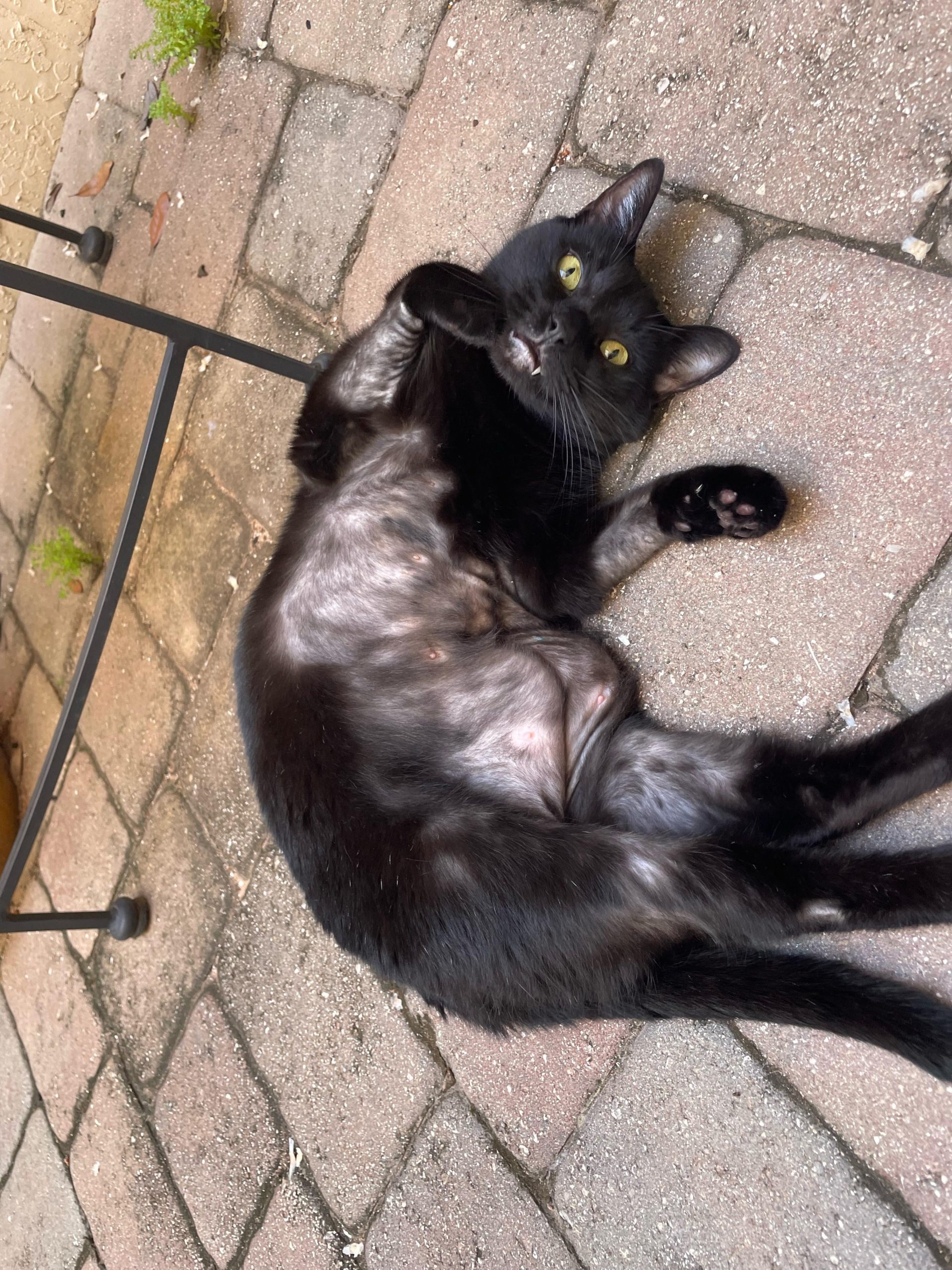
Have you ever noticed your cat suddenly stop grooming itself? It might seem like a small change, but it can tell you a lot about your furry friend’s health and happiness.
When your cat stops grooming, it could mean something is wrong—either physically or emotionally. Understanding why this happens can help you spot problems early and keep your cat feeling its best. Keep reading to discover the surprising reasons behind this behavior and what you can do to help your cat start grooming again.
Credit: www.latimes.com
Signs Of Grooming Changes
Noticing a change in your cat’s grooming habits can signal health or emotional issues. Cats usually keep themselves clean and neat. A sudden stop or change in grooming is a red flag. It is important to recognize early signs to help your cat stay healthy and happy.
Behavioral Shifts To Watch
- Your cat may hide more than usual.
- Look for increased irritability or aggression.
- Watch for less activity or playfulness.
- Notice if your cat avoids being touched.
- Changes in appetite or sleeping patterns can appear.
Physical Clues On Your Cat
- Check for matted or greasy fur.
- Look for bald spots or patches of missing hair.
- Watch for skin redness, sores, or scabs.
- Notice any unusual odor coming from your cat.
- Observe if your cat has excessive dandruff or flakes.
Credit: www.preventivevet.com
Common Health Issues
When your cat suddenly stops grooming, it often signals underlying health issues. Cats are meticulous about their cleanliness, so a drop in grooming habits can point to discomfort or illness. Understanding common health problems can help you spot trouble early and get your cat the care it needs.
Skin Problems
Skin issues can make grooming painful or irritating for your cat. Conditions like allergies, flea infestations, or fungal infections cause itching and discomfort, which may lead your cat to avoid licking certain areas.
You might notice redness, bald patches, or scabs on your cat’s coat. These signs are clues that your cat’s skin health is compromised, affecting their grooming routine. Have you checked if your cat is scratching more than usual?
Dental Pain
Dental problems are often overlooked but can severely impact your cat’s grooming behavior. If your cat has sore gums or tooth pain, moving their tongue inside the mouth becomes uncomfortable.
As a result, your cat may stop cleaning their face and head areas. Watch for signs like bad breath, drooling, or difficulty eating—these could indicate dental pain affecting grooming.
Arthritis And Mobility
Arthritis isn’t just a human issue; many older cats suffer from joint pain that limits their movement. When joints are stiff or painful, your cat might find it difficult to reach certain parts of their body to groom properly.
This can lead to a messy or unkempt coat. Have you noticed your cat struggling to jump or stretch? Mobility problems could be the hidden reason behind their reduced grooming.
Emotional And Environmental Factors
Cats are known for their grooming habits. But sometimes, they stop grooming. Emotional and environmental factors often play a role. Understanding these can help address the issue.
Stress And Anxiety
Stress affects a cat’s grooming habits. A noisy home can make a cat anxious. Loud sounds or sudden changes might stress them out. They might stop grooming due to anxiety.
Changes In Surroundings
Changes in a cat’s environment can disrupt grooming. Moving to a new home or rearranging furniture can be unsettling. A new pet or family member can also impact their routine. Cats thrive on stability and routine.
Lack Of Social Interaction
Cats need social interaction for mental well-being. Isolation can lead to neglecting grooming. A lack of playtime or affection affects their mood. Engaging with your cat can help them feel secure. This might encourage them to groom again.

Credit: tryfurgo.com
Impact Of Aging
As cats age, their grooming habits often change. Aging affects their body and mind, which can reduce their self-care routines. Understanding these changes helps explain why an older cat might stop grooming.
Reduced Energy Levels
Older cats usually have less energy than younger ones. Their muscles may become weaker, making it hard to reach all parts of their body. Grooming takes effort, and tired cats may skip it. This lack of grooming can cause their fur to look dull and messy.
Cognitive Decline
With age, a cat’s brain may not work as well as before. Memory and awareness can fade. This can make cats forget to groom or not realize they need to clean themselves. Cognitive decline may also cause confusion, leading to less interest in grooming activities.
Behavioral Causes
Behavioral causes often explain why a cat stops grooming. Cats use grooming to stay clean and calm. Changes in behavior can disrupt this habit. Stress, fear, or trauma can affect a cat’s grooming routine. Understanding these reasons helps in caring for your cat better.
Overgrooming Leading To Avoidance
Some cats groom too much. This overgrooming can cause sore skin or hair loss. When grooming hurts, cats may stop grooming altogether. They avoid touching painful areas to prevent discomfort. Overgrooming often signals stress or anxiety. Spotting this behavior early can prevent more problems.
Fear Or Trauma
Fear can make cats stop grooming. Traumatic events like loud noises or rough handling create fear. A scared cat may hide and stop grooming. Grooming is a sign of comfort and safety. Without feeling safe, cats lose interest in self-care. Patience and gentle care help rebuild trust and grooming habits.
Solutions To Encourage Grooming
When your cat stops grooming, it’s a clear sign that something might be wrong. Addressing this behavior quickly can prevent further health issues and improve your cat’s well-being. Here are practical solutions to encourage your cat to groom itself again.
Veterinary Care And Diagnosis
The first step is to visit a vet to rule out medical problems. Cats may stop grooming due to skin infections, dental pain, or underlying illnesses like arthritis or diabetes.
Have your vet perform a thorough check-up including blood tests and skin examination. Early diagnosis can lead to effective treatment, helping your cat feel better and return to regular grooming habits.
Improving Comfort And Mobility
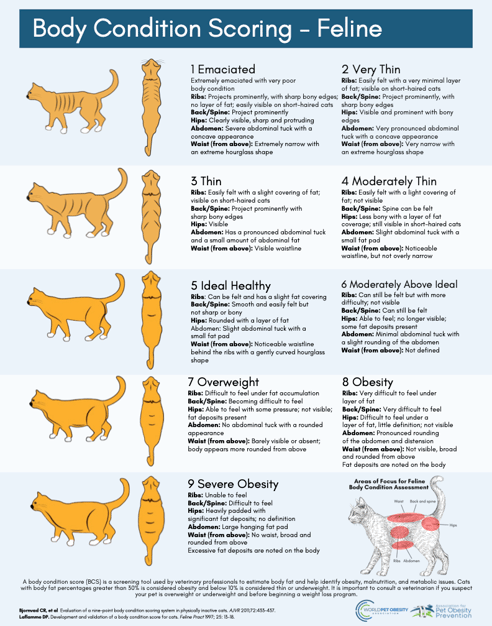
If your cat struggles to reach certain areas, mobility issues might be the cause. Arthritis or obesity can limit your cat’s ability to groom properly.
Try adding soft bedding and ramps to help your cat move around easily. Gentle daily massages or physical therapy exercises recommended by your vet can also improve flexibility and comfort.
Reducing Stress At Home
Stress can make cats avoid grooming. Changes in the environment, new pets, or loud noises might trigger anxiety.
Create a calm and secure space for your cat with cozy hiding spots and consistent routines. Using calming sprays or pheromone diffusers can help reduce stress and encourage grooming behavior.
Regular Grooming Assistance
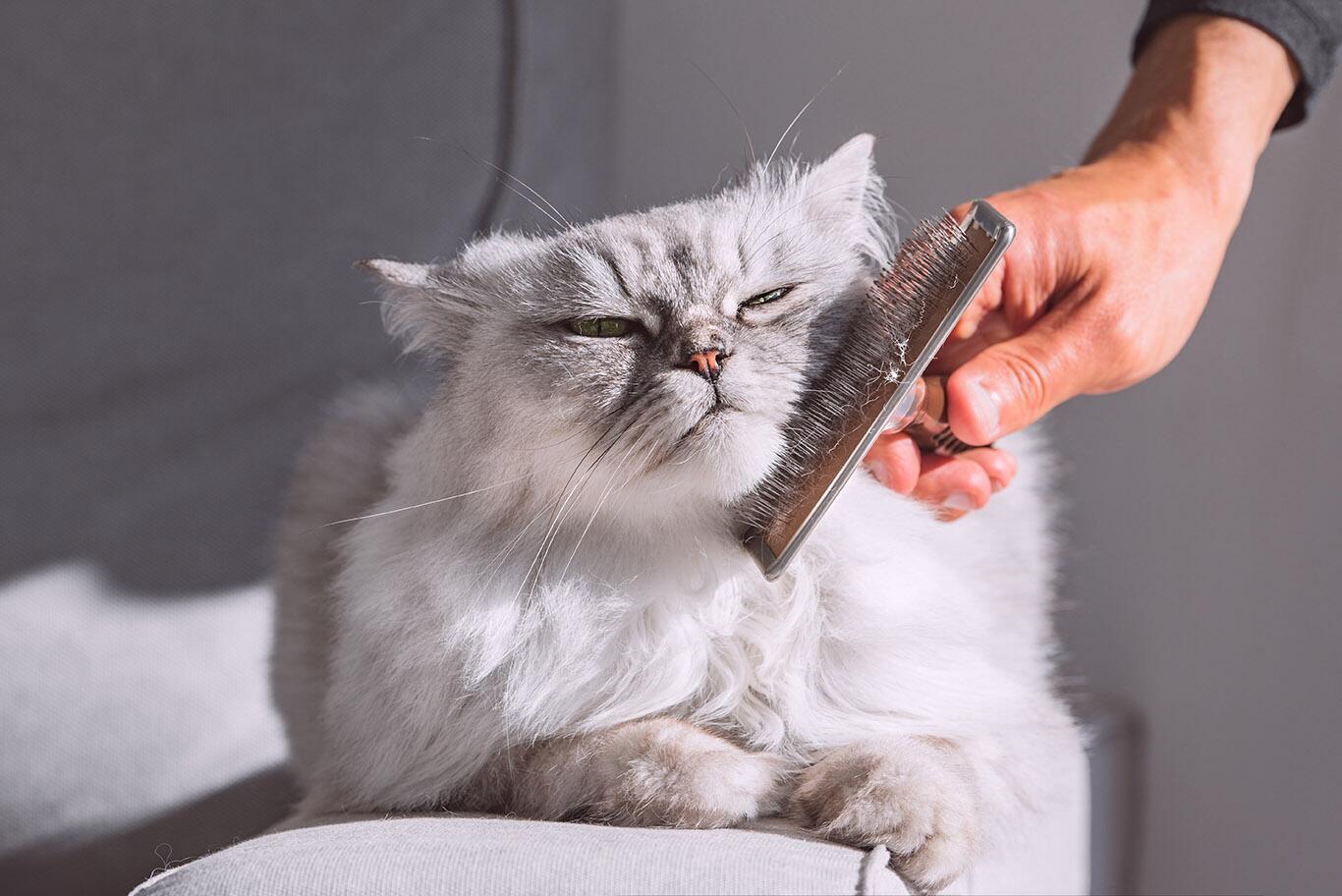
If your cat isn’t grooming well, you can step in to help. Regular brushing removes loose fur and dirt while stimulating your cat’s skin.
- Use soft brushes suited for your cat’s coat type.
- Brush gently to avoid hurting sensitive skin.
- Make grooming a positive experience with treats and praise.
Have you noticed how your cat responds to grooming? Sometimes, a little help from you can make a big difference in their comfort and happiness.
When To Seek Professional Help
Noticing that your cat has stopped grooming can be worrying. Knowing when to reach out for professional help is crucial for your cat’s health. Some signs indicate urgent care, while others need a vet’s careful evaluation to prevent serious problems.
Recognizing Critical Signs
Watch for sudden changes in your cat’s grooming habits. If your cat stops grooming and shows signs like weight loss, lethargy, or visible skin issues, these are red flags.
Other critical signs include:
- Excessive scratching or biting at the skin
- Foul odor from the coat
- Bald patches or scabs
- Swelling or unusual lumps
If you notice your cat hiding more than usual or refusing to eat, don’t wait. These symptoms often point to underlying health conditions that need immediate attention.
Working With Your Vet
Your vet is your best partner in figuring out why your cat stopped grooming. Be ready to share detailed observations about your cat’s behavior and any changes in environment or diet.
Expect the vet to perform a thorough physical exam and possibly run tests like blood work or skin scrapings. These help identify infections, allergies, or illnesses causing the grooming issue.
Ask your vet practical questions, such as:
- What treatments can improve my cat’s grooming habits?
- Are there specific products safe for my cat’s skin?
- How can I support my cat’s recovery at home?
Remember, early intervention often prevents more serious problems. Have you noticed any subtle changes in your cat’s grooming that might be worth discussing with your vet?
Frequently Asked Questions
Why Does My Cat Suddenly Stop Grooming?
Cats may stop grooming due to stress, illness, or pain. Skin infections, arthritis, or dental issues can cause discomfort. Behavioral changes or aging also impact grooming habits. Consult a vet to identify the cause and get proper treatment for your cat’s health.
Can Stress Cause A Cat To Stop Grooming?
Yes, stress can lead cats to stop grooming. Changes in environment, new pets, or loud noises cause anxiety. Stress affects their routine and reduces self-care. Addressing stressors and providing a calm space helps restore grooming behavior.
Does Illness Make Cats Stop Grooming Themselves?
Illness often causes cats to stop grooming. Conditions like infections, allergies, or parasites cause discomfort. Pain or lethargy from illness reduces grooming activity. Early veterinary care is essential to diagnose and treat the underlying health issue.
How Does Aging Affect A Cat’s Grooming Habits?
Older cats may groom less due to arthritis or decreased flexibility. They might find it painful to reach certain body parts. Cognitive decline can also reduce grooming behavior. Regular vet check-ups help manage age-related issues affecting grooming.
Conclusion
Cats stop grooming for many reasons, from stress to health problems. Watching your cat closely helps spot changes early. A vet visit can find the cause and offer treatment. Keep your cat’s environment calm and safe. Regular grooming can support their health and comfort.
Understanding why your cat stops grooming keeps them happy. Small steps make a big difference in your cat’s life. Stay patient and caring; your cat needs you.

Leave a Reply