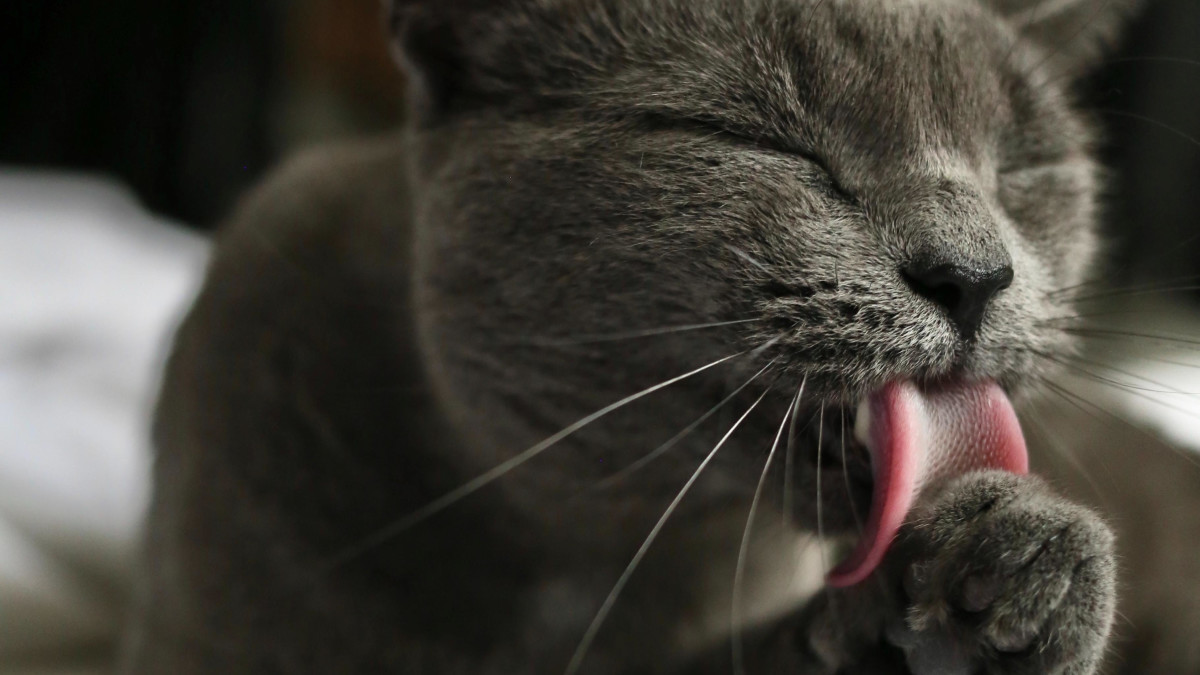
If you’ve noticed your cat throwing up and grooming more than usual, you’re probably worried and wondering what’s going on. These behaviors can be signs that something isn’t quite right with your furry friend.
Understanding why your cat acts this way can help you take the right steps to keep them healthy and happy. You’ll discover the common reasons behind these symptoms and learn what you can do to help your cat feel better.
Keep reading to find out what might be causing your cat’s upset stomach and excessive grooming.
Common Reasons For Cat Vomiting
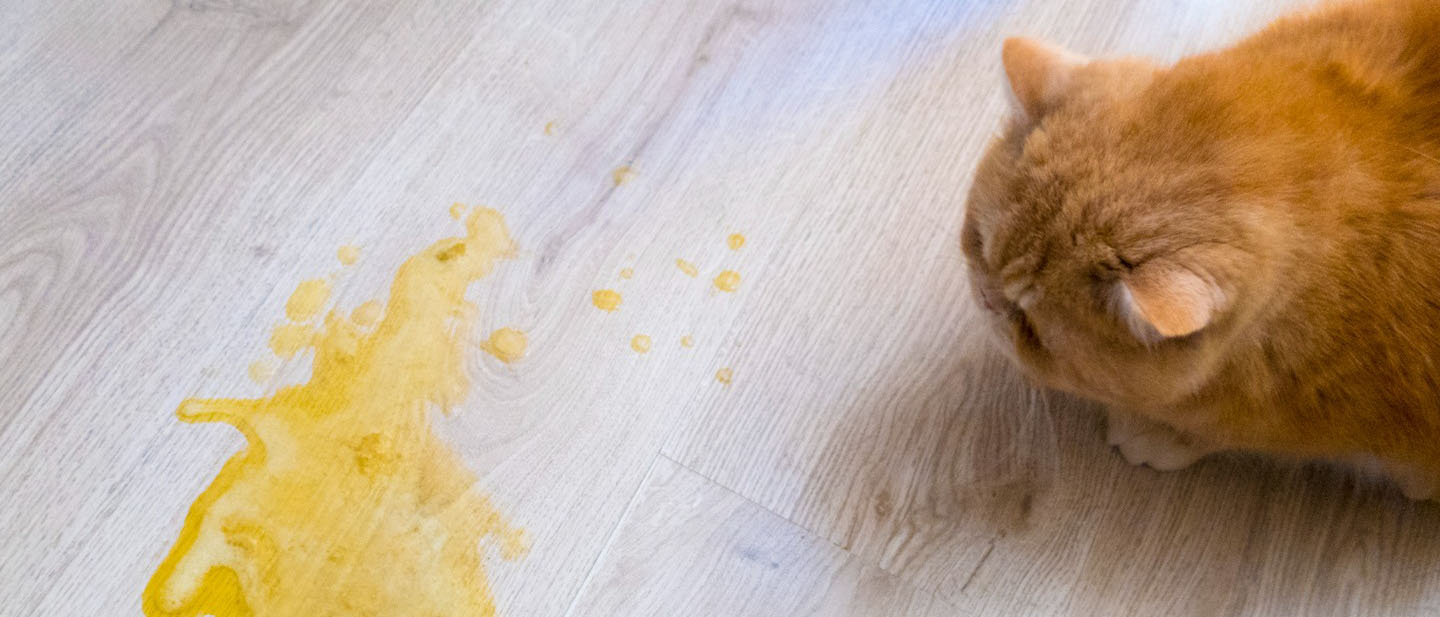
Noticing your cat vomiting can be worrying, especially when paired with excessive grooming. Understanding why your cat is throwing up is essential to keep them healthy and comfortable. Several common reasons might explain this behavior, and knowing these can help you take timely action.
Dietary Issues
Sudden changes in your cat’s diet often lead to vomiting. Cats have sensitive stomachs, so introducing new food too quickly can cause nausea or upset. Overeating or eating too fast can also trigger vomiting—have you noticed your cat gobbling food down?
Hairballs And Grooming
When cats groom themselves, they swallow loose fur that sometimes forms hairballs. These hairballs can irritate their stomach and cause them to vomit. If your cat grooms excessively and then throws up, hairballs might be the culprit.
Infections And Illnesses
Vomiting can signal infections like stomach bugs or more serious illnesses such as kidney or liver disease. If your cat shows other symptoms like lethargy or loss of appetite, it’s time for a vet visit. Early diagnosis can make a big difference in treatment.
Food Allergies And Sensitivities
Your cat might be allergic or sensitive to certain ingredients in their food, causing vomiting and discomfort. Common offenders include dairy, grains, or specific proteins. Have you observed if vomiting happens after eating a particular meal?
Toxin Ingestion
Cats are curious creatures and may accidentally swallow toxic substances like plants, chemicals, or human medications. Vomiting is often one of the first signs of poisoning. If you suspect your cat ingested something harmful, contact your vet immediately.
Credit: www.whiskas.com.ph
Why Cats Groom Excessively
Excessive grooming in cats can be puzzling and concerning. You might notice your furry friend licking or biting themselves more than usual, sometimes leading to hair loss or red skin. Understanding why your cat is grooming excessively is key to helping them feel better and preventing further issues.
Stress And Anxiety
Cats often groom to calm themselves when they feel stressed or anxious. Changes in their environment, like moving to a new home or adding a new pet, can trigger this behavior. Have you noticed your cat grooming more after a big change? This could be their way of coping with uncertainty.
Excessive grooming due to stress can create a cycle, where the cat grooms so much it causes discomfort, which in turn increases anxiety. Observing your cat’s behavior closely can help you spot stress triggers early. Simple changes like creating a quiet space or using calming sprays may reduce this grooming habit.
Skin Irritations
Skin problems often cause cats to groom more than usual. Allergies, dry skin, or wounds can make your cat lick and scratch persistently to soothe the irritation. If your cat’s grooming leaves bald patches or red spots, it’s a clear sign something is wrong.
Checking your cat’s skin regularly helps catch issues before they worsen. You might notice flaky skin or small bumps that explain their excessive grooming. A visit to your vet can identify allergies or infections that need treatment.
Parasites
Fleas, mites, and ticks are common culprits behind excessive grooming. These parasites cause itching and discomfort, pushing your cat to lick and bite at their fur. Even if you don’t see bugs, your cat’s behavior might be telling you they’re there.
Parasite infestations can quickly worsen if left untreated. Regular flea prevention and checking your cat’s coat can keep these pests away. If you suspect parasites, a vet visit is essential to get the right treatment.
Boredom And Behavioral Causes
Sometimes, your cat might groom excessively simply because they’re bored. Without enough mental or physical stimulation, cats can develop compulsive grooming habits. Think about your cat’s daily routine—do they get enough playtime and interaction?
Adding new toys, play sessions, or even puzzle feeders can redirect your cat’s energy. This helps reduce boredom-induced grooming and improves their overall happiness. Have you tried changing up your cat’s environment to see if it helps?
Link Between Vomiting And Grooming
Cats may vomit due to hairballs formed during grooming. Excessive licking can cause stomach upset and lead to throwing up. Observing both behaviors helps understand your cat’s health better.
Cats often groom themselves meticulously, which is a natural behavior. But sometimes, this habit leads to vomiting. Understanding the link between grooming and vomiting can help pet owners address the issue more effectively. Let’s explore this connection further.Hairball Formation
Cats have tiny hook-like structures on their tongues. These help them remove loose fur while grooming. Over time, this fur accumulates in their stomach, forming hairballs. If a cat doesn’t expel these hairballs through vomiting, they might cause blockages. Regular grooming can minimize hairball formation.Gastrointestinal Discomfort
Frequent vomiting may indicate gastrointestinal issues. Excessive grooming might be a response to stomach discomfort. Cats often lick their fur more when they feel unwell. This could lead to more hair ingestion and vomiting. Identifying the root cause of discomfort is essential for treatment.Allergic Reactions
Allergies can cause cats to groom excessively. This over-grooming can lead to more hairballs and vomiting. Allergens in their environment or food might be the culprits. Observing changes in behavior or diet can help pinpoint the allergen. Reducing exposure to allergens may alleviate symptoms.Quick Remedies For Vomiting Cats
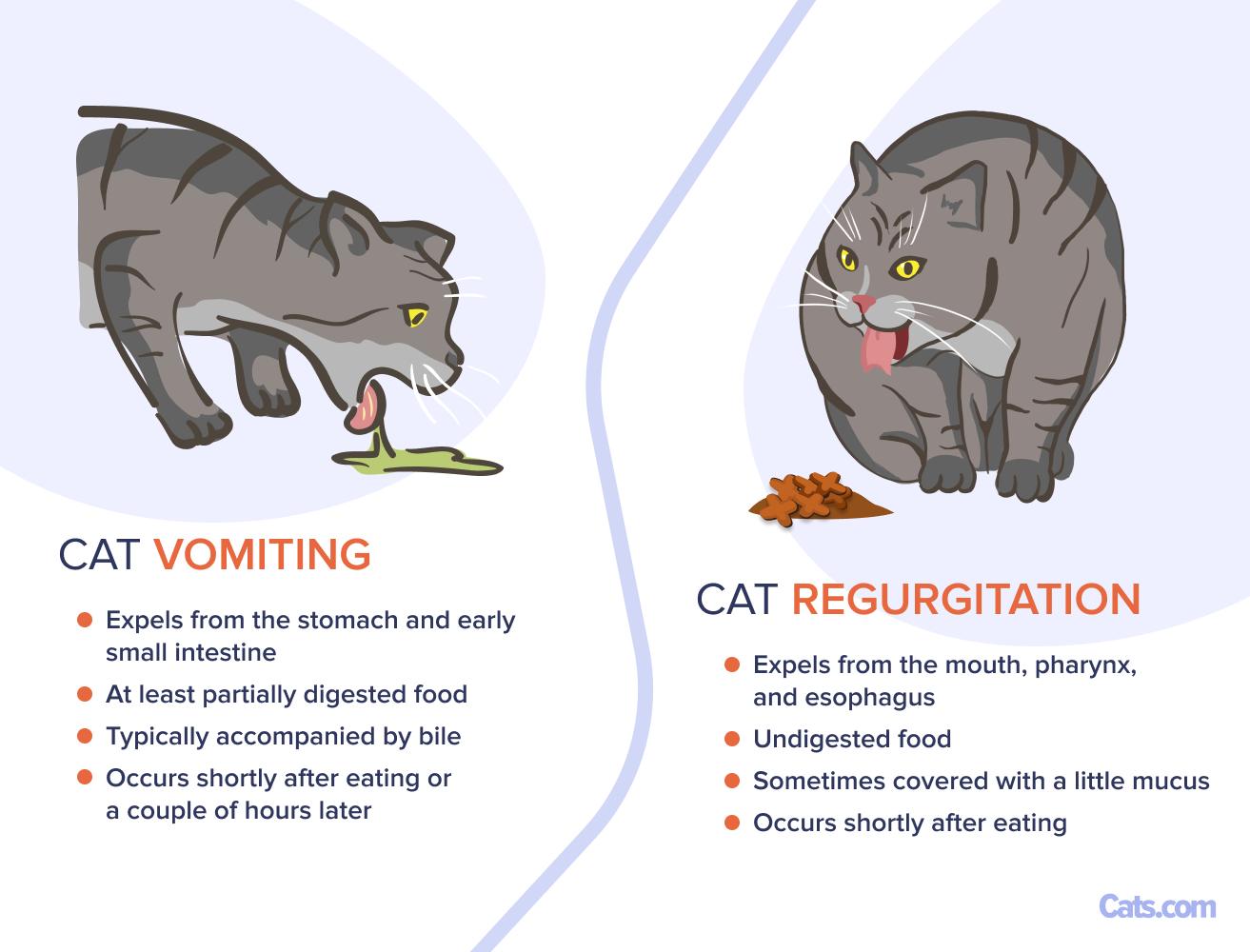
Seeing your cat vomit can be worrying, but there are several quick remedies you can try at home to ease their discomfort. Vomiting paired with frequent grooming often points to hairballs, but diet and hydration also play key roles. Let’s look at practical ways to help your cat feel better fast.
Diet Adjustments
Changing what and how you feed your cat can reduce vomiting. Try offering smaller, more frequent meals instead of one or two large ones. This helps prevent their stomach from getting too empty or too full, both of which can trigger vomiting.
Switching to a high-quality, easily digestible cat food might also help. Some cats react poorly to certain ingredients, so choosing a formula with limited ingredients or grain-free options can make a big difference. Have you noticed if your cat vomits after eating certain foods?
Hydration Tips
Dehydration can worsen vomiting and make your cat feel even worse. Encourage your cat to drink more water by placing multiple water bowls around the house. You can also try offering wet food, which contains more moisture than dry kibble.
Adding a bit of low-sodium broth or tuna juice to their water bowl might tempt them to drink more. Keep an eye on how much water your cat is drinking because even mild dehydration can cause problems.
Hairball Control Products
Hairballs are a common cause of vomiting in cats who groom a lot. Using hairball control products such as specialized treats, lubricating gels, or supplements can help your cat pass hair more easily. These products often contain ingredients like petroleum or natural oils to soothe the digestive tract.
I once tried a hairball gel for my cat who vomited frequently after grooming sessions. Within a week, the vomiting reduced noticeably. Have you tried any hairball remedies with your cat, and how did they work?
When To Visit The Vet
If vomiting continues for more than 24 hours, or if your cat shows other symptoms like lethargy, diarrhea, or loss of appetite, it’s time to see a vet. Persistent vomiting can signal underlying health issues that require professional treatment.
Don’t wait if you notice blood in the vomit or if your cat seems in distress. Early intervention can prevent more serious problems and help your cat recover faster.
Managing Excessive Grooming
Excessive grooming in cats can cause skin damage and stress. Managing this behavior helps protect your cat’s health and comfort. Understanding the causes and solutions is key to reducing grooming problems.
Reducing Stress
Stress often triggers over-grooming in cats. Create a calm environment with quiet spaces and routine. Spend time playing gently to help your cat relax. Avoid sudden changes that may upset your cat’s mood.
Treating Skin Conditions
Skin problems cause itching and discomfort, leading to more grooming. Check for redness, bumps, or hair loss. Use vet-recommended shampoos and treatments to soothe the skin. Regular checkups help catch skin issues early.
Parasite Prevention
Fleas and mites irritate the skin and cause itching. Use parasite preventatives advised by your vet. Keep bedding clean and wash toys often. Regular parasite control stops excessive grooming linked to itching.
Environmental Enrichment
Boredom can cause cats to groom too much. Provide toys, scratching posts, and climbing areas. Rotate toys to keep interest high. Interactive play helps your cat stay active and distracted from over-grooming.
Credit: cats.com
Preventive Measures For Healthy Cats
Preventing your cat from throwing up and excessive grooming starts with understanding the root causes and taking consistent care steps. Healthy habits can reduce stress and physical issues that often lead to these behaviors. Let’s look at practical ways you can keep your cat feeling their best every day.
Regular Vet Checkups
Scheduling regular vet visits helps catch health problems before they escalate. Your vet can identify issues like hairballs, digestive problems, or allergies that may cause vomiting or over-grooming. Do you know your cat’s normal weight and behavior? Keeping track of these details allows your vet to notice subtle changes early.
Balanced Diet
Feeding your cat a nutritious and balanced diet supports their digestive health and skin condition. Avoid sudden changes in food, which can upset their stomach and cause vomiting. You might want to add wet food to their meals to increase hydration, which can reduce hairballs and skin dryness.
Proper Grooming Routine
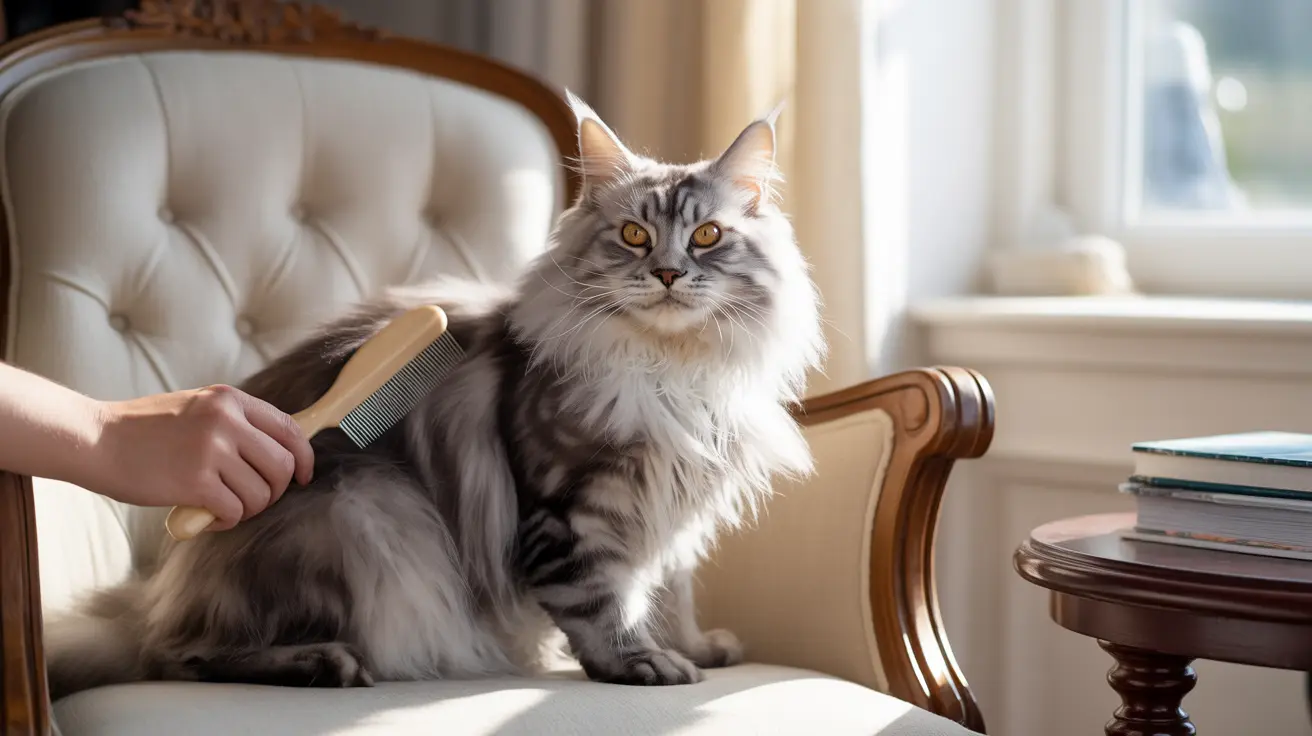
Helping your cat with grooming can prevent excessive licking that leads to skin irritation. Brushing your cat regularly removes loose fur and reduces the chance of hairballs forming. Have you tried grooming your cat during calm moments? This can make the experience positive and strengthen your bond.
Safe Environment
Creating a stress-free and safe environment reduces anxiety-driven grooming and vomiting. Provide quiet resting spots and toys to keep your cat mentally stimulated. Consider if any recent changes at home could be upsetting your cat, and how you might ease their transition.
Credit: www.petscare.com
Frequently Asked Questions
Why Is My Cat Throwing Up Frequently?
Frequent vomiting in cats can indicate hairballs, dietary issues, or illness. Monitor your cat’s behavior and consult a vet if vomiting persists or worsens.
How Does Grooming Relate To Cat Vomiting?
Excessive grooming often leads to hair ingestion, causing hairballs. Hairballs can irritate the stomach and cause your cat to vomit.
When Should I Worry About My Cat’s Vomiting?
Seek veterinary care if vomiting is frequent, contains blood, or is accompanied by lethargy. Persistent vomiting can signal serious health problems.
Can Diet Changes Reduce My Cat’s Vomiting?
Yes, feeding a balanced, high-quality diet and avoiding sudden changes can reduce vomiting. Specialized food can also help with hairball control.
Conclusion
Cats may vomit and groom for many reasons. Sometimes, eating too fast or hairballs cause vomiting. Grooming helps keep their fur clean and cool. Watch your cat closely for changes in behavior or health. Regular vet visits help catch problems early.
Feeding a balanced diet supports their digestion and skin. Pay attention to any repeated vomiting or excessive grooming. Acting quickly can keep your cat happy and healthy. Small signs often show bigger health issues. Caring for your cat means noticing these details daily.

Leave a Reply