Have you noticed your cat licking or biting one spot over and over again? It can be worrying to see your furry friend fixated on one area, sometimes even causing hair loss or redness.
You might wonder, “Why is my cat over grooming one spot? ” Understanding the reasons behind this behavior is important for your cat’s health and happiness. You’ll discover what could be causing this problem and what you can do to help your cat feel better.
Keep reading to learn how to protect your pet and stop the over grooming before it gets worse.

Credit: www.reddit.com
Signs Of Over Grooming
Noticing your cat obsessively licking or biting one spot can be worrying. Over grooming is more than just a quirky habit—it often signals underlying issues that need your attention. Recognizing the signs early can help you address the problem before it worsens.
Common Symptoms To Watch For
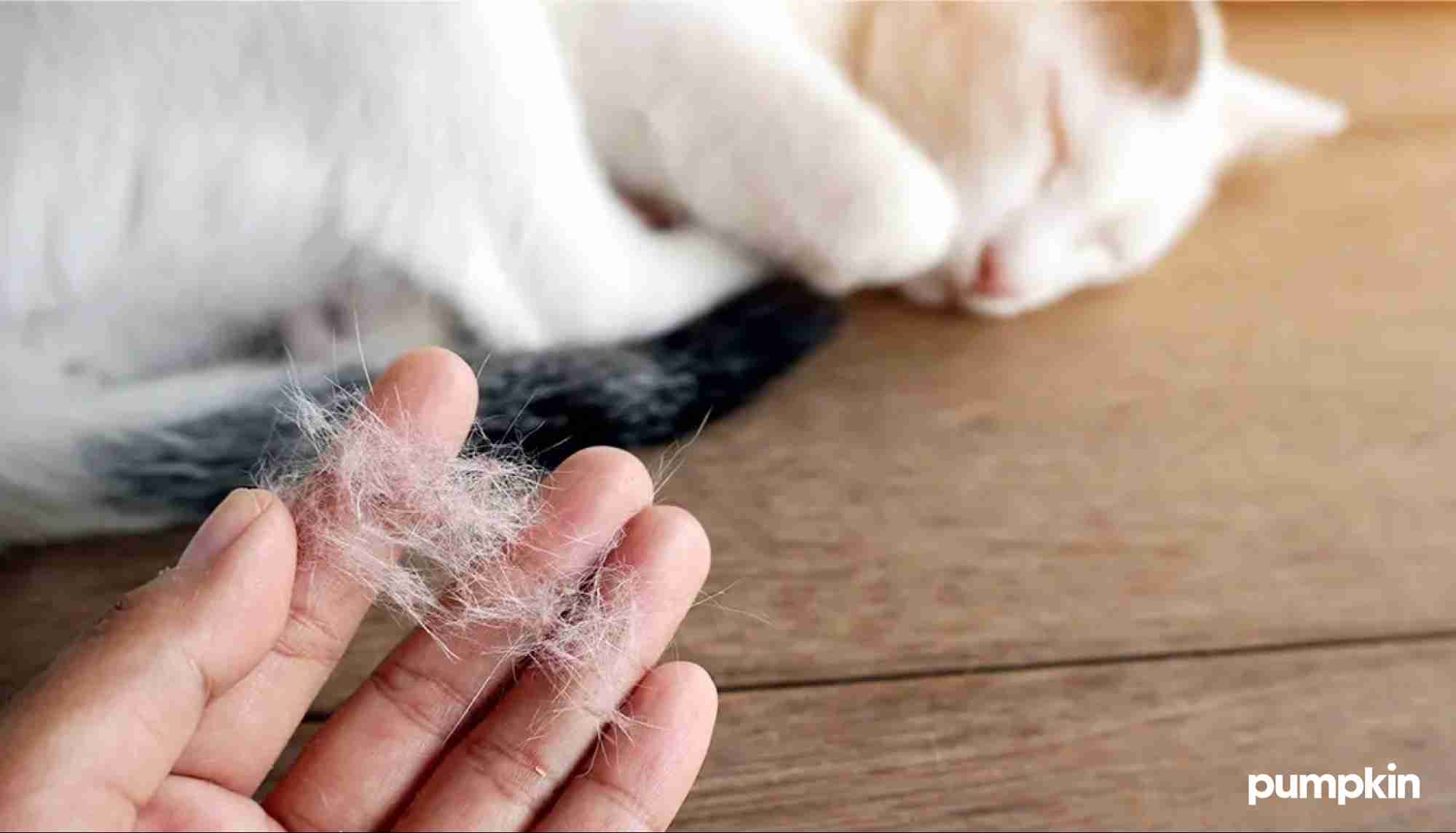
Look closely at your cat’s fur and skin. You might see patches where the fur is thinner or completely missing. These bald spots often appear exactly where your cat focuses its grooming.
Redness, swelling, or scabs in the over-groomed area can indicate irritation or infection. If your cat’s skin looks shiny or raw, it’s a sign the grooming has gone too far. You may also notice small wounds or crusts forming.
Does your cat keep licking even after the area looks healed? Persistent grooming can delay recovery and cause new problems. Watching for these physical signs helps you catch trouble early.
Behavioral Changes In Cats
Your cat’s behavior can reveal a lot about over grooming. If you notice your pet seems more restless or anxious than usual, it could be linked to stress or discomfort causing the grooming.
Sometimes, cats may hide more or avoid contact when they’re focused on one spot. Has your cat become less playful or more withdrawn? These changes often go hand in hand with over grooming.
Pay attention to whether your cat grooms excessively during specific times or situations. Are there new stressors at home, like a new pet or loud noises? Understanding these triggers can help you reduce the behavior.
Credit: www.pumpkin.care
Possible Causes
Noticing your cat over grooming one spot can be puzzling and concerning. Understanding the possible causes helps you respond effectively and keep your feline friend comfortable. Below are some common reasons that might explain this behavior.
Allergies And Skin Irritations
Allergies are a frequent cause of over grooming. Your cat might react to certain foods, pollen, or household chemicals. Skin irritations like dry patches or rashes can also make one spot itchy, prompting excessive licking or biting.
Have you checked if your cat’s diet or environment recently changed? Even a new laundry detergent can cause skin problems.
Parasites And Infections
Parasites such as fleas or mites can cause intense itching in a specific area. Cats often focus their grooming on the irritated spot to relieve discomfort.
Infections, whether bacterial or fungal, may also lead to localized grooming. Keep an eye out for redness, swelling, or sores alongside the grooming behavior.
Stress And Anxiety Triggers
Stress can cause cats to fixate on one spot as a coping mechanism. Changes like moving homes, new pets, or loud noises might trigger this behavior.
Does your cat have enough mental stimulation and safe spaces? Sometimes, simple environmental adjustments can reduce anxiety-driven grooming.
Pain Or Discomfort
Over grooming can be your cat’s way of dealing with pain in one area. Joint issues, injuries, or even internal problems can cause discomfort that leads to focused grooming.
If the spot is tender or your cat reacts when touched there, a vet visit is essential to rule out pain-related causes.
Environmental Factors
Environmental elements like humidity, temperature, or exposure to harsh surfaces might cause localized skin issues. Your cat could be grooming one spot because it feels irritated by its surroundings.
Consider if your cat’s bed, litter box, or play area might be contributing to the problem. Small changes could make a big difference.
Health Risks Of Over Grooming
Over grooming in cats can lead to various health risks. Cats may excessively groom due to stress, allergies, or medical issues. This behavior, while seemingly harmless, can have serious consequences. Understanding these risks helps pet owners address the problem effectively.
Skin Damage And Hair Loss
Over grooming can cause significant skin damage. Cats might lick one spot repeatedly, leading to hair loss. Bald patches are common signs of excessive grooming. The skin beneath becomes sensitive and irritated. Frequent licking can break the skin, resulting in open sores. These wounds can be painful and prone to infections.
Secondary Infections
Open sores from over grooming invite bacteria and fungi. These germs can cause secondary infections. Infections lead to redness, swelling, and pus formation. The affected area may become itchy, causing the cat to groom more. This cycle worsens the condition, making treatment harder.
Behavioral Impact
Over grooming can also affect a cat’s behavior. Cats may become anxious or stressed due to discomfort. Constant licking distracts them from normal activities. They might avoid playing or interacting. This behavior can affect their overall well-being. Recognizing these signs helps in providing timely care.
Diagnosing The Issue
Noticing your cat obsessively grooming one spot can be worrying. Understanding why your cat targets that exact area requires careful diagnosis. Pinpointing the cause helps you provide the right care and relief for your furry friend.
Veterinary Examination
Your first step is a thorough checkup by a veterinarian. They will look closely at the spot your cat is over grooming to spot signs of irritation, wounds, or parasites. Sometimes, what seems like a simple skin issue could be linked to allergies or stress.
During the exam, the vet will also ask about your cat’s behavior, diet, and environment. Sharing details like recent changes at home or new products you’ve used can reveal hidden triggers. Have you noticed if your cat licks the area more after certain activities or times of day?
Diagnostic Tests And Procedures
If the cause isn’t obvious, your vet may suggest tests to dig deeper. These can include:
- Skin scrapings to check for mites or infections
- Allergy testing to identify potential allergens
- Blood work to rule out hormonal imbalances or other health issues
- Biopsy if there’s a suspicious lesion
Each test offers clues that narrow down the problem. You might not expect a simple blood test to explain why your cat is obsessively grooming one spot, but it often reveals underlying conditions. Have you prepared a list of questions or observations for your vet to make the most of your visit?
Treatment Options
Finding your cat obsessively grooming one spot can be worrying. Luckily, there are several treatment options that can help your feline friend find relief and stop this behavior. Addressing the root cause is key, whether it’s medical, environmental, or emotional.
Medical Interventions
Your vet will first check for any underlying medical issues causing over grooming. Skin infections, wounds, or hormonal imbalances can all trigger this behavior. Sometimes, simple treatments like antibiotics or hormone therapy can make a big difference.
It’s important to get a clear diagnosis before trying any treatments yourself. Have you noticed if your cat’s fur loss is sudden or gradual? This detail can guide the vet toward the right tests and solutions.
Addressing Allergies And Parasites
Allergies and parasites are common triggers for over grooming. Fleas, mites, or food allergies can irritate your cat’s skin, making them lick or bite one spot repeatedly. Treating these causes often stops the behavior quickly.
Flea control products, hypoallergenic diets, or parasite treatments might be recommended. Keep a close eye on your cat’s environment and diet. Sometimes, even household cleaners or new fabrics can cause allergic reactions worth investigating.
Managing Stress And Anxiety
Stress can make your cat over groom as a way to self-soothe. Changes in the home, new pets, or loud noises might be the culprit. Identifying and reducing these stressors is vital to stopping over grooming.
Try creating safe spaces where your cat can relax undisturbed. Toys, regular playtime, and maintaining a predictable routine can also help lower anxiety. Have you noticed if your cat over grooms more during certain times or after specific events?
Topical And Oral Medications
Sometimes, your vet may suggest topical creams or oral medications to relieve itching and inflammation. Steroids or antihistamines can reduce your cat’s urge to groom excessively. These are usually short-term solutions while the main cause is treated.
Always follow your vet’s dosage instructions carefully. Avoid using human medications on your cat without professional advice, as some can be toxic. Have you tried any topical treatments before, and did they seem to help?

Credit: www.holistapet.com
Preventing Over Grooming
Preventing over grooming is key to keeping your cat happy and healthy. Over grooming can cause skin problems and discomfort. It often points to stress, health issues, or grooming habits. Taking steps to prevent it helps your cat avoid pain and fur loss.
Creating A Stress-free Environment
Stress is a common reason cats over groom. Creating a calm space helps reduce stress. Provide quiet places where your cat feels safe. Use soft bedding and keep noise low. Routine and consistency make cats feel secure. Play with your cat daily to relieve tension.
Regular Health Checkups
Health problems often cause over grooming. Skin infections, allergies, or parasites can irritate your cat. Visit the vet regularly to catch issues early. Your vet can recommend treatments for any skin or health problems. Early care stops over grooming before it gets worse.
Proper Grooming Practices
Good grooming helps prevent skin irritation. Brush your cat gently to remove loose fur. Bathing is rarely needed but can help if advised by a vet. Check for fleas or ticks often. Avoid harsh shampoos or frequent washing, which may dry skin.
When To Seek Professional Help
Knowing when to seek professional help for your cat’s over grooming is crucial. Some signs indicate that the issue goes beyond normal behavior and requires expert attention. Acting early can prevent further complications and ensure your cat’s comfort and health.
Warning Signs For Immediate Attention
Watch for open sores or bleeding in the over-groomed area. These suggest your cat may be causing harm to itself, which needs urgent care.
If you notice hair loss spreading rapidly or patches that look infected—red, swollen, or oozing—don’t wait. These symptoms can signal allergies, parasites, or skin infections requiring medical treatment.
Also, if your cat shows changes in behavior such as hiding, aggression, or loss of appetite alongside over grooming, it’s time to see a vet. These could be signs of pain or stress affecting your cat’s wellbeing.
Choosing The Right Veterinarian
Not all vets specialize in dermatology or behavioral issues, so find one with experience in feline skin and stress-related conditions. Ask for recommendations or check online reviews from other cat owners.
Consider a vet who listens carefully and explains the causes and treatment options clearly. You want a professional who works with you to find the root problem, not just treat symptoms.
Does the clinic offer allergy testing, parasite screening, or behavioral consultations? These services are important for a thorough diagnosis. Your cat’s health depends on a comprehensive approach.
Frequently Asked Questions
Why Is My Cat Over Grooming One Spot?
Cats over groom one spot due to stress, allergies, or skin infections. It can cause hair loss and skin irritation. Identifying the cause helps treat the problem effectively. Consult a vet if over grooming persists or worsens.
Can Allergies Cause Cats To Over Groom A Spot?
Yes, allergies often cause cats to over groom. Food, pollen, or flea allergies irritate their skin. This leads to excessive licking or scratching in one area. Treating allergies reduces over grooming and improves your cat’s comfort.
How Can Stress Lead To Cat Over Grooming?
Stress triggers cats to over groom as a coping mechanism. Changes in environment, new pets, or loud noises cause anxiety. Over grooming helps them self-soothe but can harm their skin. Reducing stress improves their behavior and skin health.
When Should I See A Vet For Cat Over Grooming?
See a vet if your cat over grooms for more than a week. Also, visit if you notice skin sores, hair loss, or bleeding. Early diagnosis prevents infections and identifies underlying issues like allergies or parasites.
Conclusion
Cats grooming one spot often signal discomfort or stress. Skin issues, allergies, or parasites can cause this behavior. Pay close attention to your cat’s habits and look for changes. Visiting a vet helps identify and treat the problem early. Offer a calm, safe space to reduce anxiety.
Understanding your cat’s needs improves their health and happiness. Taking action now prevents further skin damage. Keep your cat comfortable and watch for signs of distress. Caring for your pet means noticing small changes in behavior.


Leave a Reply