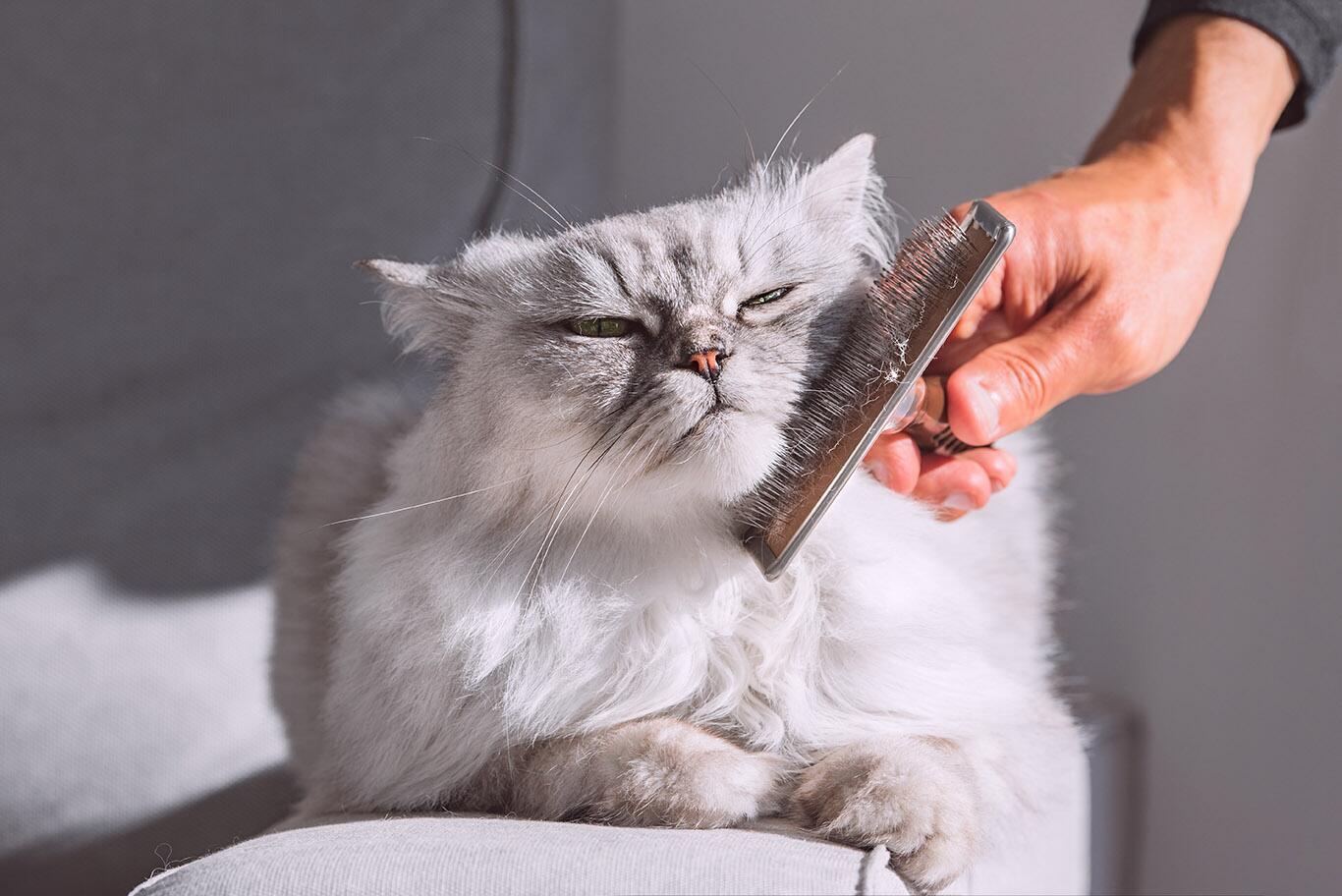
Have you ever wondered why grooming your cat is more than just a routine task? It’s not only about keeping your furry friend looking good.
Grooming plays a key role in your cat’s health and happiness. When you take the time to groom your cat, you’re helping prevent health problems, strengthening your bond, and making your home cleaner. If you want to learn how simple grooming steps can make a big difference in your cat’s life—and yours—keep reading.
This guide will show you why grooming matters and how to do it right.
Benefits Of Cat Grooming
Grooming your cat is more than just keeping them looking neat. It brings several important health and emotional benefits that can improve your cat’s quality of life. Spending time grooming your cat regularly helps maintain their overall well-being and keeps common problems at bay.
Improves Coat Health
Regular brushing removes dirt, debris, and loose fur from your cat’s coat. This helps prevent matting and keeps their fur soft and shiny. You might notice how your cat’s coat feels smoother and looks healthier after just a few grooming sessions.
Have you ever felt your cat’s fur getting dull or rough? Grooming stimulates natural oil production, which adds moisture and shine to their coat. This natural oil also protects the skin underneath.
Prevents Hairballs
Cats groom themselves by licking their fur, which causes them to swallow loose hair. This hair can form hairballs that may cause discomfort or digestive issues. Brushing your cat regularly removes loose hair before they can swallow it.
Reducing the amount of hair your cat ingests can lessen the chances of hairballs. You’ll notice fewer coughs or gagging episodes when hairballs aren’t a problem. Isn’t it great to help your cat avoid unnecessary discomfort?
Reduces Shedding
Shedding is natural, but too much fur around your home can be frustrating. Grooming catches loose fur before it falls off, keeping your home cleaner. It also means less fur on your clothes and furniture.
Regular grooming sessions can help control shedding patterns, especially during seasonal changes. You might find that a quick brush daily can make a big difference in managing pet hair.
Enhances Bonding
Grooming is a quiet, gentle activity that gives you and your cat quality time together. It builds trust and strengthens your relationship. Many cats relax and even purr during grooming, showing they enjoy the attention.
Have you ever noticed how your cat looks forward to grooming time? It’s a chance to connect beyond feeding and play. This simple routine can deepen your bond and improve your cat’s happiness.
Signs Your Cat Needs Grooming
Grooming your cat is crucial for their health and happiness. Recognizing the signs that your cat needs grooming can prevent discomfort and health issues. Cats often show visible signs when they need some extra care. Let’s explore these signs to ensure your feline friend stays in top shape.
Matted Fur
Matted fur is uncomfortable for cats. It pulls on their skin and restricts movement. Check regularly for tangled fur, especially in long-haired breeds. Regular brushing helps prevent mats from forming.
Excessive Shedding
Shedding is natural, but excessive shedding can signal a need for grooming. Brushing your cat can minimize loose fur and reduce hairballs. A healthy coat sheds less and looks shinier.
Dry Or Oily Skin
Healthy skin should be smooth and supple. Dry or oily patches might indicate grooming needs. Regular grooming distributes natural oils and keeps skin healthy. Look for flakes or greasy spots on their coat.
Unpleasant Odor
Odors can arise from dirty fur or skin issues. Regular grooming keeps your cat smelling fresh. It also allows you to check for infections or other problems. Clean cats are happy cats.
Essential Grooming Tools
Essential grooming tools keep your cat healthy and comfortable. Using the right tools makes grooming easier and safer. These tools help remove dirt, loose fur, and prevent matting. They also promote good hygiene and reduce hairballs. Regular grooming builds trust and strengthens your bond.
Brushes And Combs
Brushes and combs remove loose hair and dirt from your cat’s coat. They prevent tangles and mats, which cause discomfort. Use a soft-bristle brush for short-haired cats. Long-haired cats need a wide-toothed comb for detangling. Regular brushing reduces shedding and hairballs.
Nail Clippers
Nail clippers keep your cat’s claws short and sharp-free. Long nails can scratch furniture and skin. Use clippers designed for cats to avoid splitting nails. Trim nails carefully to prevent cutting the quick, which hurts. Regular clipping protects your cat and your home.
Ear Cleaners
Ear cleaners remove wax and debris from your cat’s ears. Clean ears prevent infections and discomfort. Use a vet-approved cleaner and cotton balls or pads. Avoid using cotton swabs that can hurt the ear canal. Check ears regularly for redness or bad smell.
Shampoos And Wipes
Shampoos and wipes keep your cat’s coat clean and fresh. Choose gentle, cat-safe shampoos that do not irritate the skin. Wipes are useful for quick clean-ups and sensitive cats. Bathing your cat too often can dry their skin. Use wipes to maintain cleanliness between baths.

Credit: www.angiesmobilepetstyling.com
Step-by-step Grooming Process
Grooming your cat is more than just a way to keep them looking good. It’s a key part of their health routine and helps you spot any issues early. Let’s break down the grooming process into simple actions you can easily follow at home.
Brushing Techniques
Start by choosing a brush suitable for your cat’s fur type. Short-haired cats usually do well with a fine-toothed comb, while long-haired cats benefit from a slicker brush. Brush gently in the direction of fur growth to avoid hurting your cat.
Make brushing a calm and regular habit. Watch how your cat reacts and adjust your pressure accordingly. If your cat resists, try short sessions and offer treats to build positive associations.
Bathing Tips
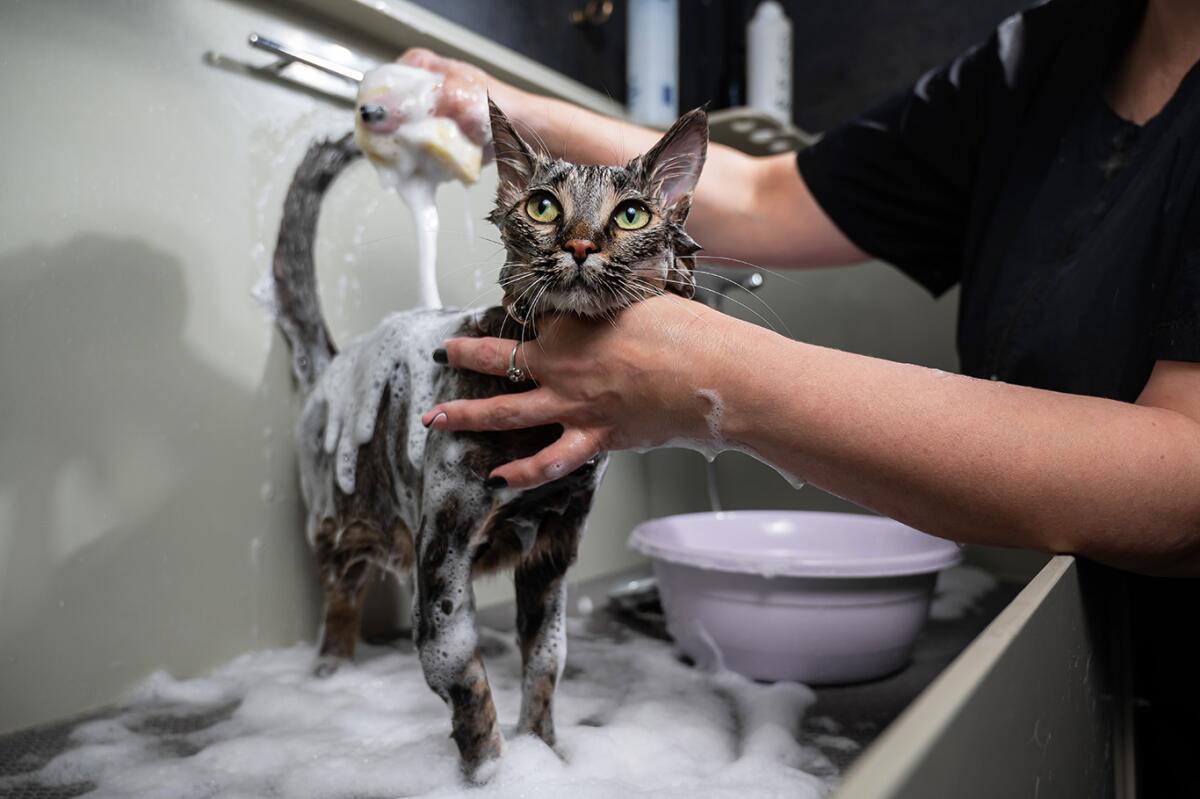
Many cats don’t need frequent baths, but when you do bathe them, use lukewarm water and a cat-specific shampoo. Avoid getting water in their ears and eyes to keep them comfortable. Speak softly and move slowly to reduce stress.
After rinsing, wrap your cat in a towel and gently pat dry. You might need a hairdryer on a low setting if your cat tolerates it, but keep it at a safe distance. Bath time can be a chance to bond if you stay patient.
Nail Trimming
Check your cat’s nails every couple of weeks. Use a special pet nail trimmer and avoid cutting into the pink area called the quick, which can bleed and hurt. If you’re unsure, trim only the sharp tips.
Hold your cat’s paw firmly but gently. If your cat is nervous, trim one or two nails per session. Reward your cat with a favorite snack after trimming to encourage cooperation next time.
Cleaning Ears And Eyes
Look at your cat’s ears regularly for dirt or a bad smell, which could indicate infection. Use a damp cotton ball or a vet-approved ear cleaner to wipe the outer ear gently. Never insert anything deep into the ear canal.
For the eyes, wipe away discharge with a soft, damp cloth. Use a fresh cloth for each eye to avoid spreading infection. If you notice redness or excessive tearing, consult your vet promptly.
Health Issues Linked To Poor Grooming
Poor grooming can lead to several health problems in cats. Their fur and skin need regular care to stay healthy. Neglecting grooming can cause discomfort and serious issues. Understanding these health risks helps keep cats happy and well.
Skin Infections
Dirty or matted fur traps dirt and bacteria. This environment allows skin infections to develop. Cats may scratch or bite their skin, making infections worse. Regular grooming removes debris and prevents harmful bacteria buildup.
Parasite Infestations
Fleas, ticks, and mites hide easily in unkempt fur. These parasites cause itching and spread diseases. Grooming helps spot parasites early and removes them before they multiply. It protects cats from painful bites and infections.
Matting And Discomfort
Fur tangles and mats form without regular brushing. Mats pull on the skin, causing pain and irritation. They can restrict movement and cause sores. Grooming breaks up mats and keeps the coat soft and comfortable.
Allergies And Irritations
Dust, pollen, and allergens stick to dirty fur. Cats can develop skin allergies or worsen existing ones. Grooming removes allergens and soothes irritated skin. It helps maintain a clean, healthy coat and reduces itching.

Credit: www.latimes.com
Grooming For Different Cat Breeds
Grooming needs vary widely across different cat breeds. Understanding these differences helps you care for your cat’s coat and skin properly. Let’s look at what grooming means for various types of cats and how you can tailor your routine to their specific needs.
Long-haired Cats
Long-haired cats need daily brushing to prevent mats and tangles. Their thick fur can trap dirt and loose hair, which can lead to discomfort or skin issues.
You might find that using a wide-toothed comb followed by a soft-bristle brush works best. Pay special attention to areas behind the ears and under the legs, where mats often form.
Have you noticed your long-haired cat grooming less? It might be time to step in more often. Regular grooming keeps their coat shiny and reduces shedding around your home.
Short-haired Cats
Short-haired cats usually require less frequent grooming, about once or twice a week. Brushing helps remove loose hair and stimulates natural oil production for a healthy coat.
Using a rubber grooming glove can make the process easier and more enjoyable for your cat. It also gives you a chance to check for skin problems or parasites.
Do you know your short-haired cat’s favorite grooming spot? Focusing on those areas can make grooming feel like a treat rather than a chore.
Hairless Cats
Hairless breeds like the Sphynx need special care because they lack fur to absorb oils and protect their skin. You’ll need to bathe them regularly, usually once a week, to keep their skin clean and healthy.
Wiping their skin with a damp cloth between baths helps remove excess oils. Don’t forget to clean their ears and trim their nails carefully.
Have you felt how warm a hairless cat’s skin is? This warmth means they can get cold easily, so grooming sessions should be gentle and quick to keep them comfortable.
Senior Cats
Older cats often struggle with grooming due to arthritis or reduced flexibility. Their fur can become matted or greasy if left unattended.
Helping your senior cat with gentle brushing sessions can improve their comfort and prevent skin problems. Use soft brushes and go slow to avoid stressing them.
Have you noticed your senior cat grooming less? Your support is crucial to keeping their coat in good condition as they age.
Tips For Stress-free Grooming
Grooming your cat doesn’t have to be a stressful experience for either of you. With the right approach, you can make grooming a calm and even enjoyable routine. Here are some practical tips to help you create a stress-free grooming session that respects your cat’s comfort and needs.
Creating A Calm Environment
Choose a quiet spot where your cat feels safe and comfortable. Soft lighting and a warm temperature can help your cat relax. Avoid loud noises or sudden movements that might startle your cat during grooming.
Try to keep grooming sessions short and sweet at first. Gradually increase the time as your cat gets used to the process. You might find that playing soft music or using a gentle voice soothes your cat during grooming.
Using Treats And Rewards
Positive reinforcement works wonders. Offer your cat small treats or gentle praise to reward calm behavior during grooming. This helps your cat associate grooming with something pleasant.
Use treats strategically — give them before, during, and after grooming to keep your cat motivated. If your cat loves a specific toy, you can also use that as a reward. Have you noticed how a little treat can change your cat’s whole attitude?
Recognizing Cat’s Signals
Pay close attention to your cat’s body language. Signs like tail flicking, ears flattening, or sudden movements can mean your cat is stressed or uncomfortable. Respect these signals and take breaks when needed.
Understanding your cat’s mood helps you avoid pushing too hard. If your cat tries to escape or growls, it’s a clear sign to pause and try again later. How often do you check in with your cat’s feelings during grooming?
When To Seek Professional Help
Sometimes grooming can be too challenging to handle alone, especially if your cat has mats or sensitive skin. Don’t hesitate to consult a professional groomer or vet for advice or assistance.
Professionals have the right tools and experience to safely groom your cat without causing stress or injury. If grooming sessions consistently cause distress, getting expert help can protect your cat’s well-being and make future grooming easier for you both.
Credit: www.latimes.com
Frequently Asked Questions
Why Is Regular Cat Grooming Necessary?
Regular grooming removes dirt, loose fur, and prevents mats. It promotes healthy skin and reduces hairballs. Grooming also helps detect health issues early and strengthens your bond with your cat.
How Does Grooming Improve A Cat’s Health?
Grooming stimulates blood circulation and distributes natural oils. It keeps the coat shiny and skin healthy. Regular checks during grooming can catch parasites or infections early.
Can Grooming Reduce Shedding And Allergens?
Yes, grooming removes loose hair and dander that cause shedding. It helps control allergens in your home, making it easier for sensitive individuals to live with cats.
What Tools Are Best For Grooming Cats?
Use a soft brush or comb suited to your cat’s fur type. Nail clippers and grooming wipes are helpful. Choose tools that ensure comfort and safety during grooming.
Conclusion
Grooming your cat keeps its coat clean and healthy. It helps stop mats and hairballs from forming. Regular brushing also lowers shedding around your home. Grooming lets you check for skin problems or ticks early. It builds trust and strengthens your bond with your cat.
Taking a few minutes each day makes a big difference. Your cat feels happier and looks better too. Simple care routines protect your cat’s health and comfort. Try to make grooming a calm, gentle time for both of you. Caring for your cat shows love in a quiet, special way.


Leave a Reply