Have you ever wondered why your cat licks itself but never tries to groom you? You might feel puzzled or even a bit disappointed.
After all, grooming is a way cats show trust and care to each other. So why doesn’t your furry friend do the same for you? Understanding this can deepen the bond between you and your cat. Keep reading, and you’ll discover the surprising reasons behind this behavior—and what it means for your relationship with your pet.
Cat Grooming Behavior
Cats are known for their meticulous grooming habits, but understanding why your cat doesn’t groom you requires a look at their natural behavior. Grooming is more than cleanliness for cats; it’s a way to communicate, bond, and maintain health. Knowing how and why cats groom themselves and others can shed light on your furry friend’s actions—or lack thereof—towards you.
How Cats Groom Themselves
Cats use their tongues like tiny combs to clean their fur, removing dirt, loose hair, and parasites. Their rough tongues help spread natural oils that keep their coats shiny and waterproof. Grooming also helps cats regulate their body temperature and reduce stress.
When you see your cat licking their paws and rubbing their face, they’re not just cleaning; they’re carefully maintaining their scent and health. You might wonder if your cat views you as part of their grooming routine. The truth is, cats usually reserve this detailed self-cleaning for themselves.
Social Grooming Among Cats
Social grooming, or allogrooming, is when cats lick each other to build bonds and show trust. It often happens between cats who live together and have a strong relationship, like siblings or close companions. This behavior strengthens their social group and helps spread a common scent.
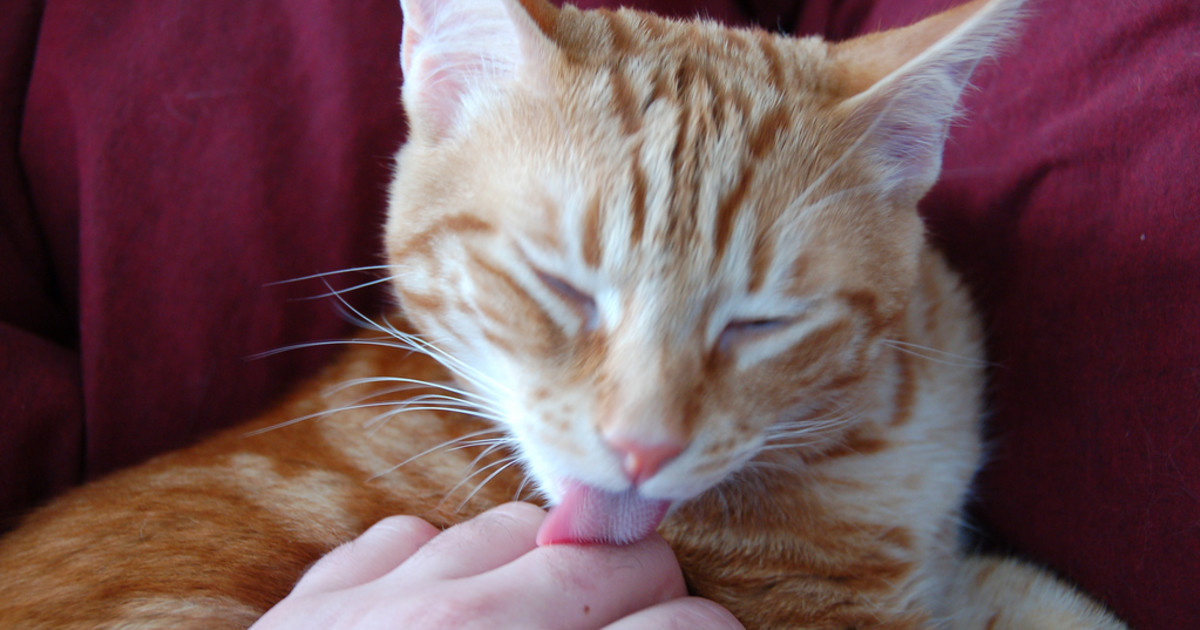
So why doesn’t your cat groom you? They may not see you as a fellow cat, so social grooming doesn’t come naturally. However, if your cat licks your skin or hair, it can be a sign of affection or a way to include you in their social group.
Have you noticed your cat licking your hands or face? That might be their way of trying to groom you, showing they accept you as part of their family. Understanding these subtle cues can deepen your connection with your cat.
Credit: pethelpful.com
Reasons Cats Don’t Groom Owners
Understanding why your cat doesn’t groom you can reveal a lot about their behavior and your relationship. Grooming is a social activity for cats, often reserved for close companions. If your cat skips grooming you, it might be due to several reasons linked to their comfort, health, or personality.
Lack Of Familiarity
Cats groom those they trust and feel close to. If your cat is new to your home or hasn’t spent much time bonding with you, they might not see you as part of their grooming circle yet. Building trust takes time—patience and gentle interaction can help your cat feel more connected.
Stress And Anxiety
Stress can make cats pull back from social behaviors like grooming. Changes in the environment, loud noises, or unfamiliar people might make your cat anxious. When your cat is stressed, they focus more on self-care and less on social grooming—have you noticed any recent changes in your home?
Health Issues
Sometimes, health problems affect a cat’s grooming habits. Pain or discomfort in their mouth, skin, or joints can make grooming difficult or unpleasant. If your cat suddenly stops grooming you or themselves, consider a vet checkup to rule out any medical concerns.
Individual Personality
Just like people, cats have unique personalities. Some cats are naturally more independent and less social. If your cat is shy or reserved, they might never develop the habit of grooming you, but that doesn’t mean they don’t care.
Owner’s Scent And Hygiene
Cats are very sensitive to smells. If your scent is unfamiliar, strong, or changes frequently due to perfumes, lotions, or other products, your cat might avoid grooming you. Try minimizing strong scents and see if your cat responds differently—have you noticed your cat’s reaction to your personal care products?
How Cats Show Affection Instead
Cats show love in many ways besides grooming. They may purr, nuzzle, or sit close to you. Grooming is not the only way cats express their affection.
Understanding how cats express their love can deepen your bond with your feline friend. While grooming is a sign of affection, your cat might choose other ways to show their love. Cats have unique ways of communicating their feelings, and recognizing these signs can enrich your relationship.Head Butting And Nuzzling
When your cat gently bumps their head against you, it’s not just a quirky behavior. This action, known as head butting or bunting, is a way for cats to mark you with their scent. They have scent glands on their heads, and by rubbing against you, they’re claiming you as part of their territory. It’s a feline way of saying, “You’re mine!” Nuzzling, on the other hand, often involves your cat pushing their face into your hand or side. This is another way of bonding and showing trust. If your cat nudges you, take it as a compliment. They’re comfortable and feel safe with you.Purring And Kneading
The sound of a cat purring can be incredibly soothing. Cats often purr when they’re relaxed and content, but they also do it to communicate their affection. If your cat curls up next to you and starts purring, they’re likely expressing their happiness and comfort in your presence. Kneading is another affectionate behavior, where cats rhythmically push their paws against a soft surface. This instinctual action dates back to kittenhood when they kneaded their mothers to stimulate milk flow. If your cat kneads you, it’s a sign they see you as a source of comfort and security.Following You Around
Does your cat follow you from room to room? This behavior indicates that they enjoy your company. Cats are naturally curious creatures, and they like to be involved in what you’re doing. Following you around is their way of staying connected and ensuring they’re not missing out on anything important. Next time your cat trails behind you, know that they’re trying to be part of your world. They might not groom you, but they’re showing their affection in their own unique way. Understanding these behaviors can transform how you perceive your cat’s actions. Recognize these signs of affection, and you’ll start to see just how much your feline friend truly cares for you.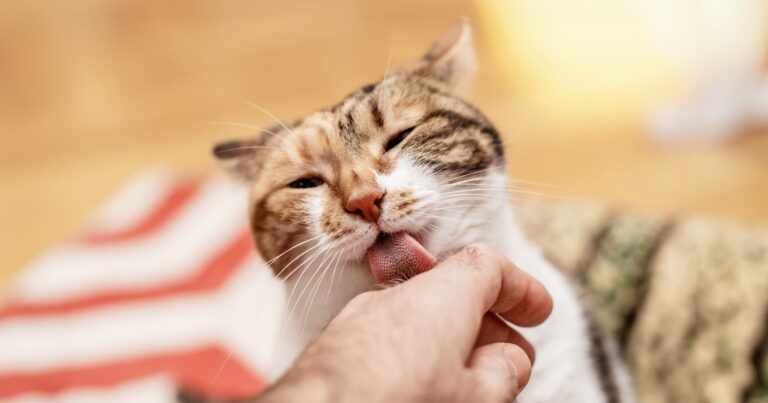
Credit: www.diamondpet.com
Encouraging Grooming Behavior
Encouraging grooming behavior in cats helps strengthen your bond. Cats groom to show affection and trust. Some cats may hesitate to groom humans at first. Creating the right conditions can invite this behavior. Small changes in your approach can make a big difference.
Building Trust
Trust is the base for grooming behavior. Spend quiet time sitting near your cat. Let your cat come to you without pressure. Gentle petting on favorite spots helps build comfort. Speak softly and move slowly around your cat. Trust grows with patience and respect.
Creating A Calm Environment
Cats groom in peaceful settings. Keep the room quiet and free of sudden noises. Avoid strong scents that might bother your cat. Soft lighting can make your cat feel safe. A calm space invites your cat to relax and groom.
Using Positive Reinforcement
Reward your cat when it shows grooming interest. Offer treats or gentle praise after grooming attempts. Use a soft brush to mimic grooming strokes. Repeat this often to encourage the behavior. Positive reinforcement motivates your cat to groom more.
When To Consult A Vet
Knowing when to consult a vet is important if your cat stops grooming you. Grooming is a natural behavior for cats to show affection and care. A sudden change in this habit might signal health or emotional issues. Early action can help keep your cat happy and healthy.
Signs Of Grooming Problems
- Your cat avoids grooming you altogether.
- Excessive licking or biting at its own fur.
- Patches of fur missing or skin redness.
- Visible wounds or scabs on the cat’s body.
- Unusual odor coming from your cat’s fur.
Behavioral Changes To Watch
- Less social interaction with family members.
- Increased hiding or withdrawal from usual places.
- Aggression or sudden irritability.
- Changes in eating or drinking habits.
- Restlessness or difficulty sleeping.

Credit: www.moopetcover.com
Frequently Asked Questions
Why Doesn’t My Cat Groom Me Like Itself?
Cats groom themselves for hygiene and comfort. They rarely groom humans because they see us as separate beings, not part of their social group.
Can Lack Of Grooming Mean My Cat Dislikes Me?
Not necessarily. Cats show affection in many ways. Lack of grooming doesn’t always mean dislike; it may reflect their natural behavior.
Do Cats Groom Humans To Show Affection?
Sometimes. Cats may lick or nuzzle to bond, but full grooming is rare. They express love through purring and head bunting more often.
How Can I Encourage My Cat To Groom Me?
Build trust by gentle petting and spending quality time. Positive interactions may encourage your cat to lick or nuzzle you more.
Conclusion
Cats show love in many ways, not just grooming you. Some cats may not groom humans because they feel safe but prefer to groom themselves. Each cat has its own habits and personality. Patience helps build trust and closeness. Enjoy the moments your cat chooses to share with you.
Understanding your cat’s behavior strengthens your bond. Keep observing and appreciating your furry friend’s unique ways. Love is clear, even without grooming.

Leave a Reply