Have you noticed your cat spending an unusual amount of time licking or biting her belly? It can be worrying to see your furry friend over grooming this sensitive area.
You might wonder why she’s doing it and if something is wrong. Understanding the reasons behind this behavior is important because it affects your cat’s comfort and health. You’ll discover the common causes of belly over grooming and what you can do to help your cat feel better.
Keep reading to learn how to protect your beloved pet from discomfort and keep her happy.
Reasons For Belly Over Grooming
Cats may groom their belly too much for several reasons. Understanding these causes helps in providing the right care. Excessive belly grooming can signal discomfort or health issues that need attention. Below are common reasons why your cat might over groom her belly.
Allergic Reactions
Allergies can cause itching and irritation on a cat’s skin. Cats may lick their belly to soothe the itch. Food allergies, dust, or pollen can trigger this behavior. Identifying the allergen can reduce the over grooming.
Stress And Anxiety
Stress makes cats groom more than usual. Grooming acts as a way to calm themselves. Changes in environment or routine can cause anxiety. Over grooming may be a sign your cat feels uneasy.
Skin Infections
Infections can cause redness, swelling, and pain on the belly. Cats lick the area to relieve discomfort. Bacterial or fungal infections need veterinary treatment. Untreated infections can worsen the problem.
Parasite Infestations
Fleas, mites, or ticks cause intense itching. Cats often lick their belly to try to remove these pests. Parasites can lead to skin damage if not treated. Regular parasite control helps prevent over grooming.
Pain Or Discomfort
Injuries or internal pain can cause a cat to lick her belly. The licking may be a way to cope with discomfort. Conditions like bladder issues or wounds may cause this behavior. A vet check can find the source of pain.
Hormonal Imbalances
Hormonal changes can affect a cat’s skin and behavior. Conditions like hyperthyroidism may increase grooming habits. Hormonal imbalances sometimes cause itching or discomfort. Proper diagnosis helps manage the symptoms.

Credit: www.reddit.com
Signs To Watch For
Noticing your cat over grooming her belly is a concern. It may point to discomfort or health issues. Watching for specific signs helps you act early. These signs reveal what might be wrong and guide you to seek help.
Bald Patches
Look closely at your cat’s belly fur. Bald patches show where hair has fallen out. This loss can result from constant licking or biting. It is often a clear sign of over grooming. Bald spots may appear red or scaly.
Redness And Irritation
The skin on your cat’s belly may look red or swollen. Irritation happens from repeated licking or scratching. You might see small sores or scabs. This can cause pain or discomfort for your cat. Check for flaky or dry skin too.
Behavioral Changes
Your cat’s behavior might change if she feels stressed or itchy. She could become more restless or hide often. Some cats show signs of anxiety or aggression. Watch for changes in sleep or eating habits. These behaviors often link to skin problems.
Excessive Licking Sounds
Pay attention to the sounds your cat makes while grooming. Loud or frequent licking noises can signal a problem. Your cat may lick her belly more than usual. This repeated behavior often shows discomfort or itching. It is a key sign of over grooming.
Diagnosing The Problem
Understanding why your cat is over grooming her belly can feel frustrating. It’s not always easy to pinpoint the cause just by watching her behavior. Diagnosing the problem carefully is key to helping your furry friend find relief and stay healthy.
Veterinary Examination
The first step is to take your cat to a trusted veterinarian. They will perform a thorough physical exam, focusing on the skin and fur condition, especially on her belly. The vet looks for signs of irritation, wounds, or parasites that might be causing discomfort.
Sometimes, a simple check-up reveals unexpected issues like fleas or infections that you might have missed. Have you noticed any changes in her appetite or energy levels? These clues can help the vet make a more accurate diagnosis.
Skin Tests
If the vet suspects a skin problem, they may suggest skin tests. These tests can identify fungal infections, bacterial infections, or mites. Small skin scrapings or samples are taken gently and examined under a microscope.
This step is crucial because skin infections often cause itching, leading to over grooming. Catching these early can prevent your cat from developing painful sores or hair loss.
Allergy Testing
Allergies are a common reason for cats to over groom. The vet might recommend allergy testing to find out if your cat reacts to certain foods, pollen, or dust mites. Blood tests or elimination diets help identify the triggers.
Have you changed your cat’s food recently or introduced new cleaning products at home? These details matter when tracking down allergies. Once you know the cause, you can make changes that significantly improve her comfort.
Behavioral Assessment
Sometimes, over grooming isn’t about physical health but stress or boredom. A behavioral assessment can help uncover emotional triggers. Your vet or a pet behaviorist may ask about changes in your cat’s environment or daily routine.
Is she spending more time alone or facing new pets or noises? Stress can cause cats to lick themselves excessively. Identifying this helps you provide mental stimulation, comfort, or even professional help to ease her anxiety.
Home Care Tips
Cats often over groom their belly due to stress, allergies, or skin irritation. Watching for changes helps spot problems early. Consulting a vet can provide relief and proper care.
Caring for a cat that over grooms her belly can be challenging, but with the right home care tips, you can help your furry friend find relief and comfort. Cats often over groom due to stress, allergies, or medical issues. Addressing the root cause and creating a supportive environment at home can make a significant difference.Reducing Stress
Cats are sensitive creatures, and stress can lead to excessive grooming. Create a calm environment by providing a safe space for your cat to retreat, like a cozy corner with her favorite blanket. Regular playtime can also help reduce anxiety, keeping her mind stimulated and her body active. Have you considered if loud noises or other pets might be causing her stress?Improving Diet
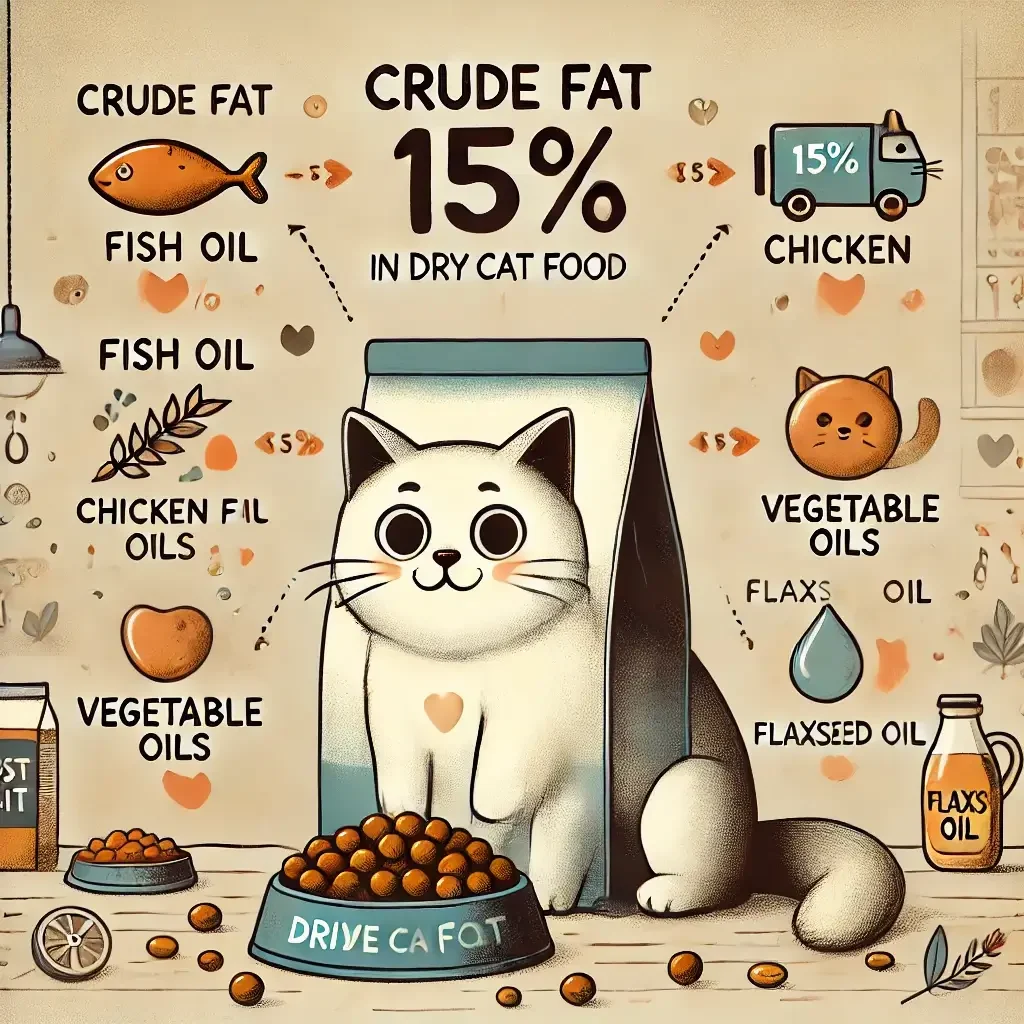
A balanced diet is crucial for your cat’s skin and coat health. Ensure her meals are rich in essential fatty acids, which are known to improve skin condition. If allergies are suspected, you might want to try hypoallergenic cat food. Have you noticed any changes when switching food brands?Keeping The Environment Clean
A clean environment can prevent irritants that may lead to over grooming. Regularly clean her bedding and vacuum areas where she spends most of her time. Dust and allergens can trigger skin reactions, so maintaining cleanliness can help in reducing grooming urges. How often do you clean her favorite spots?Using Safe Topical Treatments
Topical treatments can soothe irritated skin and discourage over grooming. Opt for vet-recommended creams or sprays that are safe for cats. It’s important to avoid products with harsh chemicals, as they can worsen the issue. Have you checked with your vet for safe topical solutions? Engaging with your cat and understanding her needs can lead to a healthier, happier feline. Your proactive approach in identifying and addressing these factors can significantly improve her quality of life. What steps will you take today to help your cat?Medical Treatments
Medical treatments play a crucial role in stopping your cat’s over grooming, especially when the cause is physical discomfort or illness. Identifying the right treatment depends on pinpointing the underlying issue, which often involves allergies, parasites, infections, or pain. Understanding these options can help you work with your vet to provide the best care for your feline friend.
Medications For Allergies
Allergies often trigger excessive grooming as your cat tries to soothe itchy skin. Your vet might prescribe antihistamines or corticosteroids to reduce inflammation and itching. Have you noticed if your cat’s belly is red or swollen? These medicines can calm those symptoms quickly, giving your cat relief.
Sometimes, allergy shots or special diets are recommended to prevent flare-ups. It’s important to follow the vet’s instructions closely because stopping medication too soon can cause symptoms to return. Does your cat’s behavior improve after starting allergy meds? Tracking changes can help fine-tune treatment.
Parasite Control
Parasites like fleas and mites can cause severe irritation, leading your cat to over groom her belly. Effective parasite control is often the first step to stop this behavior. Your vet may suggest topical treatments, oral medications, or special shampoos to eliminate these pests.
Remember, treating the environment is just as important—wash bedding and clean your home to prevent reinfestation. Have you checked your cat’s skin for tiny bugs or flea dirt? Early detection can save her from ongoing discomfort and reduce the urge to over groom.
Antibiotics And Antifungals
If your cat’s skin is infected due to constant licking, antibiotics or antifungal medications might be necessary. These medicines help clear bacterial or fungal infections, which can worsen itching and irritation. Your vet will decide the best treatment based on skin swabs or cultures.
Apply any topical medications exactly as directed to avoid resistance or incomplete healing. Have you noticed scabs, sores, or unusual smells on your cat’s belly? These signs often indicate infection requiring prompt medical attention.
Pain Management Options
Sometimes, over grooming is a response to pain from injuries or underlying conditions like arthritis. Your vet can prescribe pain relief medications to reduce discomfort and help your cat stop licking her belly. These might include non-steroidal anti-inflammatory drugs (NSAIDs) or other painkillers.
Monitoring your cat’s response to pain meds is essential. Does she seem more relaxed and less focused on grooming? Managing pain effectively can restore her quality of life and prevent further skin damage.

Credit: www.reddit.com
Preventing Future Over Grooming
Preventing future over grooming in cats is essential for their health and happiness. Over grooming can cause skin problems and discomfort. Taking steps early helps avoid these issues and keeps your cat calm and content.
Focus on a combination of regular care and creating a positive environment. Each part plays a role in stopping over grooming from happening again.
Regular Vet Checkups
Visit the vet often to catch health problems early. Skin infections, allergies, or parasites may cause over grooming. The vet can provide treatments to ease discomfort. Regular checkups also help monitor your cat’s overall health and behavior changes.
Environmental Enrichment
Provide toys and activities to keep your cat busy. Boredom or stress can trigger over grooming. Playtime, scratching posts, and climbing areas reduce anxiety. A calm environment helps your cat feel safe and relaxed.
Balanced Nutrition
Feed a diet that supports skin and coat health. Nutrients like omega-3 fatty acids can reduce itching. Avoid foods that cause allergies or sensitivities. Proper nutrition strengthens your cat’s immune system and skin barrier.
Monitoring Behavior
Watch your cat closely for signs of over grooming. Note when and where it happens most. Record changes in mood or activity. Early detection allows quick action to prevent worsening. Share observations with your vet for better care.

Credit: www.reddit.com
Frequently Asked Questions
Why Is My Cat Over Grooming Her Belly?
Cats often over groom their belly due to stress, allergies, or skin irritation. It can also indicate fleas or infections. Observing behavior and consulting a vet helps identify the cause and provide proper treatment.
Can Allergies Cause Belly Over Grooming In Cats?
Yes, allergies to food, pollen, or flea bites can cause belly over grooming. Allergies lead to itchiness and discomfort, prompting cats to lick excessively. Identifying and managing allergens reduces over grooming and improves skin health.
How To Stop My Cat From Belly Over Grooming?
To stop belly over grooming, address underlying causes like stress or allergies. Use flea control, provide a calm environment, and consult a vet. Treatment may include medication or behavioral therapy to reduce licking and prevent skin damage.
Is Belly Over Grooming A Sign Of Stress In Cats?
Yes, stress and anxiety can cause cats to over groom their belly. Changes in environment or routine may trigger this behavior. Reducing stress through enrichment and comfort can help minimize over grooming in cats.
Conclusion
Cats often groom their bellies to stay clean, but too much can signal problems. Stress, allergies, or skin issues might cause this behavior. Watching your cat closely helps catch any changes early. A visit to the vet can find the root cause and give treatment options.
Helping your cat feel calm and safe reduces over grooming. Understanding why your cat licks her belly too much protects her health. Take action soon to keep your furry friend happy and comfortable.

Leave a Reply