Have you noticed your cat isn’t cleaning himself like he used to? It can be worrying when your furry friend stops grooming.
Grooming is a natural habit for cats, and when it changes, it might mean something is wrong. You want to keep your cat healthy and happy, but understanding why he’s not grooming can be tricky. You’ll discover the common reasons behind this behavior and what you can do to help your cat feel his best again.
Keep reading to learn how to spot the signs and support your pet’s well-being.
Common Grooming Habits
Understanding your cat’s common grooming habits helps you recognize when something is off. Cats usually spend a good part of their day grooming themselves to stay clean and healthy. Observing these habits closely can reveal why your cat might not be grooming as expected.
Typical Grooming Behavior
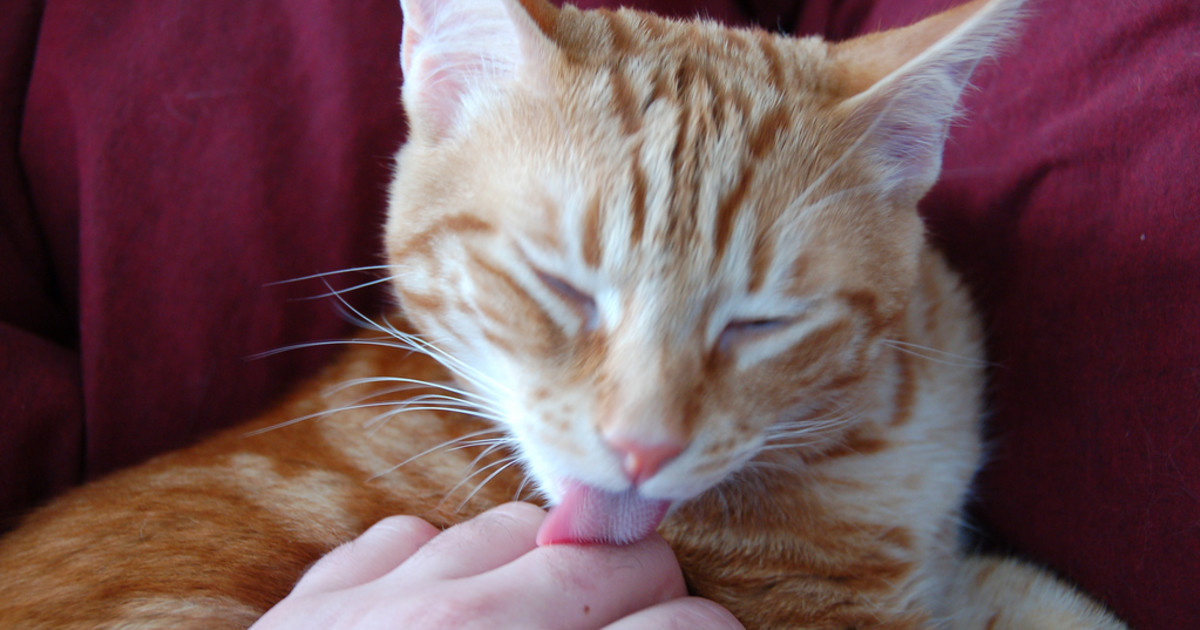
Cats use their tongues to clean their fur, removing dirt and loose hair. They also lick their paws and rub their faces, which helps spread natural oils that keep their coat shiny. You might notice your cat focusing on certain areas more, like the head and neck, which are easier to reach.
Some cats enjoy a quick grooming session several times a day, while others might take longer, more thorough sessions. Do you know how your cat usually grooms itself? Recognizing their normal routine can help you spot changes early.
Frequency And Patterns
Most cats groom themselves multiple times daily, often totaling up to 50% of their awake time. This frequent grooming helps regulate body temperature and reduces stress. If your cat suddenly stops or reduces grooming, it might indicate pain, illness, or emotional distress.
Patterns can vary with age and health. Older cats or those with arthritis may groom less due to discomfort. Have you noticed any shifts in your cat’s grooming frequency or behavior? Tracking these changes can be key to addressing underlying issues quickly.
Health Issues Affecting Grooming
Health issues can stop a cat from grooming itself properly. Grooming is a key part of a cat’s daily routine. It keeps their fur clean and skin healthy. When health problems arise, grooming may become difficult or painful. Cats may stop licking or cleaning themselves. Understanding these health problems helps owners support their pets better.
Skin Conditions
Skin problems often cause discomfort during grooming. Conditions like allergies, infections, or parasites can make the skin itchy or sore. Cats may avoid licking areas that hurt. This leads to matted fur and dirt buildup. Early treatment of skin issues helps restore normal grooming habits.
Dental Problems
Pain from dental disease makes grooming hard for cats. Teeth or gum pain can stop cats from licking their fur. They may avoid using their tongue to clean themselves. Bad breath, drooling, or difficulty eating can signal dental issues. Regular dental checks help prevent grooming problems caused by mouth pain.
Arthritis And Mobility
Arthritis limits a cat’s movement and flexibility. Joint pain makes it hard to reach certain body parts. Cats with arthritis may stop grooming areas like the back or legs. This leads to a messy, unkempt coat. Managing arthritis with medication can improve grooming ability.
Obesity Impact
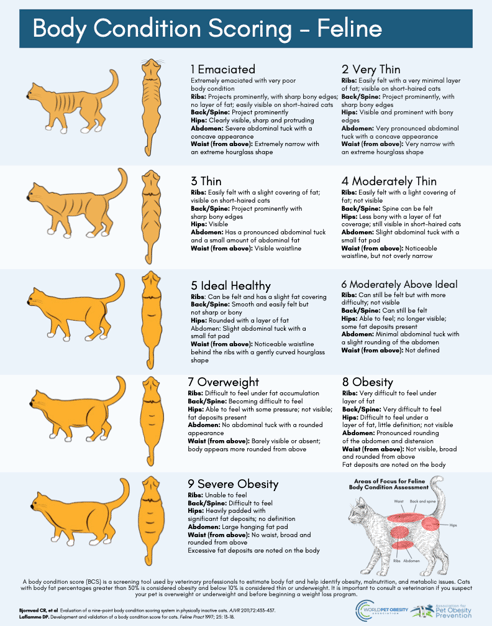
Obesity reduces a cat’s ability to groom. Extra weight limits flexibility and reach. Overweight cats struggle to clean their hind legs and belly. This causes fur to become greasy or tangled. Weight management through diet and exercise can help restore grooming habits.
Emotional And Psychological Factors
Stress and anxiety can cause a cat to stop grooming. Emotional pain or fear may also make grooming difficult. These feelings affect a cat’s behavior and self-care habits.
Cats are known for their fastidious grooming habits, but sometimes, emotional and psychological factors can disrupt this natural behavior. If your cat has stopped grooming, it’s important to consider what might be happening beneath the surface. Understanding the emotional state of your feline friend can provide insights into why grooming has taken a backseat.Stress And Anxiety
Stress and anxiety can have a profound impact on your cat’s grooming habits. A sudden change in the environment, such as moving to a new home or introducing a new pet, can trigger stress. Cats are sensitive creatures, and even minor changes in their routine can lead to anxiety. Have you noticed your cat hiding more often or avoiding certain areas of the house? This behavior could be a clue. Stress can manifest in various ways, and a lack of grooming is just one potential indicator.Depression In Cats
Just like humans, cats can experience depression, which may lead to a decrease in grooming. If your cat seems less playful or has lost interest in activities they once enjoyed, depression might be the cause. Consider any recent changes in your household. Have you recently lost a pet or experienced a significant change in your daily life? These events can deeply affect your cat. It’s crucial to monitor your cat’s behavior and consult with a veterinarian if you suspect emotional or psychological issues. They can help determine the underlying cause and suggest appropriate solutions to help your feline friend regain their grooming routine.Environmental Influences
Your cat’s grooming habits can change due to different environmental factors. These influences can disrupt their usual self-care routines and make you wonder why they stop grooming themselves. Understanding these factors can help you create a better environment for your feline friend.
Changes In Routine
Cats are creatures of habit. If you recently moved to a new home or rearranged furniture, your cat might feel unsettled. This stress can cause your cat to neglect grooming.
Even small changes like a new pet or a change in your work schedule can affect your cat’s sense of security. Have you noticed your cat avoiding their favorite spots or acting differently? These signs could explain the drop in grooming behavior.
Try to maintain a stable environment and reintroduce familiar objects like blankets or toys. This can help your cat feel safe enough to resume grooming.
Lack Of Stimulation
Cats need mental and physical activity to stay healthy and engaged. Without enough stimulation, they can become bored or depressed, which often leads to less grooming.
If your cat spends most of the day alone without toys or interaction, their grooming habits might suffer. Think about how you feel on a dull, uneventful day—your cat’s experience isn’t much different.
Add interactive toys, play sessions, or even a window perch to keep your cat interested. Have you tried rotating their toys or introducing new activities to spark their curiosity?
Age-related Grooming Challenges
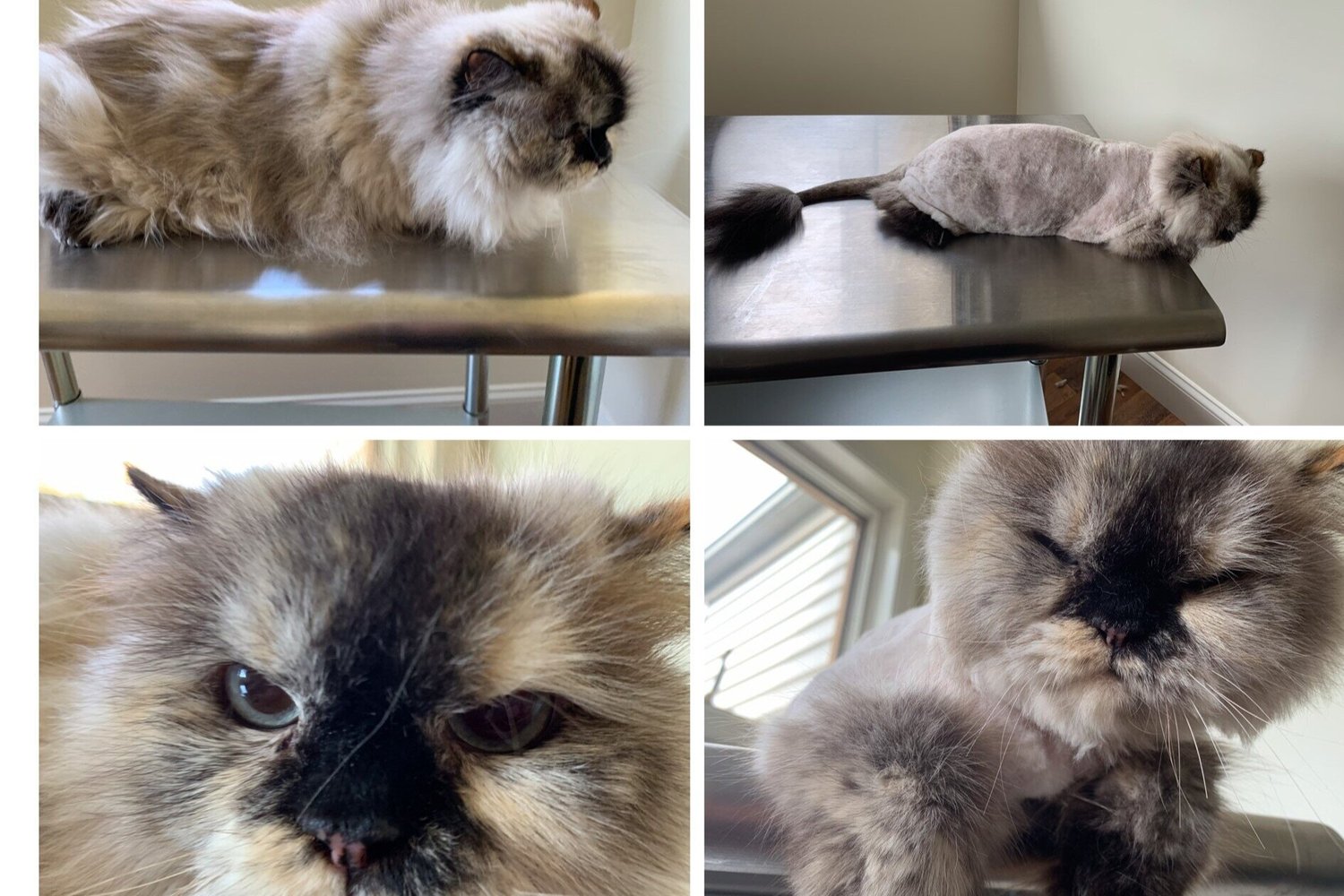
As cats age, grooming can become harder for them. Their bodies change, making it tough to keep clean. Older cats often stop grooming as well as they did before. This can lead to matted fur and skin problems.
Senior Cat Grooming Issues
Older cats may have stiff joints or arthritis. This pain limits their movement and flexibility. Reaching all parts of their body becomes difficult. They may avoid grooming areas that hurt.
Teeth problems also affect grooming. Cats use their tongue and teeth to clean fur. If their mouth hurts, they might stop grooming. Poor grooming can cause dirt buildup and bad smells.
Cognitive Decline Effects
Some senior cats face memory and brain function decline. This condition is like dementia in humans. They may forget how to groom properly. Their routine changes, and they lose interest in cleaning.
Confusion can make cats anxious or stressed. Grooming becomes less frequent or less thorough. Owners might notice a messy or greasy coat. This signals cognitive issues affecting grooming habits.
Credit: www.catsmeowresort.com
Parasites And External Irritants
Parasites and external irritants can seriously affect your cat’s grooming habits. If your cat suddenly stops cleaning itself, it might be struggling with discomfort caused by these unwelcome guests or allergens on its skin. Understanding these issues can help you spot the problem early and provide relief for your furry friend.
Fleas And Ticks
Fleas and ticks are common culprits that cause itching and irritation. When your cat is constantly scratching or biting at its fur, it might be trying to get rid of these pests. This discomfort can make grooming painful or unpleasant, leading your cat to avoid it altogether.
Look for signs like small black specks (flea dirt), redness, or bald spots. Ticks can sometimes be felt as small bumps attached to the skin. If you notice these, treating the infestation quickly is crucial to restore your cat’s comfort and grooming routine.
Allergies
Allergies to food, pollen, or cleaning products can cause your cat’s skin to become inflamed and itchy. This inflammation can make grooming uncomfortable and cause your cat to stop licking or cleaning certain areas. You might see redness, swelling, or scabs where your cat has tried to scratch.
Consider any recent changes in your cat’s environment or diet that might have triggered this reaction. Consulting a vet can help identify the allergen and recommend treatments to soothe your cat’s skin. Once the irritation is under control, your cat will likely return to its regular grooming habits.
When To Seek Veterinary Help
Knowing when to seek veterinary help is vital if your cat stops grooming. Grooming is a natural behavior for cats that keeps them clean and healthy. A sudden change in this habit can signal health issues. Early veterinary intervention can prevent problems from worsening. Watch for unusual signs and act promptly to protect your cat’s well-being.
Signs Of Serious Problems
- Patchy fur or bald spots
- Skin redness, sores, or swelling
- Strong, unpleasant odor from the coat
- Visible pain or discomfort when touched
- Excessive scratching or biting
- Sudden weight loss or gain
- Changes in appetite or behavior
- Lethargy or hiding more than usual
Treatment Options
The vet may perform a physical exam and skin tests. Blood tests can check for infections or diseases.
Treatment depends on the cause. Options include:
- Medications for infections or parasites
- Special shampoos for skin conditions
- Diet changes to improve health
- Pain relief if the cat is uncomfortable
- Behavioral therapy for stress-related issues
Follow the vet’s advice closely. Regular check-ups help track recovery. Early care improves your cat’s quality of life.
)
Credit: www.northroadvet.com.au
Tips To Encourage Grooming
Encouraging your cat to groom itself can improve its health and happiness. Grooming removes dirt and loose fur. It also helps regulate body temperature and prevents skin problems. Some cats may stop grooming due to stress, illness, or age. You can help by making grooming easier and more enjoyable.
Regular Brushing
Brush your cat gently every day or several times a week. Use a brush suited for your cat’s fur type. Brushing removes loose hair and prevents mats. It also mimics grooming and can motivate your cat to groom itself more. Make brushing a calm and positive experience. Praise your cat and offer treats during and after brushing.
Creating A Comfortable Environment
Provide a quiet and safe space for your cat. Stress can stop grooming behavior. A calm environment helps your cat feel relaxed and more likely to groom. Keep your cat’s bedding clean and soft. Offer cozy spots with good light for grooming sessions. Ensure your cat has easy access to food, water, and litter boxes. Check for any health issues that may cause discomfort or pain.
Credit: pethelpful.com
Frequently Asked Questions
Why Is My Cat Suddenly Not Grooming Itself?
A sudden stop in grooming may indicate pain, illness, or stress. Cats often avoid grooming if they feel unwell or have joint issues. Observe your cat closely and consult a vet for proper diagnosis and treatment to ensure your cat’s health and comfort.
Can Age Affect A Cat’s Grooming Habits?
Yes, older cats often groom less due to arthritis, dental problems, or decreased flexibility. Aging can make grooming physically challenging. Regular vet checkups can help manage these issues and keep your cat comfortable and well-groomed.
How Does Stress Impact My Cat’s Grooming Behavior?
Stress or anxiety can cause cats to stop grooming or groom excessively. Changes in environment, new pets, or loud noises can trigger this behavior. Creating a calm, safe space and minimizing stressors can help restore normal grooming habits.
Could A Skin Condition Cause My Cat To Avoid Grooming?
Skin infections, allergies, or parasites can cause discomfort, making grooming painful. Cats may avoid licking affected areas. A vet visit is essential to diagnose and treat skin problems, ensuring your cat’s comfort and proper grooming.
Conclusion
Cats stop grooming for many reasons. Health problems or stress can cause this. Watch your cat closely for changes in behavior. Help by keeping their fur clean and brushing gently. Visit a vet if grooming does not improve. Taking action early keeps your cat happy and healthy.
Caring for your cat shows you love them. Remember, a clean cat is usually a healthy cat.

Leave a Reply