Have you ever noticed your cat meowing at his toys and wondered why he’s doing it? It might seem odd or even a little funny, but your furry friend is trying to tell you something.
Understanding this behavior can help you connect better with your cat and keep him happy. Keep reading to discover the surprising reasons behind your cat’s meows and what you can do to respond the right way. Your cat’s little voice matters more than you think!

Credit: www.reddit.com
Cat Communication Through Meowing
Understanding your cat’s meows at their toys opens a window into their unique way of communicating. Cats don’t just meow randomly; each sound carries a message, a feeling, or a reaction to what’s happening around them. When your cat vocalizes at their toys, they could be sharing excitement, frustration, or even inviting you to join the play.
Meows As A Form Of Expression
Meowing is one of the most direct ways cats express themselves. Unlike dogs, cats often tailor their meows specifically for humans rather than other cats. This means your cat’s meow at a toy might be an expression of curiosity or an attempt to engage with you through the toy.
Think about the last time your cat meowed at their favorite toy. Was it a soft, repetitive meow or a loud, urgent one? Each variation can signal different emotions—soft meows might show contentment or invitation, while louder meows might indicate frustration or a call for attention.
How Cats Use Vocalizations
Cats use a wide range of vocalizations to communicate, and meowing is just one part of this rich language. They combine meows with purrs, hisses, and chirps to express their mood and needs.
Your cat’s meow at a toy could be a form of mimicry, imitating the sounds of prey, or a way to express excitement during play. Sometimes, vocalizing helps them feel more in control of the situation, especially if they want you to notice or interact with their toy.
- Meowing to claim a toy as theirs
- Expressing frustration if the toy is “unreachable”
- Inviting you to participate in playtime
- Reacting to the toy as if it were a real animal
Next time your cat meows at a toy, watch their body language closely. You might discover a new way your pet tries to connect with you beyond just the sounds.
Emotional Connection To Toys
Cats often form strong emotional bonds with their toys. These toys are not just objects but companions that bring joy and comfort. Understanding this connection helps explain why cats meow at their toys. It shows how deeply they engage with their playthings.
Toys As Playmates
Toys act like friends for cats. Cats spend time chasing, biting, and talking to them. Meowing at toys can be a way to communicate or invite interaction. This behavior mimics how they would respond to other cats or animals.
Playing with toys helps cats express their natural hunting instincts. The toys become targets for pouncing and stalking. This makes playtime more real and exciting for them.
Comfort And Security Factors
Toys often provide a sense of safety for cats. They hold or cuddle them during rest or stress. Meowing may be a way to check on their ‘friend’ or express attachment.
Some cats treat their toys like comfort objects. These toys reduce feelings of loneliness and anxiety. The emotional bond brings calmness and reassurance to the cat.
Hunting Instincts And Play
Cats have strong hunting instincts that influence their play behavior. Toys often become targets for these natural drives. Through play, cats practice skills they use in the wild. Their meowing during play is part of this instinctive behavior.
Simulating Prey Behavior
Toys move like prey animals to catch a cat’s attention. Cats chase, pounce, and bite toys as if hunting real prey. This play mimics stalking and capturing small animals. The movement triggers excitement and focus in cats. It helps keep their hunting skills sharp even indoors.
Vocal Responses During Play
Meowing at toys shows a cat’s emotional and instinctive reactions. Cats may make different sounds to express excitement or frustration. These vocalizations mimic the noises made during hunting or communication with other cats. Meowing can signal a cat’s engagement and interest in the toy. It adds a layer of interaction during solo play.
Seeking Attention From Owners
Cats often meow at their toys to get their owner’s attention and share their playtime excitement. This behavior shows they want interaction and companionship while engaging with their favorite objects.
Cats meow at their toys for various reasons. One common reason is to seek attention from their owners. This behavior is both intriguing and endearing. Understanding this can help in strengthening the bond with your furry friend. Cats often use meowing as a way to communicate. When they meow at their toys, it might be a call for you to join in the fun. Engaging with them during these moments can enhance their playtime experience.Meowing To Engage Humans
Cats are social creatures. They love interacting with their human companions. When your cat meows at its toys, it might be an invitation. They are asking you to participate in their play. This is their way of sharing excitement. Your presence makes their playtime more enjoyable. Responding to their meows can build a stronger connection.Encouraging Interaction
To encourage interaction, spend time playing with your cat. Use toys that are interactive and stimulating. This keeps your cat interested and engaged. Cats enjoy games that mimic hunting. Toys that move or make noise are ideal. They capture your cat’s attention and keep them entertained. Regular play sessions can reduce meowing for attention. It provides your cat with the mental and physical stimulation they need.Possible Health Or Behavioral Concerns
Cats meow at their toys for many reasons. Sometimes, it signals health or behavioral issues. Understanding these signs helps keep your cat happy and safe.
Meowing at toys can show stress or anxiety. It may also hint at other health problems. Paying close attention to your cat’s behavior is important.
Stress Or Anxiety Indicators
Stress makes cats act differently. Meowing at toys might mean your cat feels uneasy. Changes in the home or routine can cause this stress.
- Excessive meowing or vocalizing
- Hiding or avoiding people
- Loss of appetite or sleep problems
- Over-grooming or restlessness
These signs suggest your cat needs comfort and calm. Toys might become a focus for their stress.
When To Consult A Vet
Seek help if your cat’s meowing seems unusual. Sudden changes in behavior or health require vet attention. Persistent meowing at toys may show pain or illness.
- Meowing is loud, frequent, or desperate
- Your cat acts lethargic or weak
- There are changes in eating or bathroom habits
- Physical signs like limping or swelling appear
A vet can check for medical problems. Early diagnosis helps treat issues faster and better.
Credit: www.chewy.com
Ways To Respond To Your Cat’s Meowing
Understanding how to respond to your cat’s meowing at their toys can improve your bond and make playtime more enjoyable for both of you. Cats often use vocalizations to express excitement, frustration, or a desire for interaction. Your response can either encourage positive behavior or unintentionally reinforce unwanted habits.
Enhancing Playtime Experience
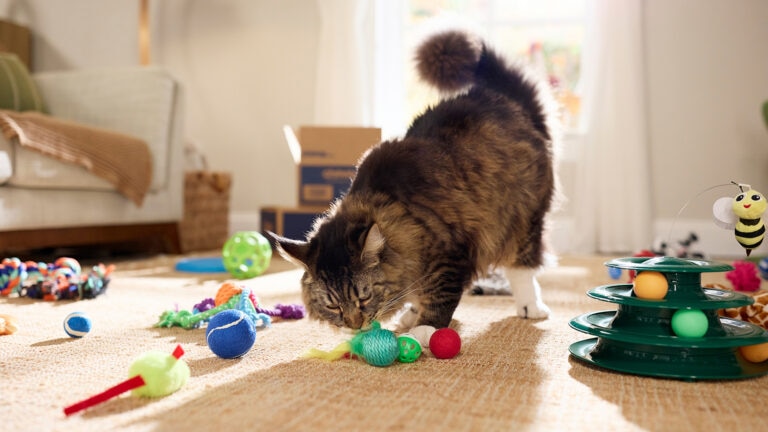
When your cat meows at their toys, it’s a clear sign they want engagement. Try joining in their play actively by mimicking hunting behaviors—move the toy like prey to grab their attention. This not only satisfies their natural instincts but also turns playtime into a shared activity.
Adding variety can keep your cat interested. Swap different toys regularly or introduce new textures and sounds. Have you noticed how some cats prefer feather toys while others go wild for crinkly balls? Observing these preferences helps you tailor play sessions better.
Encouraging Positive Behavior
Responding positively when your cat meows appropriately can teach them how to communicate effectively. Use gentle praise or offer treats when they meow during play without demanding attention aggressively. This reinforces calm and friendly vocalizations.
If your cat meows excessively or in a way that seems like frustration, avoid immediately giving in. Instead, redirect their focus with a favorite toy or a short, interactive game. This shows them that playtime is rewarding but not solely dependent on vocal demands.

Credit: moderncat.com
Frequently Asked Questions
Why Does My Cat Meow At His Toys?
Cats meow at toys to express excitement or frustration. They treat toys as prey, engaging their hunting instincts. Vocalizing helps them communicate their feelings and enhance playtime interaction.
Is My Cat Lonely When Meowing At Toys?
Cats may meow at toys due to loneliness. They seek attention or companionship. Providing more interactive playtime and social interaction can reduce this behavior.
Can Meowing At Toys Indicate Boredom In Cats?
Yes, meowing at toys often signals boredom. Cats need mental and physical stimulation. Regular play sessions and new toys can keep them engaged and happy.
Does Meowing At Toys Mean My Cat Is Stressed?
Sometimes, cats meow at toys when stressed or anxious. It’s their way of coping or seeking comfort. Observe for other stress signs and create a calm environment.
Conclusion
Cats meow at their toys to express curiosity and fun. They treat toys like real prey or friends. This behavior shows their natural hunting skills and playful nature. Watching your cat meow at toys helps you understand their feelings better.
Enjoy these moments as part of your cat’s unique personality. Keep providing toys to keep your cat happy and active. Playtime strengthens your bond and keeps your cat healthy. Small meows mean big emotions for your furry friend.

Leave a Reply