Have you ever found your cat’s toys scattered all over your bed and wondered why? It’s a curious habit that many cat owners notice but don’t fully understand.
You might think your furry friend is just being playful, but there’s more to this behavior than meets the eye. Understanding why your cat leaves toys on your bed can help you connect better with your pet and even improve their happiness.
Keep reading to discover the surprising reasons behind this quirky habit and what it means for your relationship with your cat.

Credit: www.reddit.com
Cat Behavior And Toy Carrying
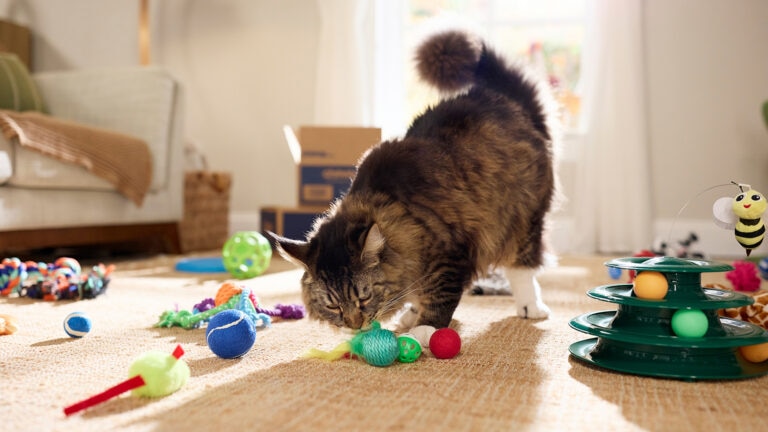
Cats have unique ways of showing their instincts through toys. Toy carrying is a common behavior seen in many cats. It links closely to their natural actions and feelings. Understanding this can help you see why your cat leaves toys on your bed.
Instincts Behind Toy Collection
Cats are natural hunters. They often carry objects like toys to mimic hunting prey. This behavior is a strong instinct passed down from their wild ancestors. Carrying toys to a safe place, like your bed, gives them comfort. It also shows they trust you and their environment.
Some cats treat toys like real prey. They pick them up and move them around. This action helps satisfy their hunting needs. It also keeps their mind active and sharp. Your cat’s toy collection on the bed reflects this deep-rooted instinct.
Hunting And Play Patterns
Playtime mimics hunting behavior. Cats stalk, pounce, and carry toys as if hunting small animals. This play is essential for their mental and physical health. Carrying toys to your bed is part of their routine. It’s like bringing a catch back to a safe den.
During play, cats use toys to practice skills. They may leave toys on the bed because it feels like a safe spot. This area may remind them of a cozy resting place after a hunt. Your bed becomes a part of their play and rest cycle.
Credit: pethelpful.com
Toys As Gifts
Cats often bring toys to their owner’s bed as a unique form of gift-giving. This behavior shows their natural instincts and how they bond with people. Toys act like presents, symbolizing something valuable from the cat’s perspective. Understanding this can deepen the connection between you and your feline friend.
Offering Prey To Owners
Cats see their toys as prey. Bringing these “prey” to you means sharing their catch. It is a natural hunting habit passed down from wild ancestors. This act shows trust. Your cat treats you like part of their family or hunting group. Leaving toys on your bed mimics how cats share food in the wild.
Signs Of Affection
Gifting toys is also a way cats show love. They pick favorite toys and leave them close to you. This means they want your attention and care. It is a silent way to say “I care about you.” When your cat leaves toys on your bed, it shows they feel safe and happy around you.
Territory And Scent Marking
Cats use scent marking as a way to communicate with their environment and other animals. Leaving toys on your bed is one way your cat might be marking its territory. This behavior helps your cat feel secure and connected to its personal space.
Marking Personal Space
Your cat’s bed is more than just a cozy spot—it’s a personal territory that they want to protect. When your cat places toys on your bed, they’re transferring their scent through the toy. This scent marking tells other pets or intruders that this area is already claimed.
Have you noticed your cat rubbing their face on their toys before leaving them on your bed? That’s a clear sign they’re adding their unique scent. This action helps your cat feel more at ease and in control of their surroundings.
Using Toys To Claim Territory
Toys act as scent carriers for your cat. By moving these toys to your bed, your cat is effectively expanding their marked territory to include your sleeping area. This is their way of saying, “This space belongs to me, too.”
Think about it: your bed likely smells like you, which makes it a neutral or shared zone. Your cat’s toys bring their scent into this space, blending your smells and creating a shared territory. This can deepen your bond and make your cat feel more integrated into your home.
- Next time you find a toy on your bed, consider it a compliment. Your cat trusts you enough to share their personal space.
- If you want to encourage this behavior, try placing toys with their scent in other parts of your home.
Credit: www.chewy.com
Seeking Attention
Cats often leave toys on beds to get your attention and share their favorite things. This behavior shows they trust you and want to play together.
Cats have a quirky way of seeking attention, often leaving their toys on your bed as a means to say, “Look at me!” This behavior is not just random; it’s a deliberate attempt to communicate with you. Cats, much like humans, crave interaction and acknowledgment. By placing their toys in your personal space, they’re ensuring that you notice them and engage with them.How Cats Communicate Needs
Cats are masters of subtle communication. They don’t bark or whine, but they have their own ways to get their point across. Leaving toys on your bed is a clear sign that your cat wants your attention. They might need more playtime, or perhaps they’re showing off their hunting prowess. This action is a gentle reminder for you to pay attention to their needs.Encouraging Interaction
To foster a stronger bond with your cat, it’s important to respond positively when they bring you toys. Consider this a perfect opportunity to spend some quality time with them. Engage in play sessions using the toys they bring to you. This will not only satisfy their need for attention but also strengthen your relationship. You might find that your cat’s behavior changes as they feel more fulfilled. Have you ever noticed a change in your cat’s behavior when you dedicate more time to interactive play? It’s a small investment of time that can lead to a happier, more content feline friend.Comfort And Security
Understanding why your cat leaves toys on your bed can reveal a lot about their need for comfort and security. Cats often seek places and objects that make them feel safe and relaxed. Your bed, a soft and familiar spot, becomes a perfect refuge where their favorite toys also find a place.
Toys As Comfort Objects
Your cat’s toys aren’t just for play; they can act like comfort objects. Just like a child clings to a blanket or stuffed animal, cats find reassurance in their toys. These objects carry familiar scents and textures that help your cat feel calm and secure.
Think about how your cat behaves with their toys—do they carry them around or cuddle with them? This behavior shows the toy provides emotional support beyond simple entertainment.
Association With Safe Spaces
Your bed likely smells like you and is a spot your cat associates with safety and warmth. When your cat places toys there, they’re linking those toys to this safe environment. It’s a way of bringing their source of comfort closer to a place they trust deeply.
Have you noticed your cat retreating to your bed with a toy after a stressful event? This connection highlights how they use their environment and belongings to manage feelings of anxiety and find peace.
Age And Personality Influence
Age and personality play a big role in why your cat leaves toys on your bed. Younger cats and older cats behave differently. Plus, each cat has its own unique way of showing affection or playfulness. Understanding these differences can help you see your cat’s actions in a new light.
Kitten Vs Adult Cat Behavior
Kittens are full of energy and curiosity. They often carry toys around as part of their play and exploration. Leaving toys on your bed might be their way of sharing their discoveries with you or claiming a safe space.
Adult cats, on the other hand, tend to be more deliberate. They might leave toys on your bed to invite you to play or as a sign of trust. If your adult cat places a favorite toy near you, it’s often a gesture of bonding.
Have you noticed your kitten dropping a toy and looking at you expectantly? That’s a classic call for interaction. Meanwhile, an older cat might place a toy quietly and watch your reaction from a distance.
Individual Differences
No two cats are exactly alike. Some are more playful and love to parade their toys around. Others prefer to keep their belongings close but out of sight. Your cat’s personality shapes how and where they leave their toys.
Think about your cat’s usual behavior. Are they shy or outgoing? Independent or clingy? These traits influence whether toys end up on your bed, under the couch, or in a hidden corner.
Next time you find a toy on your bed, ask yourself: what is my cat trying to communicate? Paying attention to these personal quirks can deepen your connection and make playtime more meaningful for both of you.
Frequently Asked Questions
Why Does My Cat Leave Toys On My Bed?
Cats leave toys on your bed as a sign of trust and affection. They see your bed as a safe space. It’s also a way to share their “hunting” success with you, strengthening your bond.
Is Leaving Toys On My Bed A Hunting Behavior?
Yes, leaving toys is related to natural hunting instincts. Cats “catch” toys and bring them to a safe place, like your bed. This behavior mimics sharing prey with their family in the wild.
Does My Cat Want Me To Play With The Toys?
Often, yes. Cats may leave toys on your bed to invite interaction. They want you to engage in playtime, which provides mental and physical stimulation.
Can Leaving Toys On My Bed Indicate Stress?
Sometimes, yes. Cats might leave toys in specific spots when stressed. It’s a way to self-soothe or seek comfort. Watch for other signs of anxiety alongside this behavior.
Conclusion
Cats leave toys on your bed to feel close and safe with you. This behavior shows trust and comfort in their space. Your bed smells like you, making it special for your cat. They also want to share their favorite things with you.
Understanding this can help you bond better with your pet. Watch for these small signs; they mean your cat loves you. Keep their toys clean and ready for playtime anytime. Your cat’s actions tell a story of friendship and care.
Simple moments like these build a strong connection.


Leave a Reply