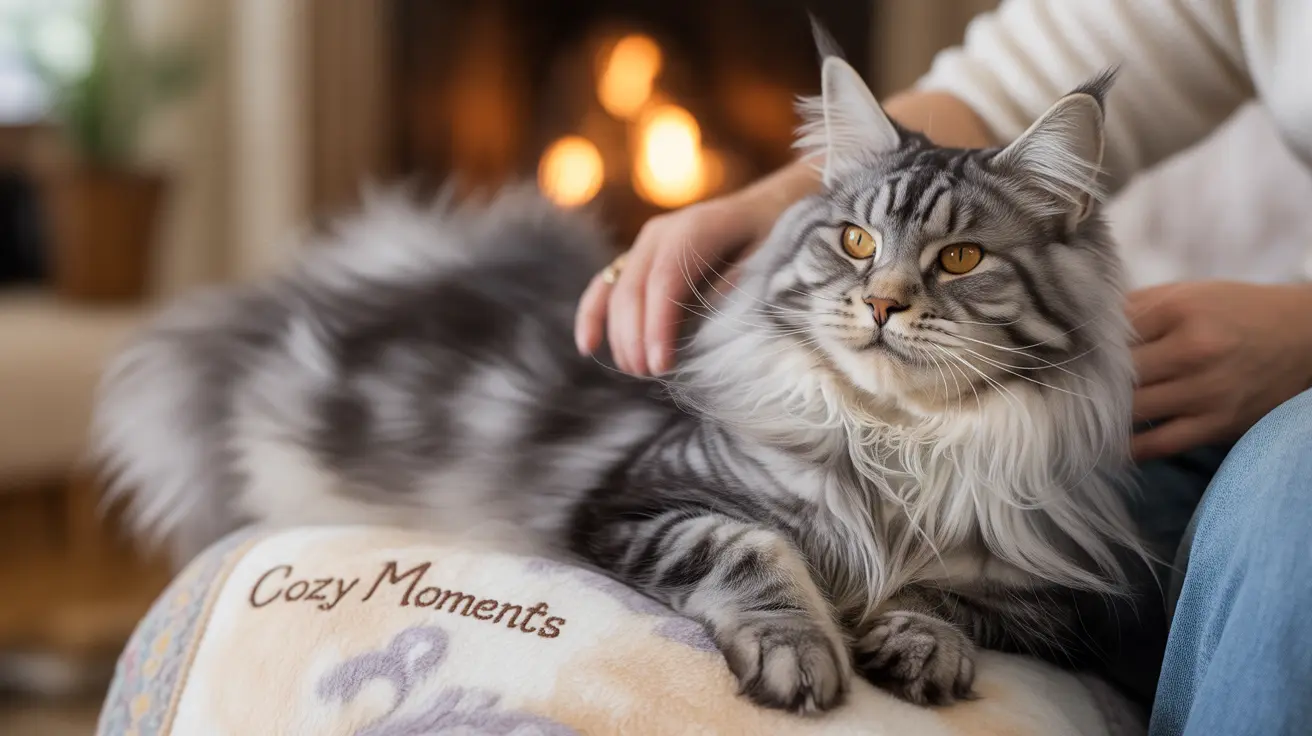
Have you ever watched your cat spend a lot of time licking and cleaning herself and wondered, “Why does my cat groom herself so much?” It’s more than just a cute habit. Your cat’s grooming is a vital part of her health and happiness.
Understanding why she does it can help you care for her better and even spot when something might be wrong. Keep reading, and you’ll discover surprising reasons behind this everyday behavior that will change how you see your furry friend.
Benefits Of Grooming
Grooming is more than just a routine activity for your cat—it plays a crucial role in their health and well-being. Understanding the benefits of grooming can help you appreciate why your feline friend spends so much time cleaning themselves. Let’s look at some key advantages that make grooming essential for cats.
Maintaining Cleanliness
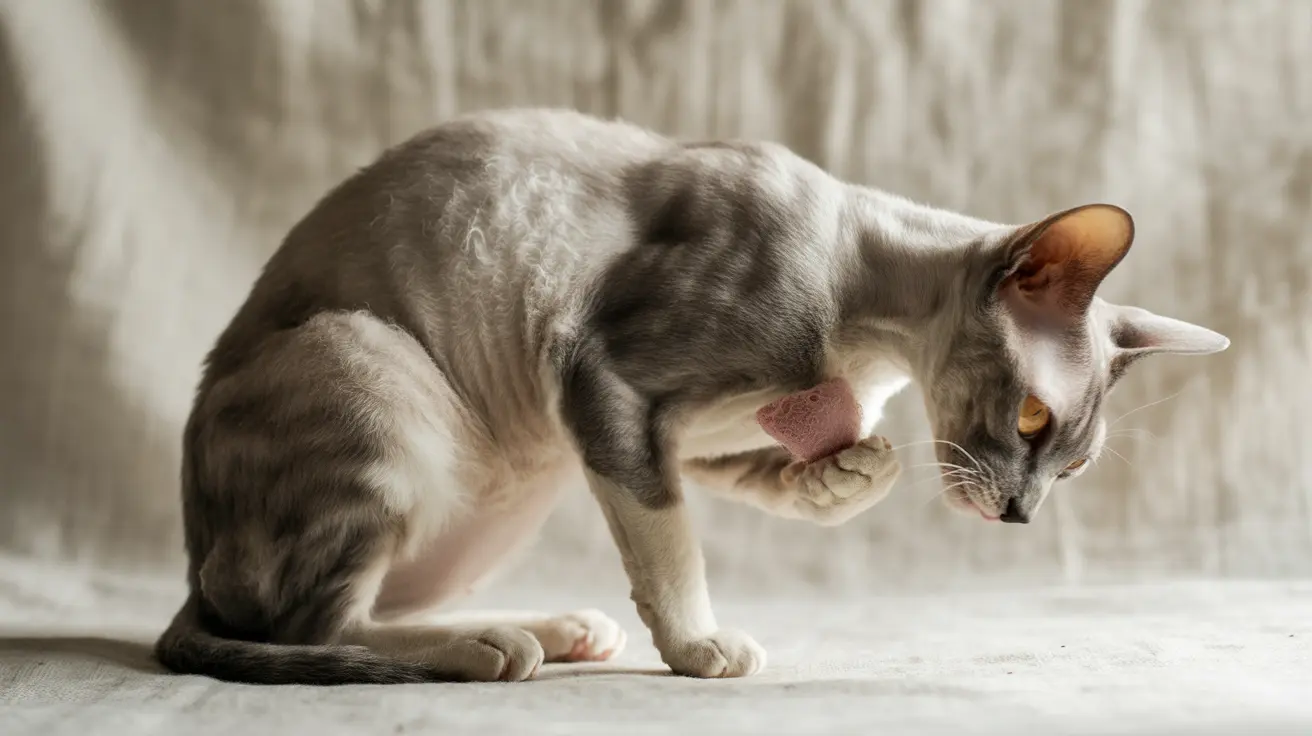
Your cat’s tongue acts like a natural brush, removing dirt, loose fur, and even small parasites. This self-cleaning habit keeps their coat smooth and free from debris. Have you ever noticed how clean and shiny a well-groomed cat looks? That’s the direct result of their grooming efforts.
By grooming, cats also reduce odors that might attract predators or other animals. It’s their way of staying fresh without needing a bath from you.
Regulating Body Temperature
Grooming helps cats manage their body heat efficiently. When they lick their fur, saliva spreads and evaporates, which cools them down on warm days. This natural cooling system is especially important since cats don’t sweat like humans do.
Have you seen your cat pause while grooming on a hot afternoon? They’re not just cleaning—they’re helping their body stay comfortable.
Stimulating Blood Flow
As cats lick and nibble their fur, it gently massages their skin, which improves blood circulation. Better blood flow means healthier skin and quicker healing of minor wounds. This subtle benefit often goes unnoticed but is key to their overall skin health.
Next time you watch your cat grooming, remember it’s like a mini workout for their skin, keeping them vibrant and healthy.
Credit: www.petscare.com
Behavioral Reasons
Cats groom themselves for many behavioral reasons. Grooming is not just about staying clean. It helps cats feel calm and safe in their world. This behavior is part of how cats express their feelings and interact with others.
Stress Relief And Comfort
Grooming helps cats reduce stress. Licking their fur can calm their nerves. It works like a natural comfort tool. Cats often groom more when they feel anxious or scared. This action helps them relax and feel better.
Territorial Marking
Cats use grooming to mark their territory. Their saliva leaves a unique scent on their fur. This scent tells other cats, “This space is mine.” Grooming helps keep their personal area safe and known. It is a quiet way to communicate ownership.
Bonding And Social Grooming
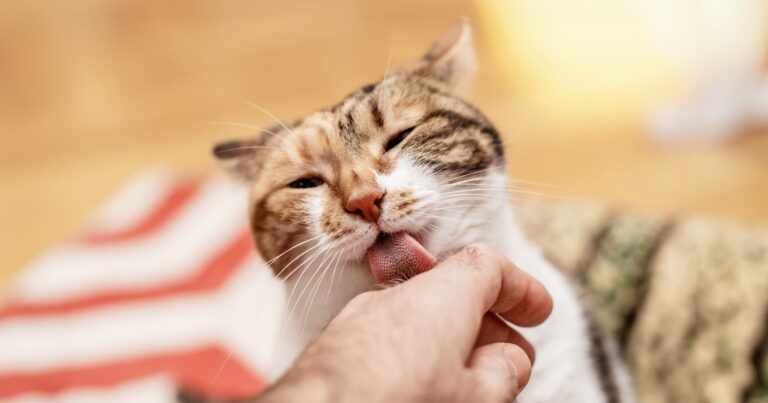
Grooming also builds bonds between cats. Cats that live together often lick each other. This social grooming shows friendship and trust. It helps keep peace and strengthens their connection. Grooming is a way to say, “You are part of my group.”
Health Signals
Cats are meticulous groomers, and their grooming habits often signal health issues. Regular grooming helps maintain cleanliness and provides clues about their well-being.
Detecting Skin Issues
Grooming can reveal skin problems. Look for excessive licking or biting. These actions might indicate irritation or allergies. Check for redness or flakiness. These are signs of possible skin infections.
Managing Parasites
Grooming helps cats manage parasites like fleas. Excessive scratching or grooming can indicate an infestation. It’s crucial to inspect your cat’s fur regularly. Look for signs like tiny black specks or visible fleas.
Healing Wounds
Cats groom to clean wounds. This natural behavior promotes healing. If your cat focuses on a specific area, it could indicate a wound. Regularly check for cuts or abrasions. Ensure they are healing properly.
Credit: www.diamondpet.com
When Grooming Becomes Excessive
Cats groom themselves to stay clean and healthy. Grooming is a normal behavior, but it can become a problem. Excessive grooming may signal stress or health issues. Watch your cat’s habits closely to spot changes early.
Signs Of Anxiety Or Boredom
Excessive licking or biting can show anxiety or boredom. Cats may groom more when feeling stressed or lonely. Look for these signs:
- Repeated licking of the same spot
- Restlessness or pacing
- Hiding or avoiding interaction
- Sudden changes in appetite
Offer toys and playtime to reduce boredom. Create a calm space to ease anxiety.
Allergic Reactions
Allergies can cause itching and discomfort. Cats may lick or scratch to relieve symptoms. Common allergens include:
- Food ingredients
- Fleas or parasites
- Household chemicals
- Pollen or dust
Check your cat’s skin for redness or bumps. Consult a vet to identify and treat allergies.
Medical Conditions To Watch
Some medical problems cause excessive grooming. Conditions to consider:
- Skin infections or parasites
- Hormonal imbalances
- Pain from injury
- Neurological issues
Visit the vet for a thorough exam. Early treatment helps prevent worsening symptoms.
Encouraging Healthy Grooming
Encouraging healthy grooming in your cat is essential for their overall well-being. Grooming helps cats stay clean, control shedding, and regulate body temperature. But your role in supporting this natural behavior can make a big difference in how effectively your cat grooms themselves.
Regular Vet Checkups
Regular vet visits can catch health issues that might affect your cat’s grooming habits. If your cat suddenly stops grooming or overgrooms, it might signal pain, dental problems, or skin conditions. Have your vet check for allergies, parasites, or infections that could make grooming uncomfortable.
Think about the last time your cat seemed less interested in grooming. Could it have been a hidden health problem? Monitoring changes and acting quickly helps keep grooming on track.
Providing A Comfortable Environment
Your cat’s surroundings impact their grooming routine. Stressful or noisy environments can disrupt their calm grooming moments. Create a quiet, cozy space where your cat feels safe and relaxed to encourage regular self-care.
Also, temperature matters. Extreme heat or cold can affect how often your cat grooms. Does your cat have access to a warm spot during winter or a cool retreat in summer? Small changes in their environment can boost their grooming comfort.
Using Grooming Tools
Grooming tools can support your cat’s natural efforts and reduce hairballs and mats. Brushes and combs designed for cats help remove loose fur and stimulate the skin. Try different brushes to find one your cat enjoys.
Brushing your cat daily not only helps keep their coat healthy but also strengthens your bond. Have you noticed how some cats purr or relax during grooming sessions? That’s a sign they appreciate the extra care.
Credit: www.animalcareclinicjc.com
Frequently Asked Questions
Why Do Cats Groom Themselves So Often?
Cats groom themselves to stay clean, remove dirt, and control body odor. Grooming also helps regulate their body temperature and reduce stress. It’s a natural behavior that keeps their fur healthy and free from parasites.
How Does Grooming Benefit My Cat’s Health?
Grooming removes loose fur, dirt, and parasites like fleas. It stimulates blood flow and promotes healthy skin. Regular grooming also helps cats detect injuries early and maintain their coat’s condition, which supports overall well-being.
Can Excessive Grooming Indicate Health Problems?
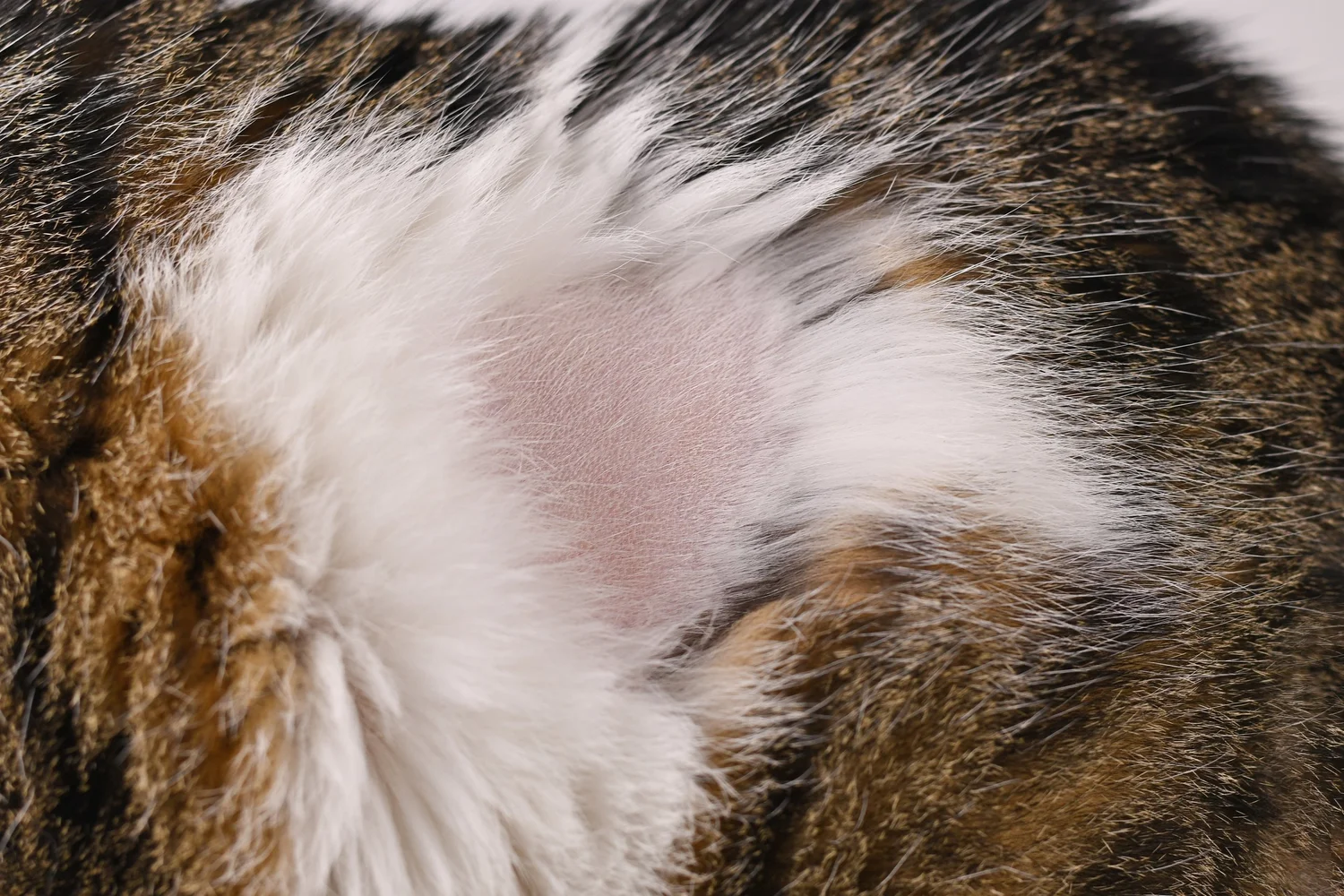
Yes, excessive grooming can signal stress, allergies, or skin infections. It may cause bald patches or sores. If your cat grooms obsessively, consult a vet to rule out medical or behavioral issues.
Do Cats Groom For Social Reasons?
Yes, cats groom to bond with other cats or their owners. Social grooming strengthens relationships, reduces tension, and shows affection. It’s a vital part of their communication and social behavior.
Conclusion
Cats groom themselves to stay clean and healthy. This behavior helps remove dirt and loose fur. Grooming also controls their body temperature. It calms them and reduces stress. You may notice your cat grooming more when nervous or sick. Understanding this habit helps you care for your pet better.
Watch for changes in grooming, as it signals health issues. Let your cat groom naturally but keep an eye on their well-being. Their grooming is a sign of comfort and self-care. Simple but important.

Leave a Reply