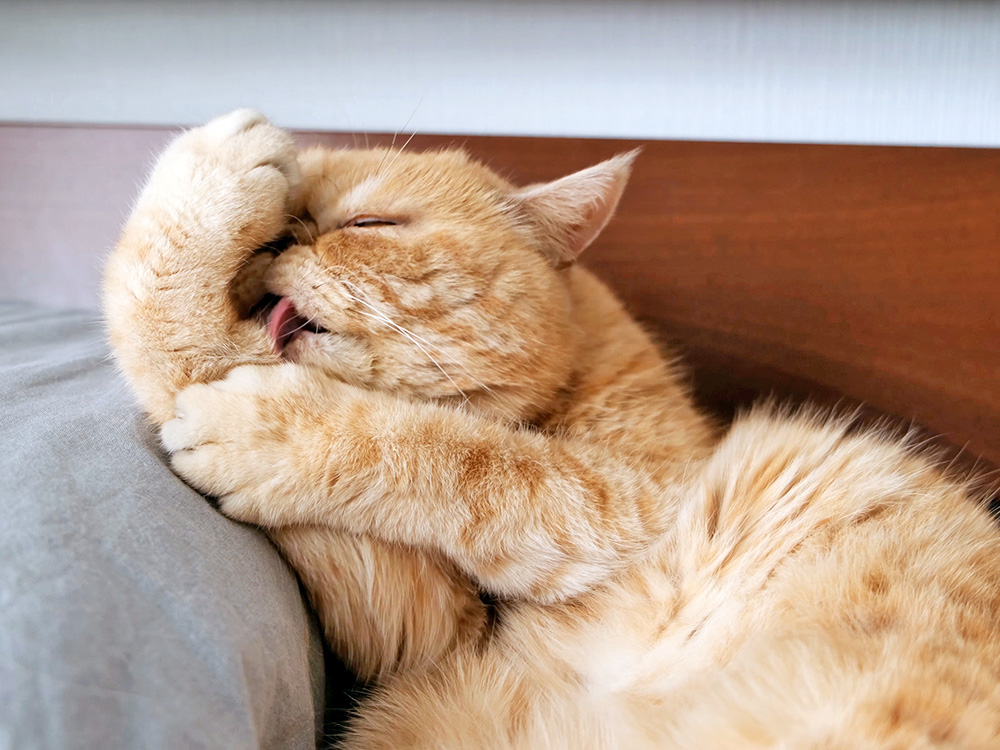
Have you ever watched your cat spend hours licking its fur and wondered why it grooms so much? You might think it’s just about staying clean, but there’s much more behind this curious habit.
Understanding why your cat obsessively grooms can help you spot if something’s wrong or just learn more about your furry friend’s unique behavior. Keep reading, and you’ll discover surprising reasons that could change the way you care for your cat every day.
Normal Grooming Habits
Cats are known for their meticulous grooming habits, which can sometimes seem like an obsession. Understanding what normal grooming looks like helps you recognize when your cat’s behavior is healthy or when it might be a sign of stress or health issues. Let’s take a closer look at the purpose and frequency of grooming in healthy cats.
Purpose Of Grooming
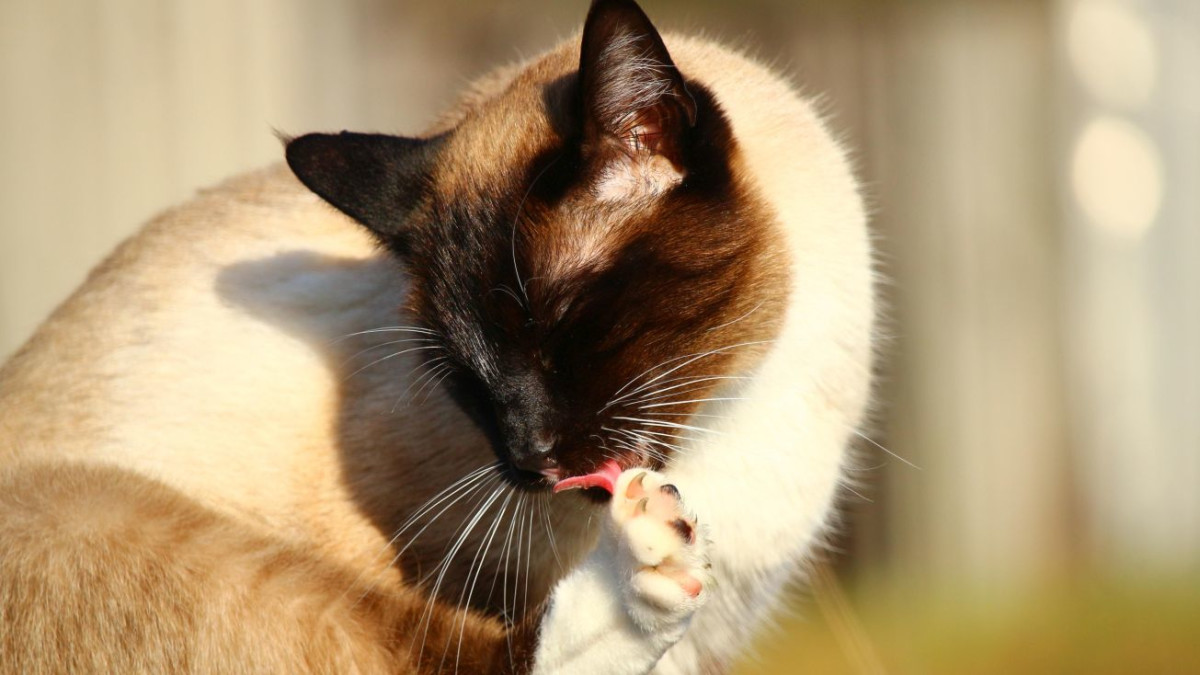
Grooming serves several important roles for your cat. It helps keep their fur clean and free of dirt, parasites, and loose hair. This activity also regulates body temperature and stimulates blood flow to the skin.
Beyond the physical benefits, grooming provides comfort and reduces stress. Have you noticed how your cat calms down after a good grooming session? It’s their way of self-soothing and maintaining a sense of control in their environment.
Frequency In Healthy Cats
Healthy cats groom themselves multiple times a day, often spending up to 50% of their waking hours on this task. Younger cats and those with longer fur tend to groom more frequently to keep their coats in top condition.
If your cat suddenly changes how often they groom, it’s worth paying attention. Less grooming might signal illness, while excessive grooming can indicate anxiety or skin problems. Observing these patterns helps you understand your cat’s well-being better.
Credit: pethelpful.com
Stress And Anxiety Effects
Cats often groom themselves to keep clean, but when grooming becomes obsessive, it might be a sign of stress or anxiety. This behavior acts as a coping mechanism, helping cats feel more in control when their environment feels overwhelming. Understanding how stress affects your cat’s grooming can help you spot problems early and offer the right support.
Signs Of Stress Grooming
You might notice your cat licking or chewing the same spot repeatedly, sometimes causing bald patches or irritated skin. This over-grooming goes beyond normal cleanliness and often looks like frantic or compulsive behavior. Other signs include excessive shedding or the appearance of sores from constant licking.
Is your cat suddenly spending hours grooming instead of resting or playing? This shift in behavior can be a red flag that they are feeling anxious. Pay attention to changes in grooming patterns, especially if they coincide with new stressors in your cat’s life.
Common Stress Triggers
Changes in your cat’s routine, like moving to a new home or introducing a new pet, can spark anxiety. Loud noises, unfamiliar people, or even boredom can also push your cat into over-grooming as a self-soothing behavior.
- Sudden changes in environment
- Conflicts with other pets
- Lack of mental stimulation or exercise
- Health issues that cause discomfort or pain
- Inconsistent feeding or litter box maintenance
Have you noticed whether your cat’s over-grooming started after a specific event? Pinpointing triggers can guide you in creating a calmer space for your feline friend. Small changes like adding hiding spots, regular playtime, or pheromone diffusers might reduce anxiety and ease the grooming obsession.
Medical Causes
Cats may groom obsessively due to skin allergies, parasites, or infections causing discomfort. Medical issues like pain or stress can also trigger this behavior. A vet check helps identify and treat the underlying cause.
Cats are known for their fastidious grooming habits, but when does grooming become obsessive? While some cats may groom excessively due to stress or behavioral issues, there are also various medical reasons that can lead to this behavior. Understanding these medical causes is essential to ensure your feline friend stays healthy and comfortable.Skin Allergies And Irritations
Cats can suffer from skin allergies just like humans. These allergies often lead to itching and discomfort, prompting your cat to groom excessively in an attempt to find relief. Common allergens include certain foods, pollen, or dust mites. Imagine if your skin was constantly itchy—wouldn’t you try to scratch it too? Keep an eye out for red or inflamed areas on your cat’s skin as they may indicate an allergic reaction. Consulting your vet can help pinpoint the allergen and provide a treatment plan.Parasites And Infections
Parasites like fleas and mites can cause severe itching and irritation, leading cats to groom excessively. Even a single flea bite can trigger a significant reaction in sensitive cats. Regularly checking your cat for parasites and maintaining a preventive care routine can help keep these pesky invaders at bay. Additionally, bacterial or fungal infections can also cause your cat to over-groom. Look out for unusual smells or changes in your cat’s coat as these could be signs of an infection. If you notice your cat grooming more than usual, take a closer look. Is it just a quirky habit, or could it be something more? Engaging with your vet and understanding the medical causes can make all the difference in your cat’s quality of life.
Credit: basepaws.com
Behavioral Issues
Obsessive grooming in cats can be more than just a quirky habit. It often signals underlying behavioral issues that need your attention. Understanding these behaviors helps you support your feline friend better and prevent any harm caused by excessive licking or biting.
Compulsive Grooming Explained
Compulsive grooming is a behavior where cats groom themselves excessively beyond normal cleaning. This can lead to hair loss, skin irritation, and sores. It’s similar to anxiety-driven habits in humans, like nail-biting.
One cat I once cared for would lick her paws until they bled whenever she felt stressed. Recognizing this behavior helped me consult a vet who suggested environmental changes and calming aids. Have you noticed your cat grooming more when something in the environment changes?
Impact Of Boredom
Boredom is a common trigger for obsessive grooming. Cats are natural hunters and need mental and physical stimulation to stay balanced.
- Without enough playtime or interaction, cats may channel their energy into grooming excessively.
- Providing toys, climbing structures, or scheduled play sessions can reduce this behavior significantly.
Ask yourself if your cat has enough outlets for energy. Could a few minutes of active play daily prevent your cat’s grooming obsession? Often, simple changes can make a huge difference in your cat’s well-being.
Environmental Factors
Environmental factors play a significant role in why cats might groom themselves obsessively. Your cat’s surroundings influence its behavior more than you might realize. Understanding these factors can help you create a calmer space for your feline friend.
Changes In Surroundings
Cats are creatures of habit and can get stressed by sudden changes in their environment. Moving furniture, new visitors, or even different scents can make your cat anxious, prompting excessive grooming as a self-soothing behavior.
Think about the last time you rearranged your living room. Did your cat seem unsettled or start licking itself more than usual? This behavior is often a way for cats to regain control and comfort when their world feels unpredictable.
Influence Of Other Pets
Introducing new pets or changes in the dynamics among your animals can trigger grooming obsession. Cats may groom excessively if they feel threatened or stressed by the presence of a new dog or another cat.
One of my cats started over-grooming after we adopted a playful puppy. She was not used to the puppy’s energy and sought comfort in licking. Have you noticed your cat’s grooming habits shift after adding a new pet?
To help, try giving your cat a quiet, safe space away from other animals. This can reduce anxiety and prevent compulsive grooming triggered by social stress.

Credit: basepaws.com
How To Help Your Cat
Helping a cat that grooms obsessively takes patience and care. Understanding the reasons behind this behavior guides the way you support your pet. Observing your cat closely can reveal clues about what triggers excessive grooming. Acting early can prevent skin damage and stress for your cat.
Identifying The Cause
Start by watching your cat’s grooming habits carefully. Check for signs like bald patches, redness, or swelling. Notice if grooming happens after certain events or changes at home. Stress, allergies, or parasites often cause over-grooming. A calm environment and regular playtime can reduce anxiety. Keep a journal of your cat’s behavior and any changes.
When To See A Veterinarian
Consult a vet if grooming causes wounds or hair loss. Persistent itching or changes in appetite and mood also need professional attention. The vet can check for infections, allergies, or other health problems. Early diagnosis helps treat the root cause quickly. Follow the vet’s advice on medication or special shampoos.
Behavioral Therapy Options
Behavioral therapy can help reduce stress-related grooming. Try increasing interactive play to distract your cat. Use toys that mimic hunting to engage natural instincts. Create safe, quiet spaces for your cat to relax. Reward calm behavior with treats and praise. Sometimes, a certified animal behaviorist may offer valuable guidance. Patience is key during behavioral changes.
Frequently Asked Questions
Why Do Cats Groom Themselves So Often?
Cats groom to keep clean, remove dirt, and regulate body temperature. Grooming also reduces stress and strengthens bonds with other cats.
Can Obsessive Grooming Indicate Cat Health Problems?
Yes, excessive grooming can signal allergies, skin infections, or parasites. It may also indicate stress or anxiety in cats.
How Does Grooming Affect A Cat’s Skin And Coat?
Grooming distributes natural oils, keeping the coat shiny and skin healthy. It prevents matting and removes loose fur and debris.
Is Obsessive Grooming A Sign Of Stress In Cats?
Yes, cats may groom excessively when stressed or anxious. It serves as a coping mechanism to calm themselves.
Conclusion
Cats groom themselves to stay clean and healthy. This habit helps remove dirt and loose fur. Grooming also cools them down and calms their nerves. Sometimes, grooming shows stress or boredom. Watching a cat groom can be relaxing and cute.
Understanding why cats groom helps you care for them better. Pay attention if grooming seems too much. It might mean your cat needs extra love or a vet visit. Keep your cat happy by knowing its grooming habits well. Simple care makes a big difference in your cat’s life.


Leave a Reply