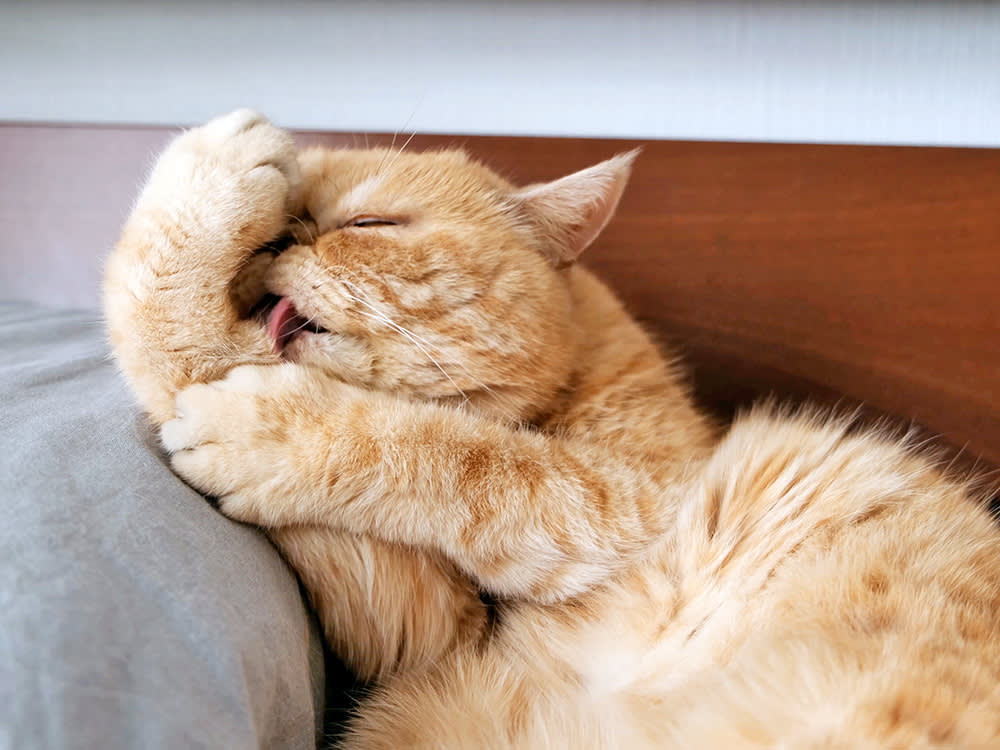
Have you ever noticed your cat suddenly start licking its fur more than usual when something seems off? You might wonder, why do cats groom themselves when nervous?
This curious behavior isn’t just about staying clean. It’s a secret way your feline friend tries to calm down and feel safe. Understanding this can help you connect better with your cat and even ease their anxiety. Keep reading to discover the surprising reasons behind this common habit and how it impacts your cat’s well-being.
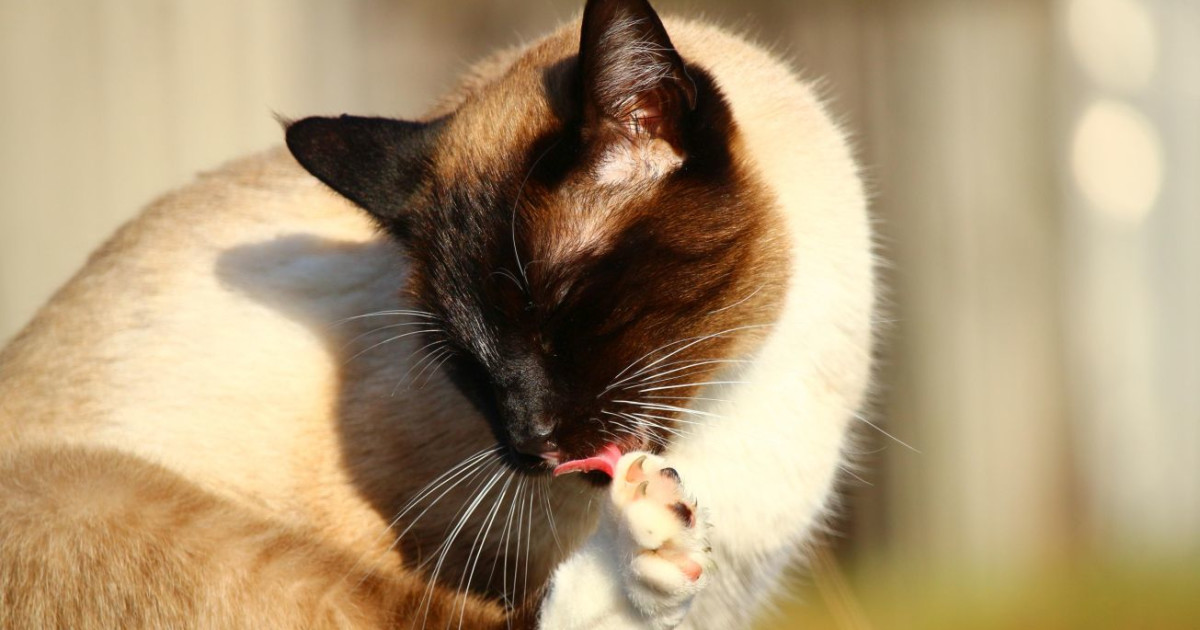
Credit: pethelpful.com
Cat Grooming Behavior
Cats spend a significant part of their day grooming themselves, and this behavior goes beyond just staying clean. Grooming is a natural activity that helps cats regulate their body temperature, remove loose fur, and even calm their nerves. Understanding how and why your cat grooms can give you insights into their emotional and physical well-being.
Normal Grooming Patterns
Most cats groom themselves several times a day, focusing on areas like their face, neck, and paws. This routine helps maintain their coat’s health by removing dirt and distributing natural oils. Have you noticed your cat paying extra attention to a particular spot? Sometimes it signals irritation or stress.
Grooming also serves as a social behavior. Cats often groom each other to strengthen bonds, but when alone, self-grooming is their way to feel secure and in control. If your cat suddenly starts grooming more than usual, it might be a sign they’re feeling anxious or uneasy.
Frequency And Duration
The average grooming session lasts from a few minutes to half an hour, depending on the cat’s mood and environment. Younger cats tend to groom more frequently as they are more active and playful, while older cats might take longer but fewer sessions. Have you ever timed how long your cat spends cleaning itself?
Changes in grooming frequency can indicate stress or health issues. For example, a nervous cat might groom excessively to soothe itself, sometimes leading to bald patches or skin irritation. On the other hand, a sick or depressed cat might groom less, which could result in a messy or unkempt coat.
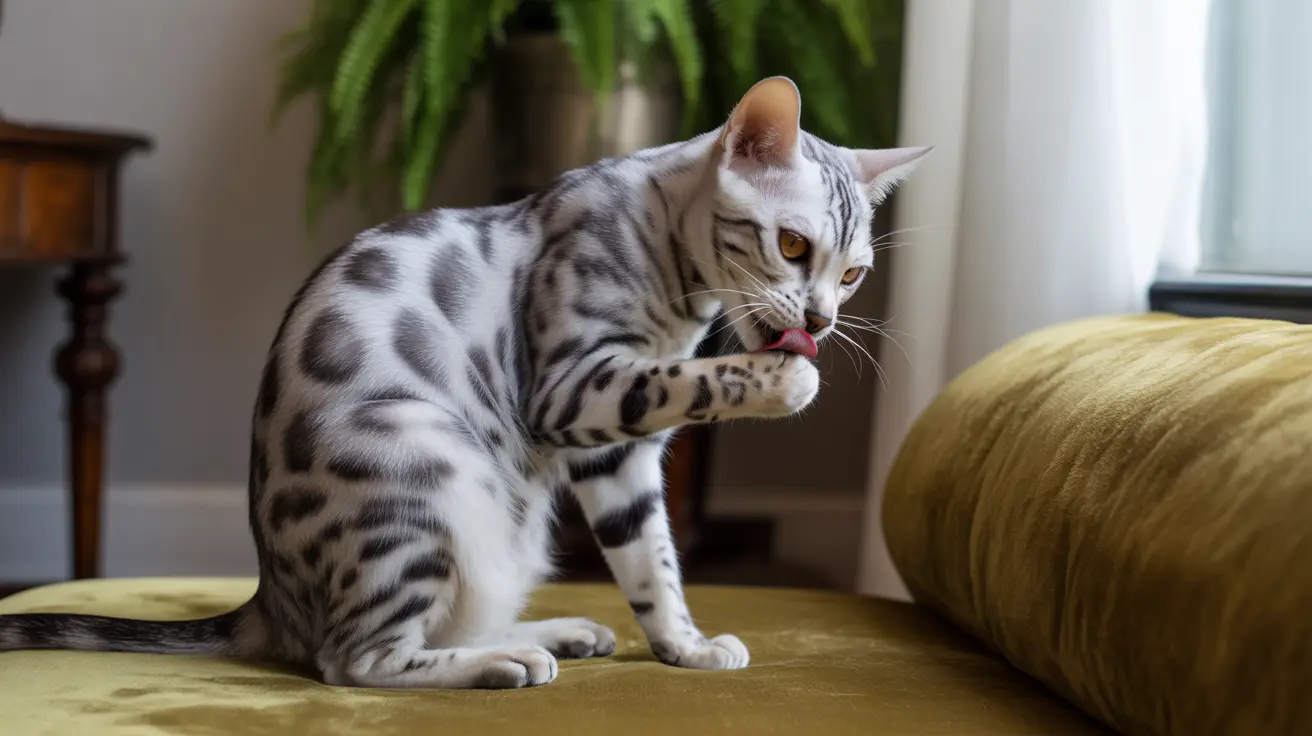
Credit: www.petscare.com
Stress And Anxiety In Cats
Stress and anxiety affect cats just like they do humans, often leading to noticeable changes in behavior. When your feline friend feels uneasy, they may turn to grooming as a way to self-soothe. Understanding the reasons behind this can help you better support your cat’s emotional health.
Common Triggers
Various situations can make your cat feel nervous or stressed. Changes in their environment, such as moving to a new home or having unfamiliar guests, often trigger anxiety. Loud noises like fireworks or vacuum cleaners can also unsettle them.
Other triggers include:
- Conflict with other pets in the household
- Sudden changes in routine, like feeding times
- Health issues causing discomfort or pain
Have you noticed your cat grooming more intensely after a stressful event? That’s a key sign they’re trying to manage their anxiety.
Physical And Behavioral Signs
Besides excessive grooming, stress in cats shows up in several ways. Physically, you might see them licking or biting certain spots until the fur thins or skin becomes irritated. This can lead to hair loss or even wounds if unchecked.
Behaviorally, stressed cats may:
- Hide more often or avoid social interaction
- Become unusually aggressive or withdrawn
- Exhibit changes in appetite or litter box habits
Recognizing these signs early lets you intervene before your cat’s anxiety worsens. What steps can you take today to create a calmer space for your furry companion?
Grooming As A Stress Response
Cats groom themselves to calm down when they feel nervous. This self-cleaning helps reduce stress and makes them feel safer. Grooming acts as a soothing habit during uneasy moments.
Cats are fascinating creatures with a variety of intriguing behaviors, one of which is grooming themselves when they feel nervous. This might seem puzzling, but it serves a specific purpose in their feline world. Grooming acts as a stress response, offering them a way to cope with anxiety and uncertainty.Self-soothing Mechanism
Grooming is not just about staying clean; it’s a self-soothing mechanism for cats. When your cat is nervous, you might notice them licking their fur excessively. This repetitive action releases endorphins, which are natural feel-good hormones. Imagine you’re sitting in a dentist’s waiting room feeling anxious. Chewing gum or tapping your foot can help calm your nerves. Similarly, grooming helps cats calm themselves by providing a comforting and familiar activity.Displacement Activity
Grooming can also be a displacement activity when a cat is faced with conflicting emotions or situations. If a cat is unsure whether to flee from or confront a perceived threat, it might start grooming instead. This behavior serves as a temporary distraction, allowing the cat to pause and reassess the situation. It’s like when you’re caught in a dilemma and start cleaning your room to clear your mind. Have you ever noticed your cat grooming itself after being startled by a loud noise? This isn’t a coincidence. It’s a strategic move to regain composure and control, a clever way to handle stress without direct confrontation. Understanding these behaviors can help you provide a more comforting environment for your feline friend. By recognizing the signs of stress and offering reassurance, you can help your cat feel more secure and less anxious.Chemical Changes During Grooming
Cats often turn to grooming as a way to manage their stress, but this behavior is more than just keeping clean. During grooming, their bodies undergo specific chemical changes that help soothe their nerves and bring a sense of calm. Understanding these changes can give you insight into why your cat might lick themselves excessively when feeling uneasy.
Release Of Endorphins
Grooming triggers the release of endorphins in a cat’s brain. These natural chemicals act like painkillers and mood boosters.
When your cat licks their fur, the brain responds by producing these feel-good hormones. This process helps reduce feelings of anxiety and discomfort.
Have you noticed your cat grooming more after a stressful event? It’s their body’s way of coping through endorphin release.
Calming Effects
Endorphins don’t just relieve pain; they create a calming effect that helps your cat relax.
This calming state can lower their heart rate and reduce the physical symptoms of stress. Grooming becomes a coping mechanism that brings emotional balance.
Next time your cat starts grooming when nervous, watch how their whole body seems to settle. This simple act is their natural way of calming down without needing external help.
When Grooming Becomes Excessive
Grooming is a natural and healthy behavior for cats, but it can turn into a problem when it becomes excessive. When your cat grooms too much, it might be trying to cope with stress or anxiety, but this habit can lead to other serious issues. Understanding when grooming crosses the line helps you protect your cat’s well-being and comfort.
Signs Of Overgrooming
You might notice bald patches or thinning fur on your cat’s body, especially around the belly, legs, or face. Excessive licking can cause redness, raw skin, or scabs, which are clear signals that your cat is overgrooming. Sometimes, you may even see your cat biting or scratching in the same spots repeatedly.
Does your cat seem restless or unable to settle down? Overgrooming often comes with changes in behavior like hiding, irritability, or decreased appetite. These signs can help you catch the issue early before it worsens.
Potential Health Issues
Overgrooming can lead to skin infections due to constant irritation and open wounds. Your cat might develop painful sores that can become infected, requiring veterinary care. Allergies, parasites, or underlying skin conditions might also be causing the excessive grooming, so a vet checkup is important.
Stress-related grooming can mask deeper emotional or medical problems, such as anxiety or pain. Ignoring these signs could make your cat’s condition worse. Have you noticed any recent changes in your cat’s environment or routine that might be triggering this behavior?
Helping Nervous Cats
Helping nervous cats requires patience and understanding. Cats often groom themselves to cope with stress, but this behavior can sometimes become excessive. By creating a supportive environment and using behavioral strategies, you can help your cat feel more secure and reduce their anxiety-driven grooming.
Creating A Calm Environment
Your cat’s surroundings have a huge impact on their stress levels. Try to keep their space quiet and free from sudden loud noises. Adding cozy hiding spots, like covered beds or boxes, gives them a safe retreat when they feel overwhelmed.
Consider using pheromone diffusers designed for cats. These can mimic natural calming scents and help reduce nervousness. Do you notice your cat relaxing more when the house is calm and predictable?
Behavioral Interventions
Redirecting your cat’s attention can prevent excessive grooming. Play interactive games or offer puzzle feeders to keep their mind busy. Regular playtime not only reduces stress but strengthens your bond.
Reward calm behavior with treats or gentle petting. Over time, your cat will associate relaxation with positive experiences. Have you tried identifying specific triggers that make your cat anxious and gradually exposing them to those in a controlled way?
When To Seek Veterinary Help
If grooming turns into bald patches or skin sores, it’s time to consult a vet. Excessive grooming can indicate underlying medical issues like allergies or skin infections. Your vet can help rule out health problems and suggest medication if needed.
Don’t hesitate to ask about anxiety treatments or behavioral therapy options. Professional guidance can make a big difference when home strategies aren’t enough. How often do you monitor your cat’s grooming to spot early signs of distress?
Credit: hellopetsinc.com
Frequently Asked Questions
Why Do Cats Groom Themselves When Nervous?
Cats groom to calm their nerves and reduce stress. This behavior releases endorphins, which help them feel safer. Grooming also distracts them from anxiety and restores a sense of control in uncertain situations, making it a natural coping mechanism.
How Does Grooming Help Anxious Cats?
Grooming soothes anxious cats by lowering their heart rate and calming their mind. It acts like a self-soothing ritual, providing comfort during stress. This repetitive action helps reduce tension and promotes relaxation, helping cats handle nervousness better.
Can Excessive Grooming Indicate Cat Anxiety?
Yes, excessive grooming can be a sign of anxiety in cats. It may lead to hair loss or skin irritation. If your cat grooms too much, it’s important to identify stress triggers and consult a vet for proper care.
Is Grooming A Cat’s Way To Feel Secure?
Absolutely, grooming helps cats feel secure by maintaining their scent and cleanliness. It reassures them in unfamiliar or stressful environments. Grooming is a natural way for cats to create a safe, familiar feeling around themselves.
Conclusion
Cats groom themselves to feel calm and safe when nervous. This behavior helps them manage stress and stay relaxed. Grooming also distracts their mind from fear or discomfort. Understanding this can improve your bond with your cat. Next time your cat grooms nervously, remember it’s their way of coping.
Offering a quiet space can help them feel more secure. Watching these signs helps you care for your cat better. Simple actions can make a big difference in their well-being. Trust your cat’s natural instincts to handle stress.


Leave a Reply