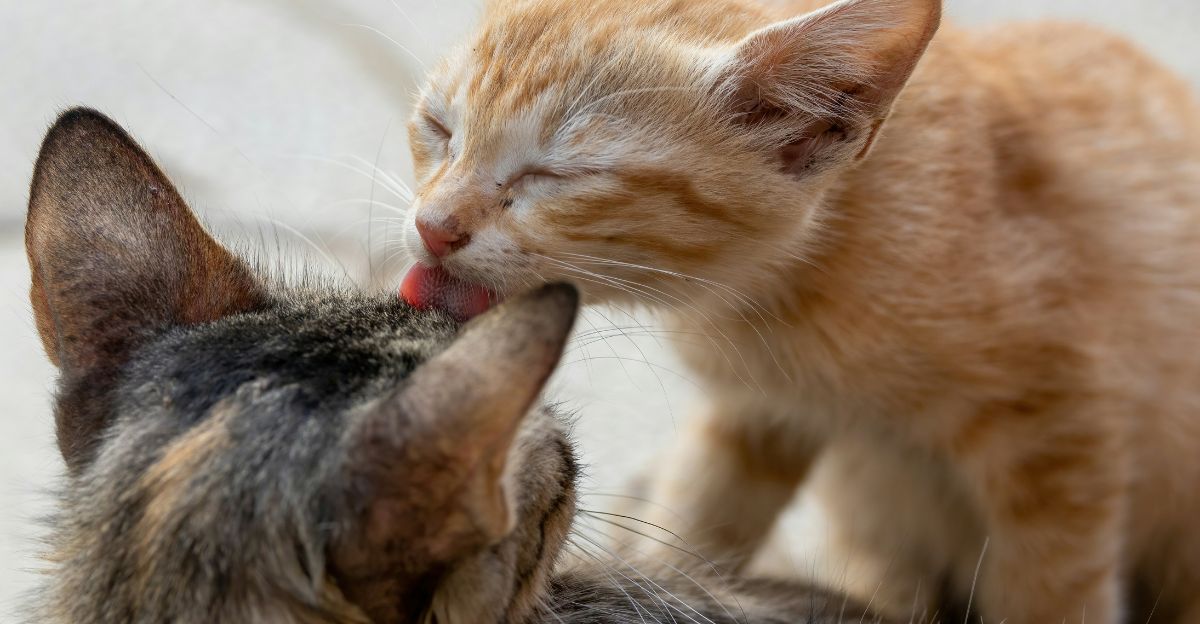
Have you ever watched two cats carefully cleaning each other, only to see one suddenly give a quick bite? It might seem confusing or even a little strange.
But there’s a reason behind this curious behavior that goes deeper than just play or annoyance. Understanding why cats groom each other and then bite can help you better connect with your furry friends and keep your home calm and happy.
Keep reading, because unlocking this secret will change the way you see your cats’ interactions forever.
Cat Grooming Behavior
Cats grooming each other is a common and fascinating behavior. It shows their social nature and helps build strong bonds. Grooming is more than cleaning fur; it is a way cats communicate and care for each other.
Social Bonding Through Grooming
Cats groom each other to strengthen friendships. This action creates trust and comfort between cats. It helps reduce stress and makes them feel safe. Grooming also shows acceptance in the group. Cats that groom together usually share a close relationship.
Benefits Of Mutual Grooming
Mutual grooming offers many benefits beyond cleanliness:
- Removes dirt and loose fur from hard-to-reach places
- Reduces parasites like fleas
- Helps regulate body temperature
- Promotes relaxation and calmness
It is a natural way cats care for themselves and each other. This behavior helps maintain a healthy and happy group of cats.

Credit: basepaws.com
Reasons Behind Grooming Bites
Cats grooming each other and then suddenly biting might seem confusing. But this behavior has clear reasons rooted in communication and social dynamics. Understanding why cats do this can help you better interpret their interactions and respond appropriately.
Playful Interaction
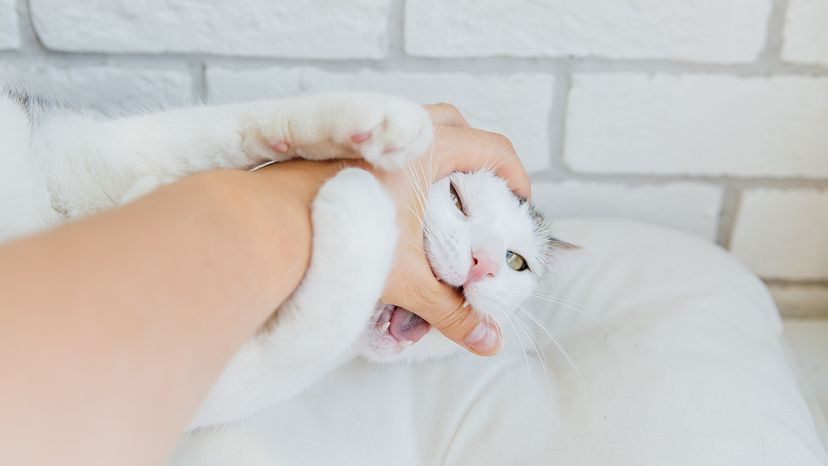
Sometimes, a gentle bite after grooming is a way cats play with each other. It’s like saying, “I’m still here, and I’m having fun.”
You might notice your cats’ tails twitch or their ears perk up during these moments, signaling excitement rather than aggression. This playful bite helps keep their bond lively and engaging.
Setting Boundaries
Not every cat enjoys being groomed for long periods. A quick nip can be a clear message: “That’s enough.”
Think about how you might gently push away someone who’s tickling you too much. Cats use these bites to control how much grooming they receive and avoid discomfort.
Overstimulation Response
Sometimes grooming triggers too much sensation, leading to an overstimulation bite. This happens when your cat feels overwhelmed or ticklish.
Watch for signs like a sudden tail flick or a shift in body tension before the bite. Recognizing these cues helps you know when to give your cat some space during grooming sessions.
Communication Through Grooming And Biting
Cats groom each other to show care and build trust. Biting often follows as a playful way to set limits or get attention. This mix helps cats communicate feelings and maintain their social bonds.
Cats communicate in many ways, with grooming and biting being key methods. These behaviors often confuse cat owners. Yet, they hold deep meanings in feline language.Signals Of Affection
Grooming between cats often shows affection. Cats lick each other’s fur to bond. This act strengthens their social connection. It also mirrors behavior from their kitten days. Kittens get groomed by their mothers. So, when cats groom each other, it recalls those comforting moments. This interaction builds trust and friendship.Warning Signs And Limits
Biting can signal a different message. Cats may bite to set boundaries. It’s a way to say “enough” during grooming. A gentle nip can mean the cat needs space. Observing body language helps understand if a bite is playful or a warning. Flattened ears or a swishing tail may show irritation. Recognizing these signs avoids misunderstandings. It ensures a peaceful and happy relationship between cats.When Grooming Bites Become Problematic
Cats often groom each other as a social and bonding activity. Sometimes, this grooming includes gentle biting. This behavior is usually normal and part of their communication. However, grooming bites can become a problem if they turn aggressive or too rough.
Understanding when grooming bites cross the line helps keep cats safe and happy. It also prevents stress and injury in your pets.
Identifying Aggressive Behavior
- Bites that cause yelping or sudden withdrawal.
- Swelling, redness, or bleeding on the skin.
- Hissing, growling, or ears pinned back during grooming.
- Repeated chasing or attacking after grooming sessions.
- One cat trying to escape or hide frequently.
These signs show that grooming has become uncomfortable or painful. It may indicate tension between cats.
Tips To Manage Excessive Biting
- Separate cats during stressful moments.
- Provide plenty of toys and activities to reduce boredom.
- Use gentle distraction like a soft voice or toy.
- Reward calm and gentle behavior with treats.
- Ensure each cat has its own space and resources.
- Consult a vet if biting causes injury or stress.
Managing grooming bites improves your cats’ relationship and wellbeing. Careful observation helps catch problems early.
How To Encourage Positive Grooming
Encouraging positive grooming among cats helps build trust and reduce biting during their interactions. It requires patience and attention to their needs. Creating a calm and safe space is the first step. Supporting good relationships between cats also plays a key role.
Creating A Calm Environment
Cats feel safer in quiet, peaceful places. Loud noises or sudden movements can stress them. Provide cozy spots where cats can relax without interruptions. Use soft lighting and avoid crowded areas. Offer separate resting places for each cat. This lowers tension and helps them enjoy grooming each other calmly.
Promoting Healthy Cat Relationships
Healthy bonds reduce aggressive grooming behaviors. Let cats meet slowly and under supervision. Reward gentle grooming with treats or soft petting. Watch their body language for signs of discomfort. Encourage play and shared activities to strengthen their connection. Respect each cat’s limits and give space when needed. Good relationships make grooming a positive experience for all.

Credit: basepaws.com
Credit: animals.howstuffworks.com
Frequently Asked Questions
Why Do Cats Groom Each Other Frequently?
Cats groom each other to strengthen social bonds and show affection. This behavior promotes group harmony and reduces tension among cats in the same household or colony.
What Causes Cats To Bite After Grooming?
Cats may bite after grooming as a playful gesture or to signal that they want to stop. It can also indicate overstimulation or mild irritation.
Is Mutual Grooming A Sign Of Cat Friendship?
Yes, mutual grooming indicates trust and friendship among cats. It helps build strong social connections and reassures each other within their group.
Can Grooming And Biting Indicate Dominance?
Grooming followed by biting can sometimes be a dominance display. The cat may be asserting control while maintaining social ties.
Conclusion
Cats groom each other to show trust and care. The gentle biting often means they feel close or playful. Sometimes, biting helps stop grooming if it lasts too long. This behavior helps cats bond and stay clean. Understanding this can improve how you read your cat’s actions.
Watch their body language to know when grooming turns to biting. It’s a natural way cats communicate and connect with each other. Knowing this helps you care for your pets better. Cats have their own unique ways of showing love.

Leave a Reply