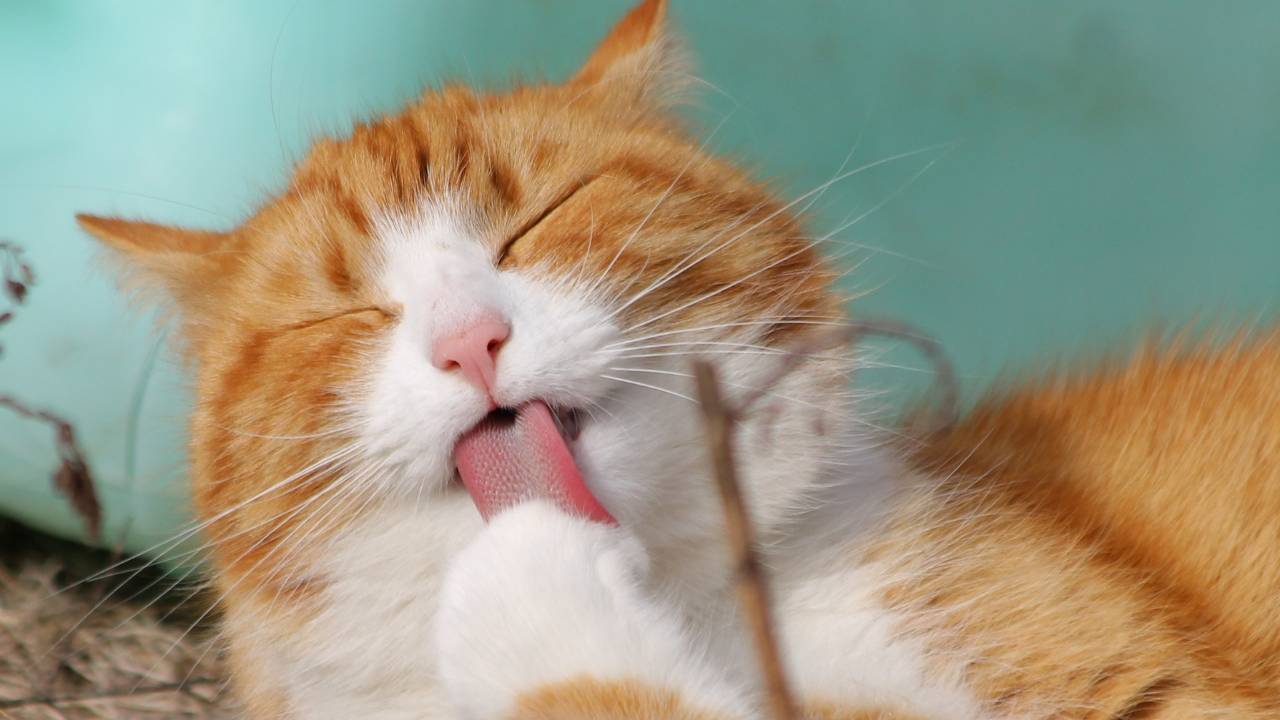
Have you ever noticed your cat biting its paws while grooming and wondered why? It might seem strange or even a little worrying.
But there’s more to this behavior than meets the eye. Understanding why your cat does this can help you keep them happy and healthy. Keep reading, and you’ll discover the surprising reasons behind this common habit—and what you can do if it becomes a problem.

Credit: www.mewcats.com
Cat Grooming Habits
Cats are known for their meticulous grooming habits, and watching a cat carefully tend to its fur can be quite fascinating. Grooming is not just about keeping clean; it’s a vital part of a cat’s daily routine that helps maintain their health and comfort. Understanding why cats bite their paws during grooming sheds light on their natural behaviors and needs.
Normal Grooming Behavior
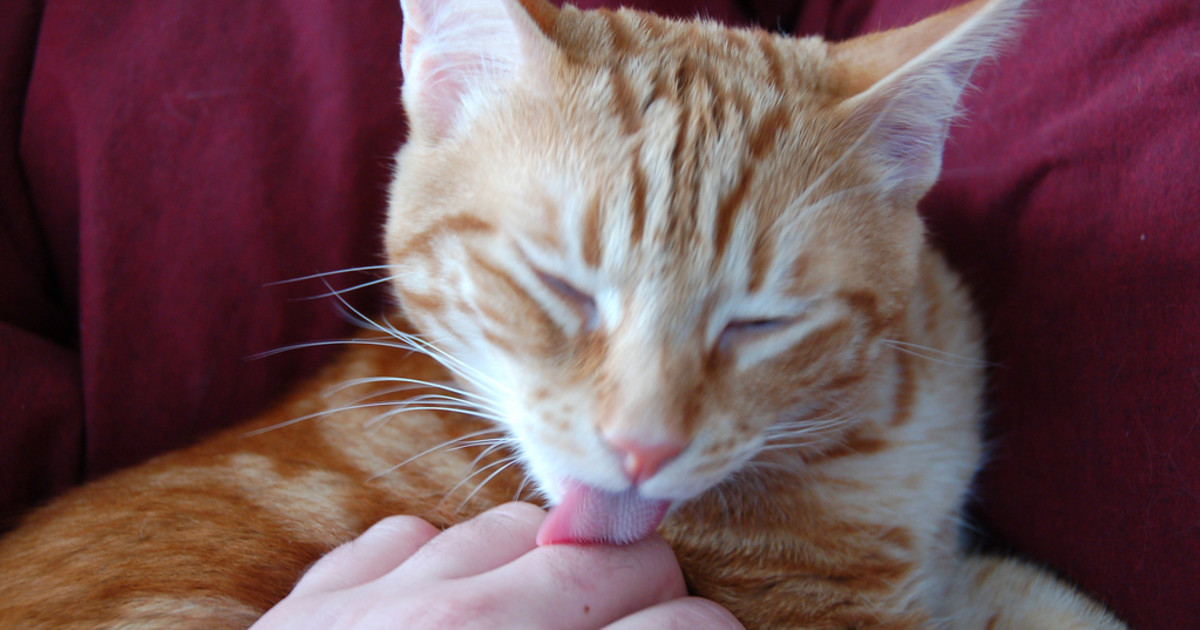
Cats spend a significant part of their day grooming themselves. They use their tongues and teeth to clean their fur, remove loose hair, and untangle knots. Biting their paws is a natural part of this process, especially when they need to clean between their toes or remove dirt and debris.
Have you noticed your cat pausing to nibble on a particular spot? This often means they found something that needs extra attention, like a stuck piece of litter or a small twig. This precise behavior helps keep their paws clean and functional.
Importance Of Paw Cleaning
Paw cleaning is crucial for cats because their paws come into contact with many surfaces. Dirt, bacteria, and even small parasites can cling to their paws, which they need to remove to stay healthy. By biting and licking their paws, cats protect themselves from infections and irritation.
Your cat’s paw grooming also helps them maintain their sharp claws. Cleaning around the claws removes old sheath material and prevents buildup. If you’ve ever seen your cat carefully biting and pulling at their paws, you’ve witnessed a critical part of their health routine.
Reasons For Paw Biting
Cats biting their paws during grooming is a behavior that often puzzles many pet owners. Understanding why your cat does this can help you better care for their health and comfort. Several key reasons drive this behavior, each linked to your cat’s natural instincts and physical needs.
Removing Dirt And Debris
Your cat’s paws come into contact with all kinds of surfaces, picking up dirt, dust, and small particles. Biting helps your cat clean these away, especially from hard-to-reach spots between their toes. Think about how you might use your fingers to remove a splinter or dirt stuck in a nail—cats do something similar with their teeth.
Relieving Itchiness
If your cat’s paws feel itchy, biting can provide quick relief. Itchiness might be caused by allergies, insect bites, or dry skin. Paying close attention when your cat bites their paws frequently can alert you to underlying issues that might need a vet’s attention.
Soothing Minor Injuries
Cats often bite their paws to soothe small cuts or irritations. The gentle biting action can reduce discomfort and help clean wounds, preventing infection. If you notice excessive biting or swelling, it’s worth checking your cat’s paws for any hidden injuries or irritants.
Medical Causes
Cats may bite their paws due to allergies, infections, or skin irritations. Pain or discomfort often causes this grooming behavior. Checking for wounds or parasites helps identify medical issues.
Cats are known for their meticulous grooming habits. However, if you notice your feline friend biting their paws excessively, it might indicate an underlying medical issue. Understanding these causes can help ensure your cat stays healthy and comfortable.Allergies And Skin Irritations
Cats, just like humans, can suffer from allergies. These might be caused by certain foods, environmental factors like pollen, or even flea bites. When allergies strike, they can lead to skin irritations, prompting your cat to bite their paws in an attempt to relieve the itchiness. Imagine a time when you had an itch you couldn’t scratch. Frustrating, right? Your cat feels the same way. If you suspect allergies, consider consulting your vet for allergy testing or dietary adjustments.Parasites And Infections
Parasites, such as fleas and mites, are common culprits behind excessive paw biting. These tiny invaders can cause significant discomfort and lead to infections if not addressed promptly. Observe your cat for signs like redness, swelling, or an unusual odor around the paws. Regular check-ups and maintaining a parasite prevention regimen can go a long way in keeping your pet parasite-free.Pain And Discomfort
Sometimes, a cat biting its paws might be experiencing pain from an injury or an unseen object lodged in their paw. This could range from a small splinter to a more serious wound. Have you ever stepped on a sharp object and immediately checked your foot? Your cat is doing the same. Regularly inspect their paws for any signs of injury, and ensure your home is free from sharp objects that might cause harm. By being attentive to these medical causes, you can help your cat lead a happier, itch-free life.Behavioral Factors
Understanding why cats bite their paws during grooming involves looking closely at their behavior. Sometimes, this action is more than just cleaning—it can be a sign of emotional or psychological triggers. Recognizing these behavioral factors can help you respond better to your cat’s needs and improve their well-being.
Stress And Anxiety
Cats often bite their paws when they feel stressed or anxious. This behavior can serve as a calming mechanism, much like how humans might bite their nails or tap their fingers. If your cat has recently experienced changes, like moving to a new home or the arrival of a new pet, watch for increased paw biting.
You might notice your cat licking or biting more aggressively during these times. Could your cat’s environment be causing hidden stress? Consider creating a quiet, safe space for your cat to retreat to.
Boredom And Overgrooming
When cats don’t get enough mental or physical stimulation, they may start overgrooming, including biting their paws. This repetitive behavior can turn into a habit, sometimes causing skin irritation or even wounds. If you see your cat doing this often, it might mean they need more playtime or interaction.
Try adding variety to your cat’s day with toys, puzzles, or new play routines. Have you noticed your cat’s paw biting spikes during certain times of the day? That could be a clue to when they need more engagement.
Seeking Attention
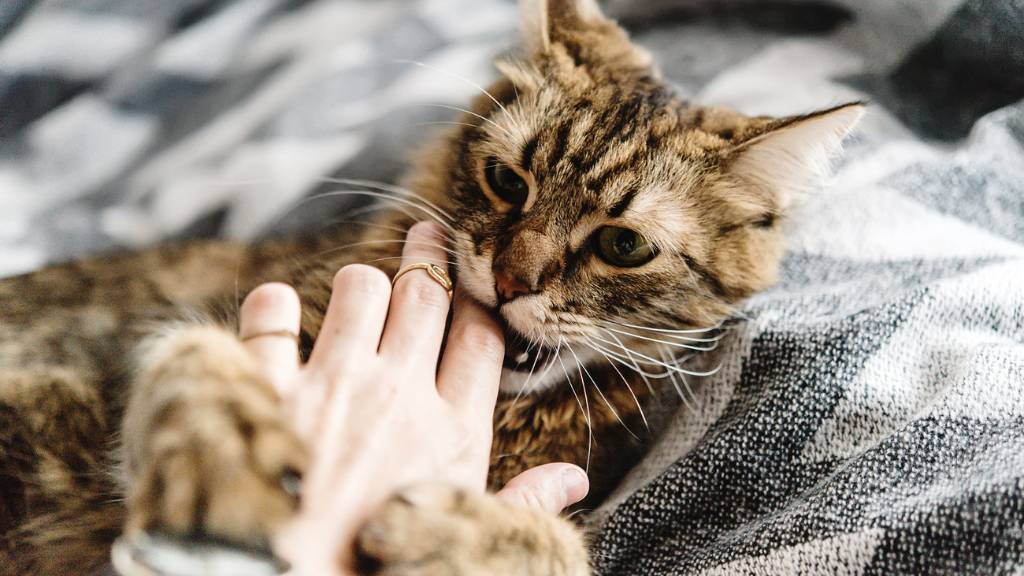
Sometimes, paw biting is a way for cats to get your attention. If your cat notices that biting their paws results in you petting them or talking to them, they might keep doing it. This behavior can become a form of communication, especially if your cat feels ignored.
Try to observe your reactions to your cat’s paw biting. Are you unintentionally encouraging it by responding every time? Offering attention through positive actions, like playing or gentle petting when your cat is calm, can help redirect their behavior.
When To Worry
Cats often bite their paws to clean and soothe themselves. This is normal behavior. But sometimes, biting can become a sign of a problem. Knowing when to worry helps keep your cat healthy and happy.
Signs Of Excessive Biting
Watch for changes in your cat’s paw-biting habits. Excessive biting may cause:
- Redness or swelling around the paws
- Hair loss in the bitten areas
- Open sores or wounds
- Bleeding or scabs
- Repeated licking or chewing
- Restlessness or irritability
These signs suggest your cat may be in discomfort or pain.
Impact On Paw Health
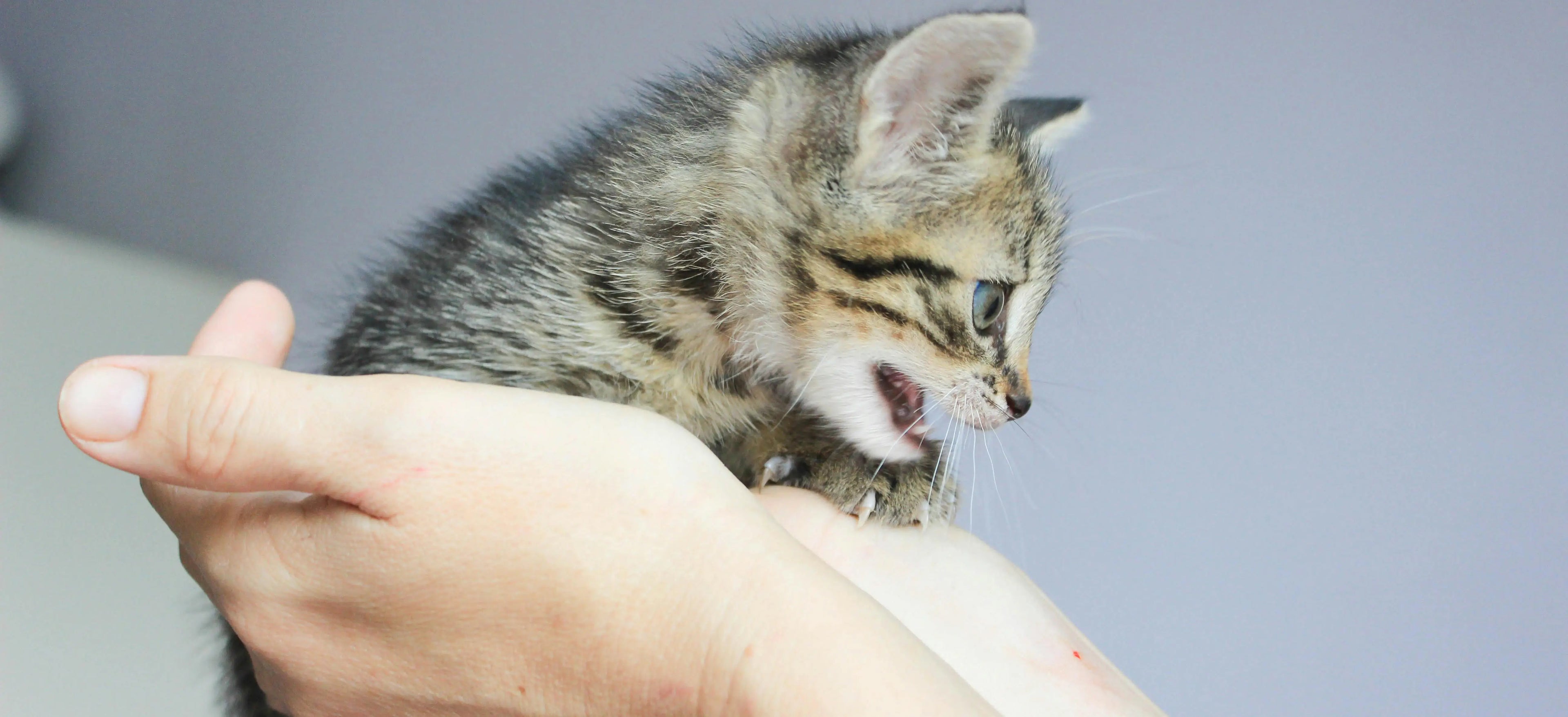
Too much biting can harm a cat’s paws. It can damage the skin and nails. This increases the risk of infections. Infected paws can cause limping or difficulty walking. Untreated wounds can worsen quickly. Your cat’s quality of life may decline without care.
Credit: tryfurgo.com
Care And Prevention
Caring for your cat’s paws is important to prevent biting and discomfort. Proper care helps keep their skin healthy and avoids infections. Prevention focuses on hygiene, health checks, and reducing stress.
Regular Vet Checkups
Schedule vet visits to monitor paw health and overall wellbeing. Vets can spot infections, allergies, or injuries early. Early detection stops paw biting before it worsens. Discuss any changes in grooming or behavior with the vet. Regular checkups keep your cat comfortable and healthy.
Proper Hygiene Tips
Clean your cat’s paws gently using a damp cloth. Remove dirt and debris after outdoor time. Trim nails carefully to avoid sharp edges that hurt the cat. Avoid harsh soaps or chemicals on their paws. Maintain a clean litter box to reduce bacteria exposure. Good hygiene reduces irritation and paw biting.
Managing Stress In Cats
Stress can cause cats to bite their paws excessively. Create a calm environment with quiet resting spots. Offer toys and playtime to keep them engaged. Use pheromone diffusers to help cats feel safe. Monitor changes in behavior linked to stress. Reducing stress lowers the chance of paw biting.
Credit: americanpaws.club
Frequently Asked Questions
Why Do Cats Bite Their Paws During Grooming?
Cats bite their paws to clean hard-to-reach areas. Biting helps remove dirt, debris, and loose fur. It also soothes itchiness and maintains paw hygiene, keeping their paws healthy and functional.
Is Paw Biting Normal Behavior For Cats?
Yes, paw biting is normal. Cats groom themselves by licking and biting paws. This behavior helps keep their fur clean and prevents infections or irritations.
Can Paw Biting Indicate A Health Problem?
Excessive paw biting may signal health issues like allergies, infections, or parasites. If your cat bites paws frequently or causes wounds, consult a veterinarian promptly.
How Often Should Cats Groom Their Paws?
Cats groom their paws several times daily. This frequent grooming helps keep paws clean, free from dirt, and maintains overall paw health and comfort.
Conclusion
Cats bite their paws to clean and soothe themselves. This behavior helps remove dirt and loose fur. It also keeps their paws healthy and soft. Sometimes, cats bite their paws to relieve itching or stress. Watching this grooming habit can help you understand your cat better.
Remember, gentle paw biting is normal and natural. Keep an eye out for changes in this behavior. Healthy grooming means a happy cat.


Leave a Reply