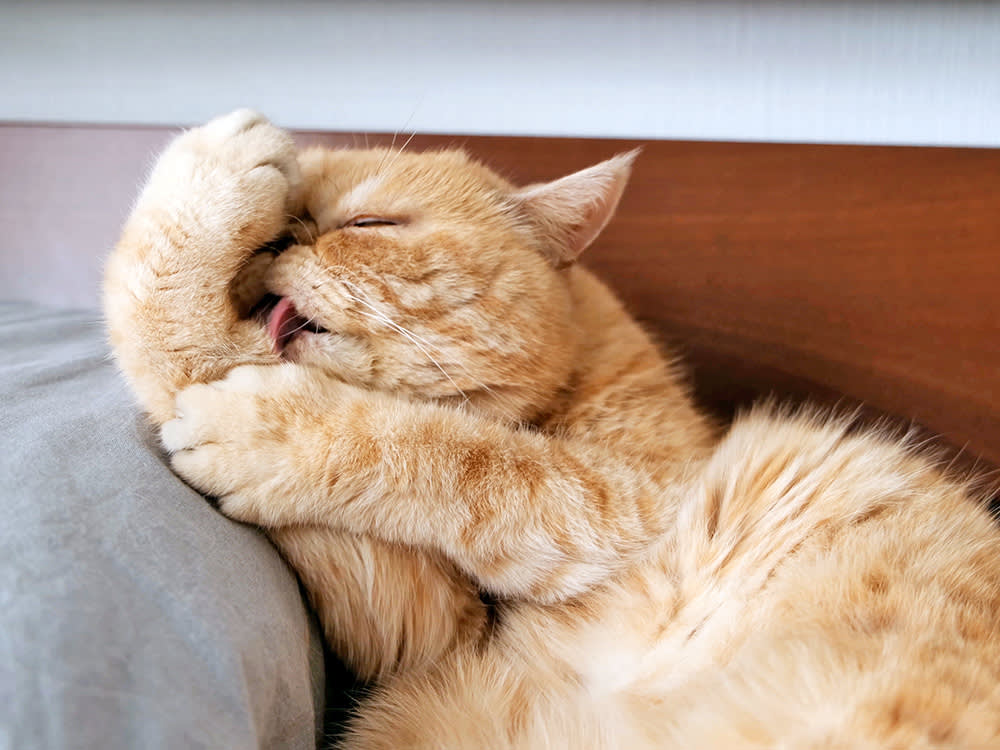
Have you ever wondered why cat grooming is so important for your furry friend? You might think cats can handle their own cleaning, but there’s more to grooming than meets the eye.
Taking care of your cat’s coat and skin isn’t just about keeping them looking good—it’s about their health, comfort, and happiness. You’ll discover the surprising reasons why grooming your cat can make a big difference in their life. Keep reading to find out how a simple routine can strengthen your bond and keep your cat feeling their best every day.

Credit: www.latimes.com
Benefits Of Regular Grooming
Regular grooming is more than just keeping your cat looking neat. It plays a crucial role in maintaining their overall health and happiness. When you groom your cat consistently, you’re helping them feel comfortable and cared for, while also preventing potential health problems.
Improves Coat Health
Brushing your cat regularly helps distribute natural oils across their fur. This keeps their coat shiny and soft, preventing dry patches and dullness. You might notice your cat’s fur becoming smoother and more vibrant with just a few grooming sessions each week.
Reduces Shedding And Hairballs
Shedding can be a big mess, especially during seasonal changes. Grooming removes loose fur before your cat swallows it while licking themselves, which cuts down on hairballs. Imagine fewer surprises on your couch and less coughing from your cat—grooming makes this possible.
Prevents Skin Issues
Regular checks during grooming can catch skin problems early. You can spot fleas, ticks, or irritation before they become serious. This simple habit helps you act quickly, keeping your cat’s skin healthy and free from discomfort.
Enhances Bonding With Your Cat
Grooming is a quiet time to connect with your cat. Many cats relax and even purr during gentle brushing. Have you noticed how your cat’s eyes soften or how they nuzzle into your hand? These moments build trust and deepen your relationship.
Tools For Effective Grooming
Having the right tools makes cat grooming easier and more effective. The right equipment ensures your cat feels comfortable and reduces stress during grooming sessions. Let’s break down the essential tools you need to keep your feline friend looking and feeling great.
Choosing The Right Brush
Not all brushes work the same for every cat. Long-haired cats benefit from slicker brushes that gently remove tangles and loose fur. Short-haired cats usually do well with bristle brushes that smooth the coat and distribute natural oils.
Think about your cat’s coat type before buying a brush. If your cat hates grooming, try a soft rubber brush first—many cats find it soothing, almost like a massage. Have you noticed your cat’s reaction to different brushes?
Using Nail Clippers Safely
Keeping your cat’s nails trimmed prevents scratching injuries and damage to furniture. Use clippers designed specifically for cats to avoid splitting or crushing nails. Always trim just the sharp tip and avoid the pink quick, which can cause pain and bleeding.
Hold your cat gently but firmly to prevent sudden movements. If you’re nervous, try trimming just one or two nails at a time. Have you seen how calmer your cat can be when you keep nail trimming short and positive?
Selecting Gentle Shampoos
Cats have sensitive skin, so choose shampoos that are free from harsh chemicals and fragrances. Look for products labeled hypoallergenic or made specifically for cats. Avoid human shampoos—they can upset your cat’s skin balance.
Use a small amount and rinse thoroughly to prevent residue. Remember, frequent bathing isn’t usually necessary—only when your cat is dirty or has a skin condition. What shampoo has worked best for your cat’s skin type?
Additional Grooming Accessories
- Deshedding tools:Great for reducing shedding and hairballs, especially in spring.
- Grooming wipes:Convenient for quick cleanups between baths.
- Ear cleaners:Help maintain ear hygiene and prevent infections.
- Toothbrushes and toothpaste:Essential for dental health, which often gets overlooked.
Adding these accessories to your grooming kit can improve your cat’s overall health. Which of these tools have you tried to keep your cat clean and happy?
Grooming Techniques
Regular grooming keeps a cat’s coat clean and reduces shedding. It also helps spot health problems early and strengthens your bond.
Cats groom themselves to stay clean and healthy. They use grooming as a way to bond and relax. Knowing the right grooming techniques helps maintain their health. Here are some effective methods:Brushing Tips For Different Coat Types
Brushing reduces shedding and prevents mats. For short-haired cats, use a soft-bristle brush. It removes loose hairs and dirt. Long-haired cats need more attention. Use a slicker brush to prevent tangles. Regular brushing keeps their coat shiny and healthy.Bathing Your Cat Without Stress
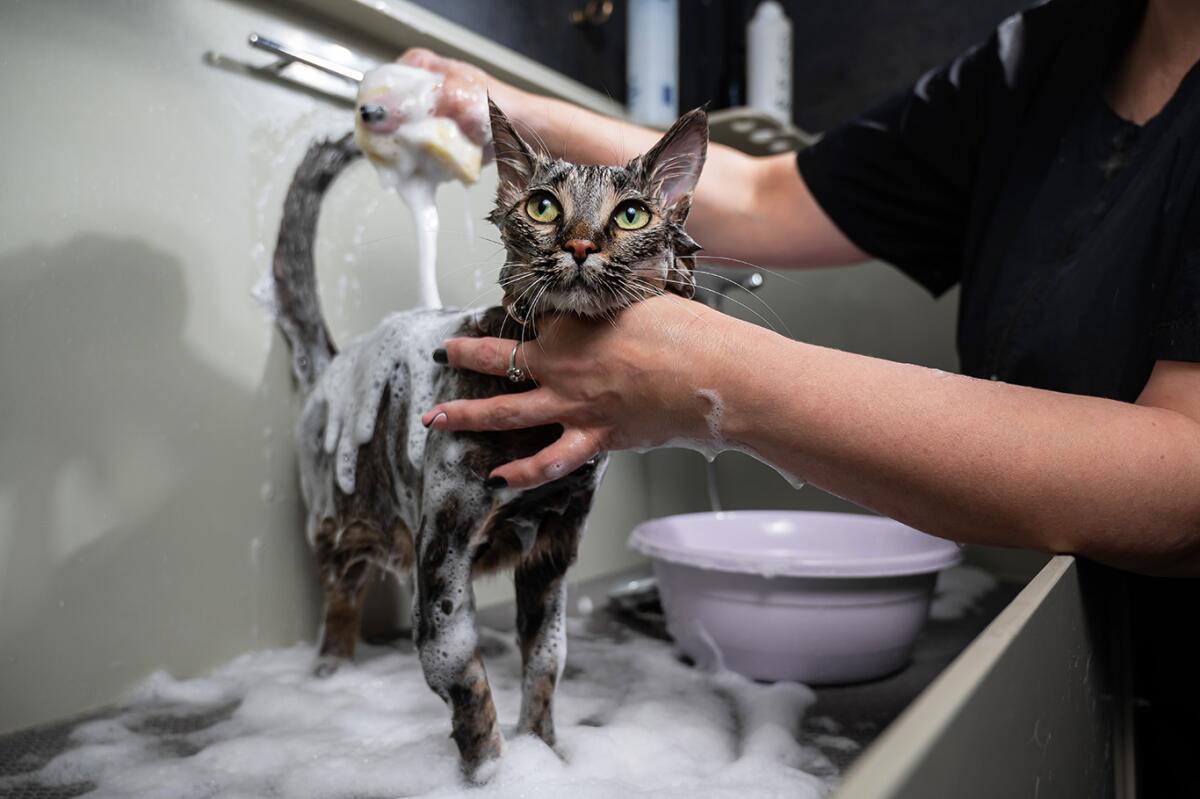
Cats usually dislike water. Make bath time calm and quick. Use a cat-friendly shampoo. Fill the tub with a few inches of warm water. Gently wet the cat’s fur using a cup or spray. Avoid the head area. Rinse thoroughly and towel dry your cat.Trimming Nails Correctly
Trim your cat’s nails every few weeks. Use cat nail clippers. Hold the paw gently and press to extend the nails. Trim only the tip to avoid cutting the quick. If unsure, ask a vet for guidance.Cleaning Ears And Eyes
Check your cat’s ears weekly. Use a damp cloth to wipe any dirt. Avoid inserting anything into the ear canal. Clean their eyes if you notice discharge. Use a soft cloth dampened with warm water. Gently wipe from the inner corner to the outer corner.Recognizing Grooming Challenges
Grooming cats can bring many rewards but also some challenges. Recognizing these difficulties early helps keep grooming safe and comfortable. Some cats resist grooming, while others develop fur problems that need attention. Understanding common grooming challenges prepares you to handle them calmly and gently.
Dealing With Matted Fur
Matted fur happens when hair tangles and clumps tightly. It causes discomfort and skin irritation. Regular brushing prevents mats from forming. Use a wide-tooth comb or dematting tool to gently remove mats. Never pull hard; it hurts your cat. For severe mats, trim carefully or seek help from a groomer.
Handling Anxious Or Aggressive Cats
Some cats feel scared or angry during grooming. Signs include growling, hissing, or scratching. Stay calm and speak softly. Use treats or toys to distract your cat. Short, frequent grooming sessions work best. Wear protective gloves if needed. Know your cat’s limits and avoid forcing grooming.
When To Seek Professional Help
Look for signs that require expert care. These include very tangled fur, skin wounds, or extreme behavior. Professional groomers have special tools and skills. Vets can check for health issues causing grooming problems. Don’t wait too long; early help prevents bigger issues. Safety and comfort come first for your cat.
Maintaining Grooming Routine
Maintaining a regular grooming routine keeps your cat healthy and comfortable. It helps prevent matting, reduces shedding, and strengthens your bond. Consistency makes grooming easier for both you and your cat.
Establishing A Grooming Schedule
Create a schedule that fits your cat’s needs and lifestyle. Short sessions every few days work well for most cats. Long grooming sessions can cause stress and resistance. Use a calendar or reminder to keep track.
Making Grooming Enjoyable
Turn grooming into a positive experience. Use gentle strokes and soft brushes. Reward your cat with treats or praise after each session. Stop if your cat shows signs of stress. Patience helps build trust over time.
Monitoring Health Through Grooming
Check your cat’s skin, fur, and nails during grooming. Look for lumps, bumps, or signs of irritation. Notice changes in fur texture or shedding patterns. Early detection of health issues improves treatment success.
Credit: www.latimes.com

Credit: weareallaboutcats.com
Frequently Asked Questions
Why Is Cat Grooming Important For Health?
Cat grooming removes dirt, loose fur, and prevents mats. It helps detect skin issues early and reduces hairballs. Grooming also promotes better blood circulation and keeps your cat’s coat shiny and healthy.
How Often Should You Groom Your Cat?
Grooming frequency depends on the cat’s breed and coat type. Long-haired cats need daily grooming, while short-haired cats benefit from weekly sessions. Regular grooming keeps your cat comfortable and reduces shedding.
Can Grooming Reduce Cat Hair Around The House?
Yes, grooming removes loose fur before it falls off. Regular brushing significantly cuts down shedding and hair accumulation. This keeps your home cleaner and your cat’s coat healthier.
What Tools Are Best For Cat Grooming?
A slicker brush, comb, and nail clippers are essential. Choose tools suited for your cat’s coat type. Proper tools make grooming effective and comfortable for your cat.
Conclusion
Cat grooming keeps your pet healthy and happy. It removes dirt, loose hair, and stops mats. Regular brushing helps reduce shedding around your home. Grooming also lets you check for skin problems or parasites. It strengthens the bond between you and your cat.
Simple grooming routines make your cat feel comfortable and loved. Taking time for grooming protects your cat’s coat and skin. A clean cat is a joyful cat. Keep grooming as a part of your cat’s care. Your cat will thank you with purrs and affection.


Leave a Reply