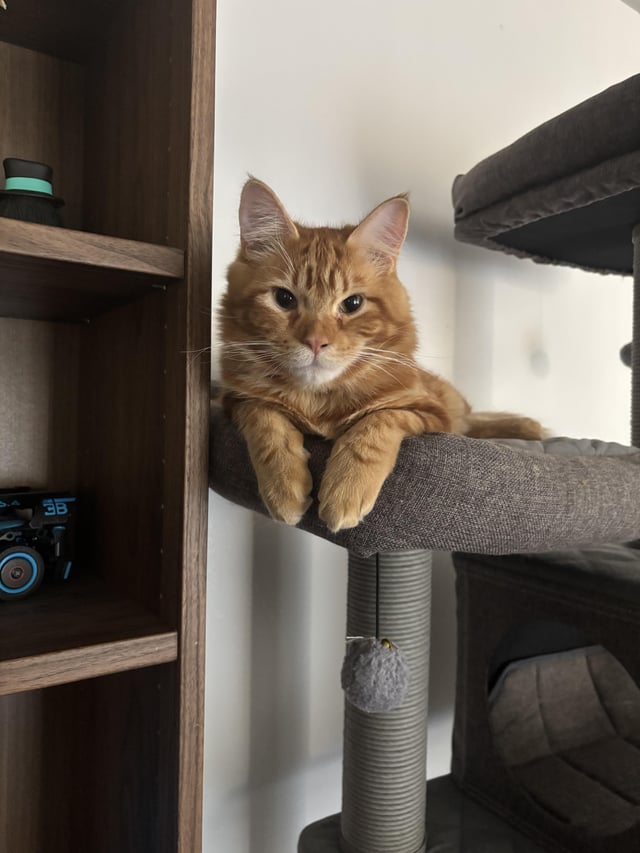
You’ve worked hard to potty train your cat, so it’s frustrating and confusing when you find poop on the floor. You wonder, “Why did my cat suddenly stop using the litter box?” It feels like a step backward, but don’t worry—there’s usually a simple reason behind this behavior.
Understanding what’s causing your cat to avoid the litter box can help you fix the problem quickly. Keep reading to discover the top reasons why your potty trained cat is pooping on the floor and what you can do to stop it.
Common Reasons Cats Miss The Litter Box
Many cat owners face the problem of their potty trained cat pooping outside the litter box. Understanding why this happens helps solve the issue fast. Cats miss the litter box for several common reasons. These reasons affect their behavior and comfort. Identifying the cause is the first step in fixing the problem.
Stress And Anxiety
Cats feel stress from changes at home or loud noises. New pets or visitors can cause anxiety. Stress makes cats avoid their litter box. They look for quiet, safe places to relieve themselves. Fear and nervousness can cause sudden accidents on the floor.
Medical Issues
Health problems can make cats miss the litter box. Urinary tract infections cause pain during bathroom use. Digestive issues lead to urgent or frequent pooping. Arthritis or mobility problems make it hard to enter the box. Always check with a vet to rule out illness.
Litter Box Problems
Cats dislike dirty litter boxes. They avoid boxes with strong smells or clumps. Small or covered boxes can feel cramped or scary. The type of litter matters too. Cats prefer soft, unscented litter. Keep the box clean and in a quiet spot.
Changes In Environment
Moving the litter box can confuse cats. New furniture or home renovations disturb their routine. Even changes in scent or lighting affect their habits. Cats need consistency to feel safe. Keep the box location steady as much as possible.
How Health Issues Affect Litter Box Habits
Health problems often change a cat’s litter box habits. A cat that once used the box well might start pooping on the floor. This change can signal pain, discomfort, or illness. Understanding these health issues helps find the right solution.
Urinary Tract Infections
Urinary tract infections cause pain when cats urinate or poop. Cats may avoid the litter box because it hurts. They might go elsewhere to reduce pain. Watch for signs like frequent attempts to pee or blood in urine.
Digestive Problems
Digestive issues make it hard for cats to control their bowel movements. Diarrhea or constipation can lead to accidents outside the box. Cats with tummy trouble may rush or strain, missing the litter box. Changes in diet or illness often cause these problems.
Arthritis And Mobility
Arthritis makes moving painful for cats. Entering or exiting the litter box can be difficult. Cats may avoid the box if it is hard to reach or climb into. A low-sided or more accessible box can help cats with mobility issues.
Litter Box Setup And Maintenance
Understanding why your potty-trained cat poops on the floor can be puzzling. One common reason may be issues related to litter box setup and maintenance. Ensuring the right environment can encourage your cat to use the litter box consistently. Let’s explore some crucial aspects of litter box management.
Box Size And Type
The size and type of the litter box matter greatly. Cats need enough space to turn around and dig comfortably. A cramped box can deter them from using it. Choose a box that suits your cat’s size. Open boxes are often preferred as they provide easy access and ventilation. High sides can contain litter but should not hinder entry.
Litter Choice
The type of litter plays a crucial role in your cat’s comfort. Cats can be sensitive to textures and scents. Unscented clumping litter is a popular choice. It absorbs moisture well and controls odor. Some cats may prefer softer textures. Experiment with different types to find what your cat likes best.
Cleaning Frequency
A clean litter box is essential for your cat’s hygiene and comfort. Scoop the litter box at least once daily. Replace the litter completely every week to maintain freshness. Regular cleaning prevents odors and encourages use. A dirty box can drive your cat to seek other places to relieve itself.

Credit: www.reddit.com
Behavioral Triggers For Floor Pooping
Understanding why your potty trained cat suddenly poops on the floor can be frustrating. Often, this behavior is linked to specific triggers in their environment or emotional state. Recognizing these behavioral triggers can help you address the root cause and guide your cat back to proper litter box use.
Territorial Marking
Cats are naturally territorial creatures. When they feel their space is threatened, they may use floor pooping as a way to mark their territory. This is especially common if there are new pets, visitors, or changes in the home layout.
You might notice your cat choosing particular spots, like near doors or windows, to leave their scent. This behavior signals to others that the area belongs to them. Have you added new furniture or had guests recently? These changes might trigger territorial marking.
Attention Seeking
Sometimes, cats poop on the floor simply because they want your attention. If your cat feels neglected or bored, this behavior can become a way to get noticed. Even negative attention can be rewarding to them.
Think about your daily routine—are you spending enough quality time with your cat? Small changes like interactive play or extra petting sessions can reduce these incidents. Cats quickly learn what behaviors get a response from you.
Fear Or Trauma
Fear or past trauma can cause a cat to avoid their litter box. Loud noises, a stressful move, or a recent vet visit might make your cat anxious. They may associate the litter box with negative experiences and choose safer spots on the floor instead.
Observe your cat for signs of stress like hiding or excessive grooming. Creating a calm, secure environment and gradually reintroducing the litter box can help. Could your cat be reacting to something new or unsettling in their life?
How To Encourage Proper Litter Box Use
Encouraging your cat to use the litter box properly helps keep your home clean. It also supports your cat’s comfort and health. Understanding how to guide your cat gently is key to success.
Patience and consistency create a positive habit. Small changes in your approach can make a big difference. Here are some ways to promote proper litter box use.
Positive Reinforcement
Reward your cat immediately after it uses the litter box. Use treats, gentle petting, or soft praise. This helps your cat link the behavior with a good outcome.
Never punish or scold your cat for accidents. This can cause fear or confusion. Focus on encouraging the right actions instead.
Creating A Calm Space
Place the litter box in a quiet, low-traffic area. Cats prefer privacy while doing their business. Avoid noisy or busy locations.
Keep the litter box clean by scooping daily and changing litter often. A fresh box invites your cat to use it regularly.
Consistent Routine
Feed your cat at the same times each day. This helps regulate their bathroom schedule. Consistency makes litter box use more predictable.
Observe your cat’s habits and gently guide them to the box when needed. A steady routine reduces accidents on the floor.

Credit: www.reddit.com
When To Consult A Veterinarian Or Behaviorist
Noticing your once potty-trained cat suddenly pooping on the floor can be frustrating and confusing. It’s important to know when this behavior is a sign of something serious that requires professional help. Consulting a veterinarian or a behaviorist at the right time can save you and your cat from prolonged stress and discomfort.
Signs That Indicate A Medical Problem
If your cat starts pooping outside the litter box and shows other symptoms like vomiting, diarrhea, or changes in appetite, it’s time to see a vet. Health issues such as urinary tract infections, intestinal parasites, or digestive problems often cause sudden changes in bathroom habits.
Ignoring these signs can worsen your cat’s condition. Have you noticed your cat hiding more or acting lethargic? These subtle clues often accompany medical problems behind inappropriate elimination.
Behavioral Causes Worth Professional Advice
Sometimes, your cat’s behavior changes due to stress, anxiety, or changes in their environment. If your cat’s pooping on the floor follows a move, new pet, or family changes, a behaviorist can help identify the root cause.
A behaviorist can offer strategies tailored to your cat’s personality and situation. Have you tried changing the litter type or location without success? Professional insight can guide you to effective solutions.
When To Act Quickly
Sudden and frequent accidents, especially with blood or pain during elimination, are urgent signs to get veterinary care. Quick action can prevent more serious health issues and keep your cat comfortable.
Also, if your cat shows aggressive behavior when approached near the litter box, don’t wait. This may indicate pain or fear that needs immediate attention.
How A Veterinarian And Behaviorist Work Together
Sometimes, your cat’s issue is a mix of health and behavioral problems. A vet can rule out or treat medical issues, while a behaviorist addresses emotional or environmental triggers.
Working with both professionals increases the chances of solving the problem faster. Have you considered a combined approach before letting frustration take over?
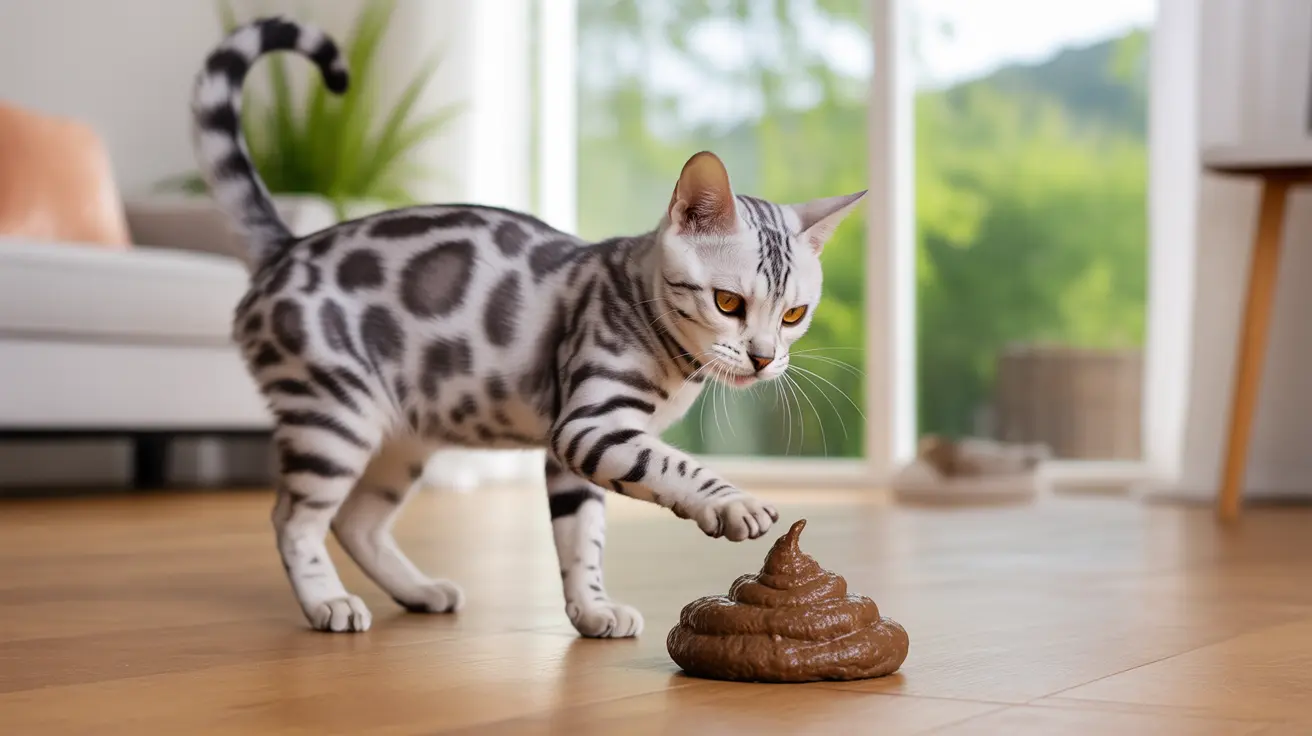
Credit: www.petscare.com
Frequently Asked Questions
Why Did My Potty Trained Cat Poop Outside The Litter Box?
Cats may poop outside due to stress, illness, or dirty litter boxes. Changes at home or new pets can cause anxiety. Always check for medical issues and keep the litter box clean to encourage proper use.
Can A Dirty Litter Box Cause My Cat To Poop Outside?
Yes, cats dislike dirty litter boxes and may avoid them. Regular cleaning prevents odors and keeps the box inviting. Clean the litter box daily to maintain your cat’s comfort and hygiene.
Could Health Problems Make My Cat Poop On The Floor?
Health issues like infections or constipation can cause inappropriate pooping. If your cat suddenly stops using the litter box, consult a vet. Early diagnosis and treatment are essential for your cat’s well-being.
Does Stress Affect A Cat’s Bathroom Habits?
Stress from changes, loud noises, or other pets can disrupt litter box use. Cats need a calm environment to feel safe. Reducing stress can help restore proper bathroom habits quickly.
Conclusion
Cats may poop outside the litter box for many reasons. Stress, health issues, or changes at home often cause this behavior. Cleaning the area well helps stop repeat accidents. Giving your cat a quiet, clean litter box is important. Watch your cat’s habits and visit a vet if needed.
Patience and care can bring back good litter habits. Understanding your cat’s needs keeps your home clean and happy.


Leave a Reply