Have you ever watched your cat playing with its own fur or gently biting its paws and wondered why? It might seem strange at first, but there’s a lot more to this behavior than just keeping clean.
When your cat plays groom, it’s actually communicating, exploring, and even managing stress in ways you might not expect. Understanding why your furry friend does this can help you connect with them better and keep them happier. Keep reading to discover the surprising reasons behind your cat’s grooming play and what it means for your pet’s health and happiness.
Cats’ Grooming Habits
Cats spend a lot of time grooming themselves. Grooming keeps their fur clean and healthy. It also helps control their body temperature. Cats use grooming to relax and feel calm. This habit is natural and important for their well-being.
How Cats Groom Themselves
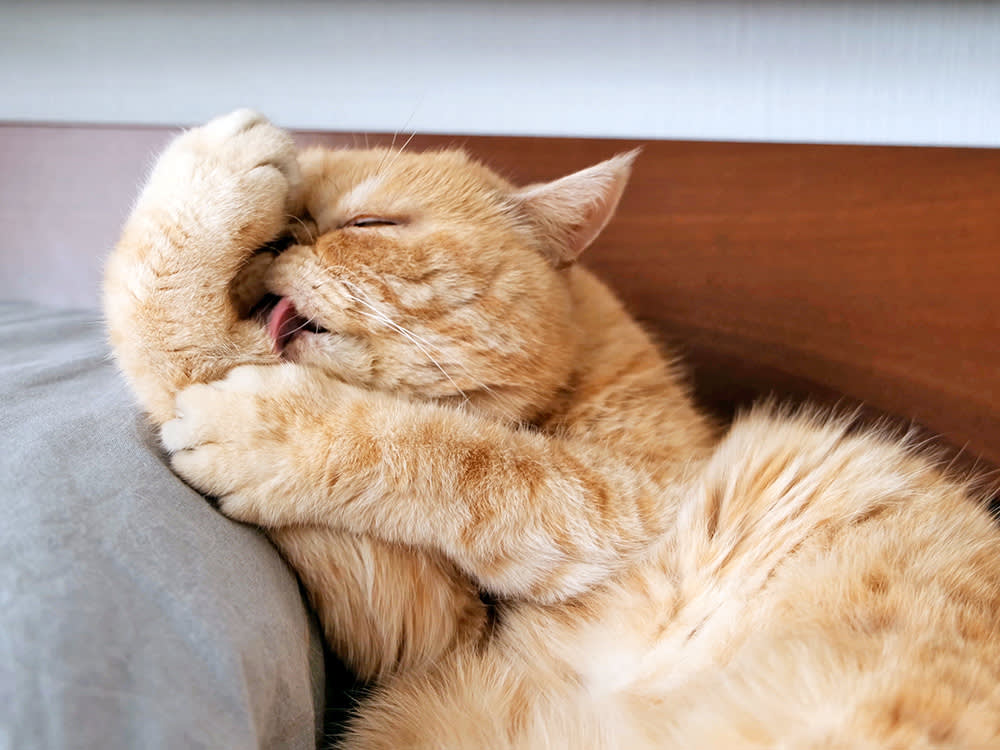
Cats use their tongues to clean their fur. Their tongues have tiny, hook-like structures. These hooks remove dirt and loose hair. Cats lick their paws and rub their face with them. This action cleans hard-to-reach areas.
Grooming also spreads natural oils over their fur. This oil keeps the coat shiny and soft. Cats groom after eating, sleeping, or playing. This habit helps them stay fresh and comfortable.
Social Grooming Among Cats
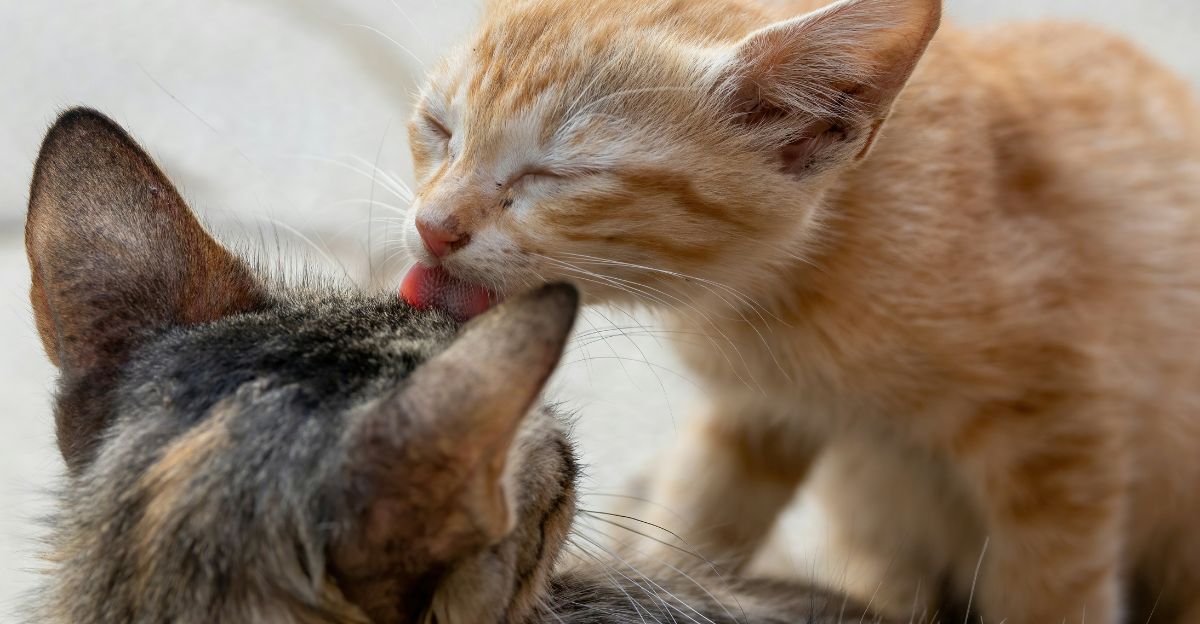
Cats groom each other in a behavior called allogrooming. This shows trust and friendship between cats. They lick each other’s heads, necks, and backs. Social grooming helps reduce stress and strengthens bonds.
Mother cats groom their kittens to clean and comfort them. Cats living together often groom one another daily. This behavior creates a peaceful and friendly environment.

Credit: basepaws.com
Benefits For Cat’s Health
Watching cats groom each other is more than just a cute behavior; it plays a crucial role in maintaining their health. Grooming provides several benefits that directly impact your cat’s well-being. Understanding these advantages can help you appreciate why this activity is so important for your furry friend.
Improved Coat And Skin
Grooming helps spread natural oils across your cat’s fur, keeping it shiny and soft. It also removes dirt and loose hair, which prevents matting and skin problems. Have you noticed how your cat’s coat looks healthier after a grooming session? That’s no coincidence—it’s a natural way to maintain skin and fur health.
Stress Reduction
Grooming is a calming activity for cats. When your cat grooms or is groomed by another, it releases endorphins that help reduce anxiety. If you’ve ever seen your cat purr contentedly while grooming, you’ve witnessed how this behavior helps them relax and feel secure.
Parasite Control
Grooming helps cats spot and remove parasites like fleas and ticks before they become a bigger issue. Cats often focus on areas where parasites tend to hide, making grooming a natural defense. Have you checked your cat’s fur after grooming sessions? You might find fewer pests lurking around, which is a direct health benefit.
Emotional And Social Benefits
Cats playing groom build trust and strengthen their social bonds. This behavior helps reduce stress and creates a sense of comfort among them. It also encourages positive feelings and emotional connection in their group.
The sight of cats grooming each other is more than just a cute spectacle—it’s a window into their emotional and social world. Cats playing groom with one another and even their human companions can offer profound emotional and social benefits. Understanding these behaviors can help you appreciate your feline friends even more.Strengthening Bonds Between Cats
When cats groom each other, they’re not just keeping clean; they’re building a connection. This mutual grooming, known as allogrooming, helps to establish and maintain social bonds within a group of cats. It’s a sign of friendship and trust, indicating that the cats feel comfortable and safe around each other. Imagine your cats as roommates who not only tolerate each other but genuinely enjoy each other’s company. Allogrooming can reduce stress and create a more harmonious environment. If you have multiple cats, you might notice that those who groom each other tend to get along better.Building Trust With Humans
Have you ever had a cat groom you? It might seem strange, but when your cat licks your hand or face, it’s a sign of trust and affection. This act is a way for cats to integrate you into their social group, showing that they consider you part of their family. Cats often use grooming to communicate their comfort level and trust in a relationship. If your cat chooses to groom you, it’s their way of saying, “I feel safe with you.” It can be a bonding experience that strengthens your relationship and enhances mutual understanding. Grooming also allows you to engage with your cat on a personal level. By gently brushing your cat or offering a gentle petting session, you can reciprocate this trust-building ritual. Have you noticed how your cat responds when you groom them? It’s a practical way to deepen your bond and show your affection. Understanding these emotional and social aspects can help you create a nurturing environment for your cats. Are you ready to embrace and encourage these affectionate behaviors?Grooming As Play
Grooming is more than just a hygiene routine for cats; it often doubles as a playful and social activity. When cats engage in grooming, either themselves or each other, they are not only cleaning but also enjoying an interactive, lighthearted moment. This playful side of grooming can reveal a lot about your cat’s mood and their relationship with you or other pets.
Playful Behavior In Grooming
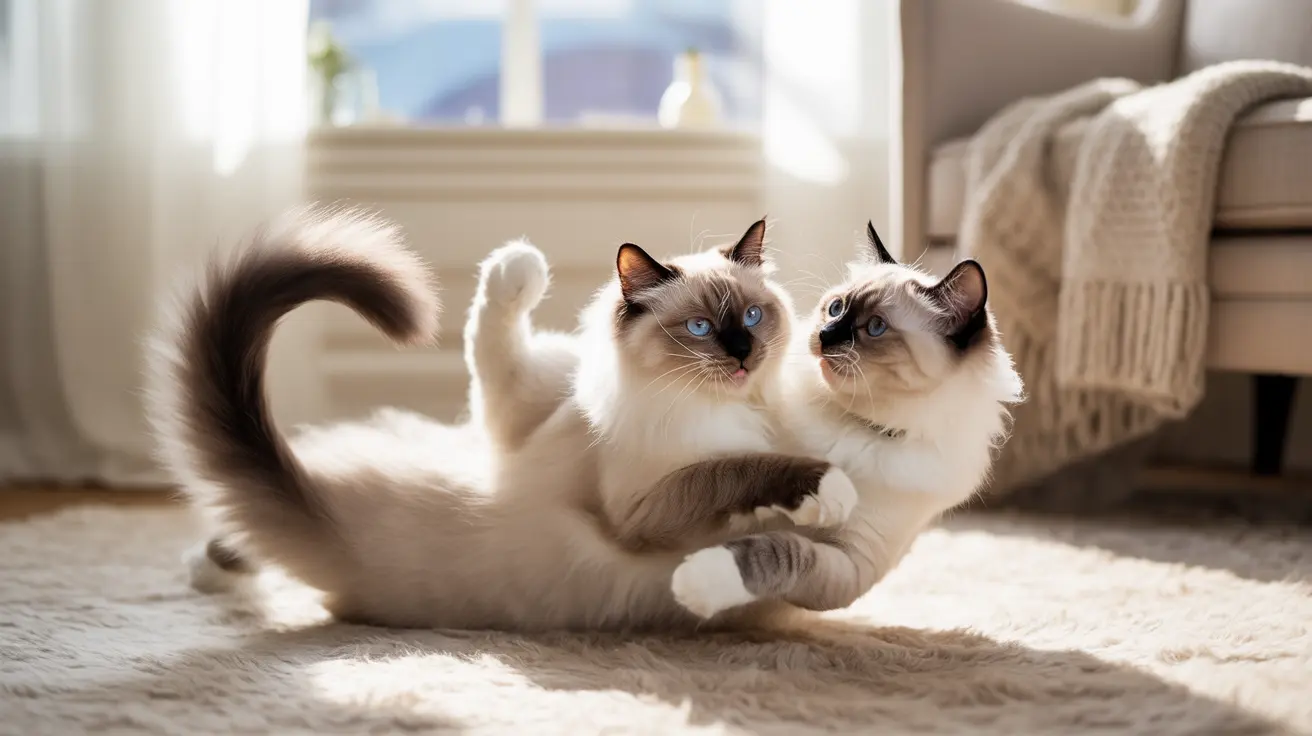
Have you noticed your cat suddenly pausing mid-lick to bat at your hand or a nearby tail? That’s a clear sign grooming has turned into play. Cats often use gentle nibbles, paw taps, and quick body movements while grooming to invite interaction.
This playful grooming can happen between cats or when your cat is grooming you. It’s their way of mixing care with fun, showing they feel safe and relaxed. Think about how your cat might groom you and then playfully swat your fingers—it’s a mix of affection and invitation to engage.
Signs Of Enjoyment During Grooming
How can you tell if your cat is truly enjoying the grooming session? Look for soft, relaxed body language. Purring, slow blinking, and kneading with their paws are all good indicators.
Your cat might also nuzzle or lean into your touch during grooming. These behaviors mean they’re not just tolerating the activity but finding pleasure in it. If your cat starts grooming you back, that’s an even stronger sign they’re enjoying the moment.
Next time your cat starts grooming, watch closely—could it be a playful invitation rather than just a hygiene routine?
Encouraging Healthy Grooming
Encouraging healthy grooming in cats is essential for their well-being. Grooming helps maintain their coat, reduce stress, and strengthen social bonds. Understanding how to support this natural behavior can improve your cat’s health and happiness.
Creating A Comfortable Environment
Your cat needs a calm and safe space to groom properly. Choose quiet, warm spots with soft bedding where your cat feels secure. Avoid loud noises or sudden movements that might interrupt their grooming sessions.
Offer easy access to fresh water and a balanced diet to keep their skin and fur healthy. Regular brushing can also complement their grooming, especially for long-haired breeds. Have you noticed how your cat relaxes more in familiar, quiet corners?
When To Intervene
Sometimes, grooming can become excessive or aggressive, leading to bald patches or skin irritation. Watch for signs like constant licking, biting, or scratching that cause damage. These behaviors might indicate stress, allergies, or medical issues.
If you see these signs, gently redirect your cat’s attention with toys or playtime. Consult your vet to rule out health problems and get advice on calming your cat. How often do you check your cat’s skin and fur for changes?
Credit: www.petscare.com
Common Grooming Issues
Cats spend a lot of time grooming themselves and others. Grooming keeps their fur clean and helps them relax. Despite this, some cats face grooming issues that affect their health and happiness. Understanding these problems can help cat owners provide better care and comfort.
Overgrooming And Its Causes
Overgrooming happens when cats lick or bite their fur too much. This can cause bald spots and skin irritation. Common causes include:
- Allergies to food or environment
- Parasites like fleas or mites
- Stress or anxiety
- Skin infections or irritations
- Pain in certain body parts
Overgrooming is a sign something is wrong. It needs attention to prevent further damage.
Dealing With Grooming-related Stress
Grooming can sometimes cause stress for cats. They may feel pressured by other cats or humans. Stress shows in excessive grooming or refusal to groom.
To reduce grooming-related stress:
- Provide a quiet, safe environment
- Offer regular play and exercise
- Maintain a consistent routine
- Use gentle grooming tools
- Watch for signs of discomfort or pain
Keeping cats calm helps maintain healthy grooming habits and overall well-being.
Credit: www.kinship.com
Frequently Asked Questions
Why Do Cats Play While Grooming Themselves?
Cats play during grooming to keep themselves entertained and relaxed. It reduces stress and improves their mood. Playful grooming also helps maintain their physical and mental health by stimulating their natural instincts and keeping their claws and fur in good condition.
How Does Playing Affect A Cat’s Grooming Habits?
Playing increases a cat’s grooming frequency and thoroughness. It boosts their energy and encourages self-care routines. Active cats tend to groom more, keeping their coats clean and healthy. Play also helps distribute natural oils evenly across their fur, enhancing shine and skin health.
Can Grooming Play Improve A Cat’s Social Behavior?
Yes, grooming play improves social bonds among cats and with humans. It encourages trust and positive interactions. Cats often groom each other during play, which strengthens friendships and reduces tension. This behavior also helps cats feel secure and happy in their environment.
Is It Normal For Cats To Groom Aggressively While Playing?
Yes, cats may groom aggressively during play to simulate hunting or dominance. This behavior is natural and part of their instinctual routines. However, if grooming causes injury or distress, consult a vet or behaviorist for advice.
Conclusion
Cats playing groom shows their care and trust for each other. It helps them build strong bonds and stay clean. Watching this behavior can teach us about their feelings and social life. Cats feel safe and happy when they groom together.
This simple act keeps them healthy and connected. Remember, grooming is more than just cleaning—it’s love in action. Understanding this helps us appreciate our cats even more. Their playful grooming is a sign of friendship and comfort. It’s a small but important part of their daily life.

Leave a Reply