Are you thinking about bringing a cat into your home but worried about health issues? Choosing a cat breed with fewer health problems can save you time, money, and heartache.
You want a furry friend who stays happy and healthy for years. You’ll discover which cats are known for their strong health and why they make great companions. Keep reading to find the perfect low-maintenance cat for your family.
Credit: getodie.com
Traits Of Healthy Cats
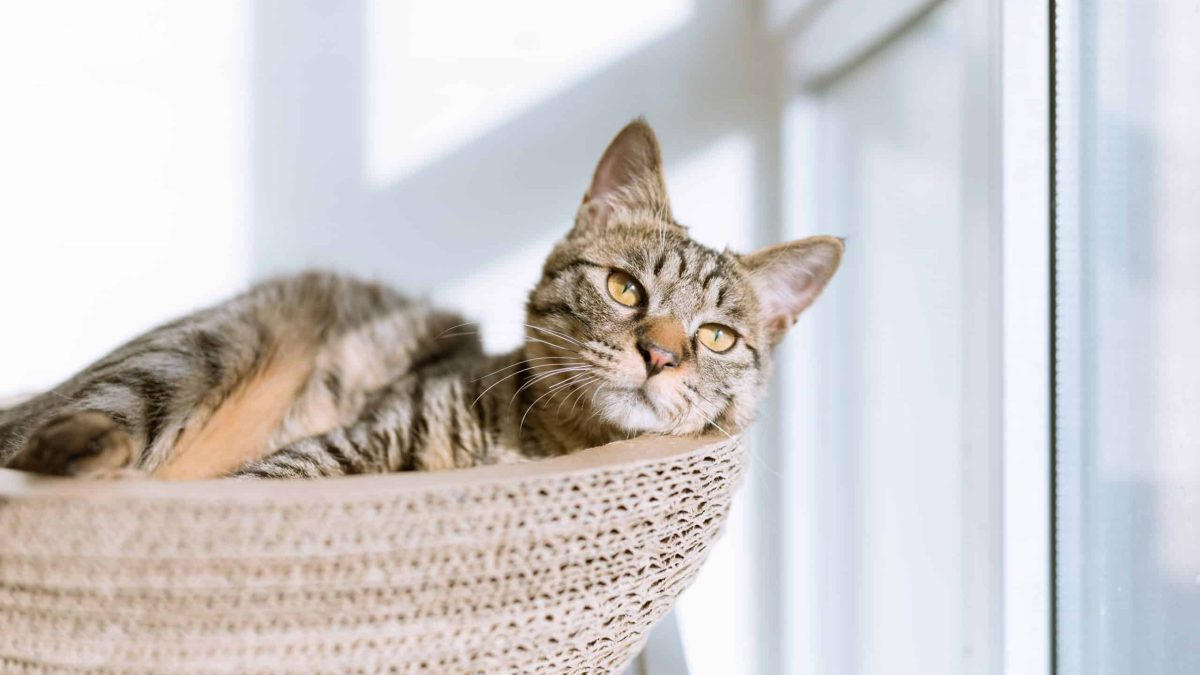
Healthy cats show certain traits that help them live longer and happier lives. These traits come from their genes, lifestyle, and environment. Understanding these factors helps identify which cats face fewer health problems. Healthy cats have bright eyes, shiny coats, and good energy. They eat well and show no signs of pain or discomfort.
Genetic Factors
Genes play a big role in a cat’s health. Some breeds carry fewer inherited diseases. Breeds with strong gene pools tend to have fewer health issues. Mixed-breed cats often benefit from genetic diversity. This diversity lowers the risk of inherited problems. Breeders who select healthy parents can reduce genetic diseases in kittens.
Lifestyle And Environment
Daily care impacts a cat’s health strongly. Cats living indoors have fewer accidents and infections. A clean, safe space lowers stress and illness risks. Regular feeding with balanced food keeps cats healthy. Exercise and mental stimulation support their well-being. Avoiding exposure to toxins and harmful plants is vital.
Common Health Issues In Cats
- Dental disease affects many cats as they age.
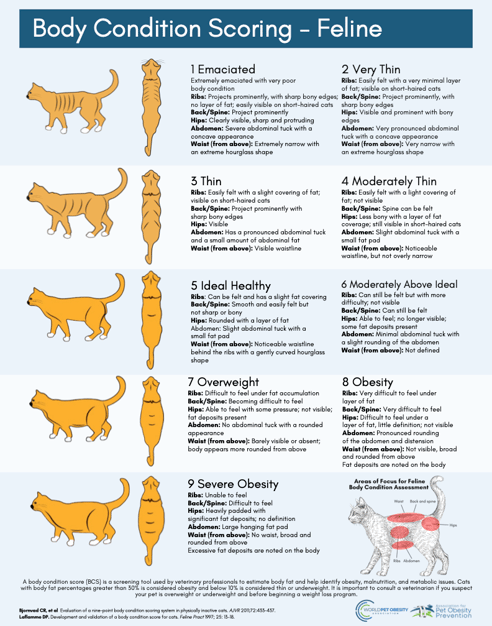
- Obesity can lead to diabetes and joint problems.
- Kidney disease is common in older cats.
- Respiratory infections often occur in young or outdoor cats.
- Parasites like fleas and worms cause discomfort and illness.
Recognizing these common problems helps owners prevent serious conditions. Early detection and care improve cats’ quality of life.
Top Cat Breeds With Few Health Problems
Finding a cat breed with fewer health problems can save you from unexpected vet visits and ensure your feline friend lives a happy, active life. Some breeds naturally have fewer genetic issues, making them great choices for those who want a healthy, low-maintenance companion. Let’s look at some top cat breeds known for their robust health and longevity.
Siberian Cats
Siberian cats are known for their hardy nature. They have a strong immune system and generally avoid many common feline diseases. Their thick coat not only protects them from cold but also reflects their resilience.
Owners often say Siberians are playful and adaptable, adjusting well to different environments. Could their active lifestyle be the key to their good health? Keeping your Siberian engaged might help maintain their vitality.
Burmese Cats
Burmese cats have a reputation for being healthy and sociable. They rarely suffer from hereditary diseases, which makes them a reliable choice for families. Their moderate size and muscular build contribute to their overall strength.
Many Burmese owners notice their cats’ consistent energy and affectionate nature. Have you considered how a loving environment might boost your cat’s health? Burmese cats thrive on interaction, which keeps them mentally and physically sharp.
American Shorthair
American Shorthairs are a classic breed known for longevity and minimal health issues. Their history as working cats has given them a sturdy constitution. Regular check-ups usually reveal few concerns in this breed.
This breed’s calm demeanor and adaptability make them easy to care for. Do you want a cat that fits seamlessly into your household? The American Shorthair’s balanced nature is ideal for many homes.
Russian Blue
Russian Blues stand out with their sleek, dense coat and remarkable health. They tend to live longer and resist common illnesses better than some other breeds. Their quiet and reserved personality adds to their charm.
Many owners report fewer veterinary visits and fewer health scares. What if choosing a breed like the Russian Blue means fewer vet bills and more quality time? Their genetic makeup seems to favor wellness.
Maine Coon
Maine Coons are one of the largest domesticated cat breeds but surprisingly resilient. They can develop some health issues, but responsible breeding has reduced these risks significantly. Their friendly and sociable nature makes them a favorite among cat lovers.
Do you want a gentle giant who can handle the ups and downs of life with you? Maine Coons are known for their strength and adaptability, making them a durable choice for many families.
Breeds Prone To Health Issues
Some cat breeds are more likely to face health challenges than others. Understanding these issues helps you make informed decisions about which breed fits your lifestyle and care abilities. Knowing the common health problems can also prepare you to spot signs early and seek timely vet care.
Persian Cats
Persian cats are beloved for their long, luxurious coats and sweet personalities. However, their flat faces can cause breathing difficulties, a condition known as brachycephalic syndrome. They also often struggle with tear duct problems that lead to constant eye discharge.
Kidney disease is another concern in Persians, especially polycystic kidney disease (PKD), which can be inherited. Regular vet check-ups and genetic testing before adoption can help manage these risks. Are you ready for the extra grooming and health monitoring this breed demands?
Scottish Fold
The Scottish Fold’s unique folded ears make it instantly recognizable. Unfortunately, the gene that causes the ear fold can also lead to cartilage and bone problems. Many Scottish Folds suffer from osteochondrodysplasia, a painful condition that affects bone development.
This means joint pain and arthritis are common, sometimes requiring lifelong management. If you want a Scottish Fold, be prepared for possible mobility issues and vet visits focused on orthopedic care. Would you be comfortable providing this level of care?
Sphynx
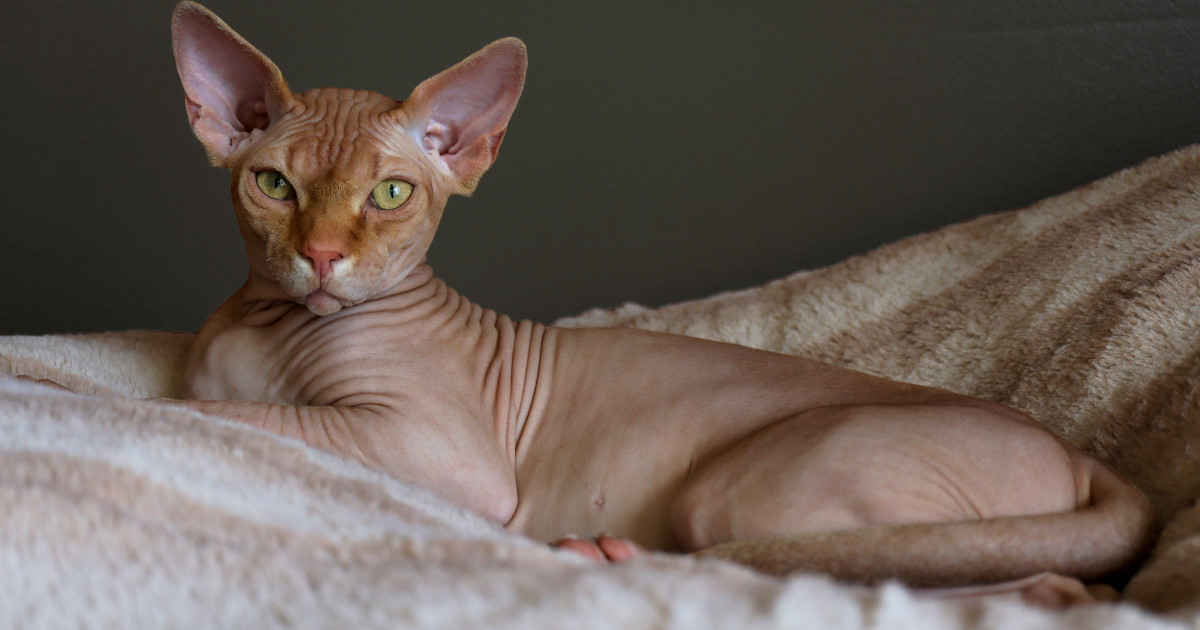
The Sphynx cat’s lack of fur is striking but comes with special health considerations. Without a coat, they are more prone to skin conditions like fungal infections and sunburn. Their high metabolism also means they need frequent meals and careful temperature regulation.
They can also develop heart disease, particularly hypertrophic cardiomyopathy (HCM). Regular heart screenings are vital to catch problems early. How will you adapt your home and routine to keep a Sphynx happy and healthy?
Credit: pethelpful.com
How To Choose A Healthy Cat
Choosing a healthy cat ensures a happy companionship. Cats with fewer health problems are ideal for long-term well-being. Selecting the right cat involves careful evaluation and understanding. Research and observation are key to making the right choice. Here’s how you can pick a healthy cat:
Checking Breeder Reputation
Ensure the breeder is reputable and trustworthy. Research online reviews and testimonials. Visit the breeder’s facility if possible. Observe the cleanliness and living conditions. A good breeder will provide detailed information about the cat’s lineage. Ask questions about the cat’s health history.
Health Screenings And Certifications
Ask for health screenings and certifications. These documents verify the cat’s health status. Breeders should provide genetic testing results. Ensure vaccinations are up to date. Certifications from veterinary associations are a good sign. This guarantees that the breeder follows health standards.
Adopting Mixed-breed Cats
Mixed-breed cats often have fewer health issues. They benefit from genetic diversity. Visit local shelters and adoption centers. Staff can provide health information on each cat. Observe the cat’s behavior and energy levels. Mixed breeds can be a healthy, loving addition to your home.
Tips For Maintaining Cat Health
Keeping your cat healthy takes more than just luck. It’s about daily choices that support their well-being and help prevent common health issues. Let’s look at some straightforward ways you can keep your feline friend thriving.
Proper Nutrition
Your cat’s diet plays a huge role in their overall health. Choose high-quality cat food that fits their age, size, and any special health needs. Avoid giving them too many treats or human food, which can upset their digestion or cause weight gain.
Have you noticed how picky cats can be? Finding the right food might take some trial and error, but it’s worth it. A balanced diet supports their immune system and keeps their coat shiny.
Regular Vet Visits
Scheduling regular vet check-ups helps catch health problems early. Vaccinations, dental care, and parasite control are all part of these visits. Don’t wait for symptoms to appear—prevention is key.
I once delayed a vet visit for my cat until she showed signs of discomfort. That experience taught me how important it is to keep up with routine appointments. How often do you take your cat to the vet?
Exercise And Mental Stimulation
Active cats are healthier cats. Encourage playtime with toys like feather wands or laser pointers to keep them moving. Mental challenges such as puzzle feeders also keep their minds sharp.
Think about your cat’s daily routine—does it include enough activity? Boredom can lead to stress or behavior problems. Small games and new experiences can make a big difference in their happiness and health.
Credit: www.petmd.com
Frequently Asked Questions
Which Cat Breeds Have The Fewest Health Issues?
Breeds like the Russian Blue, Siamese, and Burmese are known for fewer health problems. These cats often have strong genetics and require regular vet checkups to maintain good health.
Are Mixed Breed Cats Generally Healthier Than Purebreds?
Yes, mixed breed cats typically have greater genetic diversity. This diversity often leads to fewer inherited diseases and better overall health compared to some purebred cats.
How Can I Choose A Cat With Fewer Health Risks?
Research cat breeds known for good health and longevity. Always adopt from reputable breeders or shelters that provide health histories and vet records.
Do Certain Cat Breeds Live Longer With Fewer Health Problems?
Generally, breeds like the Siamese and Burmese live longer and have fewer genetic issues. Proper care and diet also play a key role in their longevity.
Conclusion
Choosing cats with fewer health problems helps ensure a happy pet life. Some breeds naturally have stronger health and fewer risks. Regular vet visits and good care also keep cats healthy. Remember, each cat is unique and needs love and attention.
Healthy cats mean more joyful moments together. Think about health first when picking your furry friend. Simple care and the right breed make a big difference. Your cat’s well-being depends on your choices every day.



Leave a Reply