Have you ever wondered where your beloved domestic cat’s ancestors came from? Which wild cat started the line that led to the fluffy companions in your home today?
Understanding the origin of domestic cat breeds can change the way you see your furry friend. You’ll discover the fascinating story behind the very first cat that sparked the many breeds you know and love. Keep reading, because what you learn might surprise you—and deepen your connection with your cat like never before.
Wild Ancestors Of Domestic Cats
The story of domestic cats begins with their wild ancestors. Understanding these wild cats helps us know where pet cats come from. Scientists have traced domestic cats back to certain wild species. These wildcats lived in different parts of the world and have unique traits. Exploring these ancestors reveals how domestic cats evolved over time.
Felis Silvestris Lybica
Felis silvestris lybica, known as the African wildcat, is the main ancestor of today’s domestic cats. It lives in North Africa and the Middle East. This wildcat is small, with a sandy coat and faint stripes. It hunts rodents and small birds near human farms. These cats began living close to humans about 9,000 years ago. Humans welcomed them because they helped control pests. Over time, these wildcats adapted to living with people. Their genes mixed with early domestic cats, forming the breeds we see now.
Other Wildcat Species
Several other wildcat species exist, but they did not directly become domestic cats. These include:
- Felis silvestris silvestris – the European wildcat, larger and more robust, lives in forests.
- Felis silvestris ornata – the Asiatic wildcat, found in Central Asia with spotted fur.
- Felis nigripes – the black-footed cat from southern Africa, very small and elusive.
These species share traits with domestic cats but remain wild. They have not been tamed or bred by humans. Domestic cats mainly descend from Felis silvestris lybica. Understanding these differences helps clarify the origins of pet cats.

Credit: www.yahoo.com
Early Domestication Events
Early domestication events mark the beginning of the special bond between humans and cats. These events shaped the variety of domestic cat breeds seen today. Understanding these origins helps us appreciate how cats became beloved pets.
Neolithic Agricultural Societies
About 9,000 years ago, humans started farming in the Near East. This led to the rise of Neolithic agricultural societies. Stored grain attracted rodents, which in turn attracted wild cats.
Wildcats began living near human settlements. People welcomed cats because they helped control pests. This relationship grew slowly, leading to the first steps in cat domestication.
Cats In Ancient Egypt
Ancient Egypt played a key role in domestic cat breeds. Egyptians admired cats for their hunting skills and grace. Cats became symbols of protection and good luck.
Egyptians kept cats as pets and treated them with great care. They even mummified cats, showing their high respect. Egyptian cats are ancestors of many modern breeds.
Genetic Roots Of Domestic Breeds
The genetic roots of domestic cat breeds are a fascinating journey into the history of our feline companions. Have you ever wondered how your cuddly house cat came to be? The answer lies in the genetic tapestry woven by nature and human influence.
Dna Analysis And Findings
Recent studies have used DNA analysis to trace the ancestry of domestic cats. Researchers have discovered that most domestic cat breeds share a common lineage with the African wildcat. This wildcat, Felis silvestris lybica, roamed the Middle East thousands of years ago.
Through DNA sequencing, scientists can identify specific genetic markers. These markers help trace back the adaptations and changes that led to the diverse breeds we see today. Isn’t it amazing how a wild predator evolved into the affectionate pet sleeping on your couch?
Common Ancestor Traits
Despite the variety in appearance and behavior, domestic cats share several traits with their wild ancestors. They have a similar body structure, keen hunting instincts, and solitary nature. These attributes allowed them to thrive both in the wild and in human settlements.
Even the most unique breeds, like the hairless Sphynx or the long-haired Persian, carry these ancestral traits. It’s a testament to how specific traits have been preserved over centuries. Which traits do you see in your cat that might hark back to its wild origins?
Understanding these genetic roots not only deepens our connection with our pets but also helps in preserving the diversity of cat breeds. Next time you look at your cat, remember the incredible journey it has taken from the wild to your home. How does this knowledge change your perspective on your feline friend?
Development Of Modern Breeds
The development of modern domestic cat breeds is a fascinating journey shaped by human choices and natural influences. It’s not just about how cats look today, but how selective breeding and cultural factors molded their unique traits over time. Understanding this evolution helps you appreciate the variety and characteristics of your feline friends.
Selective Breeding Practices
Selective breeding is the main driver behind the distinct features seen in modern cat breeds. Breeders carefully choose cats with specific traits like coat color, eye shape, or temperament and pair them to enhance these qualities.
This process can take many generations, requiring patience and attention to detail. For example, the Siamese cat’s sleek body and striking blue eyes were emphasized by breeders aiming to preserve its exotic appearance.
Have you noticed how certain traits, like the Persian’s fluffy coat, come from deliberate choices rather than natural evolution? That’s the power of selective breeding shaping what you see today.
Influence Of Geography And Culture
Geography plays a crucial role in the development of cat breeds. Cats in different parts of the world adapted to local environments, which influenced their size, fur type, and behavior.
Cultural preferences also shaped breeds—some societies favored cats that were good hunters, while others prized companionship or unique looks. For instance, the Japanese Bobtail’s distinctive tail and friendly personality reflect Japan’s cultural appreciation of symbolism and good luck.
Think about your own cat’s breed. Does its origin story reveal something about the environment or culture it came from? These factors often explain why breeds have such diverse traits.
Role Of Specific Cats In Breed Origins
The origins of domestic cat breeds often trace back to specific cats whose unique traits shaped entire bloodlines. These individual cats played a crucial role in defining the characteristics and standards of the breeds we recognize today. Understanding their impact helps you appreciate the history behind your feline friend’s appearance and personality.
Famous Founding Cats
Some cats became legends because their offspring set the foundation for popular breeds. Take, for example, Ch. Kismet of Cattery Hill, a Persian cat known for her striking blue eyes and luxurious coat, who influenced modern Persian lines significantly.
Another notable cat is Ginger, the original Abyssinian whose unique ticked coat pattern became the hallmark of the breed. Without these pioneering cats, the distinct traits of these breeds might not have become standardized or appreciated worldwide.
Have you ever wondered which cat traits you see in your own pet? Tracing them back to these founding cats can reveal surprising connections.
Breed Foundation Lines
Breed foundation lines represent the initial breeding pairs and their descendants that established a breed’s genetic pool. Breeders often focus on maintaining these lines to preserve breed purity and desired traits.
For example, the Siamese breed foundation includes several key cats imported from Thailand in the late 19th century. Their slender bodies, almond-shaped eyes, and vocal nature set the breed’s early standards.
Maintaining foundation lines requires careful selection and record-keeping. As a cat owner, understanding these lines can help you choose a pet with specific traits or health backgrounds that suit your lifestyle.

Credit: headsupfortails.com
Impact Of Domestication On Cat Behavior
Domestication has shaped cats in many ways. It changed how they behave and interact with humans. The wild ancestors of today’s cats had different habits. Over time, living close to people altered their instincts and actions. This shift affected cats’ social skills, hunting habits, and communication. Understanding these changes helps us see how cats became beloved pets.
Behavioral Changes Over Time
Wild cats were mostly solitary animals. They hunted alone and avoided humans. Domestic cats, however, developed social traits. They learned to live near people and other cats. Their hunting style became less aggressive. Many cats now play rather than hunt for food. They also show more affection toward humans.
Domestication reduced fear of people. Cats became curious and friendly. They adapted to indoor life and routines. These changes helped cats survive in human homes. Today’s cats still keep some wild traits. But their behavior suits life with humans better.
Human-cat Relationship Evolution
Early humans valued cats for controlling pests. This created a bond between species. Cats began to rely on humans for food and safety. Humans started to enjoy cats’ company and companionship.
Over thousands of years, this relationship grew stronger. Cats learned to read human moods and signals. They respond to voices, gestures, and routines. Humans, in turn, recognized cats as pets and friends.
This evolution changed how cats communicate. They use purring, meowing, and body language more often. Cats and humans built a unique connection. It reflects trust, care, and mutual benefit.
Tracing Breed Origins Today
Tracing the origins of domestic cat breeds today involves a fascinating blend of science and history. Understanding where your cat’s breed began can deepen your connection to your feline friend. It also helps breeders maintain the unique traits that make each breed special.
Modern Genetic Testing
Genetic testing has transformed how we trace cat breeds. By analyzing DNA, scientists can pinpoint a breed’s ancestry and identify specific traits passed down through generations.
This technology has uncovered surprising connections between breeds that look very different but share common roots. If you’ve ever wondered why your Siamese and Burmese cats share certain behaviors, genetic testing might explain it.
Have you considered how your cat’s unique health needs could relate to its genetic background? Knowing this can help you provide better care tailored to your cat’s breed-specific risks.
Preservation Of Heritage Breeds
Many cat breeds today are carefully preserved to protect their original characteristics. Breeders and enthusiasts work to keep these heritage breeds true to their roots, avoiding crossbreeding that could dilute their distinct features.
This effort often involves detailed records and breeding programs. You might be surprised how much dedication goes into maintaining a breed like the Maine Coon or the Persian, ensuring they remain recognizable over time.
Thinking about adopting a cat? Choosing a heritage breed can be a way to support conservation efforts and keep these beautiful lines alive. Your choice could directly impact the future of a breed’s survival.
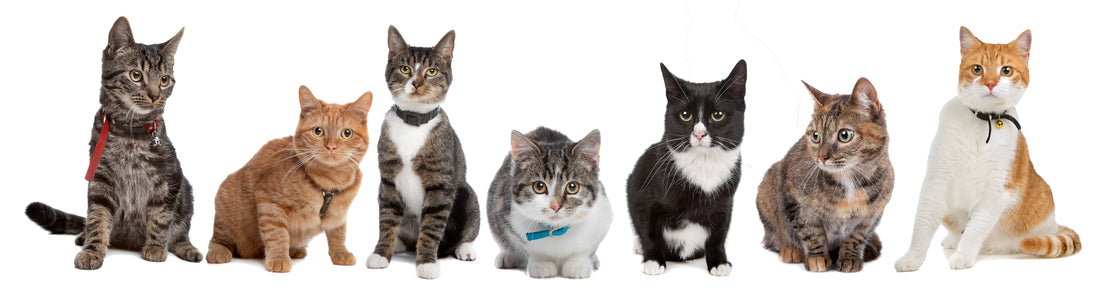
Credit: meowfia.us
Frequently Asked Questions
Which Wild Cat Started Domestic Cat Breeds?
The African wildcat (Felis silvestris lybica) is the ancestor of all domestic cats. It was first domesticated around 9,000 years ago in the Near East. This wild species adapted to human settlements, leading to the variety of domestic cat breeds we have today.
How Did Domestic Cats Evolve From Wildcats?
Domestic cats evolved through natural selection and human intervention. Wildcats that tolerated humans thrived near settlements. Over time, humans selectively bred cats for traits like temperament and appearance, resulting in diverse breeds adapted for companionship and pest control.
What Role Did Ancient Civilizations Play In Cat Breeding?
Ancient Egyptians were pioneers in domestic cat breeding. They valued cats for pest control and spiritual symbolism. Egyptians selectively bred cats for specific traits, influencing the development of distinct breeds and spreading domestic cats across trade routes.
Are All Domestic Cats Descended From One Wild Species?
Yes, all domestic cats descend from the African wildcat species. Genetic studies confirm this single origin. Despite breed variety, their wild ancestor’s DNA remains dominant in domestic cat populations worldwide.
Conclusion
Domestic cats come from wild ancestors that lived thousands of years ago. These wild cats slowly became pets, starting many breeds we know today. Each breed has unique traits, but all share common roots. Understanding where cats began helps us appreciate their special bond with humans.
Cats have changed over time but keep their wild spirit. Their history is simple but fascinating. It shows how nature and humans shaped the cats we love now.

Leave a Reply