Have you ever noticed one cat carefully licking another and wondered why? That simple act of grooming tells a lot about their bonds and behavior.
If you want to understand which cat grooms other cats more and what it means for your furry friends, you’re in the right place. Knowing this can help you spot friendships, trust, and even hidden tensions in your cat family.
Keep reading to discover the surprising answers and deepen your connection with your cats.

Credit: www.youtube.com
Social Grooming Among Cats
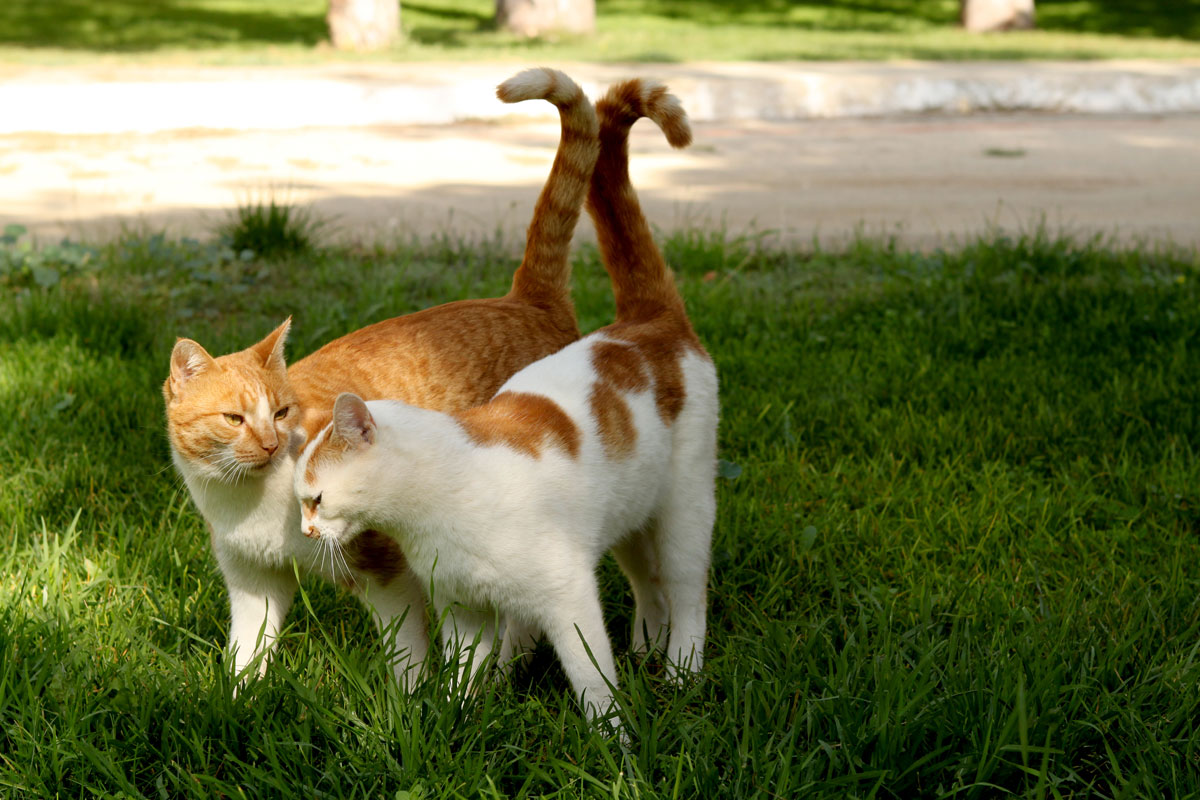
Cats often groom each other in groups, showing strong social bonds. This behavior is called social grooming or allogrooming. It helps build trust and keeps the cat group close. Social grooming also cleans hard-to-reach spots on a cat’s body. It is common among cats living in the same home or colony.
Purpose Of Mutual Grooming
Mutual grooming helps cats relax and feel safe together. It lowers stress by releasing calming chemicals in the brain. Grooming also removes dirt and loose fur, improving hygiene. It strengthens friendships and reduces fights in cat groups. Cats groom to comfort each other and show affection.
Common Grooming Patterns
Cats often groom heads, necks, and ears, areas hard to reach alone. One cat will lick another’s face or behind the ears. Grooming usually happens between cats that trust each other. Higher-ranking cats might groom lower-ranking ones to show care. Cats take turns grooming to keep balance in their group.
Cats That Groom More Often
Cats that groom more often tend to play a special role in their social groups. These cats not only keep themselves clean but also help maintain bonds with other cats. Understanding which cats groom more can give you insight into their social dynamics and personalities.
Role Of Dominant Cats
Dominant cats often take the lead in grooming sessions. They use grooming to assert their status and maintain social order. By grooming others, they reinforce alliances and reduce tension within the group.
If you observe your cats, you might notice one cat initiating grooming more frequently. This cat usually holds a higher rank in the social hierarchy. Does your dominant cat groom others more than it allows itself to be groomed?
Influence Of Age And Gender
Age significantly affects grooming behavior. Younger cats tend to groom more actively, both themselves and their peers. Older cats might groom less but often receive more grooming from younger companions.
Gender also plays a part. Female cats generally groom more than males. This behavior may link to maternal instincts and social bonding. Have you seen female cats in your home grooming others more often than males?
Feline Hierarchy And Grooming
Understanding the dynamics of feline hierarchy and grooming can be an eye-opener for cat owners. Cats don’t just groom themselves; they often groom each other, and this behavior is more than just a cleaning ritual. It reflects their social structure and relationships within a group.
How Rank Affects Grooming Behavior
In multi-cat households, there’s often a pecking order that dictates who grooms whom. Higher-ranking cats may groom lower-ranking members as a way to assert dominance. Conversely, a subordinate cat might groom a more dominant feline as a gesture of submission.
If you’ve ever noticed one cat consistently grooming another, it might be because the groomer holds a higher status. It’s fascinating to observe how this behavior mirrors their social standing. Have you ever thought about which of your cats calls the shots in your household?
Grooming As A Bonding Tool
Beyond hierarchy, grooming serves as a powerful bonding tool among cats. It’s a way for them to show affection and strengthen their social bonds. This mutual grooming, known as allogrooming, is more common between cats that have a close relationship.
Think about when your cats curl up together and start grooming one another. It’s not just about hygiene; it’s a sign of trust and camaraderie. Have you noticed if your cats groom each other more frequently when they’re relaxed or after playtime?
Understanding these behaviors can enhance your relationship with your feline friends. It allows you to appreciate their complex social interactions and recognize the subtle signs of affection they share. So, next time you see your cats grooming each other, take a moment to appreciate the intricate world of feline hierarchy and bonding.
Breed Differences In Grooming
Cat grooming habits vary widely across different breeds. Some cats are naturally more social and enjoy grooming their feline friends, while others prefer to keep to themselves. Understanding these breed differences can help you better manage your multi-cat household and promote harmony.
Highly Social Cat Breeds
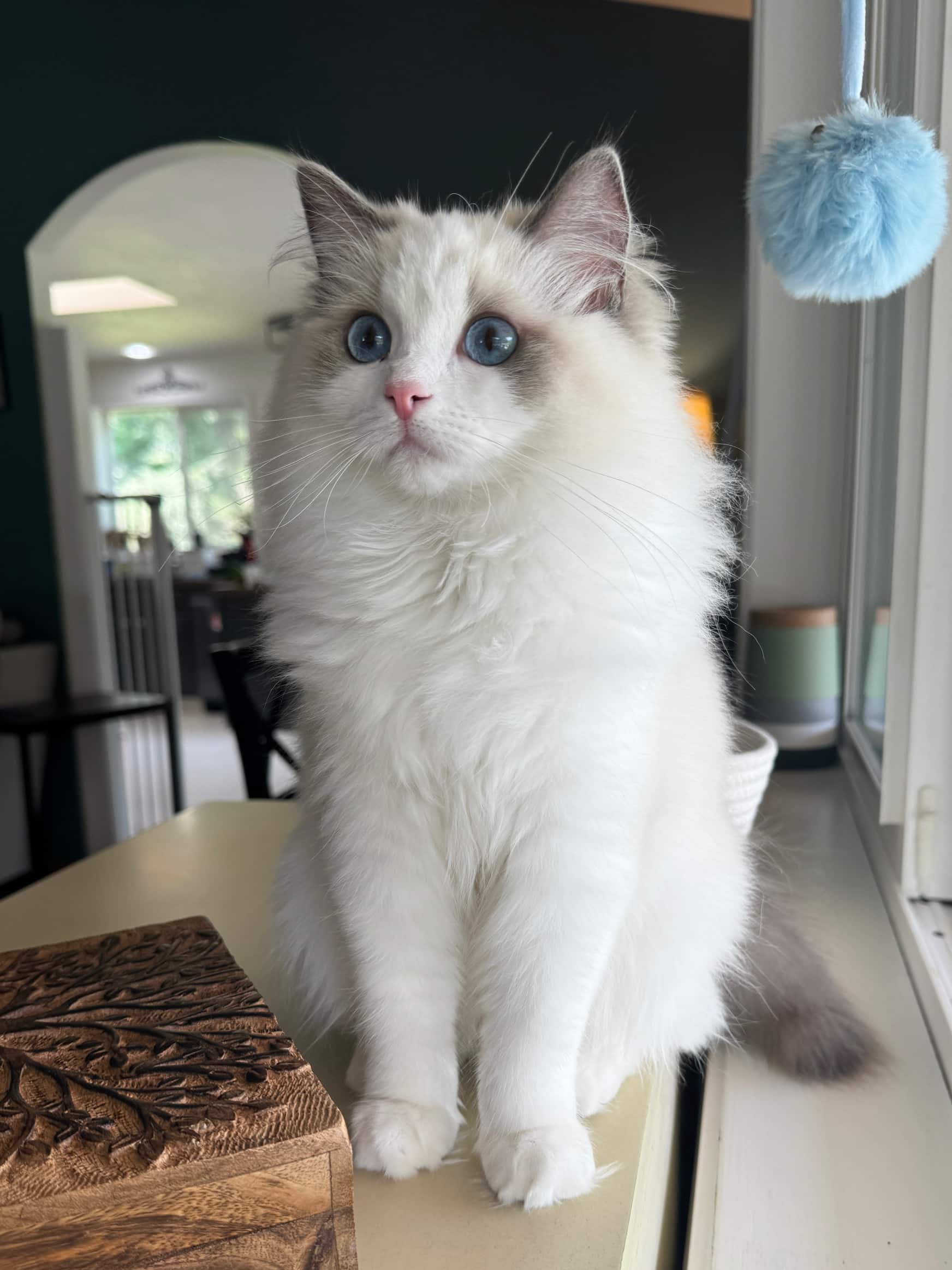
Cats like the Siamese, Maine Coon, and Ragdoll are known for their social nature. They often groom other cats as a way to bond and show affection. You might notice your Siamese cat spending extra time licking a friend’s head or neck, reinforcing their close relationship.
These breeds usually thrive in groups and enjoy physical contact. Grooming acts as a peaceful gesture that reduces tension and strengthens their social circle. If you have one of these breeds, encourage group interactions by providing shared spaces and toys.
Less Grooming-oriented Breeds
Breeds such as the Russian Blue or the Scottish Fold tend to be more independent. They might groom themselves meticulously but rarely extend that care to other cats. This doesn’t mean they dislike company, but their way of showing affection is often quieter and less physical.
If you notice your less grooming-oriented cat avoiding mutual grooming, don’t worry. Their social bonds might show through play or sitting close rather than grooming. Watching for these subtle signs can improve how you interpret your cats’ relationships.
Environmental Factors Impacting Grooming
Environmental factors play a crucial role in shaping how often and how willingly cats groom each other. These influences can either encourage more bonding through mutual grooming or create barriers that reduce this natural behavior. Understanding these elements helps you create a setting that supports healthy social interactions among your cats.
Living Conditions And Grooming Frequency
The space where your cats live directly affects how much they groom each other. In cramped or noisy environments, cats may feel less comfortable approaching their companions for grooming sessions.
On the other hand, a calm and spacious home encourages cats to relax and engage in grooming more often. I once noticed that after rearranging my living room to create a cozy corner with soft cushions, my two cats started grooming each other daily.
Consider these tips to improve grooming frequency through better living conditions:
- Provide multiple quiet resting spots away from high traffic areas.
- Ensure each cat has its own space but allow areas where they can meet comfortably.
- Keep the environment clean and free from strong odors that might stress your cats.
Stress And Grooming Changes
Stress can drastically alter grooming habits among cats. When cats feel threatened or uneasy, they often reduce social grooming or stop it altogether.
Have you noticed your cat grooming less after a change in the household, like a new pet or loud construction noise outside? This drop in grooming signals discomfort and can affect their social bonds.
To help your cats maintain healthy grooming behaviors under stress, try these approaches:
- Introduce changes slowly to give your cats time to adjust.
- Use calming tools like pheromone diffusers to reduce anxiety.
- Spend extra time playing or cuddling to reassure your cats.
What small changes can you make today to create a calmer environment that encourages your cats to groom each other more?
Credit: www.companionanimalpsychology.com
Benefits Of Mutual Grooming
Mutual grooming among cats is more than just a cute behavior. It plays an important role in their daily lives. Cats often groom each other to stay clean and build trust. This act offers several benefits for their health and social life.
Health And Hygiene
Mutual grooming helps cats keep their fur clean and free of dirt. It removes loose hair and reduces the chance of skin problems. Grooming also spreads natural oils, which keep the coat shiny and healthy. This shared care helps reduce parasites like fleas. Cats can reach spots that are hard to clean alone, such as the head and neck.
Strengthening Social Bonds
Grooming each other creates strong social ties. It shows trust and friendship between cats. This activity reduces stress and helps them feel safe together. Cats that groom each other often have better group harmony. It also helps avoid fights and builds a peaceful home environment.

Credit: www.companionanimalpsychology.com
Frequently Asked Questions
Which Cat Breeds Groom Others The Most?
Siamese and Maine Coon cats are known for grooming others frequently. They display strong social bonds through grooming. This behavior helps maintain group harmony and cleanliness among cats.
Why Do Cats Groom Other Cats?
Cats groom others to strengthen social bonds and show affection. Grooming also helps remove dirt and parasites. It creates trust and reduces stress within a cat group.
How Often Do Cats Groom Each Other?
Cats groom each other several times a day, especially in multi-cat households. Grooming sessions can last from a few seconds to several minutes. Frequency depends on their relationship and comfort levels.
Can Male Cats Groom Female Cats More?
Yes, male cats sometimes groom females as a sign of affection or bonding. This behavior is common in neutered males and friendly cats. It helps reinforce social connections within their group.
Conclusion
Cats that groom others usually show strong social bonds. Female cats often groom more than males. Grooming helps reduce stress and builds trust among cats. It also keeps their fur clean and healthy. Watching cats groom each other can be calming to see.
This behavior shows how cats care for their friends. Remember, grooming is a sign of friendship and comfort. It helps cats feel safe and loved in their group. Understanding this can make you appreciate your cats even more.

Leave a Reply