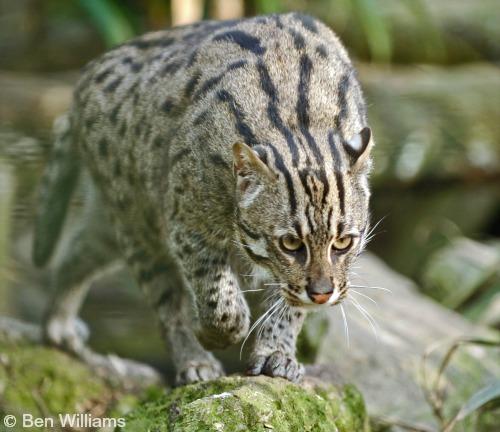
Have you ever wondered which cat breeds can handle the tough, wet conditions of a coastal swamp? If you live near the coast or just love the idea of a cat that can thrive in wild, swampy places, this guide is for you.
Not every cat is built to survive in such a unique environment. But some breeds have special traits that help them stay safe, healthy, and happy even where the land meets the water. Keep reading, and you’ll discover which cats are best suited for coastal swamps—and why they might be the perfect companion for your adventurous lifestyle.
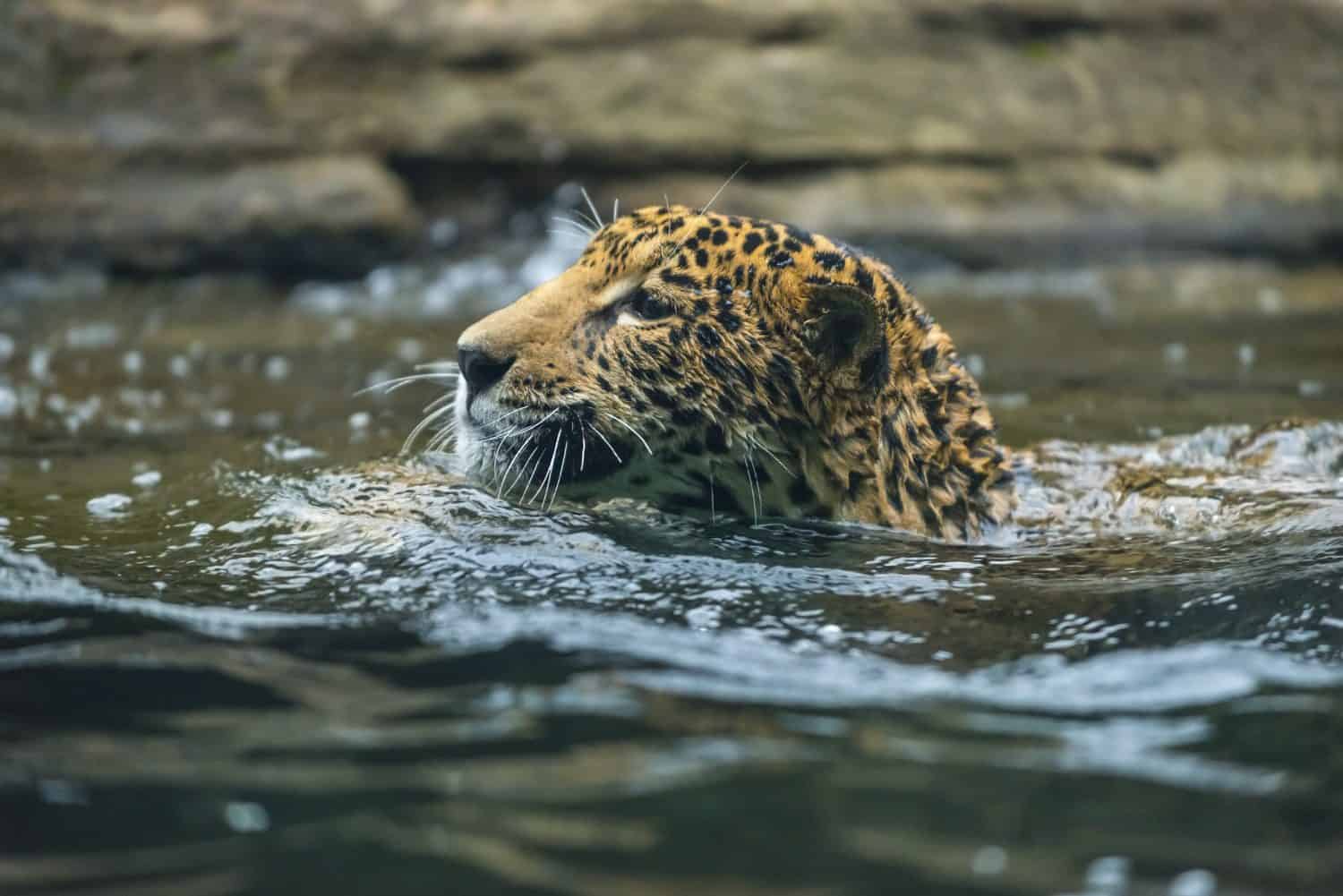
Credit: a-z-animals.com
Traits For Coastal Swamp Survival
Surviving in a coastal swamp demands a unique set of traits from any cat breed. These environments combine high humidity, frequent water exposure, and abundant wildlife, challenging a cat’s physical and mental capabilities. Understanding these essential traits can help you identify which breeds thrive and stay healthy in such conditions.
Adaptability To Humidity
Humidity can be tough on many animals, but some cat breeds handle it better than others. Cats that are comfortable in warm, moist air tend to have fewer skin issues and stay more active.
Think about the Burmese cat, known for its comfort in tropical climates. Their bodies adjust well to sticky, damp air without showing signs of stress or discomfort. How does your cat react on muggy days? Observing this can reveal a lot about their adaptability.
Water-resistant Fur
Living near water means a cat may get wet often, so water-resistant fur is a major advantage. This type of coat helps keep the skin dry and prevents chills.
- Breeds like the Turkish Van have a unique, semi-waterproof coat. They even enjoy swimming, which is rare for cats.
- These cats shed water quickly, allowing them to stay warm and avoid infections caused by damp fur.
Does your cat dislike water, or do they naturally shake it off with ease? That instinct can be a survival skill in a swampy area.
Strong Hunting Instincts
Swamps are full of small animals, insects, and amphibians, making sharp hunting skills vital. Cats with a strong prey drive can secure their own food and stay active.
The Maine Coon is a prime example. Their keen senses and powerful build make them excellent hunters in dense, swampy vegetation. Imagine how a cat’s confidence grows when it can successfully catch its own meals—this boosts mental and physical health.
Health And Disease Resistance
Swamp environments often carry parasites and diseases that can harm cats. Breeds with robust immune systems stand a better chance of staying healthy.
- Some cats have evolved with natural resistance to common swamp-borne illnesses.
- Regular veterinary care is essential, but a breed’s natural defenses reduce the risk of frequent health problems.
Are you aware of the common health issues in your area? Choosing a breed with strong disease resistance can save you headaches and ensure your cat’s longevity.
Top Cat Breeds For Coastal Swamps
Living in a coastal swamp presents unique challenges for any cat breed. The environment is humid, often wet, and filled with diverse wildlife. Choosing the right breed can make a big difference in how well your cat adapts and thrives in such surroundings.
Some cat breeds naturally possess traits that help them handle moisture, rough terrain, and the occasional swim. Let’s look at a few top breeds that stand out for life in coastal swamps.
Bengal
The Bengal cat is known for its muscular build and high energy. Its short, dense coat resists water better than many other breeds, making it suitable for damp environments.
Bengals are curious and adventurous, traits that help them explore swampy areas without fear. Their natural agility means they can navigate uneven ground and climb trees to stay safe.
Maine Coon
Maine Coons have thick, water-resistant fur that protects them from cold and wet conditions. Their large paws act like snowshoes, which also work well in muddy or swampy terrain.
These cats are sturdy and built for outdoor life. If you want a calm yet resilient companion who can handle the coastal swamp’s challenges, the Maine Coon is a great choice.
Turkish Van
Turkish Vans are famous for their love of water, a rare trait among cats. Their semi-long coat dries quickly, and they have a strong swimming ability that gives them an edge in watery environments.
If you worry about your cat accidentally falling into water, the Turkish Van’s comfort in swimming can ease that concern. They adapt quickly to wet surroundings and stay active despite the humidity.
Norwegian Forest Cat
With a thick double coat and strong muscles, the Norwegian Forest Cat is built for harsh climates. Its waterproof fur keeps it dry in rainy, swampy conditions, and it’s excellent at climbing and hunting outdoors.
These cats are independent and resourceful, qualities that help them survive in challenging environments like coastal swamps. Their natural instincts make them a reliable choice for outdoor adventures near water.
Behavioral Traits Supporting Survival
Surviving in a coastal swamp is no small feat, even for the most adaptable of creatures. Cats, with their innate survival instincts, have a unique set of behavioral traits that support their survival in such challenging environments. Understanding these traits not only gives us insight into these fascinating animals but also helps us appreciate their resilience and adaptability.
Climbing And Escaping Predators
Cats are natural climbers, a skill that proves invaluable in the swampy terrain. The ability to climb trees quickly can mean the difference between life and death when escaping predators. Have you ever watched a cat effortlessly scale a tree trunk? This skill, honed over generations, allows cats to seek refuge high above ground threats.
This agility also helps in navigating the complex swamp environment, where dense foliage and unpredictable terrain are common. Cats can leap from branch to branch, making them elusive targets for predators.
Swimming Ability
While not all cats enjoy water, some breeds have developed a surprising affinity for swimming. Turkish Vans, often dubbed the “swimming cats,” have been observed to take to water naturally. This skill is crucial in a swamp, where bodies of water can appear unexpectedly.
Swimming aids in both hunting and evasion. For a cat in a swamp, crossing a stream or escaping through water is just another day in the wild. Have you ever thought about how a cat might navigate a waterlogged environment? Their ability to swim offers a significant survival advantage.
Territorial Instincts
Cats are territorial creatures, and this instinct serves them well in a swamp. They mark their territory to warn off potential rivals and predators. This behavior ensures they maintain a safe space where they can hunt and rest without constant threats.
In the dense and competitive environment of a coastal swamp, having a defined territory is crucial. It minimizes conflicts and helps in establishing a secure base of operations.
So, next time you see a cat, consider the incredible array of skills it possesses. How does your feline friend demonstrate these survival traits in their everyday life? Understanding these behaviors not only deepens our appreciation for cats but also highlights their remarkable adaptability in diverse environments.

Credit: wildcatconservation.org
Environmental Challenges In Coastal Swamps
Coastal swamps present a tough living environment for many animals, including cats. The area’s unique conditions affect health and survival. Cats living here must handle many natural challenges. Understanding these challenges helps identify which breeds can thrive in such places.
High Humidity And Moisture
Coastal swamps have very high humidity levels. This constant moisture can cause skin problems for cats. It can also lead to fungal infections and discomfort. Cats need coats that dry quickly and resist dampness. Breeds with dense or oily fur handle moisture better than those with thin coats.
Insects And Parasites
Swamps are home to many insects and parasites. Mosquitoes, ticks, and fleas are common threats. These pests can spread diseases and cause irritation. Cats in these areas need natural resistance or protection. Thick fur and grooming habits help reduce insect bites and parasite infestations.
Variable Weather Conditions
Weather in coastal swamps changes rapidly. Hot days can turn into cool, wet nights. Sudden storms and heavy rains occur often. Cats must adapt to these changes to stay healthy. Breeds that handle temperature swings and wet weather are more likely to survive in swamps.
Care Tips For Cats In Swampy Areas
Living in a coastal swamp presents unique challenges for cats. The humid environment, presence of insects, and potential hazards demand special care to keep your feline friend healthy and safe. Here are practical tips to help you manage your cat’s wellbeing in such areas.
Regular Vet Checkups
Swampy areas can expose cats to diseases that might not be common elsewhere. Scheduling regular vet visits helps catch any health issues early, especially those related to waterborne pathogens or skin infections.
Your vet can also recommend vaccinations tailored for swamp environments. Consistent monitoring keeps your cat in top shape despite the demanding surroundings.
Parasite Prevention
Ticks, fleas, and mosquitoes thrive in wetlands and pose serious risks to cats. Use vet-approved parasite preventatives regularly to keep these pests away.
Check your cat’s fur daily for any signs of parasites. Simple actions like grooming and cleaning their bedding can reduce the chance of infestations.
Safe Shelter Options
Providing a dry, secure shelter is crucial. Look for elevated spaces or insulated cat houses that protect from moisture and cold nights.
Make sure your cat’s shelter has good ventilation but shields them from direct rain and swamp fumes. Adding washable, absorbent bedding keeps the area comfortable and hygienic.

Credit: wildcatconservation.org
Frequently Asked Questions
Which Cat Breeds Adapt Best To Coastal Swamps?
Breeds like the Bengal, Turkish Van, and Maine Coon adapt well. They have water-resistant coats and strong swimming skills, ideal for swampy, humid environments.
Can Domestic Cats Survive In Humid Coastal Areas?
Yes, some domestic cats can survive if they have thick, water-resistant fur. Proper shelter and food sources are essential for their survival in humid coastal swamps.
What Traits Help Cats Thrive In Swampy Habitats?
Water-repellent fur, strong swimming ability, and high adaptability help cats thrive in swampy areas. These traits protect them from moisture and predators.
Are There Health Risks For Cats Living In Coastal Swamps?
Yes, risks include parasites, infections, and humidity-related skin issues. Regular veterinary care and preventive treatments are important to keep cats healthy in these environments.
Conclusion
Coastal swamps are tough places for cats to live. Some breeds handle humidity and water better than others. Cats with thick fur and strong swimming skills stand a good chance. They stay healthy and safe in this unique habitat. Choosing the right breed means fewer worries for owners.
Nature and cat traits both play big roles here. Always consider the environment before bringing a cat home. Survival depends on adaptation and care. Coastal swamp life is possible for some cats, but not all.

Leave a Reply