Are you thinking about bringing a cat into your home but worried about which breeds do well indoors? Choosing the right indoor cat breed can make all the difference for your happiness and your cat’s health.
Some cats are naturally suited to staying inside, enjoying cozy naps and playful moments without needing to roam outdoors. You’ll discover which cat breeds thrive as indoor companions, helping you make the best choice for your lifestyle and living space.
Keep reading to find the perfect match for you and your future feline friend.
Traits Of Ideal Indoor Cats
Indoor cats need special traits to thrive inside a home. They should be calm but playful, friendly yet independent. Their behavior and energy levels must suit confined spaces. Adaptability is key to keeping them happy and healthy indoors.
Temperament And Behavior
Ideal indoor cats are usually gentle and calm. They enjoy quiet time and gentle play. Friendly cats that like human company fit well inside. Cats that handle change and stress calmly adjust better. Aggressive or highly nervous cats may struggle indoors.
Activity Levels
Cats with moderate activity levels suit indoor life best. Too much energy can lead to destructive behavior. Low-energy cats often rest and relax peacefully. Balanced playtime keeps these cats happy and engaged. Indoor cats need mental and physical stimulation daily.
Adaptability To Indoor Life
Some breeds adapt quickly to indoor living. They accept limited space without stress. Cats that are curious but not overly adventurous do well. They find comfort in routines and safe spaces. Cats that tolerate solitude can handle being alone for hours.
Top Indoor Cat Breeds
Choosing the right cat breed for indoor living helps create a calm, happy home. Some breeds naturally enjoy indoor life and adapt well to confined spaces. These cats often need less outdoor stimulation and thrive on human interaction.
Here are some top indoor cat breeds known for their gentle nature and indoor-friendly habits.
Ragdoll
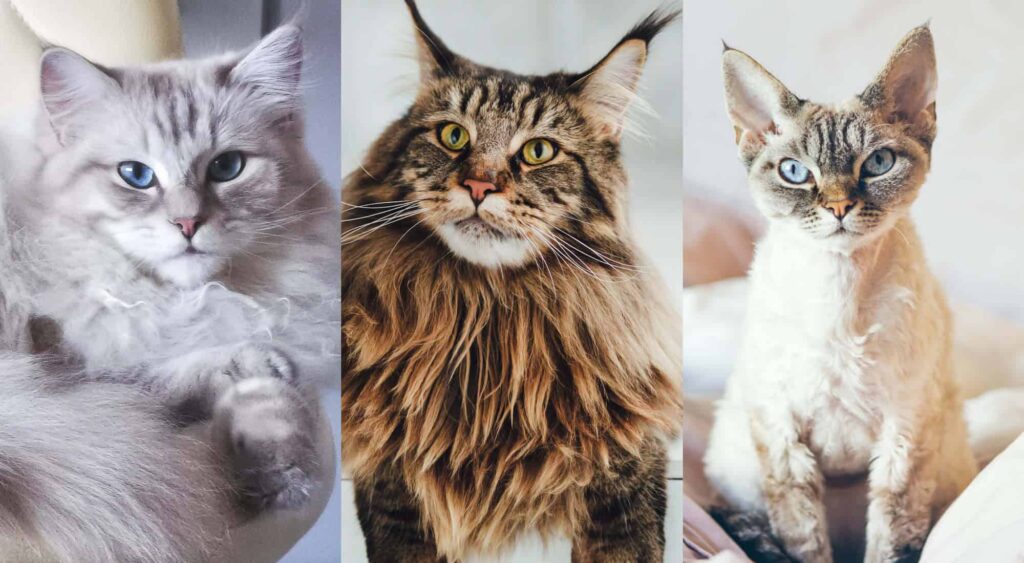
Ragdolls are large, affectionate cats. They love to be held and enjoy quiet time. Their calm personality makes them perfect indoor companions. They have soft, silky fur that requires regular grooming.
British Shorthair
British Shorthairs are sturdy and easygoing. They enjoy lounging around and do well indoors. Their thick coat needs brushing once a week. They are loyal and often form strong bonds with their owners.
Scottish Fold
Scottish Folds have unique folded ears and sweet temperaments. They are playful but not overly active. Indoor life suits them well since they prefer gentle play and naps. Their short to medium fur is easy to care for.
Persian
Persians are quiet, calm, and love indoor comfort. Their long fur needs daily brushing to avoid tangles. They enjoy a peaceful environment and gentle handling. Persians are ideal for homes without too much noise or activity.
Sphynx
Sphynx cats are hairless but warm to touch. They seek warmth and love human attention. Indoor life is a must due to their lack of fur. They require regular skin care and cozy spots to rest.
Benefits Of Keeping Cats Indoors
Certain cat breeds adapt well to indoor living, offering safety and comfort. Indoor cats avoid outdoor dangers and live longer, healthier lives. Choosing the right breed makes indoor life happier for both cats and owners.
Keeping your feline friend indoors offers a multitude of benefits that can enhance their quality of life and your peace of mind. Many cat owners are opting to keep their cats indoors, recognizing the positive impacts on health, longevity, and even the environment. Let’s explore why this lifestyle choice might be right for you and your cat.Health And Safety
Indoor cats are generally healthier because they are less exposed to outdoor dangers. You don’t have to worry about traffic, predators, or infectious diseases. This means fewer trips to the vet and more time enjoying your cat’s company.Longevity
Cats that live indoors tend to live longer lives. They avoid hazards such as cars and aggressive animals, which can drastically shorten their lifespan. By providing a safe environment, you’re giving your cat the gift of more years with you.Reduced Environmental Impact
Keeping cats indoors also benefits the environment. Outdoor cats can disrupt local wildlife, hunting birds and small mammals. By keeping your cat inside, you’re helping to preserve the balance of nature in your area. When you make the decision to keep your cat indoors, you’re not just protecting them—you’re enhancing their life and yours. Have you thought about the long-term benefits this decision could bring to your household?
Credit: bowwowinsurance.com.au
Creating A Cozy Indoor Space
Creating a cozy indoor space for your cat helps them feel safe and happy. Indoor cats thrive in environments that cater to their natural needs. A well-set space keeps them active, relaxed, and less stressed. This section covers key elements to make your home perfect for indoor cats.
Essential Accessories
- Scratching posts protect your furniture and satisfy claws.
- Cat trees offer climbing and hiding spots.
- Litter boxes should be clean and placed in quiet areas.
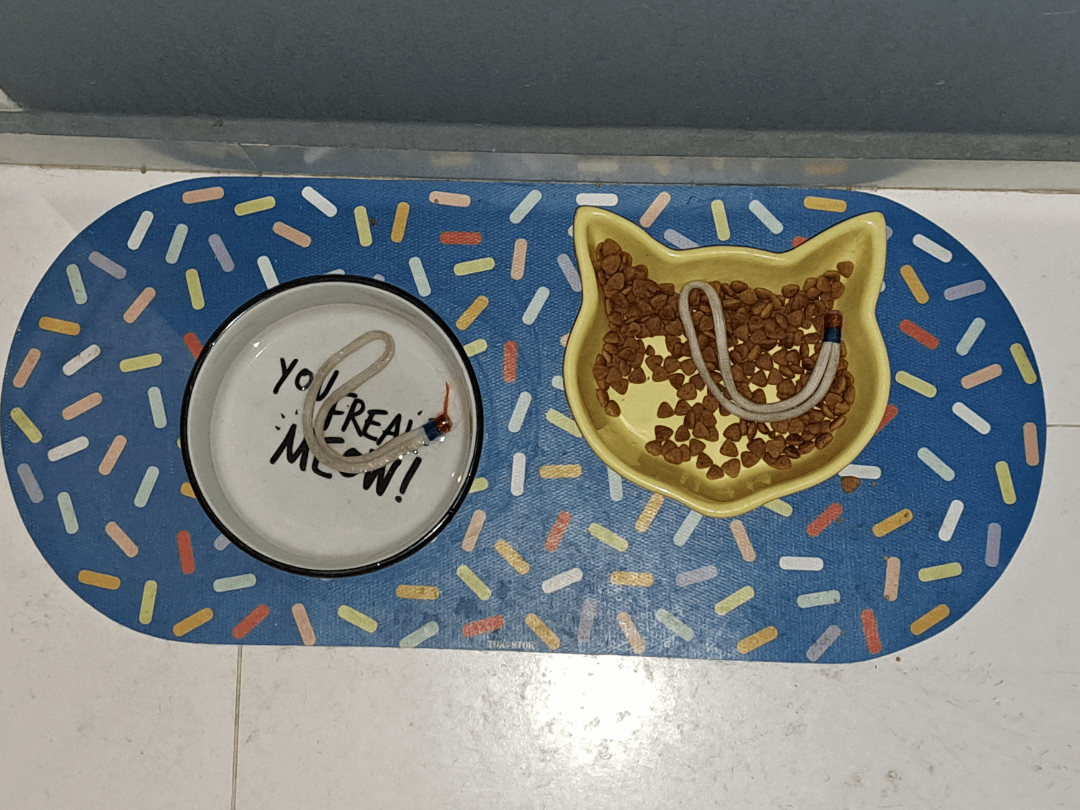
- Food and water bowls need to be easily accessible.
- Window perches allow cats to watch outside safely.
Enrichment And Play
Indoor cats need mental and physical stimulation daily. Toys like feather wands and laser pointers encourage chasing and jumping. Puzzle feeders challenge their minds while slowing down eating. Rotate toys often to keep interest high. Playtime strengthens your bond and reduces boredom.
Comfortable Resting Spots
- Soft beds placed in warm, quiet corners are ideal.
- Boxes and tunnels provide cozy hiding places.
- Sunny windowsills serve as perfect napping spots.
- Elevated perches help cats feel secure and watchful.
Common Challenges With Indoor Cats
Keeping cats indoors has many benefits. It protects them from dangers outside and keeps them healthy. Still, indoor cats face some challenges. These can affect their happiness and well-being. Understanding these problems helps owners care for their pets better.
Preventing Boredom
Indoor cats can get bored without enough stimulation. Boredom may cause bad behavior like scratching furniture or excessive meowing. Cats need toys and activities to stay busy. Simple ideas include:
- Interactive toys that move or make noise
- Climbing structures or shelves to explore
- Regular playtime with their owner
- Window perches to watch outside
These keep cats active and mentally sharp.
Managing Litter And Odors
Indoor cats rely on litter boxes for bathroom needs. Dirty boxes cause odors and may deter cats from using them. Owners should clean litter boxes daily. Using unscented, clumping litter helps control smell. Place boxes in quiet, private spots. For multiple cats, have one box per cat plus one extra.
Maintaining Physical Health
Indoor cats need exercise to avoid obesity. Lack of movement can lead to health issues like diabetes and joint problems. Play sessions encourage activity. Feeding measured portions prevents overeating. Regular vet visits catch health problems early. Grooming helps check skin and fur condition.
Credit: rawznaturalpetfood.com

Credit: gladdogsnation.com
Frequently Asked Questions
Which Cat Breeds Are Best Suited For Indoor Living?
Breeds like the Ragdoll, Scottish Fold, and British Shorthair thrive indoors. They adapt well to indoor environments and enjoy human interaction. These cats require less outdoor activity and are generally calm, making them ideal for indoor homes.
Are Indoor Cat Breeds Less Active Than Outdoor Cats?
Yes, indoor cat breeds tend to be less active. They are often more relaxed and enjoy lounging. However, they still need playtime and stimulation to stay healthy and happy indoors.
Do Indoor Cat Breeds Require Special Care Or Diet?
Indoor cats need balanced nutrition to prevent obesity. Their diet should be controlled to match lower activity levels. Regular vet checkups and mental stimulation are essential for overall health.
Can Indoor Cat Breeds Adapt To Outdoor Environments?
Most indoor cat breeds can adapt, but it varies. They might face risks like traffic or predators outdoors. Supervised outdoor time or secure enclosures are recommended to keep them safe.
Conclusion
Indoor cat breeds offer comfort and safety inside your home. They adapt well to indoor life and need less outdoor space. Cats like the British Shorthair and Ragdoll enjoy calm, indoor environments. Choosing the right breed helps keep your cat happy and healthy.
Remember, all cats need love and care, no matter the breed. A cozy home is the best place for your indoor cat to thrive.


Leave a Reply