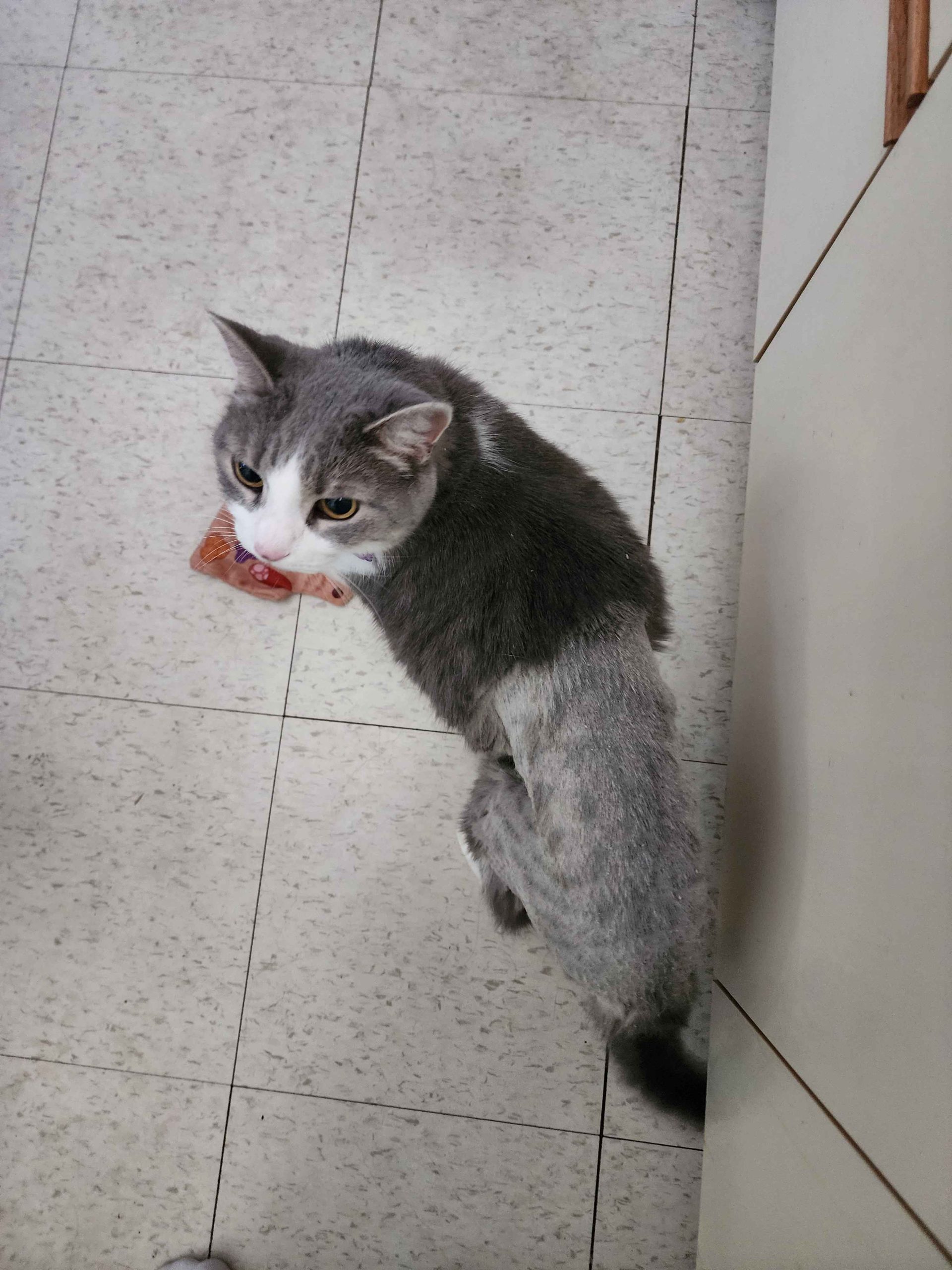
Grooming your cat is important, but what do you do when your furry friend is aggressive? You want your cat to look and feel good, but the struggle to keep them calm and safe during grooming can be real.
If you’ve been asking yourself, “Where can I groom my aggressive cat? ” you’re not alone. You’ll discover practical places and tips to make grooming easier and less stressful for both you and your cat. Keep reading to find solutions that work for your unique situation.
Choosing The Right Grooming Spot
Choosing the right spot to groom your aggressive cat can change the entire experience for both of you. The environment affects how calm or stressed your cat feels, which directly impacts their behavior. Picking a place that meets their needs helps you avoid scratches and keeps grooming sessions shorter and smoother.
Quiet And Calm Environment
Your cat needs a space free from loud noises and sudden movements. A quiet room with minimal distractions reduces anxiety and helps your cat stay still. Think about a small room where you can close the door and control the sounds around.
Have you noticed how your cat reacts to TV or radio sounds? Turning these off during grooming might make a big difference.
Safe And Secure Area
Make sure the area feels safe for your cat. Choose a spot where they can’t easily escape or hide in hard-to-reach places. Using a soft blanket or a non-slip mat on a stable surface gives your cat comfort and prevents slipping during grooming.
Do you have a favorite chair or table your cat trusts? Grooming there can help them feel more secure.
Avoiding High-traffic Zones
Steer clear of busy hallways, kitchens, or rooms where other pets and people pass by frequently. High-traffic areas increase stress and can cause your cat to become defensive. Instead, pick a low-traffic corner of your home where interruptions are rare.
Have you tried grooming in different rooms to see where your cat feels least disturbed? Finding that perfect spot might take some experimenting but is worth it for a calmer cat.
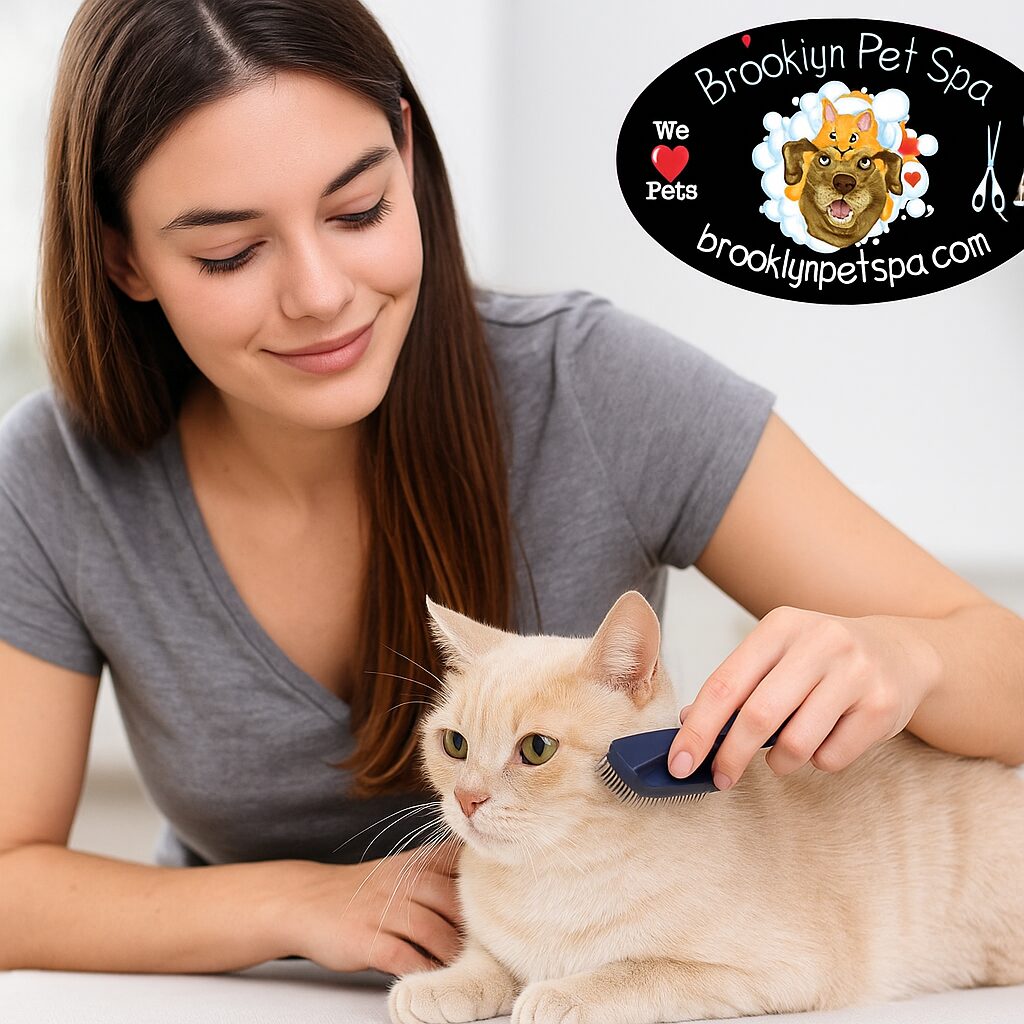
Credit: brooklynpetspa.com
Tools For Grooming Aggressive Cats
Grooming an aggressive cat requires special tools to ensure safety and comfort. The right equipment makes the process smoother for both you and your pet. Choosing appropriate tools helps reduce stress and prevent injuries.
Using Protective Gloves
Protective gloves shield your hands from scratches and bites. Thick, long gloves provide extra coverage for your arms. Look for gloves made from durable materials like leather or heavy fabric. Gloves allow you to hold your cat firmly but gently. They also give you confidence during grooming sessions.
Cat-specific Grooming Tools
Use brushes and combs designed for cats’ fur types. Slicker brushes remove loose hair without pulling painfully. Metal combs help detangle knots carefully. Nail clippers made for cats keep claws trimmed safely. Avoid human grooming tools; they can hurt your cat’s skin. Choose tools with smooth edges and comfortable handles for better control.
Calming Sprays And Aids
Calming sprays reduce anxiety and promote relaxation. These sprays often use natural pheromones similar to those cats produce. Apply sprays on your cat’s bedding or fur before grooming. Soft music or diffusers can create a peaceful environment. Use calming aids alongside tools to ease aggression and improve cooperation.
Preparing Your Cat For Grooming
Choosing a quiet, secure spot helps calm an aggressive cat during grooming. A familiar room with few distractions reduces stress and keeps your cat comfortable. Soft lighting and gentle handling make the grooming experience safer and smoother.
Preparing your cat for grooming is a vital step. Especially if your feline friend shows aggressive behavior. It’s essential to create a calm environment. This helps reduce stress and build trust. Let’s explore some effective strategies.Building Trust Gradually
Start with short interactions. Use a gentle voice and soft touches. Allow your cat to sniff grooming tools. This helps them become familiar. Offer treats as rewards for calm behavior. Over time, your cat will associate grooming with positive experiences.Short And Positive Sessions
Keep initial grooming sessions brief. A few minutes is often enough. Focus on one area, like brushing the back. Gradually increase the time as your cat relaxes. End each session with a treat or playtime. This reinforces a positive association.Recognizing Stress Signals
Pay attention to your cat’s body language. Signs of stress include flattened ears and a twitching tail. If your cat shows these signs, pause the grooming. Allow them to calm down before resuming. Understanding these signals helps maintain a stress-free experience.
Credit: tryfurgo.com
Grooming Techniques For Safety
Grooming an aggressive cat requires care and caution. The goal is to keep both you and your cat safe. Using the right techniques reduces stress and risk of injury. Patience and calmness help create a safer grooming experience. Below are key techniques for handling grooming safely.
Handling Aggression Safely
Observe your cat’s body language closely. Signs like hissing, growling, or swatting show aggression. Stop grooming immediately if your cat becomes too stressed. Speak softly to calm your cat during grooming. Keep sessions short to avoid overwhelming your pet. Use treats to reward calm behavior and build trust.
Gentle And Controlled Movements
Move slowly and deliberately while grooming. Sudden movements can scare or anger your cat. Use gentle strokes with a soft brush or comb. Avoid pulling on mats or tangles roughly. Work in small sections to prevent frustration. Always stay calm and patient throughout the process.
Using Restraints When Necessary
Restraints can protect both you and your cat during grooming. Use towels or blankets to wrap your cat securely but gently. Avoid tight restraints that cause discomfort or panic. Consider a grooming bag designed for cats. Never force your cat into restraints; stop if signs of distress appear. Ask a professional groomer or vet for advice on safe restraint use.
When To Seek Professional Grooming
Grooming an aggressive cat can be a daunting task. There are moments when your cat’s behavior might be too risky for you to handle alone. Knowing when to seek professional grooming can save you stress and ensure your cat stays healthy and comfortable.
Signs Your Cat Needs Expert Care
Watch for signs like excessive matting, wounds, or skin infections that you can’t safely clean at home. If your cat shows extreme resistance or aggression during grooming attempts, it’s a clear signal that professional help is necessary. Persistent scratching or hair loss can also indicate underlying issues that a groomer trained in handling difficult cats can address.
Finding Experienced Groomers
Not all groomers have experience with aggressive cats. Look for professionals who specialize in or advertise handling difficult pets. Ask about their techniques and safety measures—do they use gentle restraint, sedation, or calming pheromones? You can also request references or read reviews from other cat owners with similar challenges.
Mobile Grooming Services
Mobile groomers come to your home, which can reduce your cat’s stress. This option is especially helpful if your cat becomes aggressive due to unfamiliar environments. Mobile professionals often have the skills and equipment to manage aggressive behavior safely right at your doorstep.
Aftercare And Rewarding Your Cat
After grooming an aggressive cat, proper aftercare is essential to keep your cat calm and happy. Rewarding your cat encourages good behavior and builds trust. These steps help your cat relax and feel safe after a stressful grooming session.
Calming And Comforting Tips
Offer a quiet space for your cat to rest. Soft blankets or a favorite bed work well. Speak in a gentle, soothing voice. Avoid sudden movements that might scare your cat. Light petting helps, but only if your cat wants it. Use a warm towel to wrap your cat if it feels anxious.
Positive Reinforcement
Give treats your cat enjoys right after grooming. Use small, tasty bites to avoid overfeeding. Praise your cat with kind words and gentle strokes. Play with your cat using favorite toys to create a happy association. Repeat rewards after each grooming session to build trust. Positive reinforcement makes grooming less stressful over time.
Monitoring For Any Issues
Check your cat’s skin for redness or cuts. Watch for signs of swelling or irritation. Look for changes in behavior like hiding or aggression. Keep an eye on eating and drinking habits. Contact a vet if you notice unusual symptoms. Early detection helps prevent bigger health problems.

Credit: www.reddit.com
Frequently Asked Questions
Where Is The Safest Place To Groom An Aggressive Cat?
Choose a quiet, confined area free from distractions. Use a non-slip mat and keep grooming tools nearby. This limits your cat’s movement and reduces stress, making grooming safer and easier for both of you.
Can I Groom My Aggressive Cat At Home?
Yes, but prepare thoroughly. Use calming techniques and proper equipment. If your cat shows extreme aggression, consult a professional groomer or vet for advice to avoid injury and stress.
Should I Hire A Professional For Grooming Aggressive Cats?
Professional groomers have experience handling aggressive cats safely. They use specialized tools and techniques to reduce stress and risk. Hiring an expert ensures your cat gets proper care without harm.
How Can I Calm My Aggressive Cat Before Grooming?
Try gentle petting, soft talking, and treats to relax your cat. Use pheromone sprays or diffusers to reduce anxiety. A calm cat is easier and safer to groom.
Conclusion
Grooming an aggressive cat needs patience and care. Choose a calm place with few distractions. Use gentle tools and take short breaks. Trust builds slowly, so stay consistent and kind. Professional groomers experienced with difficult cats can help. Your cat’s comfort and safety come first.
Keep trying, and the grooming will get easier. Small steps lead to big progress. Caring for your cat shows your love clearly.


Leave a Reply