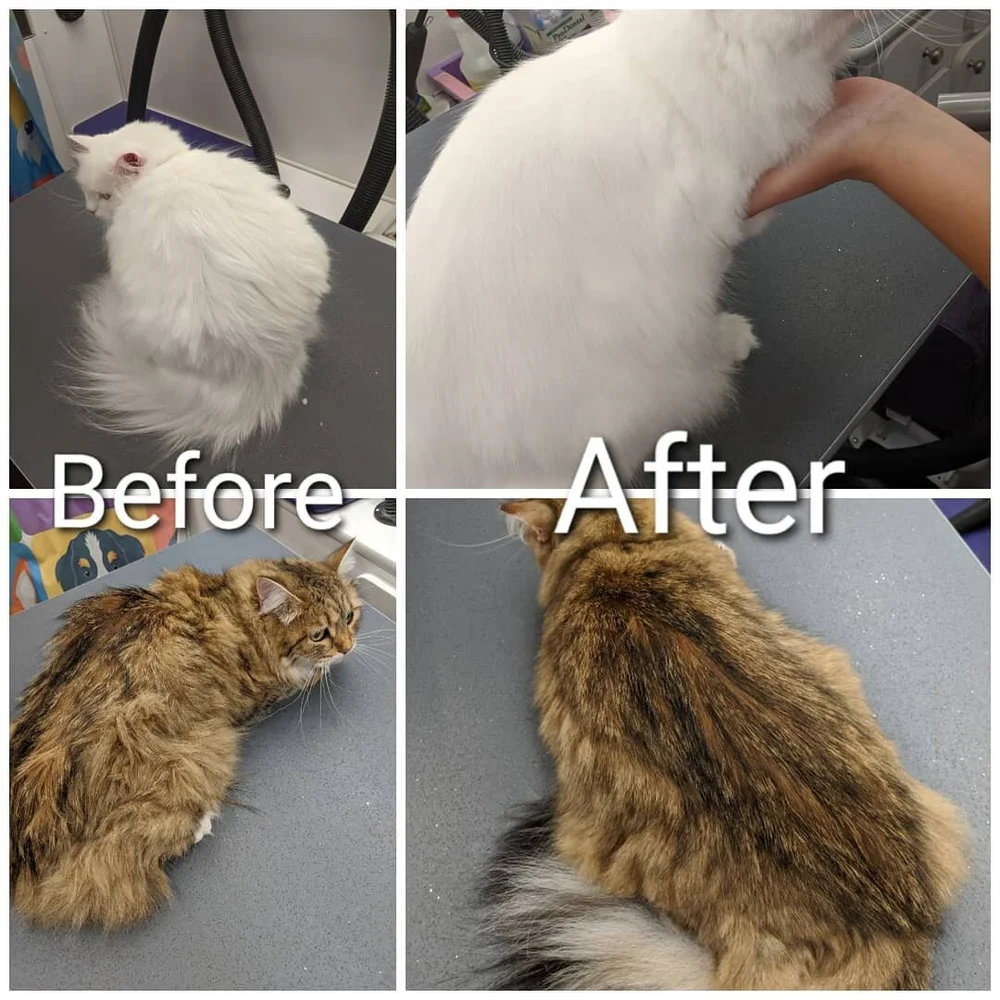
Are you wondering when to get your cat groomed? Keeping your feline friend clean and comfortable isn’t just about looks—it’s key to their health and happiness.
But how do you know the right time to schedule grooming sessions? If you want to avoid mats, shedding, and skin problems, understanding the best grooming schedule for your cat is essential. Keep reading to discover simple signs and expert tips that will help you keep your cat looking and feeling their best every day.
Signs Your Cat Needs Grooming
Knowing when your cat needs grooming is important for its health and happiness. Cats can’t always tell us when they feel uncomfortable. Watching for signs can help you keep your cat clean and comfortable.
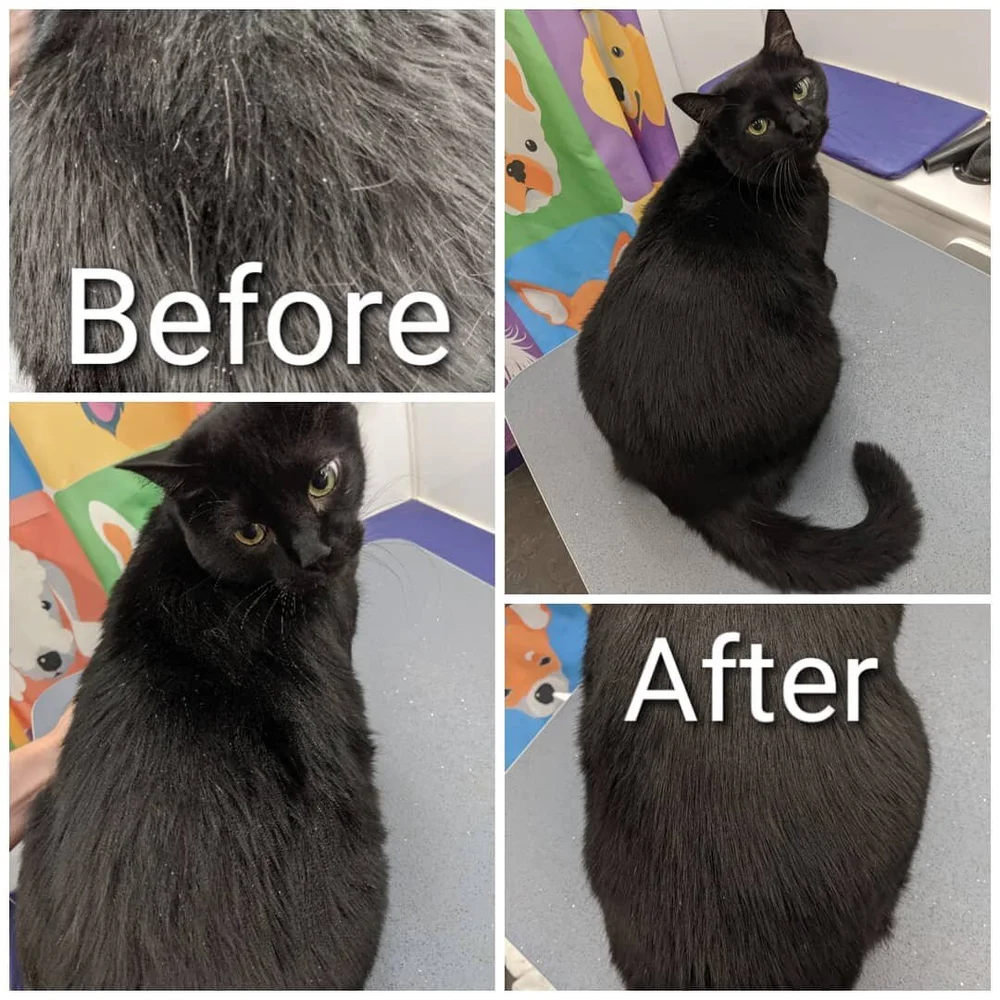
Regular grooming prevents skin problems and keeps your cat’s coat shiny. Pay close attention to changes in your cat’s fur and behavior. These signs often mean it’s time for a grooming session.
Changes In Coat Texture
Your cat’s fur should feel soft and smooth. Rough, dry, or greasy fur shows a need for grooming. A dull coat may mean dirt or oil buildup. Grooming helps restore shine and softness.
Visible Mats And Tangles
Mats look like clumps of fur stuck together. They pull on the skin and cause pain. Tangles can trap dirt and cause infections. Regular brushing stops mats from forming.
Excess Shedding
All cats shed, but too much fur on furniture signals a problem. Excess shedding may mean your cat needs grooming. Brushing removes loose fur and reduces hair around the house.
Unpleasant Odors
Bad smells from your cat’s coat or skin are a warning. Odors can come from dirt, oils, or infections. Grooming cleans the fur and helps your cat smell fresh again.
Ideal Grooming Frequency
Grooming is essential for a cat’s health and comfort. The right grooming frequency depends on your cat’s coat type, age, and health. Regular grooming removes loose hair, prevents mats, and keeps skin healthy. Adjust grooming habits to suit your cat’s unique needs.
Short-haired Cats
Short-haired cats need grooming less often. Brushing once a week usually works well. It helps remove loose fur and reduces shedding. Check their coat for any dirt or skin issues during grooming.
Long-haired Cats
Long-haired cats require more frequent grooming. Daily brushing prevents tangles and mats. Their thick fur traps dirt and debris easily. Grooming also helps keep their coat shiny and healthy.
Senior Cats
Older cats may groom less on their own. Brush them two to three times a week. Gentle grooming improves circulation and comfort. Watch for sensitive spots or skin changes.
Cats With Skin Conditions
Cats with skin problems need special care. Follow your vet’s advice on grooming frequency. Use gentle brushes and avoid harsh products. Grooming helps monitor skin and reduce irritation.
Seasonal Grooming Tips
Grooming your cat throughout the year ensures their coat remains healthy and their skin is free from irritations. Different seasons bring unique grooming challenges and opportunities. By understanding these seasonal nuances, you can provide optimal care for your feline friend.
Spring Shedding
As the weather warms, cats naturally shed their winter coats. Regular brushing during this time helps reduce loose hair and prevents hairballs. Consider using a de-shedding tool designed for cats to efficiently manage the extra fur.
Have you noticed an increase in shedding around the house? Investing in a good vacuum can keep your home tidy during this shedding period. Remember, a clean coat is a happy coat!
Summer Maintenance
Summer heat can be tough on your cat, especially if they have a thick coat. Regular grooming helps them stay cool and comfortable. Opt for shorter grooming sessions more frequently to avoid overheating your pet.
Think about trimming their fur slightly if they seem uncomfortable. Always ensure there’s a shaded area and plenty of water available to keep them cool.
Fall Preparation
As temperatures drop, your cat’s coat will start to thicken again. Brushing helps distribute natural oils and keeps their coat lush and healthy. Increase the frequency of grooming sessions to ensure their new coat grows in evenly.
Have you ever checked for matted fur, especially in long-haired breeds? Regular grooming prevents these and maintains a sleek appearance.
Winter Care
During winter, cats tend to shed less, but that doesn’t mean grooming can be neglected. Regular brushing helps remove dust and dander, keeping their skin healthy. Be attentive to any signs of dry skin; moisturizing sprays or wipes can help.
Have you ever tried heated beds for your cat? They can be a cozy addition during the colder months, ensuring your cat stays warm and comfortable.
Credit: www.squeakycleangrooming.com
Best Times Of Day For Grooming
Choosing the right time to groom your cat makes the process easier and more pleasant. Cats have different energy levels throughout the day. Picking the best moment helps them stay calm and cooperative. Here are some benefits of grooming at different times of the day.
Morning Grooming Benefits
Mornings offer a fresh start for your cat. They are often calm and relaxed after waking up. Grooming in the morning can help remove loose fur early. It sets a routine and keeps your cat comfortable all day. Morning sessions are usually quieter with fewer distractions.
Evening Grooming Advantages
Evening grooming helps your cat wind down after a busy day. Cats tend to be less active and more patient in the evening. Grooming before bed can reduce shedding overnight. It also strengthens your bond as your cat feels cared for. Evening sessions can make your pet feel safe and cozy.
Avoiding Stressful Moments
Choose times when your cat feels calm and happy. Avoid grooming right after meals or during playtime. Stay clear of moments when your cat is restless or scared. Watch your cat’s body language for signs of stress. Short, gentle sessions prevent frustration and build trust.
Tools For Perfect Grooming Timing
Timing your cat’s grooming sessions can make all the difference in keeping their coat healthy and your bond strong. But having the right tools at hand ensures you’re not just grooming effectively, but also at the perfect moments. Understanding which tool to use and when can save you time and keep your feline friend comfortable throughout the process.
Choosing The Right Brush
Selecting the right brush depends on your cat’s fur type and grooming needs. For short-haired cats, a soft-bristle brush works well to remove loose hair and dirt without irritating their skin. Long-haired cats benefit from a slicker brush, which gently detangles mats and prevents knots from forming.
Have you noticed your cat’s fur matting more after playtime or outdoor adventures? That’s the perfect time to grab the brush that suits their coat and start grooming. Regular brushing not only removes dirt but also distributes natural oils, keeping the coat shiny and healthy.
Using Grooming Gloves
Grooming gloves are excellent for cats who dislike the feel of brushes. These gloves mimic petting, making grooming less stressful and more enjoyable. They also work well during shedding seasons when you want to remove loose fur quickly.
Try using grooming gloves after your cat’s naps or when they’re relaxed and calm. You might find your cat leaning into the strokes, turning grooming into a bonding moment. Plus, gloves can reach tricky spots like under the chin and around the ears with ease.
When To Use Clippers
Clippers are best saved for trimming matted fur or managing long coats prone to tangles, especially in warmer months. Use them carefully to avoid stressing your cat—short sessions with breaks work better than long, continuous clipping.
Notice your cat scratching or biting at a specific area? That might be a cue to check for mats or irritations that need trimming. Clippers become useful tools in these cases, helping to keep your cat comfortable and their coat manageable.

Credit: www.latimes.com
Tips To Make Grooming Easier
Grooming your cat can be a smooth process with the right approach. Simple tips help both you and your cat feel relaxed. Understanding how to prepare and behave during grooming saves time and stress. Here are some ideas to make grooming easier and more pleasant for your furry friend.
Creating A Calm Environment
Choose a quiet spot for grooming. Avoid loud noises and sudden movements. Soft lighting helps your cat feel safe. Use a comfortable surface like a towel or mat. Keep grooming tools nearby to prevent interruptions. A calm space reduces your cat’s anxiety and resistance.
Positive Reinforcement
Reward your cat with treats during and after grooming. Speak softly and praise your cat often. Use gentle petting to show affection. Positive experiences encourage your cat to cooperate. Consistent rewards build trust and make grooming less stressful.
Handling Difficult Cats
Stay patient and calm when your cat resists. Take breaks if your cat becomes restless. Wrap your cat in a towel to keep it secure. Use slow, gentle movements to avoid startling your cat. Seek help from a professional groomer if needed.
Credit: hellopetsinc.com
Frequently Asked Questions
When Is The Best Time To Groom My Cat?
The best time to groom your cat is during calm moments. Regular grooming every 4 to 6 weeks helps maintain coat health. Adjust frequency based on your cat’s breed and shedding patterns for optimal care.
How Often Should Long-haired Cats Be Groomed?
Long-haired cats need grooming at least twice a week. This prevents mats, tangles, and hairballs. Regular grooming also promotes healthy skin and reduces shedding around your home.
What Signs Indicate My Cat Needs Grooming?
Look for mats, excessive shedding, or dirty fur. Scratching, skin irritation, or an unusual odor also suggest grooming is needed. Early grooming prevents discomfort and skin infections.
Can Kittens Be Groomed Early On?
Yes, kittens can start grooming sessions at 6 to 8 weeks. Early grooming helps them get used to handling. It also promotes bonding and easier grooming habits as they grow.
Conclusion
Regular grooming keeps your cat healthy and happy. Watch for signs like matted fur or shedding. Grooming helps prevent skin problems and hairballs. It also strengthens the bond between you and your pet. Keep a grooming schedule based on your cat’s coat type.
Short-haired cats need less frequent grooming than long-haired ones. Don’t wait for problems to start grooming. Care for your cat’s coat to ensure comfort and cleanliness. Simple grooming routines make a big difference in your cat’s life.


Leave a Reply