Are you wondering when your playful kitten should switch to adult cat food? Knowing the right time to make this change is important for your cat’s health and growth.
Feed them too early, and they might miss out on crucial nutrients. Wait too long, and they could gain unwanted weight or face digestion problems. You’ll discover the clear signs and best timing to transition your kitten smoothly. Keep reading to make sure your furry friend stays happy and healthy every step of the way.

Credit: www.tippaws.com
Kitten Growth Stages
Understanding the kitten growth stages is key to knowing when to switch your kitten to adult cat food. Each stage has unique nutritional needs that support healthy development. Paying attention to these phases helps you provide the right food at the right time, ensuring your kitten grows strong and happy.
Newborn To Weaning
During this stage, kittens rely entirely on their mother’s milk or a special kitten milk replacer. Their digestive systems are fragile, so solid food is not suitable yet. You’ll notice they start opening their eyes and gaining mobility, but nutrition is still focused on easy digestion and high energy.
Have you ever watched a tiny kitten nurse? It’s a delicate process that supports rapid brain and body growth.
Weaning To Six Months
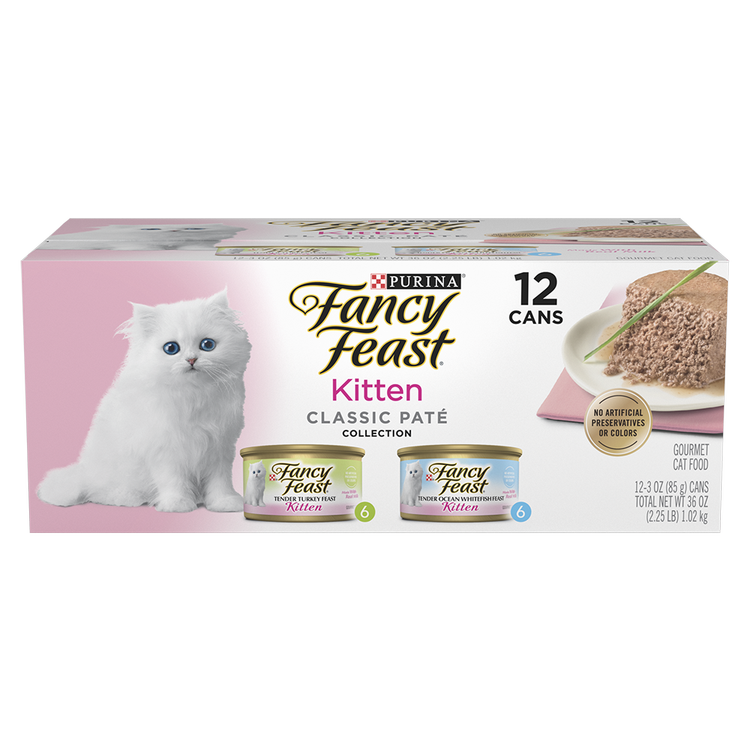
This is when kittens begin the transition to solid food. Start introducing soft, wet kitten food around four weeks old, gradually mixing it with milk replacer to ease the change. By six months, they should be eating mostly solid kitten food rich in protein and fat for muscle and bone development.
- Feed multiple small meals throughout the day to match their high energy needs.
- Choose foods labeled specifically for kittens to support their growth.
Are you paying attention to how your kitten responds to new foods? Their appetite and stool quality can tell you if the transition is going well.
Six Months To One Year
Between six months and one year, your kitten’s growth rate slows, but they still need nutrient-rich food. This is a good time to start preparing for the shift to adult cat food. You might begin mixing adult food with kitten food to help their digestive system adjust.
Keep in mind, every kitten grows at a different pace. Watch their body condition and energy levels to decide the perfect moment to switch fully.
Credit: www.purina.com
Nutritional Needs Of Kittens
Kittens grow fast and need special nutrition to support their development. Their food must provide the right balance of nutrients. Meeting these needs helps kittens build strong bones, muscles, and a healthy immune system. Understanding the nutritional needs of kittens is key to knowing when to switch to adult cat food.
Protein Requirements
Kittens need more protein than adult cats. Protein helps build muscles and repair tissues. High-quality animal protein is best for kittens. It provides essential amino acids that support growth and energy. A diet with at least 30% protein is ideal during kittenhood.
Essential Vitamins And Minerals
Vitamins and minerals support many body functions in kittens. Calcium and phosphorus are vital for strong bones and teeth. Vitamin A helps with vision and skin health. Taurine, an amino acid, is crucial for heart and eye function. Balanced vitamins and minerals promote overall health and development.
Caloric Intake
Kittens burn lots of energy during growth. They need more calories per pound than adult cats. Feeding smaller, frequent meals helps meet their energy needs. Too few calories can slow growth. Too many can cause unhealthy weight gain. Proper calorie intake keeps kittens active and healthy.
Signs To Switch To Adult Food
Kittens grow fast and their food needs change as well. Recognizing the signs to switch to adult cat food helps keep them healthy. The right nutrition supports their growth and energy levels. Watch for physical and behavioral changes, and follow your vet’s advice for the best timing.
Physical Development Indicators
Kittens usually start to look leaner and less round as they grow. Their baby teeth fall out and adult teeth come in. Their weight gain slows down compared to early kitten months. Muscle tone becomes more defined, and they begin to look like small adult cats. These signs suggest they need food with different nutrients.
Behavioral Changes
Growing kittens become less playful and more independent. They may eat less often but consume larger meals. Their energy shifts from constant play to short bursts of activity. Appetite changes can indicate readiness for adult food. Watch how your kitten acts during feeding and playtime for clues.
Veterinarian Recommendations
Your veterinarian knows your kitten’s health best. They recommend the best time to change food based on growth and health checks. Regular vet visits help track development and identify the perfect moment to switch. Always ask your vet before changing your kitten’s diet to avoid health risks.
Choosing The Right Adult Cat Food
Choosing the right adult cat food is essential for your cat’s health as they transition from kittenhood. Adult cats have different nutritional needs, so the food you pick should support their energy levels, weight, and overall well-being. Understanding what to look for can make this change smoother and more beneficial for your feline friend.
Types Of Adult Cat Food
Adult cat food comes mainly in three forms: dry, wet, and raw. Dry food is convenient and helps keep teeth clean but may lack moisture. Wet food provides hydration and is often more palatable, especially for picky eaters. Raw food mimics a natural diet but requires careful handling to avoid bacteria. Which type fits your cat’s lifestyle and preferences?
Reading Nutrition Labels
Look for foods that list a high-quality protein source, like chicken or fish, as the first ingredient. Check for essential nutrients such as taurine, vitamins, and minerals. Avoid foods with vague terms like “meat by-products” or excessive fillers. Understanding these labels helps you choose a balanced diet that meets your cat’s needs.
Avoiding Common Ingredients
Many adult cat foods contain fillers like corn, wheat, and soy, which offer little nutritional value and can cause allergies. Artificial colors, flavors, and preservatives may harm your cat over time. Steer clear of foods with excessive salt or sugar, as these can lead to health problems. Your cat deserves food that nourishes without unnecessary extras.
Transitioning Diets Smoothly
Transitioning your kitten from baby food to adult cat food requires care. A smooth change helps avoid stomach issues. It ensures your cat accepts the new food well. Start early and take your time. Watch your kitten’s reaction closely during this phase.
Gradual Food Mixing
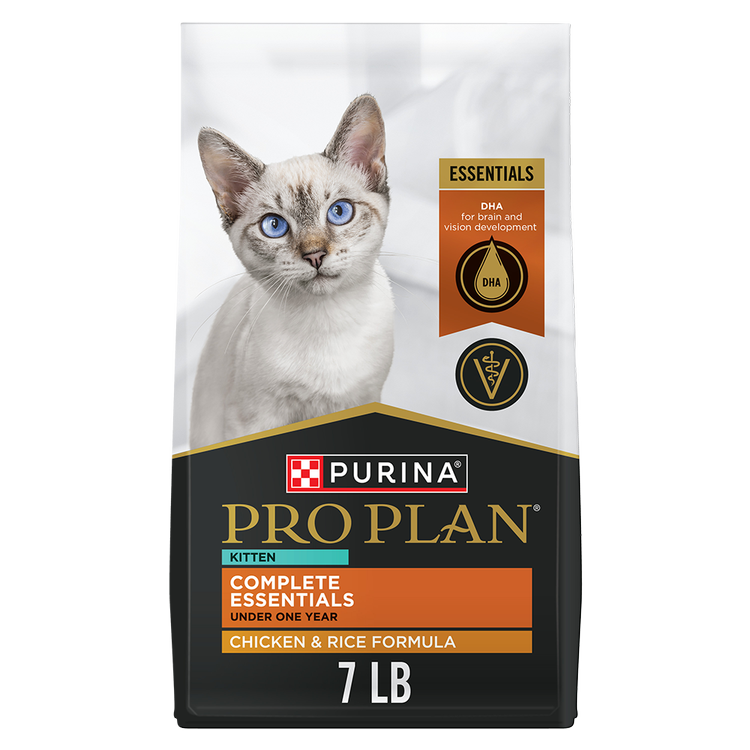
Start by mixing a small amount of adult food with kitten food. Slowly increase the adult food portion over 7 to 10 days. This helps your kitten adjust to new flavors and textures. Sudden changes can upset their stomach and cause refusal to eat.
Monitoring Digestive Health
Observe your kitten’s stools for any changes. Soft or watery stools may indicate digestive trouble. If diarrhea or vomiting occurs, slow down the transition. Keep an eye on your kitten’s energy and appetite. Healthy digestion means your kitten is adapting well.
Adjusting Portion Sizes
Adult cats need fewer calories than kittens. Adjust the meal size as your kitten grows. Follow the feeding guide on the adult cat food package. Avoid overfeeding to prevent weight gain. Smaller, frequent meals help maintain good digestion during the transition.
Credit: www.purina.com
Common Mistakes To Avoid
Switching kittens to adult cat food too early can cause nutrition problems. Waiting too long may lead to weight gain or health issues. Watch for signs like size and activity to choose the right time.
Understanding when to transition your kitten to adult cat food can be a bit tricky. It’s important to navigate this change carefully to ensure your feline friend remains healthy and happy. Many pet owners make common mistakes during this phase, which can affect their cat’s growth and overall well-being. Let’s explore these pitfalls and how you can avoid them.Switching Too Early Or Late
Transitioning your kitten to adult cat food too early can deprive them of essential nutrients needed for growth. Kittens have different dietary requirements compared to adult cats, and premature switching can lead to nutrient deficiencies. On the other hand, delaying the switch can result in over-nourishment, leading to obesity. So, when is the right time to make the change? Typically, around 12 months is ideal, but always consult with your vet for personalized advice. Trust their expertise, and observe your kitten’s growth and activity levels.Ignoring Individual Cat Needs
Every cat is unique, with specific dietary needs and preferences. Ignoring these individual traits can lead to health issues. For instance, if your kitten has a sensitive stomach, transitioning to adult food might require a gradual, careful process. Pay attention to how your kitten reacts to different foods. Are they more energetic or sluggish? Do they show signs of digestive distress? Understanding these cues will help you tailor the transition to suit their needs.Overfeeding Or Underfeeding
Finding the right balance in portion sizes can be challenging, yet it’s crucial. Overfeeding can quickly lead to obesity, while underfeeding might cause malnutrition. Use feeding guidelines on food packaging as a starting point, but adjust based on your cat’s activity level and body condition. Regularly weigh your cat to ensure they maintain a healthy weight. Remember, a healthy diet is about quality, not just quantity. If you’re unsure, don’t hesitate to seek advice from your veterinarian. They can provide precise guidance tailored to your cat’s needs.Long-term Health Benefits
Choosing the right time to switch your kitten to adult cat food isn’t just about their size or age. It’s about setting them up for a healthier future. The food you provide plays a huge role in their long-term health, impacting everything from their weight to their immune defenses and even their teeth.
Maintaining Healthy Weight
Adult cat food is specially designed to meet the energy needs of mature cats, which are lower than those of kittens. Feeding your cat adult food at the right time helps prevent excessive weight gain, which can lead to health problems like diabetes and joint issues.
If your cat remains on kitten food too long, they might consume more calories than necessary. Have you noticed your cat gaining weight without extra treats? This is often a sign it’s time to adjust their diet.
Supporting Immune System
Adult formulas often contain balanced nutrients like antioxidants, vitamins, and minerals that support your cat’s immune system as they age. Kittens have different immune challenges than adults, so transitioning food helps your cat build resilience against infections and illnesses.
Keeping your cat healthy means less frequent vet visits and more quality time together. Consider how your cat responds to seasonal changes—strong immune support in their food can make a big difference.
Promoting Dental Health
Adult cat food often includes ingredients and kibble textures that help reduce plaque and tartar buildup. Dental health is a common issue for adult cats, and feeding the right food can slow down dental problems and prevent painful infections.
Have you ever noticed bad breath or difficulty chewing in your cat? These signs can indicate dental issues that proper nutrition might help prevent. Switching to adult food at the right time can promote stronger teeth and gums.
Frequently Asked Questions
When Should Kittens Switch To Adult Cat Food?
Kittens should switch to adult cat food at about 12 months old. This timing supports their changing nutritional needs as they grow. Adult cat food provides balanced nutrients for maintenance rather than growth, promoting long-term health.
Why Is Timing Important For Changing Kitten Food?
Timing is crucial because kittens require high protein and calorie intake for growth. Switching too early may deprive them of essential nutrients. Delaying the switch can lead to excess calories and obesity. Proper timing ensures optimal health and development.
How To Transition Kittens To Adult Cat Food?
Gradually mix adult cat food with kitten food over 7-10 days. Increase adult food proportion daily to avoid digestive issues. This smooth transition helps kittens adapt to new flavors and nutrient profiles without stress.
What Are Signs A Kitten Needs Adult Food?
Kittens approaching one year show slower growth and decreased energy needs. If they become less playful or gain excess weight, it may be time. Consult a vet to confirm the best feeding plan based on age and health.
Conclusion
Kittens grow fast and need the right food for health. Usually, switch to adult cat food at about one year old. Watch your kitten’s size, energy, and eating habits closely. A balanced diet helps keep cats strong and happy. Always choose food made for their age and needs.
Consult your vet if unsure about the right time. Feeding properly supports a long, active life. Change slowly to avoid stomach upset. Your kitten will thank you with a bright, playful spirit.



Leave a Reply