Have you ever wondered when cat breeding actually began? If you’re curious about how the cats we know today came to be, you’re in the right place.
Understanding the origins of cat breeding can change the way you see your furry friend. This story is full of surprises, history, and fascinating facts that will keep you hooked. Keep reading, and discover the roots of cat breeding and how it shaped the pets you love.
Early Domestication Of Cats
The early domestication of cats marks a fascinating chapter in human history. It reveals how wild animals gradually became part of our homes and hearts. Understanding this process helps you appreciate the unique bond you share with your feline friend today.
Wildcats To House Pets
Cats began their journey from wild hunters to beloved house pets thousands of years ago. Initially, wildcats were drawn to human settlements by the promise of food, especially rodents attracted to grain stores. Over time, these wildcats adapted to living near people, showing less fear and more tolerance.
This natural selection favored cats that could coexist peacefully with humans. Imagine a wildcat cautiously approaching your home, curious but wary. Eventually, these cautious creatures became the first cats to live alongside humans, paving the way for breeding and domestication.
Ancient Human-cat Relationships
Humans and cats formed a mutually beneficial relationship in ancient times. People protected their food supplies from pests, while cats gained a steady food source and shelter. This partnership was practical and led to the earliest forms of cat breeding.
Archaeological findings show cats buried alongside humans as far back as 9,500 years ago. This shows how deeply cats had integrated into human life. Have you ever wondered how your cat perceives your home? Maybe they see it as a safe haven, just as ancient cats did.

Credit: purrfectpawscatrescuesbcf.com
Ancient Civilizations And Cats
Ancient civilizations played a key role in the history of cat breeding. Cats were more than pets; they were symbols and protectors. These early cultures shaped how cats lived alongside humans. Each region had its own special bond with cats. This bond influenced early breeding and care practices.
Cats In Egypt
Egyptians saw cats as sacred animals. They believed cats brought good luck and protection. Cats guarded grain stores from pests. Egyptians often kept cats in their homes. They even mummified cats to honor them after death. This respect led to selective breeding of cats. Egyptians favored cats with sleek bodies and striking eyes.
Cats In Mesopotamia
Mesopotamians valued cats for their hunting skills. Cats helped control rodents that threatened food supplies. Art from this era shows cats in daily life. People kept cats near homes and temples. They admired cats’ agility and independence. These traits influenced early breeding choices. Breeders aimed for strong, alert cats.
Cats In Asia
In Asia, cats were treasured for their grace. They appeared in ancient Chinese and Japanese art. Cats were seen as symbols of luck and fortune. Asian cultures bred cats with calm, gentle temperaments. These cats often had unique fur patterns and colors. The breeding focused on beauty and personality. Cats lived both in palaces and common homes.
Medieval Cat Breeding
Cat breeding began in medieval times when people first started selecting cats for certain traits. This early practice helped develop different breeds suited for specific needs or appearances.
Medieval times marked a significant period for cat breeding. During this era, cats became more than just household companions. They evolved into symbols of status and power. Breeding practices began to take shape, influencing the diversity of breeds we see today.Cats In Europe
In medieval Europe, cats served crucial roles. They controlled rodent populations, protecting food supplies. Their presence in homes and farms was essential. As trade routes expanded, different cat breeds traveled across regions. This movement introduced new traits and appearances. Cats grew in popularity, especially among the wealthy. They were seen as both practical and prestigious.Breeding For Traits
Cat breeding in medieval times focused on specific traits. People valued certain characteristics, like temperament and color. Breeders began selecting cats with desirable features. This practice slowly shaped different breeds. Long-haired cats, for example, became favored for their appearance. Over time, these breeding efforts led to more distinct cat types. Medieval breeding laid the groundwork for modern cat varieties..jpg)
Credit: www.ladbible.com
Rise Of Modern Cat Breeds
The rise of modern cat breeds marks a key chapter in cat breeding history. Breeders began selecting cats with unique traits. They aimed to create distinct, recognizable breeds. This process shaped the cats we see today.
Breeding efforts gained momentum in the 19th century. People took a strong interest in cats beyond companionship. The Victorian era played a crucial role in this development.
Victorian Era Influence
The Victorian era sparked a new fascination with cats. Cats became popular pets among the upper class. People admired their beauty and personality.
During this time, breeders started focusing on appearance. They chose cats with specific colors and fur patterns. These choices laid the foundation for modern breeds.
Victorians also valued pedigree and purity. They kept detailed records of cat lineages. This practice helped maintain breed standards.
Cat Shows And Registries
Cat shows began in the late 1800s. These events showcased different cat breeds to the public. They encouraged breeders to improve cat qualities.
Registries were created to track and recognize breeds. They set official breed standards. This helped maintain consistency and quality in breeding.
Cat shows and registries made cat breeding more organized. Breeders could exchange cats and information. This collaboration helped modern cat breeds thrive.
Genetics And Selective Breeding
Genetics and selective breeding have shaped the variety of cats we see today. Breeders use knowledge of feline genetics to enhance specific traits. This careful process began centuries ago to create cats with unique looks and behaviors. Understanding how genes work helps breeders control which traits pass to kittens.
Understanding Feline Traits
Feline traits come from genes inherited from the parents. These traits include fur color, pattern, eye shape, and personality. Some genes dominate others, while some traits appear only if both parents carry the gene. Breeders study these genetic rules to predict kitten features.
Traits can be physical or behavioral. For example:
- Coat length: short or long
- Coat color: black, white, orange, or mixed
- Personality: calm or active
Selective breeding targets these traits to produce cats with desired qualities. This process requires patience and careful pairing.
Developing New Breeds
New cat breeds form through selective breeding over many generations. Breeders choose cats with specific traits and breed them to strengthen these traits in offspring. This can involve mixing existing breeds or focusing on natural mutations.
Each new breed has a unique set of characteristics. Breeders work to stabilize these traits so they appear consistently in future generations. The process includes:
- Choosing parent cats with ideal traits
- Breeding and tracking kitten traits
- Selecting the best kittens for further breeding
- Registering the new breed with cat associations
Selective breeding continues today to maintain and improve cat breeds worldwide.

Credit: purebredkitties.com
Cultural Impact On Cat Breeding
The cultural impact on cat breeding stretches far beyond simple animal husbandry. It reflects how societies value and relate to cats, shaping which breeds were favored and how they were cared for. Understanding this connection helps you see cat breeding as a mirror of human beliefs, art, and social customs.
Cats In Art And Literature
Cats have been muses for artists and writers for thousands of years. Ancient Egyptian paintings often showed sleek cats as symbols of grace and protection. These depictions influenced breeding choices, favoring elegant features like slender bodies and almond-shaped eyes.
In literature, cats often play mysterious or magical roles. Think about how Edgar Allan Poe’s story “The Black Cat” or T.S. Eliot’s “Old Possum’s Book of Practical Cats” brought certain traits into the spotlight—like cleverness or independence. These stories shaped how breeders and owners viewed cat personalities, sometimes guiding the traits they aimed to highlight.
Symbolism And Superstitions
Throughout history, many cultures have attached special meanings to cats. In Japan, the “Maneki-neko” or beckoning cat is believed to bring good luck. This belief led to the breeding of cats with specific markings that resembled the beckoning gesture.
On the other hand, black cats have different symbolism around the world. While considered bad luck in some Western cultures, they are seen as good omens in the UK and Japan. These superstitions influenced which cats were bred or avoided in different regions, impacting the diversity of breeds you find today.
Have you ever noticed how your own perception of cats might be shaped by cultural stories or symbols? This awareness can change how you appreciate different breeds and their unique histories.
Contemporary Cat Breeding Trends
The world of cat breeding has evolved significantly in recent years, reflecting changes in society’s values and advances in veterinary science. Today’s breeders focus not just on aesthetics but on health, temperament, and sustainability. Understanding these contemporary trends can help you make informed decisions whether you’re considering adding a feline friend to your home or simply curious about the craft behind your favorite breed.
Popular Breeds Today
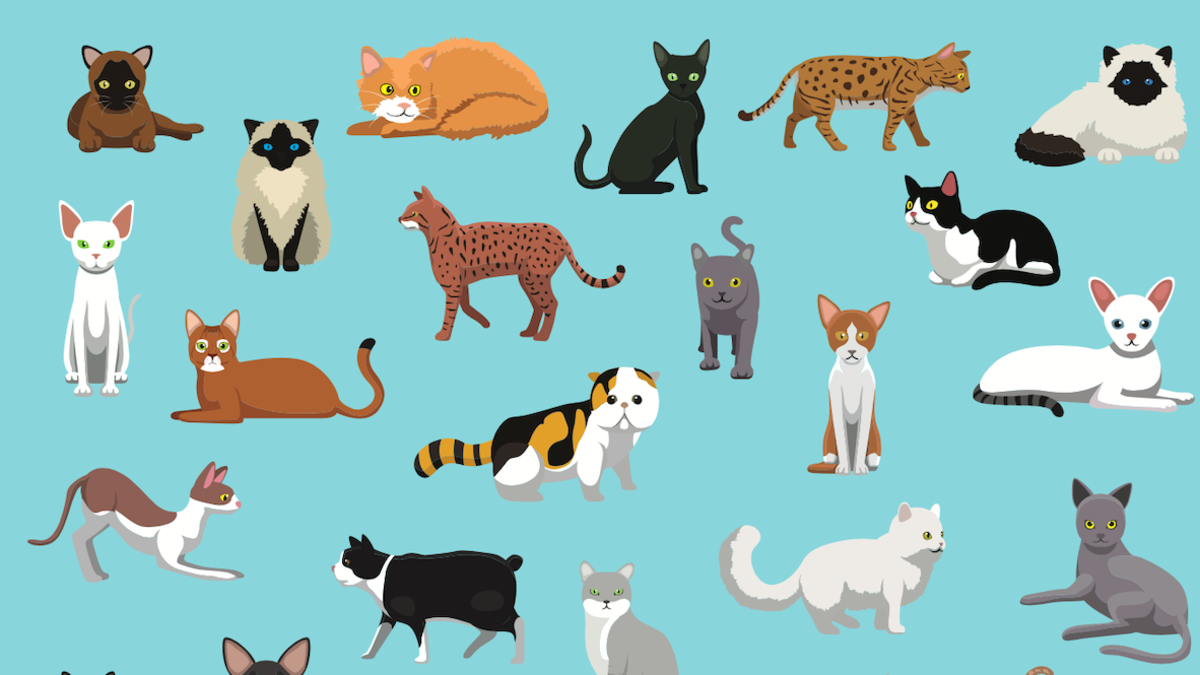
Some cat breeds have gained popularity due to their unique looks and friendly personalities. Breeds like the Maine Coon, known for its large size and gentle nature, and the Siamese, with its striking blue eyes and vocal behavior, remain favorites among cat lovers.
Newer breeds like the Scottish Fold and Sphynx have also captured attention. Their distinctive features spark curiosity and attract people who want a cat with a bit of flair.
Are you drawn to a specific breed because of its appearance, or do you prioritize temperament? Understanding what makes each breed special can help you find a cat that fits your lifestyle perfectly.
Ethical Breeding Practices
Ethical breeding has become a major focus in the cat breeding community. Responsible breeders prioritize the health and wellbeing of their cats above all else. This means regular health screenings, genetic testing, and avoiding breeding cats with hereditary issues.
Good breeders also emphasize socialization, ensuring kittens grow up in loving environments where they learn to trust humans. This early care shapes a cat’s behavior for life.
When looking for a breeder, ask about their practices. Are they transparent about health tests? Do they provide proper care for their cats? Your questions can help you support breeders who put animal welfare first.
Frequently Asked Questions
When Did Cat Breeding First Begin?
Cat breeding started around 4,000 years ago in ancient Egypt. Egyptians domesticated wild cats for pest control and companionship. Over time, selective breeding created diverse cat breeds with unique traits. This early breeding laid the foundation for modern cat breeds we see today.
Why Was Cat Breeding Important Historically?
Historically, cat breeding helped control pests like mice and rats. Cats also symbolized protection and good luck in many cultures. Selective breeding enhanced desirable traits such as temperament and coat patterns. This practice made cats valuable companions and revered animals in society.
How Did Ancient Egyptians Influence Cat Breeding?
Ancient Egyptians were pioneers in cat domestication and breeding. They bred cats for specific traits like hunting skills and appearance. Egyptians considered cats sacred, often depicting them in art and mythology. Their efforts shaped early cat breeds and popularized cats globally.
What Are The Earliest Known Cat Breeds?
Some of the earliest known cat breeds include the Egyptian Mau and Siamese. These breeds originated from selective breeding in ancient civilizations. They exhibit distinct physical traits and personalities shaped by early breeding practices. These breeds remain popular and recognizable today.
Conclusion
Cat breeding started thousands of years ago with wild cats. People liked cats for hunting and companionship. Over time, they chose cats with special traits. This shaped the many breeds we know today. Breeding helped keep cat traits strong and clear.
It also made cats more friendly and suited to homes. Understanding this history shows how cats became part of our lives. The story of cat breeding is long and interesting. It connects humans and cats in many ways.

Leave a Reply