Have you noticed your older cat’s coat looking dull or unkempt? When an older cat stops grooming, it’s more than just a change in habits—it could be a sign that something is wrong.
You might feel worried or unsure about what this means for your furry friend. Understanding why your cat has stopped grooming can help you take the right steps to keep them healthy and comfortable. Keep reading to discover what to watch for and how you can help your cat feel their best again.
Signs Of Grooming Decline
Older cats may stop grooming themselves as they age. This decline can signal health or mobility problems. Knowing the signs helps you act early and support your cat’s well-being. Watch closely for changes in your cat’s grooming habits.
Changes In Coat Appearance
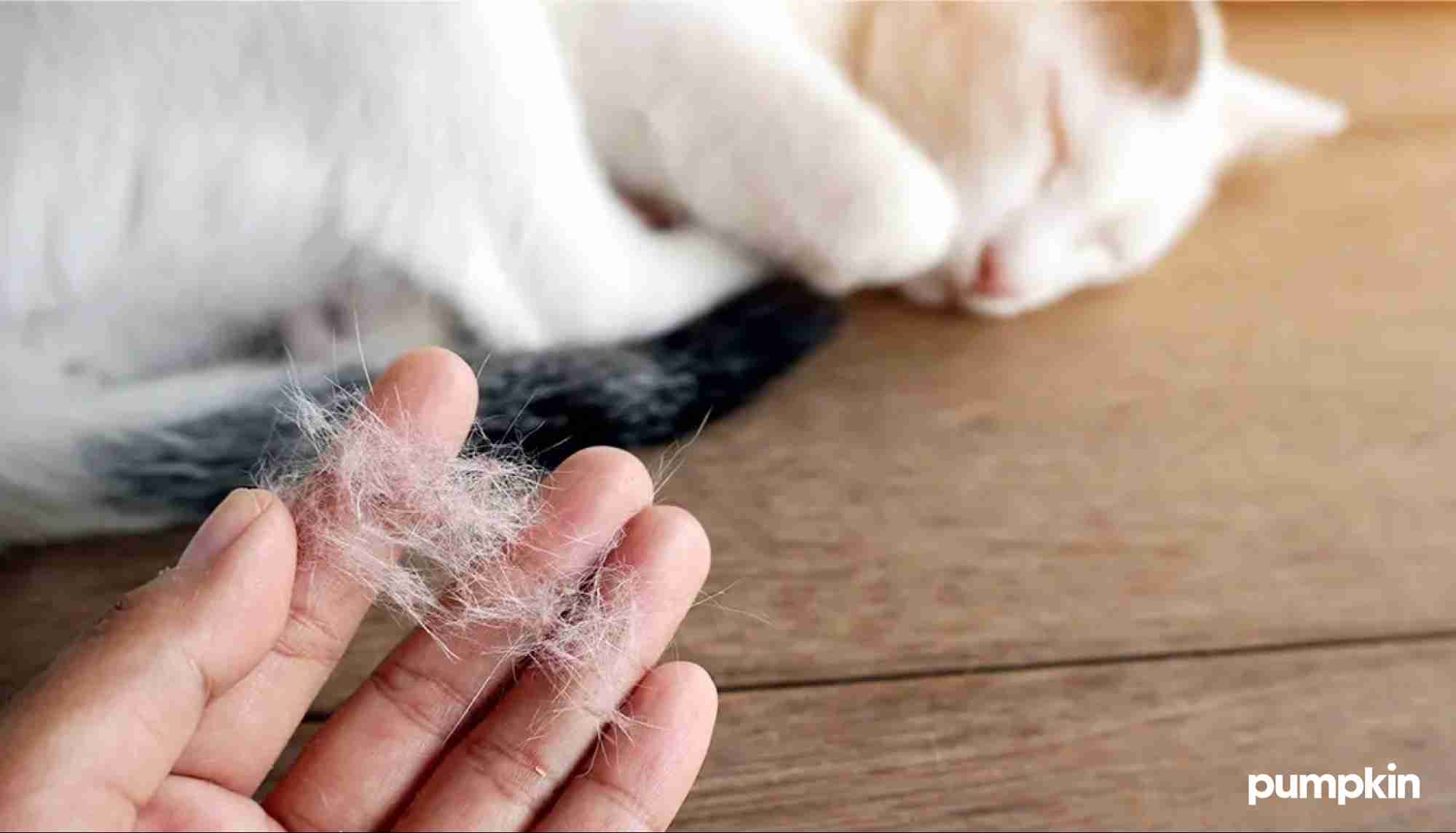
The coat may look dull or greasy instead of shiny. Fur might become patchy or thin in some areas. Dry skin or flakes can appear more often. These changes suggest your cat is not grooming well.
Increase In Odor
A strong or unusual smell can develop around your cat’s body. Lack of grooming causes dirt and oils to build up. This odor is a clear sign your cat needs help with hygiene.
Presence Of Mats And Tangles
Mats and tangles form when fur is not brushed or cleaned. These knots pull on the skin and cause discomfort. They can lead to skin infections if left untreated. Check your cat’s coat regularly for these signs.
Behavioral Changes
Your cat may hide more or seem less active. It might avoid being touched or brushed. Grooming decline can relate to pain or illness. Noticing these behaviors is important for timely care.

Credit: www.latimes.com
Common Causes
Noticing your older cat stopping grooming can be worrying. Understanding the common causes helps you spot issues early and support your feline friend better. Let’s look at some key reasons your cat might neglect their usual self-care.
Dental Problems
Painful teeth or gum disease can make grooming uncomfortable for your cat. If your cat suddenly stops grooming, check for bad breath, drooling, or difficulty eating. These signs often point to dental issues that need a vet’s attention.
Arthritis And Mobility Issues
Older cats often develop arthritis, making it painful to reach certain areas while grooming. You might notice stiffness or slower movement before the grooming stops. Have you observed your cat hesitating to jump or stretch? This can be a clue that arthritis is affecting their grooming routine.
Skin Conditions
Skin infections, allergies, or parasites can cause irritation that discourages grooming. Your cat may avoid touching sore or itchy spots. Look for redness, hair loss, or scabs, which may indicate a skin problem interfering with grooming.
Cognitive Decline
Older cats can experience confusion or memory loss, similar to dementia in humans. This may lead them to forget grooming habits or lose interest in their hygiene. If your cat seems disoriented or less responsive, cognitive decline could be a factor.
Pain And Discomfort
Any general pain, such as from injury or internal illness, can reduce your cat’s grooming activity. Cats hide pain well, so changes in grooming are often the first visible sign. Observing your cat’s behavior closely can reveal discomfort you might otherwise miss.
Health Risks Of Poor Grooming
Older cats that stop grooming may face skin infections and mats in their fur. Poor grooming can cause discomfort and health problems. Regular checks help catch issues early.
Poor grooming in older cats is not just a cosmetic issue; it can lead to significant health risks. When a cat stops grooming, its fur becomes a breeding ground for bacteria and dirt, which can cause various health complications. Understanding these risks will help you take proactive measures to ensure your feline friend stays healthy and comfortable.Skin Infections
When grooming stops, the natural oils in a cat’s skin don’t get evenly distributed. This can lead to dry patches, which become susceptible to bacterial infections. Infections might start as small irritations but can quickly escalate, causing pain and distress for your cat. Have you noticed any unusual behavior or discomfort in your pet? It’s essential to keep an eye out for red or inflamed skin, as these could be early signs of infection. Addressing these issues promptly with a vet can prevent more serious health concerns.Matting Complications
Fur matting is more than just an unsightly tangle; it can be painful and dangerous for your cat. Mats pull on the skin, causing discomfort and restricting movement. In severe cases, they can lead to skin infections or even cut off circulation. Imagine having a constant itch you can’t scratch—it’s frustrating and can impact your cat’s quality of life. Regular brushing can prevent mats from forming and help maintain your cat’s comfort.Dehydration And Dirt Build-up
Cats rely on grooming to remove dirt and distribute oils. Without this, dirt accumulates, and the skin can become dry and flaky. This build-up can lead to dehydration of the skin, resulting in discomfort and irritation. Have you ever noticed your cat’s fur looking dull or feeling greasy? These are signs that dirt and oils are not being adequately managed. Ensuring your cat has access to fresh water and maintaining a clean environment will support their skin health. Understanding these health risks can guide you in providing better care for your aging pet. Addressing grooming issues promptly can make a significant difference in their overall well-being. Remember, a healthy cat is a happy cat, and sometimes, they just need a little extra help from you.
Credit: www.purina.com
At-home Care Tips
Older cats may stop grooming due to health issues or reduced mobility. At-home care helps keep them clean and comfortable. Gentle grooming supports their well-being and prevents skin problems. Establish a simple, calm routine that your senior cat can enjoy.
Regular Brushing Techniques
Use a soft brush designed for cats. Brush gently to avoid hurting sensitive skin. Focus on areas where mats often form, like behind the ears and under the legs. Brush in the direction of hair growth. Short sessions work best to keep your cat calm.
Bathing Your Senior Cat
Bathing may be needed if your cat is very dirty. Use warm water and a mild cat shampoo. Avoid water in the ears and eyes. Keep the bath quick and soothing. Dry your cat with a soft towel in a warm room after bathing.
Nail Trimming And Cleaning
Check nails weekly for length and dirt. Use a proper cat nail clipper to trim carefully. Avoid cutting too close to the pink part, the quick. Clean around the paws with a damp cloth to remove debris. Handle paws gently to avoid stress.
Creating A Comfortable Grooming Routine
Choose a quiet, warm place for grooming. Offer gentle praise and soft strokes during sessions. Keep grooming tools nearby for easy access. Watch your cat’s body language and stop if stressed. Short, regular sessions help build trust and comfort.
When To Seek Veterinary Help
Older cats may stop grooming for many reasons. Some causes need quick veterinary care. Knowing when to seek help keeps your cat healthy and comfortable. Watch for signs that suggest a serious problem. Early action can prevent worsening conditions.
Identifying Serious Symptoms
- Bad smell or discharge from skin
- Visible wounds or swelling
- Hair loss or bald patches
- Excessive scratching or biting
- Sudden changes in appetite or behavior
- Weight loss or weakness
- Difficulty moving or limping
These symptoms indicate pain or illness. They require prompt veterinary evaluation.
Diagnostic Tests
The vet will perform a physical exam first. Blood tests check organ function and infections. Skin scrapings or biopsies identify parasites or skin diseases. X-rays or ultrasounds reveal internal problems. These tests pinpoint the cause of grooming loss.
Treatment Options
Treatments depend on the diagnosis. Antibiotics fight infections. Anti-parasitic medication removes fleas or mites. Pain relief improves comfort. Special shampoos soothe skin. Dietary changes support overall health. Surgery may be needed for tumors or injuries. Follow the vet’s advice carefully for best results.
Adjusting Your Cat’s Environment
When an older cat stops grooming, adjusting their environment can make a big difference in their comfort and well-being. Small changes can help your cat maintain cleanliness and feel more at ease despite the challenges aging brings. Think about what your cat needs and how you can make daily life easier for them.
Making Grooming Easier
Older cats may struggle to reach all parts of their body. You can help by providing gentle grooming tools like soft brushes or grooming gloves. Try brushing your cat daily to remove loose fur and dirt, which reduces matting and skin problems.
Place grooming supplies in an easy-to-access spot. You might also consider short grooming sessions to avoid stressing your cat. Have you noticed your cat enjoying being brushed more in a quiet, calm room?
Improving Mobility
Limited mobility often causes grooming issues. Add ramps or low steps to help your cat reach favorite spots like beds or windowsills. Soft, non-slip mats can prevent slipping and make moving around safer.
Keep litter boxes and food dishes in accessible areas without stairs or obstacles. Would your cat benefit from a cozy, low-entry bed where they can rest comfortably?
Diet And Hydration Support
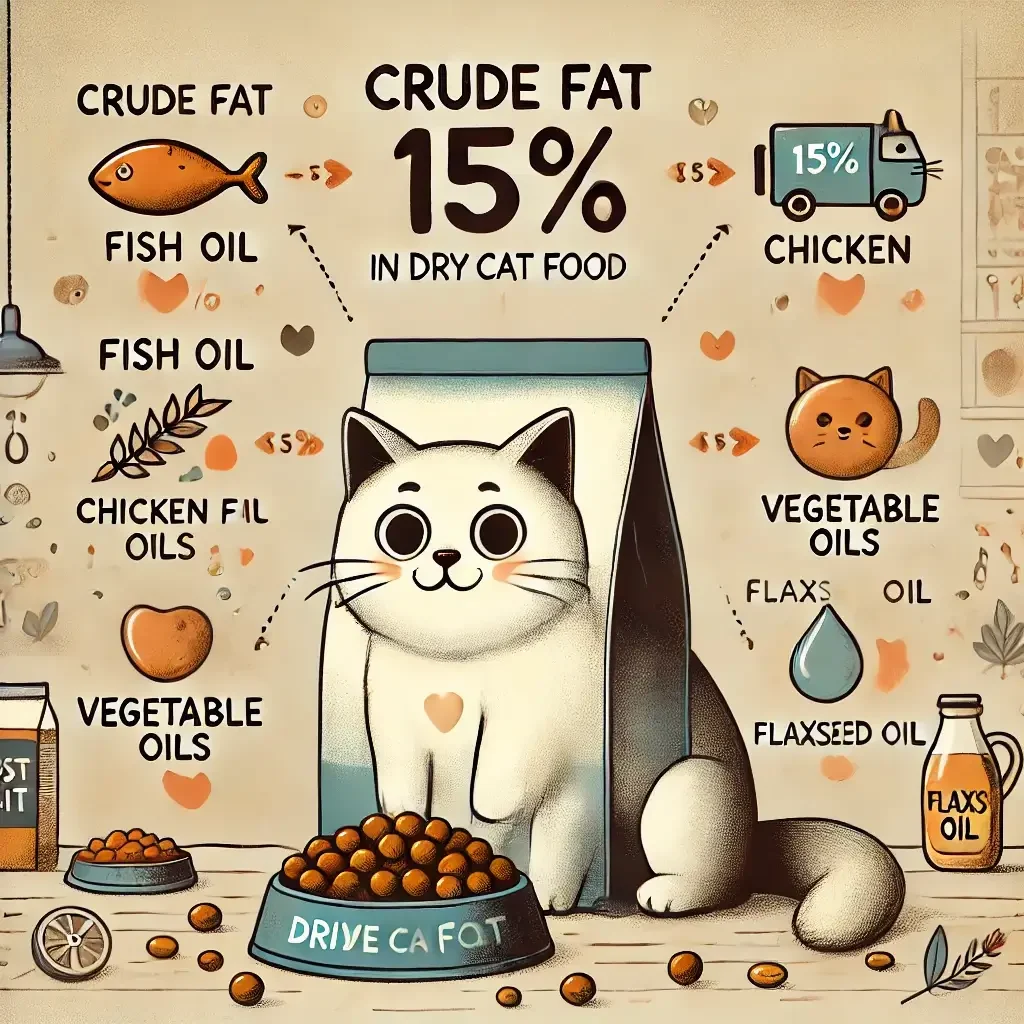
Proper nutrition and hydration support your cat’s skin and coat health. Offer high-quality food rich in omega fatty acids to promote a healthy coat. Wet food or water fountains encourage hydration, which helps prevent dry skin.
Monitor your cat’s eating and drinking habits closely. If your cat seems less interested in food or water, could adding tasty toppers or warming meals encourage better intake?
Credit: www.pumpkin.care
Frequently Asked Questions
Why Does An Older Cat Stop Grooming?
Older cats may stop grooming due to arthritis, dental problems, or reduced mobility. These health issues make self-cleaning difficult and uncomfortable. Regular vet checkups help identify underlying problems, ensuring proper treatment and care to improve their grooming habits and overall well-being.
How Can I Help My Older Cat Groom Better?
Assist your cat by gently brushing their fur daily. Use soft brushes suited for sensitive skin. Keep their nails trimmed to prevent scratching during grooming. Maintain a clean, comfortable environment, and consult your vet for health issues affecting grooming ability.
What Health Problems Cause Grooming Loss In Senior Cats?
Common health issues include arthritis, dental disease, obesity, and kidney problems. These conditions cause pain or fatigue, leading to less grooming. Early diagnosis and treatment by a vet can improve your cat’s comfort and restore grooming behaviors.
When Should I See A Vet For Grooming Changes?
If your older cat suddenly stops grooming or shows patchy fur, visit a vet promptly. These signs may indicate illness or pain. Timely veterinary care ensures proper diagnosis and treatment to maintain your cat’s health and hygiene.
Conclusion
Older cats may stop grooming due to health or age issues. Watch for changes in their fur and skin. Regular vet visits help catch problems early. Help your cat by gently brushing their coat. Keep an eye on their eating and drinking habits.
Small changes can mean big health concerns. Caring for your older cat needs patience and love. Notice these signs to keep your cat comfortable. Good grooming supports their overall health and happiness. Stay attentive and give your pet the care they need.

Leave a Reply