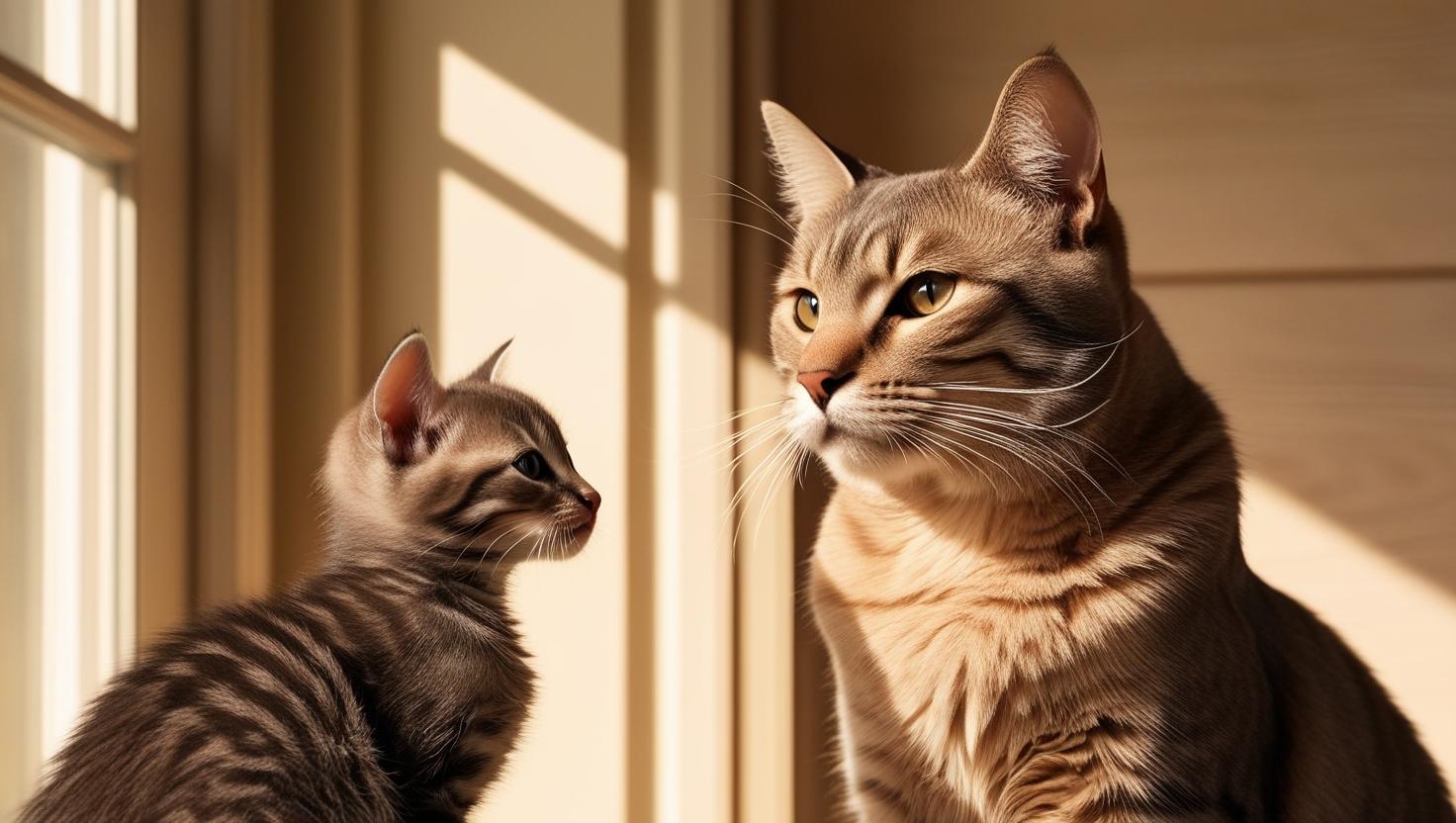
Have you ever wondered what a male breeding cat is called? If you’re curious about cat terminology or thinking about breeding cats, knowing the right words can make a big difference.
Understanding this simple but important term will help you communicate clearly and confidently, whether you’re talking to a vet, a breeder, or a fellow cat lover. Keep reading, and you’ll discover exactly what to call a male cat used for breeding—and why it matters to you and your feline friends.

Credit: en.wikipedia.org
Male Cat Breeding Terms
Understanding male cat breeding terms is essential if you’re involved in cat breeding or simply curious about feline terminology. These terms help distinguish male cats used for breeding from others, making communication clearer. Knowing these words can also guide you when discussing breeding plans or reading about cat pedigrees.
Common Names For Male Breeders
Male cats used for breeding are often called by specific names depending on their role and status. The most common term is “Stud”. This refers to a male cat that is actively used for mating to produce kittens.
Another term you might hear is “Sire”. This word is used when referring to the father of a particular litter of kittens. For example, if you want to know the male parent of a kitten, you ask about its sire.
Occasionally, male cats that are fertile but not actively used in breeding programs may simply be called “breeding males”. These terms make it easier to talk about male cats in breeding without confusion.
Differences Between Male And Female Terms
Male and female cat breeding terms are quite different and serve distinct purposes. While the male is called a stud or sire, the female is usually called a “queen”when she is used for breeding.
The term “dam”is the female equivalent of sire and refers to the mother of a litter. This distinction is important because it helps track lineage clearly.
Do you ever wonder why we have separate terms for male and female breeders? It’s because breeding involves different roles, and clear terms help breeders keep accurate records and communicate effectively.
Roles Of A Male Breeding Cat
The roles of a male breeding cat go beyond just fathering kittens. These cats play a crucial part in ensuring the health and vitality of future generations. Understanding these roles can help you appreciate what makes a male breeding cat valuable in any breeding program or natural setting.
Reproductive Responsibilities
A male breeding cat’s primary role is to mate with females during their fertile periods. This involves detecting when a female is in heat and being ready to breed at the right moment. Successful mating depends on the male’s ability to cover multiple females, increasing genetic diversity.
Besides just mating, the male’s health and genetic traits directly influence the quality of the offspring. You might notice some males are chosen because they pass on desirable characteristics like coat color or temperament. Have you ever wondered how breeders select the perfect male for these traits?
Behavioral Traits In Breeding Males
Breeding males often display certain behaviors that set them apart. They tend to be more territorial and may mark their space with scent to ward off rivals. This behavior helps maintain dominance and access to females during the breeding season.
These cats can also show increased aggression or restlessness when females are in heat. Observing these signs can help you understand when a male is ready to breed. Have you seen a male cat pacing or vocalizing more loudly during this time?
Lastly, breeding males can be protective of their mates and offspring. This instinct ensures their genes have the best chance to survive. Recognizing these behaviors can improve how you manage and care for your breeding cats.
Selecting A Male Breeding Cat
A male breeding cat is called a stud. Choosing the right stud ensures healthy kittens and good traits. Stud cats should be strong, healthy, and have a good temperament.
Selecting the right male breeding cat is crucial for successful breeding. A male breeding cat, often called a stud, should possess specific qualities. These qualities ensure healthy and desirable offspring. Below, we explore key factors to consider.Health Considerations
A healthy stud is vital for a strong litter. Regular veterinary check-ups are essential. Ensure vaccinations are up to date. Screen for common feline diseases. Testing for genetic disorders is also important. A healthy diet supports overall wellbeing. Good nutrition enhances fertility and vigor.Genetic Factors
Genetic traits influence the quality of the offspring. Study the stud’s pedigree. Look for desirable characteristics in the lineage. Avoid cats with known genetic issues. Diverse genetics can prevent inbreeding problems. Evaluate coat color, pattern, and physical features. These attributes often pass to the kittens.Temperament And Compatibility
A good temperament is essential in a breeding cat. The stud should be calm and gentle. Aggressive cats may cause stress to the female. Observe interactions with other cats. Compatibility with the female cat is crucial. A harmonious pairing leads to a smoother breeding process.
Credit: en.wikipedia.org
Training And Care For Breeding Males
Taking care of a male breeding cat involves more than just providing food and shelter. Proper training and care can enhance his breeding potential and overall well-being. Paying close attention to his diet, exercise, and health ensures he stays strong and ready for the demands of breeding.
Diet And Nutrition
Your breeding male needs a balanced diet rich in proteins and essential nutrients. High-quality cat food with added taurine supports muscle strength and reproductive health. Avoid fillers like corn or wheat that offer little nutritional value.
Supplement his meals with omega-3 fatty acids to improve coat condition and reduce inflammation. You might notice increased stamina and vitality after adjusting his diet. Have you checked if your cat’s food labels list real meat as the first ingredient?
Exercise And Environment
Regular exercise keeps your breeding male fit and mentally stimulated. Provide climbing trees, interactive toys, and open spaces for him to roam freely. These activities prevent boredom and reduce stress, which can impact breeding success.
Keep his environment clean and quiet to minimize distractions during mating periods. A calm atmosphere helps maintain his focus and reduces anxiety. Do you observe changes in his behavior when the environment gets noisy or cluttered?
Regular Health Checks
Frequent veterinary visits are essential to monitor your cat’s reproductive health. Routine screenings for common infections and parasites protect him and future litters. Vaccinations must be up to date to prevent diseases that can affect fertility.
Keep track of any unusual symptoms like lethargy or loss of appetite. Early detection of health issues makes treatment easier and improves recovery chances. When was the last time your breeding male had a thorough health check?
Common Breeds Used For Breeding
Male cats chosen for breeding often belong to specific breeds known for strong genetics and desirable traits. Breeders select males that can pass on good health, temperament, and appearance to kittens. These male breeding cats play a key role in maintaining or improving breed standards.
Several cat breeds are popular choices for male breeding cats due to their unique qualities. Each breed brings distinct features and characteristics that make them valuable in breeding programs.
Popular Male Breeders By Breed
- Siberian:Known for their thick fur and friendly nature.
- Maine Coon:Large size and playful personality.
- Persian:Distinctive flat face and calm temperament.
- Bengal:Exotic spotted coat and energetic behavior.
- Ragdoll:Gentle, affectionate, and striking blue eyes.
- Sphynx:Hairless and sociable, unique appearance.
Breed-specific Traits
| Breed | Key Traits | Breeding Focus |
|---|---|---|
| Siberian | Thick, water-resistant coat, strong build | Health, coat quality, temperament |
| Maine Coon | Large size, tufted ears, bushy tail | Size, strength, friendliness |
| Persian | Flat face, long coat, calm nature | Appearance, coat texture, temperament |
| Bengal | Spotted coat, muscular body, high energy | Pattern clarity, activity level |
| Ragdoll | Blue eyes, docile, large size | Temperament, eye color, size |
| Sphynx | Hairless, wrinkled skin, social | Skin condition, sociability |
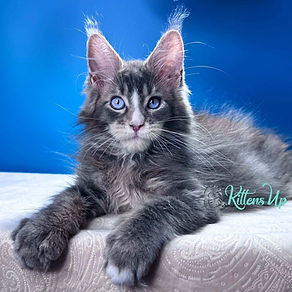
Credit: www.kittensup4sale.com
Ethical Breeding Practices
Ethical breeding practices protect the health and well-being of male breeding cats and their offspring. Responsible breeders follow strict guidelines to ensure good genetics and proper care. These practices help maintain strong, healthy cat populations and prevent health problems.
Breeder Responsibilities
Breeders must provide clean, safe living spaces for cats. They should monitor the health of breeding males regularly. Proper nutrition and veterinary care are essential. Breeders must also educate buyers about responsible cat ownership.
Avoiding Inbreeding
Inbreeding can cause serious health issues in cats. Ethical breeders carefully select mates to maintain genetic diversity. They keep detailed records to avoid mating close relatives. This practice helps produce strong and healthy kittens.
Ensuring Animal Welfare
Animal welfare is a top priority in breeding. Breeders should avoid overbreeding males to prevent stress and illness. Cats need enough rest and playtime. Social interaction and mental stimulation improve their quality of life.
Challenges In Male Cat Breeding
Breeding a male cat involves more than just pairing him with a female. You face unique challenges that can affect both the cat’s well-being and the success of breeding efforts. Understanding these difficulties helps you make informed decisions and care for your male cat responsibly.
Health Risks
Male cats used for breeding are at risk of several health issues. Reproductive diseases, such as infections or tumors, can develop if you don’t monitor their health regularly.
Regular veterinary checkups are crucial. Vaccinations and parasite control also protect your cat and prevent passing illnesses to kittens.
Behavioral Issues
Male breeding cats often display strong territorial and aggressive behaviors. They may become restless or anxious if not given enough space or mental stimulation.
You might notice increased spraying or fighting with other cats, which can cause injuries or stress. Training and socialization are key to managing these behaviors effectively.
Breeding Limitations
Not every male cat is suitable for breeding. Some have genetic defects or physical traits that should not be passed on.
Also, a male cat’s fertility declines with age, and frequent breeding can exhaust him. Knowing when to rest your cat and selecting quality mates improves the chances of healthy offspring.
Frequently Asked Questions
What Is A Male Breeding Cat Called?
A male breeding cat is called a “stud. ” Stud cats are used specifically for mating to produce kittens. They are usually healthy and have desirable traits for breeding.
How Does A Stud Cat Differ From A Regular Male Cat?
A stud cat is chosen for breeding due to good genetics. Regular males may not be used for breeding. Studs are often neutered after their breeding career ends.
At What Age Can A Male Cat Become A Stud?
Male cats can become studs around 8 to 12 months old. This is when they reach sexual maturity. Early breeding should be managed carefully to ensure health.
How To Care For A Male Breeding Cat?
Provide a stud cat with balanced nutrition and regular vet care. Keep him healthy to maintain breeding quality. Avoid stress and provide a clean environment.
Conclusion
A male breeding cat is called a tom. Toms play an important role in cat breeding. They help create healthy kittens. Knowing this term helps you understand cat care better. Breeders and cat lovers often use “tom” daily. This simple word connects to cat behavior and breeding.
Remember, each tom has its own personality. Understanding toms can make caring for cats easier. Keep learning about cats to enjoy their company more.


Leave a Reply