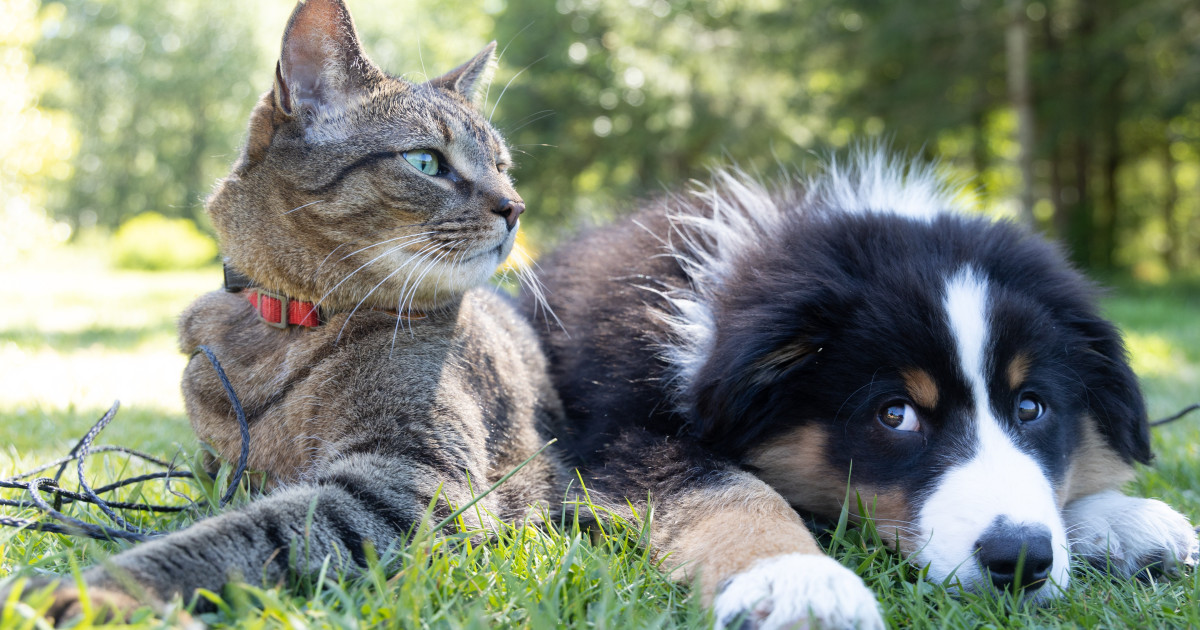
Are you thinking about adding a furry friend to your home but worried about how your dog and cat will get along? Finding a dog breed that gets along well with cats can make all the difference in creating a peaceful and happy household.
You want a pet that fits smoothly into your family, not one that causes stress or tension. You’ll discover which dog breeds are known for their friendly nature toward cats—and why they might be the perfect match for your home.
Keep reading to find the ideal companion that will make both your dog and cat feel loved and comfortable.
Traits Of Cat-friendly Dogs
Choosing a dog that gets along well with cats depends on certain traits. Cat-friendly dogs usually have gentle and calm personalities. They respect a cat’s space and show patience around them. These dogs tend to be less aggressive and more tolerant. Understanding these traits helps create a peaceful home for both pets.
Temperament To Look For
Look for dogs that are calm and gentle. Friendly and patient dogs adapt better to living with cats. Dogs that are less territorial cause fewer conflicts. A tolerant nature helps dogs accept a cat’s behavior. Avoid dogs with high prey drive, as they may chase cats.
Energy Levels And Compatibility
Match the dog’s energy level with the cat’s personality. Calm cats do well with dogs that have moderate energy. High-energy dogs may stress shy or older cats. Playful dogs fit better with active and social cats. Balance energy helps both pets feel comfortable.
Socialization And Training Impact
Early socialization is key for dog and cat harmony. Dogs exposed to cats as puppies learn to behave calmly. Consistent training reinforces good manners around cats. Positive reinforcement encourages gentle interactions. Well-trained dogs are less likely to cause stress to cats.
Top Dog Breeds That Get Along With Cats
Choosing a dog that gets along with cats makes home life peaceful. Some breeds have gentle temperaments and low prey drives. These dogs tend to accept feline friends easily. Their calm nature helps build trust with cats. Knowing which breeds fit well with cats simplifies pet introductions.
Golden Retriever
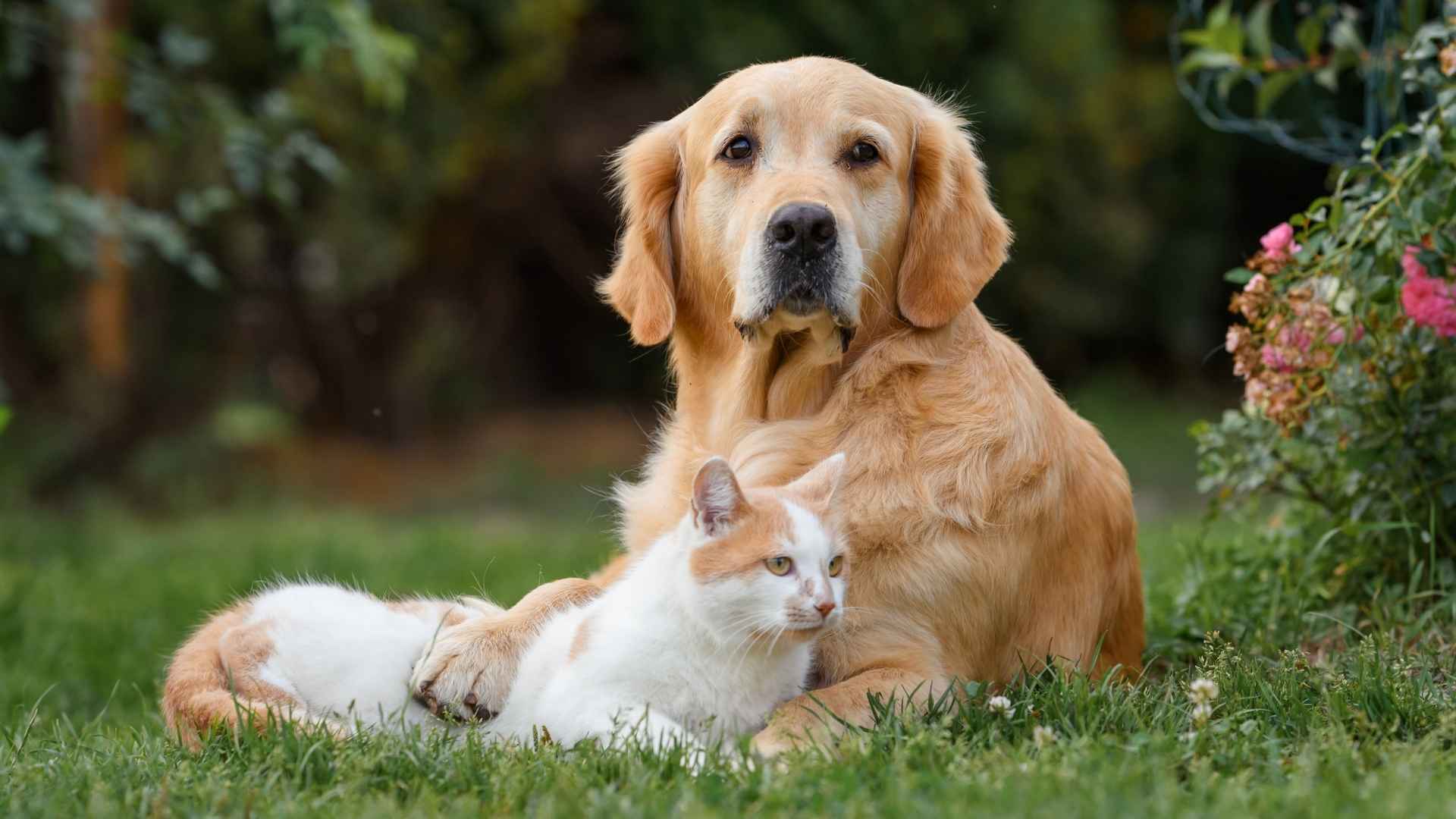
Golden Retrievers are friendly and patient dogs. They rarely show aggression toward cats or other animals. Their easygoing nature helps cats feel safe. These dogs enjoy companionship and adapt well to multi-pet homes. Golden Retrievers often become protective friends to cats.
Beagle
Beagles are curious and playful but not aggressive. Their small size and social personality suit homes with cats. Beagles love to explore but usually respect a cat’s space. Training helps Beagles learn gentle behavior around feline companions. They make lively yet tolerant housemates for cats.
Cavalier King Charles Spaniel
Cavaliers are sweet, affectionate dogs. They enjoy quiet time and gentle play with cats. Their calm and loving nature reduces stress in multi-pet homes. Cavaliers rarely chase or bother cats. They form strong bonds and enjoy peaceful cohabitation with feline friends.
Basset Hound
Basset Hounds have a laid-back and patient personality. Their slow movements and soft voice do not alarm cats. Basset Hounds get along well with pets that move quietly. They prefer calm environments and rarely show aggression. Cats and Basset Hounds often share a relaxed home life.
Maine Coon
The Maine Coon is a large, friendly cat breed known for dog-like behavior. Maine Coons enjoy playing with dogs and tolerate their presence. Their social and gentle nature makes them excellent companions for dogs. This breed adapts easily to homes with friendly dogs. Maine Coons and dogs often form strong friendships.
Small Dog Breeds That Bond Well With Cats
Choosing a small dog breed that gets along well with cats can make your home peaceful and joyful. These dogs usually have gentle temperaments and enjoy company, making them ideal companions for your feline friends. Understanding their personalities helps you create a balanced environment where both pets feel safe and loved.
Pug
Pugs are known for their friendly and easygoing nature. They rarely show aggression, which helps them get along well with cats. If you want a playful buddy for your cat, a pug can be a great choice because they love to be part of the family activities.
One pug owner shared that their dog and cat often nap side by side, showing how well these two species can bond. Could your home be the perfect place for a pug and cat friendship?
Bichon Frise
The Bichon Frise is cheerful and affectionate, making it a natural fit with cats. These dogs are small, which means they won’t intimidate your cat and can blend into the household easily. Their social skills help them adjust quickly to new pets, including curious cats.
Think about how a bichon’s gentle temperament might reduce tension during those first meetings with your cat. Would your cat enjoy such a warm and welcoming companion?
Shih Tzu
Shih Tzus are calm and patient, traits that help them coexist peacefully with cats. Their low energy levels mean they won’t overwhelm your feline friend with constant activity. They also enjoy cuddling, which can encourage affectionate moments between your pets.
Many owners note how their Shih Tzus and cats form close bonds, often sharing cozy spots around the house. Could a Shih Tzu be the perfect calm presence to complement your cat’s personality?
Large Dog Breeds Friendly To Cats
Finding a large dog breed that gets along well with cats can sometimes be a challenge. But fear not, as there are some gentle giants that are known for their friendly nature towards felines. These breeds not only coexist peacefully with cats but often become great companions to them.
Labrador Retriever
Labrador Retrievers are one of the most popular dog breeds, and for a good reason. Their friendly demeanor and playful nature make them excellent companions for cats. Labs are known for their patience and adaptability, which helps them adjust to living with cats seamlessly.
One Labrador owner shared how their Lab would often cuddle with their cat on the couch, creating a heartwarming scene. Labs also have a keen sense of family, often including the family cat in their social circle. Have you considered how a Lab could bring warmth and harmony to your pet family?
Collie
Collies are another large breed that gets along famously with cats. Known for their intelligence and gentle temperament, Collies are naturally inclined to befriend felines. Their herding instincts are often gentle and non-aggressive, making them perfect for a multi-pet household.
A friend once mentioned how their Collie would gently nudge their cat towards its food bowl during meal times, showing a unique form of camaraderie. Collies are also protective, ensuring the safety of their feline friends. Could a Collie be the perfect addition to your pet-friendly home?
Newfoundland
Newfoundlands, often called “gentle giants,” are known for their calm and sweet nature. These dogs are naturally good-natured and tend to get along well with cats. Their patient and nurturing demeanor makes them excellent companions for a feline friend.
One Newfoundland owner recounted how their dog would allow the family cat to nap on its back, creating a cozy and adorable sight. Newfoundlands tend to be very tolerant, often accepting cats as part of the family without any fuss. Imagine the serene environment your home could have with a Newfoundland and a cat living together!
Choosing the right dog breed that will live harmoniously with your cat can significantly enhance the dynamics of your household. These large breeds not only offer companionship but also enrich your home with their unique personalities and loving nature.
Introducing Dogs To Cats Successfully
Introducing dogs to cats can feel like navigating a delicate dance. It requires patience, keen observation, and thoughtful planning. How you manage their first moments together sets the tone for a peaceful relationship.
First Meeting Tips
Choose a neutral space where neither pet feels territorial. Keep the dog on a leash to control sudden movements and allow the cat freedom to move away if needed.
Keep the first meeting short and sweet—just a few minutes. Watch their body language carefully; relaxed postures and curious sniffing are good signs, while stiff bodies or raised fur signal stress.
Have treats ready for both pets to reward calm behavior. This helps them associate each other’s presence with positive experiences.
Managing Initial Interactions
Don’t rush their time together. Gradually increase the length of interactions as both animals become more comfortable.
Separate them if either shows signs of fear or aggression. Giving your pets space prevents negative memories from forming.
Use barriers like baby gates to allow visual contact without physical interaction. This builds familiarity safely.
Creating Positive Associations
Feed your dog and cat near each other but at a safe distance. Over time, bring their food bowls closer to link mealtime with companionship.
Play games that involve both pets to encourage shared fun. For example, tossing a toy near both can spark joint curiosity.
Give plenty of praise and affection when they behave calmly around each other. This reinforces good habits and builds trust.
Credit: worldanimalfoundation.org
Common Challenges And Solutions
Introducing a dog to a home with cats can bring joy but also some challenges. Understanding these common issues helps you create a peaceful environment where both pets feel safe and happy. Here are practical ways to handle typical problems you might face.
Dealing With Prey Drive
Some dogs have a strong prey drive that makes them chase small animals like cats. This natural instinct can cause stress for your feline friend and disrupt harmony at home.
To manage this, start with controlled introductions in a calm setting. Use leashes and barriers to prevent sudden chases, rewarding your dog for calm behavior around cats.
Regular exercise can also reduce excess energy that fuels the prey drive. Ask yourself: does your dog get enough physical and mental activity daily?
Handling Jealousy And Territorial Behavior
Dogs can feel jealous or territorial when a new cat enters their space. This may lead to growling, barking, or blocking your cat’s access to favorite spots.
Create separate safe zones for both pets where they can retreat and relax. Feeding them in different areas helps reduce competition.
Giving equal attention and affection to your dog and cat prevents jealousy. Have you noticed your dog’s behavior change after your cat arrived? Observing closely helps catch problems early.
When To Seek Professional Help
If tensions escalate or behaviors like aggression persist, it’s time to get expert advice. A professional trainer or animal behaviorist can provide tailored strategies for your unique situation.
Don’t wait until problems worsen; early intervention can save a lot of stress. Remember, your goal is a safe, respectful relationship between your dog and cat.
Maintaining Harmony Between Dogs And Cats
Keeping peace between dogs and cats takes care and patience. Both animals have different ways of showing affection and boundaries. Creating a calm and safe environment helps them live together happily. Small habits and routines can build trust and reduce stress for both pets.
Routine And Space Management
Set regular times for feeding, walking, and play. Pets feel safe with a clear daily schedule. Give each animal its own space to rest and relax. Use separate beds, toys, and feeding areas. This avoids competition and helps them feel secure. Gradually introduce shared spaces with calm supervision. Respect their need for alone time to prevent tension.
Feeding And Playtime Strategies
Feed dogs and cats in different spots to prevent guarding food. Use positive reinforcement to reward calm behavior during meals. Playtime should include activities for both pets separately and together. Choose toys that suit each animal’s style and energy. Interactive play helps build positive connections. Avoid rough play that could scare or hurt either pet.
Monitoring Behavior Over Time
Watch how dogs and cats react to each other daily. Look for signs of stress like hiding, growling, or excessive barking. Notice any changes in eating or sleeping habits. Address small issues before they become big problems. Offer praise and treats for peaceful interactions. Regular check-ins help maintain a balanced relationship between pets.

Credit: www.agriapet.co.uk

Credit: tryfurgo.com
Frequently Asked Questions
Which Dog Breeds Are Best With Cats?
Breeds like Golden Retrievers, Beagles, and Basset Hounds usually get along well with cats. These dogs have gentle, calm, and friendly temperaments that help them coexist peacefully with feline friends.
How To Introduce Dogs To Cats Safely?
Introduce dogs and cats gradually in a controlled environment. Use leashes, keep initial meetings brief, and reward calm behavior to build trust and reduce stress for both pets.
Do Small Dog Breeds Get Along With Cats?
Many small dog breeds, such as Cavalier King Charles Spaniels and Pugs, adapt well to living with cats. They tend to be less aggressive and more sociable, fostering positive interactions.
Can Rescue Dogs Live Peacefully With Cats?
Rescue dogs can live well with cats if introduced carefully. Assess the dog’s history and temperament, and provide slow, supervised introductions to ensure harmony.
Conclusion
Choosing a dog breed that gets along well with cats helps create a peaceful home. Some breeds have gentle and friendly natures that cats enjoy. Training and patience also play a big role in their friendship. Taking time to introduce pets slowly makes a big difference.
A happy pet family means less stress for everyone. Remember, love and care help build strong bonds between dogs and cats.


Leave a Reply