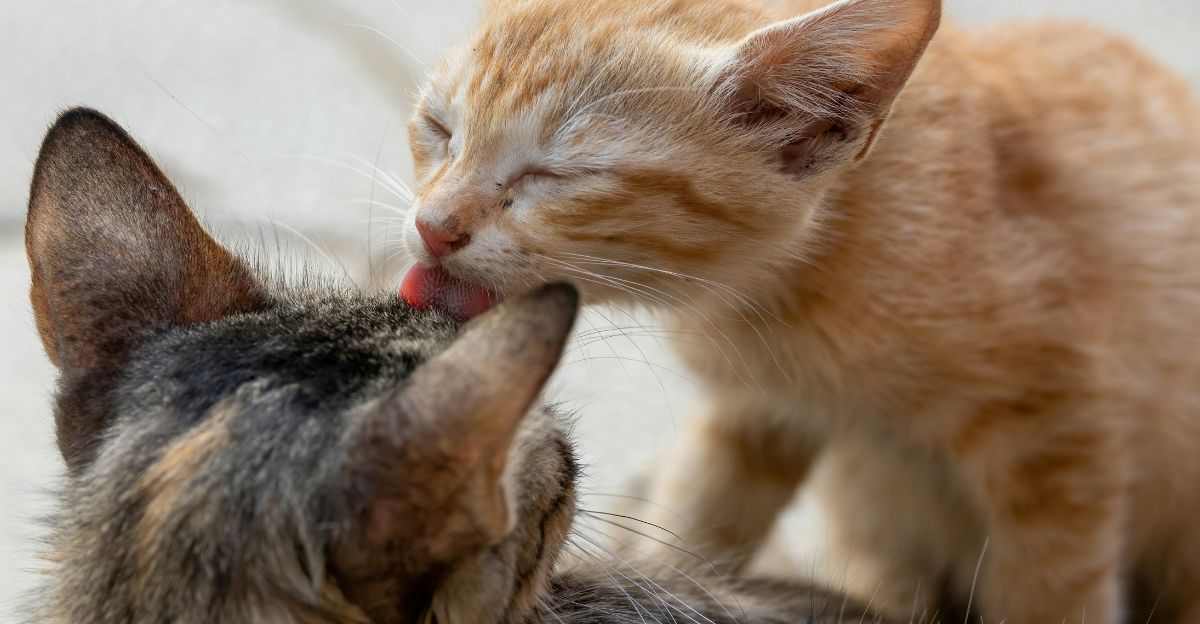
Have you ever watched your cat licking its fur and wondered, “What does it mean when a cat grooms?” It’s more than just a simple cleaning habit. Your cat’s grooming tells a story about its health, mood, and even its feelings toward you.
Understanding this behavior can help you connect better with your furry friend and spot signs you might otherwise miss. Keep reading to discover the surprising reasons behind your cat’s grooming and what it means for your relationship with them.
Cat Grooming Basics
Understanding the basics of cat grooming can help you recognize what your feline friend is trying to communicate through their behavior. Grooming is more than just keeping clean—it’s a vital part of your cat’s daily routine that impacts their health and mood. Paying attention to how and why your cat grooms can deepen your bond and alert you to any possible issues.
Why Cats Groom Themselves
Cats groom themselves primarily to stay clean. Their tongues are rough, which helps remove dirt and loose fur effectively. But grooming also serves other important purposes.
It helps regulate body temperature by spreading natural oils evenly across their coat. This keeps the fur waterproof and insulated. Have you noticed your cat licking more when stressed? Grooming can calm anxiety and reduce tension.
Additionally, grooming is a way for cats to mark their territory with scent glands located in their skin. This helps them feel secure in their environment. How often do you see your cat pause and lick after exploring new spaces?
Common Grooming Behaviors
You might see your cat licking their paws and then rubbing their face. This is a typical cleaning routine. They use their paws to reach spots that the tongue can’t easily access.
- Licking and nibbling fur to remove loose hair and dirt
- Scratching or biting to deal with irritations or parasites
- Rubbing their body against furniture or people to spread scent
- Over-grooming in one area, which may signal stress or skin issues
Have you ever noticed your cat licking excessively or focusing on one spot? This might be a sign of discomfort or allergies. Watching these behaviors closely can help you decide when to consult a vet.
Credit: pethelpful.com
Grooming And Cat Health
Grooming is more than just a way cats keep clean. It plays a key role in their health and well-being. Regular grooming helps cats remove dirt, loose fur, and parasites. It also boosts blood flow and spreads natural oils for a shiny coat. Watching how a cat grooms can reveal much about its health.
Signs Of A Healthy Cat
- Fur looks smooth and shiny, not dull or patchy.
- Cat grooms regularly without signs of stress.
- Skin feels clean and free of redness or bumps.
- Cat’s eyes are clear and bright.
- Behavior is calm and relaxed during grooming.
When Grooming Indicates Health Issues
Too much grooming can signal problems. Cats may over-groom due to allergies or skin irritations. Bald patches or sores can appear from excessive licking. Less grooming might mean pain, dental issues, or illness. Watch for sudden changes in grooming habits. These changes often warn of underlying health concerns.
Social Grooming Among Cats
Social grooming among cats is a fascinating behavior. Cats groom not only for cleanliness but also to communicate. It is a significant part of their social interaction.
Bonding Through Grooming
Cats groom each other to strengthen their bond. This act shows trust and affection. When one cat grooms another, it’s a sign of companionship. They often groom areas difficult for the other cat to reach. This mutual grooming fosters a sense of unity.
Hierarchy And Grooming
Grooming also reveals the social hierarchy among cats. Dominant cats may groom subordinate cats first. This action establishes and reinforces their leadership. Subordinate cats may return the favor, acknowledging the hierarchy. Observing which cat initiates grooming can reveal their social standing.
Stress And Grooming Patterns
Cats often groom themselves to stay clean and comfortable. Grooming also reveals their mental state. Stress can change how much and how often a cat grooms. Watching these patterns helps understand a cat’s feelings.
Overgrooming Causes
Stress can make a cat groom too much. This is called overgrooming. It can lead to hair loss and skin wounds. Common causes include:
- Changes in the home environment
- New pets or people
- Loud noises or unfamiliar sounds
- Illness or pain
- Boredom or lack of attention
Overgrooming is a sign that a cat feels uneasy. It needs attention and care.
Grooming As A Calming Mechanism
Grooming helps cats calm down. It releases endorphins, which reduce stress. Cats use grooming to comfort themselves during tense moments. This self-soothing behavior helps them feel safe.
When a cat grooms normally, it feels relaxed. But if grooming becomes constant, it may signal anxiety. Recognizing this helps owners support their cats better.
Grooming And Communication
Cats use grooming as more than just cleaning themselves. It is a key way they communicate with others. Grooming helps cats build bonds and share feelings without words. Observing how and when cats groom can reveal their mood and relationships.
Scent Marking During Grooming
Cats have scent glands on their face and body. When they groom, they spread their unique scent on their fur. This scent marking shows ownership and comfort. It tells other cats or animals, “This is mine” or “I am safe here.”
By grooming themselves or others, cats mix scents. This creates a group smell that strengthens social ties. Scent marking also helps cats feel secure in their environment.
Grooming Signals To Owners
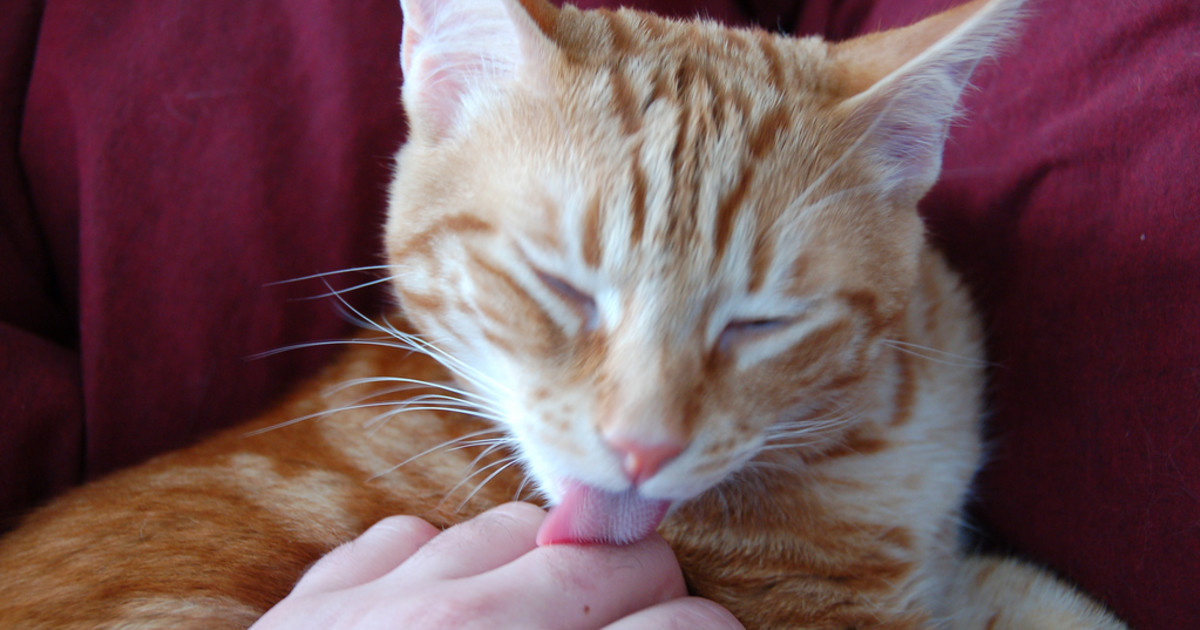
Cats groom their owners to show affection. It is a sign of trust and bonding. When a cat licks your hand or face, it means they see you as family.
Sometimes, cats groom themselves more when stressed. This can be a calming action. Watching grooming habits helps owners understand their cat’s feelings.
Grooming can also be a way to get attention. Cats may lick or nibble softly to invite interaction or play. Recognizing these signals improves the human-cat relationship.
Credit: www.squeakycleangrooming.com
Helping Your Cat With Grooming
Helping your cat with grooming can strengthen your bond and keep your furry friend comfortable. Sometimes, cats need a little extra help to stay clean and healthy, especially if they are older or have long fur. Knowing when and how to step in can make all the difference for your cat’s well-being.
When To Intervene
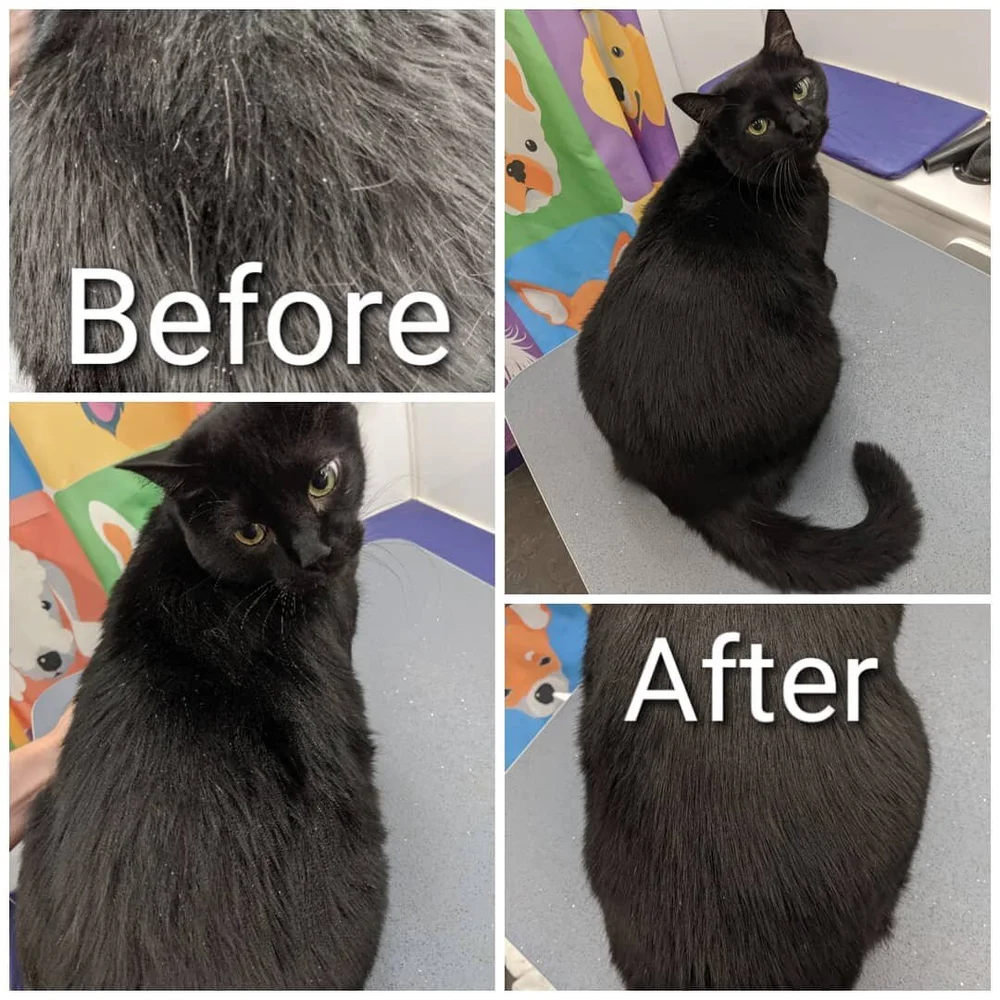
Not every grooming session requires your involvement. Watch for signs like matted fur, excessive shedding, or if your cat seems to struggle reaching certain areas. If your cat has mobility issues or health problems, they might miss spots or avoid grooming altogether.
Does your cat seem uncomfortable or is their coat looking dull? These are clear signals to step in. Also, if you notice dirt, fleas, or skin irritation, it’s time to help out. Ignoring these signs can lead to infections or discomfort for your pet.
Tools For Grooming Assistance
Using the right tools can make grooming easier for both you and your cat. A soft-bristled brush works well for short-haired cats, while a wide-toothed comb is better for long fur to prevent pulling. Nail clippers designed for pets help keep claws in check without causing stress.
- Choose grooming gloves if your cat dislikes brushes—they provide gentle massaging while removing loose fur.
- Keep pet-safe wipes handy for quick clean-ups, especially around the face and paws.
- Consider a dematting comb if your cat has tangles, but be gentle to avoid hurting their skin.
Have you ever noticed how your cat responds differently to various tools? Paying attention to their reactions can guide you to the best grooming method. Your patience and care during grooming sessions can turn a chore into a bonding experience.

Credit: www.latimes.com
Frequently Asked Questions
Why Do Cats Groom Themselves Frequently?
Cats groom to clean their fur, remove dirt, and regulate body temperature. Grooming also reduces stress and strengthens their bond with other cats.
What Does It Mean When A Cat Grooms You?
When a cat grooms you, it shows affection and trust. This behavior mimics mutual grooming among cats and strengthens your bond.
Can Excessive Grooming Indicate Health Issues?
Yes, excessive grooming can signal stress, allergies, or skin problems. If your cat grooms excessively, consult a veterinarian for proper diagnosis.
How Does Grooming Benefit A Cat’s Health?
Grooming removes loose fur, dirt, and parasites. It also stimulates blood circulation and keeps the skin healthy, preventing infections and irritations.
Conclusion
Cat grooming shows many things about their health and feelings. It keeps their fur clean and skin healthy. Grooming also helps cats calm down and feel safe. When cats groom each other, they build strong bonds. Watching your cat groom can teach you about their mood.
Remember, healthy grooming means a happy cat. Pay attention if grooming stops or changes. This might mean your cat needs help. Understanding grooming helps you care for your pet better. It’s a small act with big meaning.

Leave a Reply