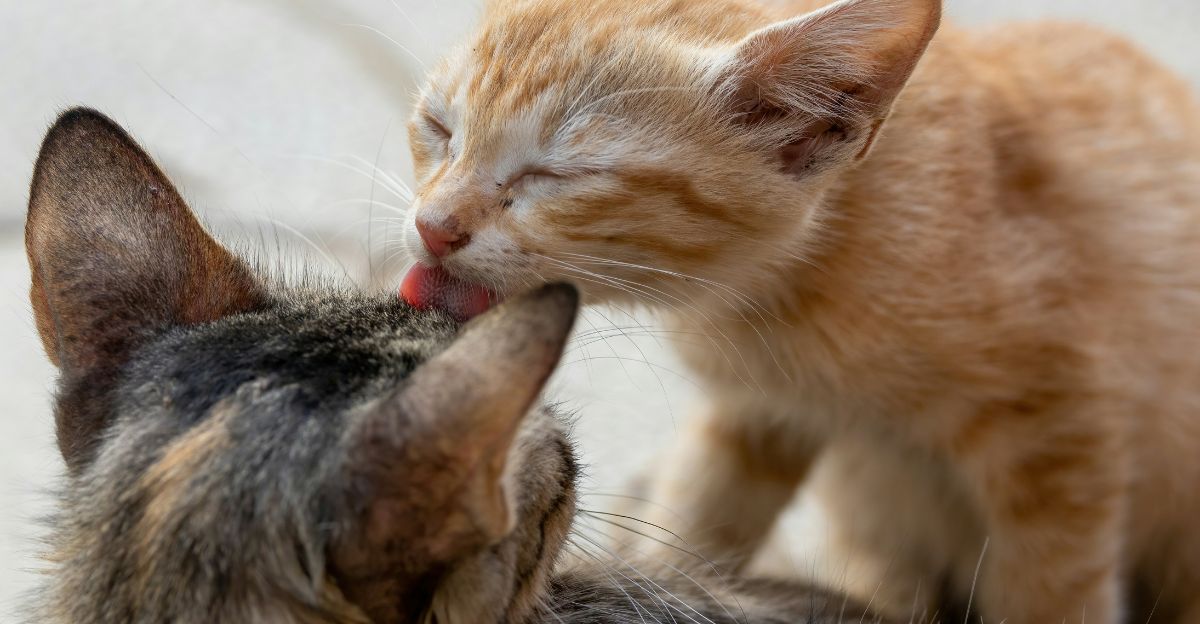
Have you ever wondered what grooming a cat really means? If you want your furry friend to stay healthy, happy, and looking their best, understanding grooming is key.
Grooming isn’t just about making your cat look nice—it’s about caring for their skin, fur, and overall well-being. You’ll discover simple tips and secrets to keep your cat comfortable and clean. Keep reading to learn how grooming can strengthen the bond between you and your cat while making their life better every day.
Cat Grooming Basics
Grooming a cat means caring for its fur, skin, and overall hygiene. It helps keep cats clean and healthy. Grooming is more than just brushing fur. It includes checking for any problems and making the cat comfortable. Understanding the basics helps owners keep their cats happy and well-groomed.
Purpose Of Grooming
Grooming removes dirt, loose fur, and prevents mats. It helps reduce shedding and hairballs. Grooming also checks for ticks, fleas, and skin issues. It strengthens the bond between the cat and owner. A clean cat feels good and stays healthy.
Types Of Grooming
- Brushing: Removes loose fur and prevents tangles.
- Bathing: Cleans dirt and oils from the skin.
- Nail trimming: Keeps claws short and safe.
- Ear cleaning: Removes wax and prevents infections.
- Dental care: Maintains healthy teeth and gums.
Frequency Of Grooming
Short-haired cats need brushing once or twice a week. Long-haired cats require daily brushing to avoid mats. Nail trimming is needed every 2-3 weeks. Bathing is rarely needed, only if the cat is very dirty. Regular grooming keeps cats comfortable and healthy.

Credit: weareallaboutcats.com
Tools For Grooming
Grooming your cat involves using the right tools to keep their coat healthy and their overall hygiene in check. The tools you choose can make a big difference in how your cat reacts to grooming sessions. Knowing which brushes, clippers, and cleaning products to use can help you build a routine that both you and your cat will appreciate.
Brushes And Combs
Brushes and combs help remove loose fur and prevent mats from forming. Cats with long hair need a slicker brush to gently detangle knots, while short-haired cats benefit from a bristle brush that removes dirt and spreads natural oils.
Try different types to see which your cat prefers; some cats love the gentle feel of rubber brushes. Have you noticed how your cat’s coat looks shinier after a good brushing? That’s because it stimulates their skin and distributes oils.
Nail Clippers
Keeping your cat’s nails trimmed is important to prevent scratches and damage to furniture. Use clippers designed for cats; they have a sharp, small blade that’s easier to control. Avoid using human nail clippers, as they can splinter your cat’s nails.
Trim just the tip of the nail to avoid the quick, which is sensitive and painful if cut. If you’re nervous about clipping nails, try gently pressing the paw to extend the nail before cutting. You might find your cat relaxes once they get used to the process.
Shampoos And Wipes
Cats usually groom themselves, but sometimes a bath or wipe-down is necessary. Use shampoos made specifically for cats to avoid skin irritation. Avoid human or dog shampoos, as their pH levels are different and can harm your cat’s skin.
For quick clean-ups, waterless shampoos or grooming wipes are handy. They remove dirt and reduce odors without stressing your cat with a full bath. How often do you think your cat actually needs a bath? Usually, less is more, but wipes can help between grooming sessions.
Brushing Techniques
Brushing your cat helps keep their fur healthy and neat. It removes loose hair, dirt, and prevents matting. Using the right technique can make the process enjoyable for both you and your cat.
Handling Different Fur Types
Cats have different fur types that need different brushing methods. Short-haired cats need a soft-bristle brush. This removes loose fur without hurting the skin. Long-haired cats require more attention. Use a wide-toothed comb to remove tangles gently. Finish with a slicker brush for a smooth coat.
Avoiding Common Mistakes
Many cat owners make mistakes while brushing. They brush too hard or too fast. This can hurt the cat and make them dislike grooming. Always brush gently and slowly. Another mistake is using the wrong brush type. The right brush makes a big difference in comfort. Also, forgetting to brush regularly leads to mats and knots. Regular brushing keeps the coat healthy and clean.

Credit: nationalcatgroomers.com
Bathing Your Cat
Bathing your cat is part of grooming that helps keep your pet clean and healthy. Cats usually clean themselves well, but some situations call for a bath. It removes dirt, fleas, or sticky substances. Bathing can also reduce shedding and hairballs. Proper technique makes the experience less stressful for both you and your cat.
When To Bathe
Bathing is not needed often for most cats. Bathe your cat if:
- They get into something dirty or sticky
- They have fleas or skin problems
- The vet suggests it for medical reasons
- They have long fur that mats easily
Too many baths can dry out their skin. Only bathe when necessary.
Step-by-step Bathing Guide
- Brush your cat to remove loose fur and mats.
- Fill a sink or tub with warm water, about 4-6 inches deep.
- Place a non-slip mat at the bottom to prevent slipping.
- Gently lower your cat into the water, speaking softly.
- Use cat-safe shampoo, avoiding eyes and ears.
- Work shampoo into their fur, focusing on dirty areas.
- Rinse thoroughly with warm water until no soap remains.
- Lift your cat out and wrap them in a towel immediately.
Drying Tips
Pat your cat dry with a soft towel. Avoid rubbing hard.
Keep your cat in a warm room until fully dry.
If your cat tolerates it, use a hairdryer on low, cool setting.
Brush their fur gently after drying to avoid tangles.
Nail Care
Nail care is an important part of grooming a cat. Cats use their nails for scratching and climbing. Keeping nails trimmed helps prevent injuries and damage to furniture. It also keeps your cat comfortable and healthy. Regular nail care reduces the risk of nails growing too long or curling into the paw pads.
Trimming Tips
- Use sharp, small nail clippers made for cats.
- Hold your cat’s paw gently but firmly.
- Cut only the clear, white tip of the nail.
- Avoid cutting the pink quick inside the nail.
- Trim nails every two to three weeks.
- Reward your cat with treats or praise after trimming.
Signs Of Overgrown Nails
- Nails touch or curl under the paw pads.
- Your cat scratches furniture more often.
- Walking or jumping becomes awkward or painful.
- You hear clicking sounds when your cat walks on hard floors.
- Nails get caught in carpets or fabrics.
Ear And Eye Cleaning
Ear and eye cleaning are important parts of grooming a cat. These areas often collect dirt, wax, and discharge. Regular cleaning helps keep your cat comfortable and healthy. It also prevents infections and other problems that could cause pain or discomfort. Knowing how to clean safely and spot trouble early is key.
Safe Cleaning Methods
Use a soft cloth or cotton ball dampened with warm water. Avoid using cotton swabs inside the ear canal. Gently wipe around the ear’s outer edge and the folds. For eyes, use a clean, damp cloth to wipe away any discharge. Always use a separate cloth for each eye to prevent spreading germs. Never apply harsh chemicals or soaps. Keep your cat calm and still during cleaning.
Identifying Infections
Look for redness, swelling, or foul smell in ears. Excessive scratching or shaking the head may signal irritation. Watery, cloudy, or thick discharge around the eyes needs attention. Squinting or frequent pawing at the eyes also indicates discomfort. If you notice these signs, consult a vet promptly. Early treatment stops infections from getting worse.
Dental Care For Cats
Dental care is a crucial part of grooming your cat that often gets overlooked. Maintaining your cat’s oral hygiene helps prevent painful issues like gum disease and tooth decay. It also supports their overall health, as oral problems can affect other organs if left untreated.
Start by choosing a toothbrush designed for cats or a soft-bristled human toothbrush. Use toothpaste made specifically for cats—never use human toothpaste as it can be harmful.
Begin slowly to get your cat used to the sensation. Let them lick a bit of toothpaste from your finger first. Then gently lift their lip and brush in small circles along the gum line.
Keep sessions short at first, aiming for just a few teeth. Gradually increase the time as your cat becomes more comfortable. Consistency is key—try to brush their teeth at least two or three times a week.
Dental Health Signs
Knowing what to look for can save your cat from unnecessary pain. Watch for bad breath that doesn’t go away after eating or drinking.
Check their gums regularly—they should be pink and not swollen or bleeding. If your cat is drooling more than usual or avoiding dry food, these can be signs of dental discomfort.
Are you noticing your cat pawing at their mouth or showing reluctance to be touched near their face? These behaviors often indicate dental pain, and a vet visit is necessary.
Behavioral Benefits Of Grooming
Grooming your cat goes beyond keeping their coat clean and shiny. It plays a significant role in shaping your cat’s behavior and strengthening your relationship. Understanding these behavioral benefits can motivate you to make grooming a regular and enjoyable part of your routine.
Bonding With Your Cat
Grooming sessions are a perfect opportunity to build trust with your cat. When you gently brush or comb your cat, it mimics the social grooming cats do with each other, which helps deepen their sense of security around you.
Try paying attention to your cat’s reactions during grooming—do they purr or nuzzle you? These signs mean you’re creating a positive connection. Have you noticed your cat seeking you out more after a grooming session? That’s the bond growing stronger.
Reducing Stress
Many cats find grooming calming. The repetitive motion of brushing can soothe an anxious cat much like a gentle massage does for humans. It helps lower their heart rate and reduces stress-related behaviors like excessive meowing or scratching.
Regular grooming also gives you a chance to spot early signs of discomfort or illness, which can prevent stress from worsening. Next time your cat seems restless, consider whether a grooming session might help them relax. Have you tried grooming to help calm a nervous cat?
Common Grooming Challenges
Grooming your cat can sometimes feel like a tricky task. Cats have unique personalities and sensitivities that make regular grooming a challenge. Understanding these challenges helps you stay patient and keep your cat comfortable during grooming sessions.
Dealing With Aggression
Some cats react aggressively when you try to groom them. This can be due to fear, pain, or simply not liking being touched in certain ways. You might notice hissing, swatting, or even biting.
Try breaking grooming into short, calm sessions instead of one long one. Use treats to create positive associations. Have you noticed your cat relax after a few minutes of gentle petting before you start brushing?
Handling Sensitive Areas
Areas like the belly, paws, and tail can be especially sensitive for cats. They may tense up or pull away when you touch these spots. Rushing through can make your cat more anxious next time.
Approach these parts slowly and watch your cat’s body language closely. You can try distracting your cat with a favorite toy or a gentle massage nearby first. Do you observe any areas your cat tolerates better than others?

Credit: www.catsessentials.com
When To Consult A Professional
Signs of discomfort, excessive shedding, or skin issues suggest it’s time to see a professional groomer. Experts can help with mats, nail trimming, and special care needs. Regular check-ups keep your cat healthy and comfortable.
Grooming your cat can be a bonding experience, but sometimes, it becomes a bit too much to handle on your own. Knowing when to call in a professional can save you time, stress, and even improve your cat’s overall well-being. But how do you know when it’s time to seek expert help?Signs You Need Help
You might notice clumps of fur that you just can’t untangle no matter how hard you try. Maybe your cat becomes aggressive or anxious during grooming, making it a battle of wills. Sometimes, skin issues like dandruff or sores can be a sign that a professional touch is needed. Have you noticed your cat’s nails are too long, but you’re not confident in trimming them yourself? A professional groomer can handle these tasks with ease and expertise, ensuring your cat’s safety. If you’re unsure about how to properly care for certain aspects of your cat’s grooming, seeking help is a wise choice.Choosing A Groomer
Selecting the right groomer can make all the difference. Look for someone with experience in feline grooming specifically; they’ll understand the nuances of cat behavior. Check reviews and ask other pet owners for recommendations to ensure you choose a reputable professional. Visit the grooming salon beforehand to see if the environment is clean and stress-free. A good groomer will be happy to answer any questions and explain their process. Remember, your cat deserves the best care, so take your time to find a groomer that meets your standards.Frequently Asked Questions
What Does Grooming A Cat Involve?
Grooming a cat involves brushing its fur, cleaning ears, trimming nails, and checking for skin issues. It keeps the cat clean, healthy, and comfortable.
Why Is Cat Grooming Important For Health?
Grooming removes dirt, loose fur, and prevents matting. It helps detect parasites or skin problems early, promoting overall cat health.
How Often Should I Groom My Cat?
Frequency depends on the cat’s coat type. Short-haired cats need weekly grooming, while long-haired cats may require daily brushing.
Can Grooming Reduce Cat Hair Around The House?
Yes, regular grooming reduces shedding by removing loose hair. It helps keep your home cleaner and reduces hairballs in cats.
Conclusion
Grooming a cat means caring for its coat, skin, and nails. It keeps your cat clean and healthy. Regular brushing helps stop hairballs and tangles. Trimming nails prevents scratches and injury. Grooming also builds trust between you and your cat.
It is a simple way to show love and care. Remember, a well-groomed cat feels happy and comfortable every day. Taking time for grooming is good for both of you. It’s a small habit with big benefits.


Leave a Reply