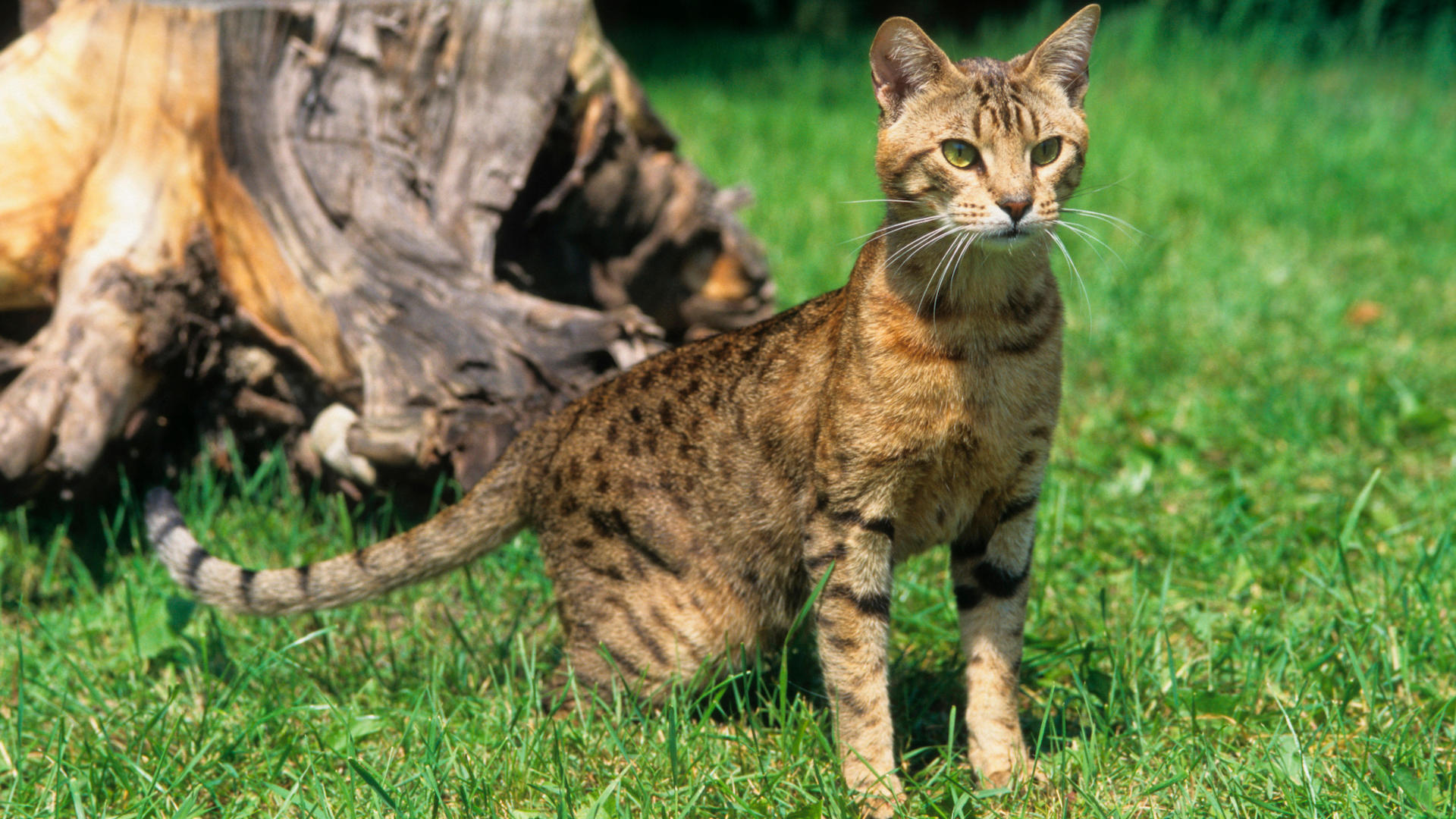
Have you ever wondered if your cat could enjoy a walk outside just like a dog? Not all cats are fans of stepping beyond the comfort of their home, but some breeds actually love exploring the world on a leash.
If you want to know which cats are more likely to enjoy walks and how to make the experience fun and safe for your furry friend, you’re in the right place. Keep reading to discover the cat breeds that will happily join you on your next stroll and learn tips to turn walking into a favorite activity for your pet.
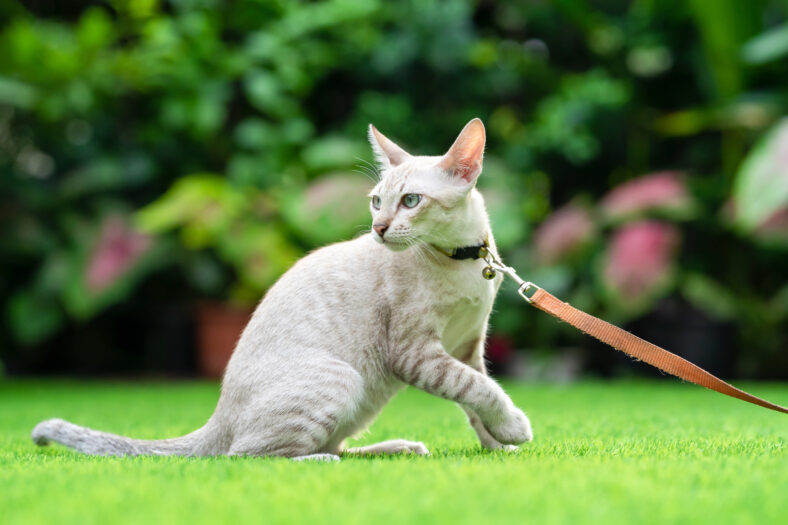
Credit: www.chipchick.com
Active Cat Breeds
Active cat breeds enjoy exploring the outdoors and going on walks. These cats have strong bodies and lively minds. They love new sights, sounds, and smells. Walking helps them stay healthy and happy. It also strengthens the bond with their owners.
Traits Of Walk-loving Cats
Walk-loving cats show certain special traits. They are confident and calm in new places. These cats are friendly toward people and other animals. They do not get scared easily. They enjoy exploring and often follow their owners eagerly.
- Curious and adventurous
- Calm and social
- Strong and agile
- Enjoy new experiences
Energy Levels And Curiosity
High energy is common in active breeds. These cats need much exercise to stay fit. Their curiosity drives them to explore every corner. They love chasing small moving things outdoors. Without enough activity, they may become bored or restless.
- Playful and energetic
- Always exploring
- Enjoy interactive games
- Need daily exercise
Top Cat Breeds For Walks
Not all cats are happy to strap on a harness and explore the outdoors, but some breeds naturally enjoy walks and adventure. If you want a feline friend who’s more than happy to join you on a leash, choosing the right breed can make a big difference. Here are some top cat breeds that tend to love walks, along with what makes each one a great walking companion.
Bengal Cats
Bengals are energetic and curious, which makes them eager explorers. Their wild appearance matches their adventurous spirit, so they usually enjoy the stimulation that walking outside provides. If your Bengal seems restless at home, taking them for a walk can help burn off that endless energy.
Have you noticed your Bengal’s fascination with sounds and movements outdoors? Leash training can turn that curiosity into safe, controlled exploration.
Abyssinian Cats
Abyssinians are known for their playful and active nature. They tend to be confident and love interacting with their environment. Walking is a great way to satisfy their need for mental and physical activity.
These cats often form strong bonds with their owners, so walking together can strengthen your connection. Do you find your Abyssinian watches the window or door longingly? Maybe it’s time to let them explore beyond the indoors.
Siberian Cats
Siberians are hardy and adaptable, accustomed to colder climates, which makes them good candidates for outdoor adventures. Their calm yet curious personality helps them handle new experiences without stress. Walking can provide both exercise and mental enrichment for these natural explorers.
Consider the weather before heading out with a Siberian; they thrive best in cooler temperatures. Have you ever seen your Siberian’s fascination with nature’s sounds? A walk could be the perfect outlet.
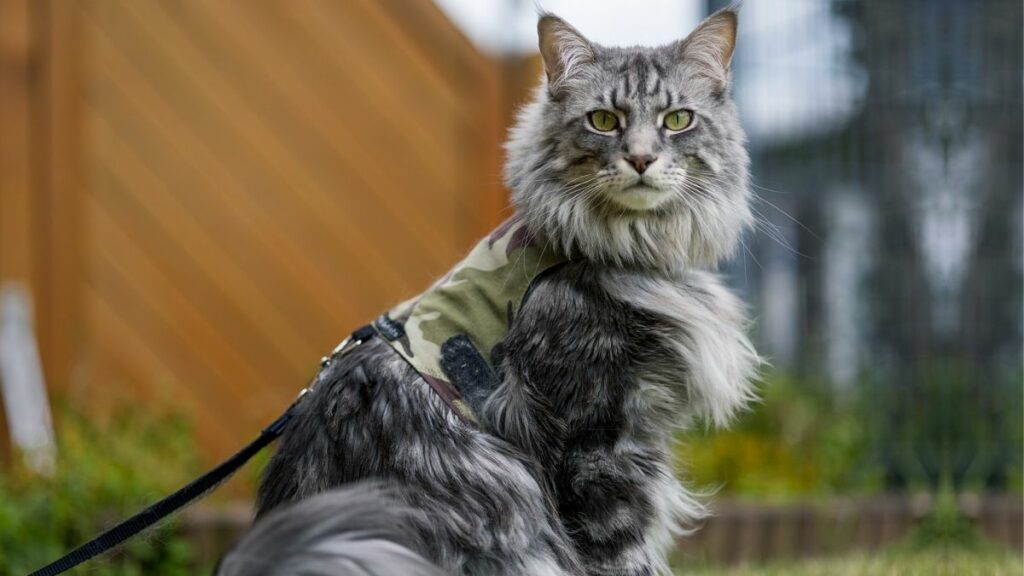
Maine Coon Cats
Maine Coons are sociable and intelligent, often enjoying interactive activities like walking on a leash. Their large size doesn’t stop them from being agile and curious. They can benefit greatly from the stimulation and exercise a walk provides.
Do you notice your Maine Coon following you around the house? They might enjoy stepping outside for a change of scenery and some fresh air. Walking together can be a rewarding experience for both of you.
Sphynx Cats
Sphynx cats may be hairless, but they have big personalities and a love for attention. Their social nature often makes them open to new experiences, including walks. Because they can get cold easily, short walks in warm weather work best for them.
Have you tried taking your Sphynx outside? Their curiosity and affection can turn a simple walk into a fun bonding time. Just be sure to protect their skin with pet-safe sunscreen or clothing.
Preparing Cats For Outdoor Walks
Certain cat breeds, like Bengals and Maine Coons, enjoy outdoor walks more than others. These active and curious cats adapt well to leash training and exploring outside safely. Preparing them with proper harnesses and short walks helps build their confidence.
Preparing your cat for outdoor walks can be an exciting journey for both you and your feline friend. While not all cats have the adventurous spirit of a dog, many can be encouraged to enjoy the great outdoors with the right preparation. Whether your cat is naturally curious or a bit more reserved, taking the time to prepare them properly will ensure a safe and enjoyable experience for both of you.Choosing The Right Harness
Selecting the perfect harness is crucial for a successful outdoor adventure. Look for harnesses specifically designed for cats, as they provide the right fit and security. Popular options include the H-style harness, which is lightweight and adjustable, and the vest-style harness, which offers added comfort and security. Make sure to measure your cat’s chest and neck to ensure a snug but comfortable fit. A well-fitted harness will prevent your cat from slipping out unexpectedly.Training Tips For Beginners
Begin training indoors, allowing your cat to get accustomed to wearing the harness. Encourage them with treats and praise to create positive associations. Gradually introduce the leash, letting them drag it around the house to get used to the sensation. Once your cat is comfortable indoors, venture outside to a quiet, secure area. Remember, patience is key—each cat will adapt at their own pace.Safety Precautions
Prioritize safety by choosing a calm, low-traffic area for initial outdoor walks. Keep an eye on your surroundings and avoid areas with loud noises or other animals that might scare your cat. Always have a firm grip on the leash, and be prepared to scoop up your cat if they become frightened. Consider microchipping your cat or ensuring they have an ID tag with your contact information, in case of an unexpected escape. A little preparation can go a long way in ensuring your cat’s safety during outdoor excursions. Are you ready to see the world through your cat’s eyes? By preparing thoughtfully and respecting your cat’s pace, outdoor walks can become a delightful routine for both of you.
Credit: www.petplan.co.uk
Benefits Of Walking Cats
Taking your cat for a walk can seem unusual, but it offers many benefits that go beyond just fresh air. Walking helps your feline friend stay active and alert, which can lead to a happier and healthier life. Have you ever noticed how curious cats become when they explore new environments? That curiosity is a key part of why walks can be so rewarding.
Physical Health
Walking provides essential exercise that helps maintain your cat’s ideal weight. Overweight cats are more prone to diabetes and joint problems, so regular walks can reduce these risks.
Even indoor cats benefit from physical activity outside their usual space. Walking stretches their muscles and improves cardiovascular health, helping them stay fit and agile.
Mental Stimulation
New sights, smells, and sounds keep your cat’s mind sharp. They experience a variety of sensory inputs that indoor life often lacks.
This stimulation can reduce boredom and prevent destructive behaviors. Have you noticed how some cats become less anxious and more confident after exploring outdoors?
Bonding With Owners
Walking together creates a shared experience that strengthens your connection. Your cat learns to trust and rely on you in unfamiliar situations.
Spending time outside also gives you moments to observe your cat’s personality and preferences more closely. How often do you get to see your cat’s curious side beyond the home?
Signs Your Cat Enjoys Walks
Cats that enjoy walks show clear signs through their actions and body language. These signs help you understand if your cat feels happy and safe outside. Watching your cat carefully during and after walks reveals how much they like this activity. Recognizing these signs makes walks more fun for both of you.
Body Language Cues
- Tail held high shows confidence and happiness.
- Relaxed ears that point forward mean curiosity.
- Slow blinking at you signals trust and comfort.
- Walking with a steady, calm pace shows ease.
- Playful movements like pouncing or chasing bugs.
- Whiskers facing forward indicate interest and excitement.
Behavioral Changes
- More eager to wear a harness or leash.
- Following you happily toward the door.
- Showing excitement before the walk starts.
- Calmer and less restless after outdoor time.
- Seeking more attention or cuddles post-walk.
- Exploring new places without fear or stress.
Alternatives To Outdoor Walks
Not all cats enjoy or are suited for outdoor walks. Some prefer the comfort and safety of indoor spaces but still need mental and physical stimulation. Luckily, there are creative alternatives to keep your feline friend active and happy without stepping outside.
Indoor Enrichment Activities
Keeping your cat entertained indoors requires a bit of creativity. Puzzle feeders are a great way to challenge your cat’s mind while rewarding them with treats. You might notice your cat becoming more engaged and less restless when given toys that mimic hunting, like feather wands or laser pointers.
Have you tried creating vertical spaces with cat trees or shelves? Cats love to climb and observe their surroundings from a height. Adding scratching posts near these spots can also satisfy their natural instincts.
Rotate toys regularly to keep your cat curious. Even a simple cardboard box or paper bag can become a playground. What new activity can you introduce today to spark your cat’s interest?
Using Catios And Enclosed Spaces
If you want to offer fresh air without the risks of open outdoor walks, a catio is a smart solution. These enclosed patios allow cats to experience nature safely. You can build or buy one tailored to your space and your cat’s personality.
Catios provide a secure environment where your cat can watch birds, feel the breeze, and enjoy sunshine. My own cat transformed from anxious indoors-only to confident and curious after spending time in a catio. It’s a safe way to satisfy their outdoor curiosity.
Consider adding plants safe for cats and comfy resting spots inside the catio. How could you create a mini adventure zone right outside your window? Your cat’s well-being might improve with this simple change.
Credit: worldanimalfoundation.org
Frequently Asked Questions
Which Cat Breeds Enjoy Going On Outdoor Walks?
Breeds like Maine Coons, Bengals, and Abyssinians enjoy outdoor walks. These cats are curious and active, making walks stimulating and fun.
How To Safely Walk A Cat Outdoors?
Use a properly fitted harness and leash for safety. Start indoors to get your cat used to the harness before outdoor walks.
Are All Cats Suitable For Walking Outside?
Not all cats like or adapt to walking outdoors. Personality and breed influence their interest and comfort with outdoor walks.
Can Walking Improve A Cat’s Health?
Yes, walking provides physical exercise and mental stimulation. It helps maintain a healthy weight and reduces boredom in cats.
Conclusion
Many cat breeds enjoy walks and exploring outside. Some cats love the fresh air and new smells. Walking can help keep cats healthy and happy. Not all cats like walks, so watch your pet’s mood. Start slow and use a harness for safety.
Outdoor time can strengthen your bond with your cat. Try different places to see what your cat prefers. Walking cats need gentle care and patience. Enjoy the adventure with your feline friend!




Leave a Reply