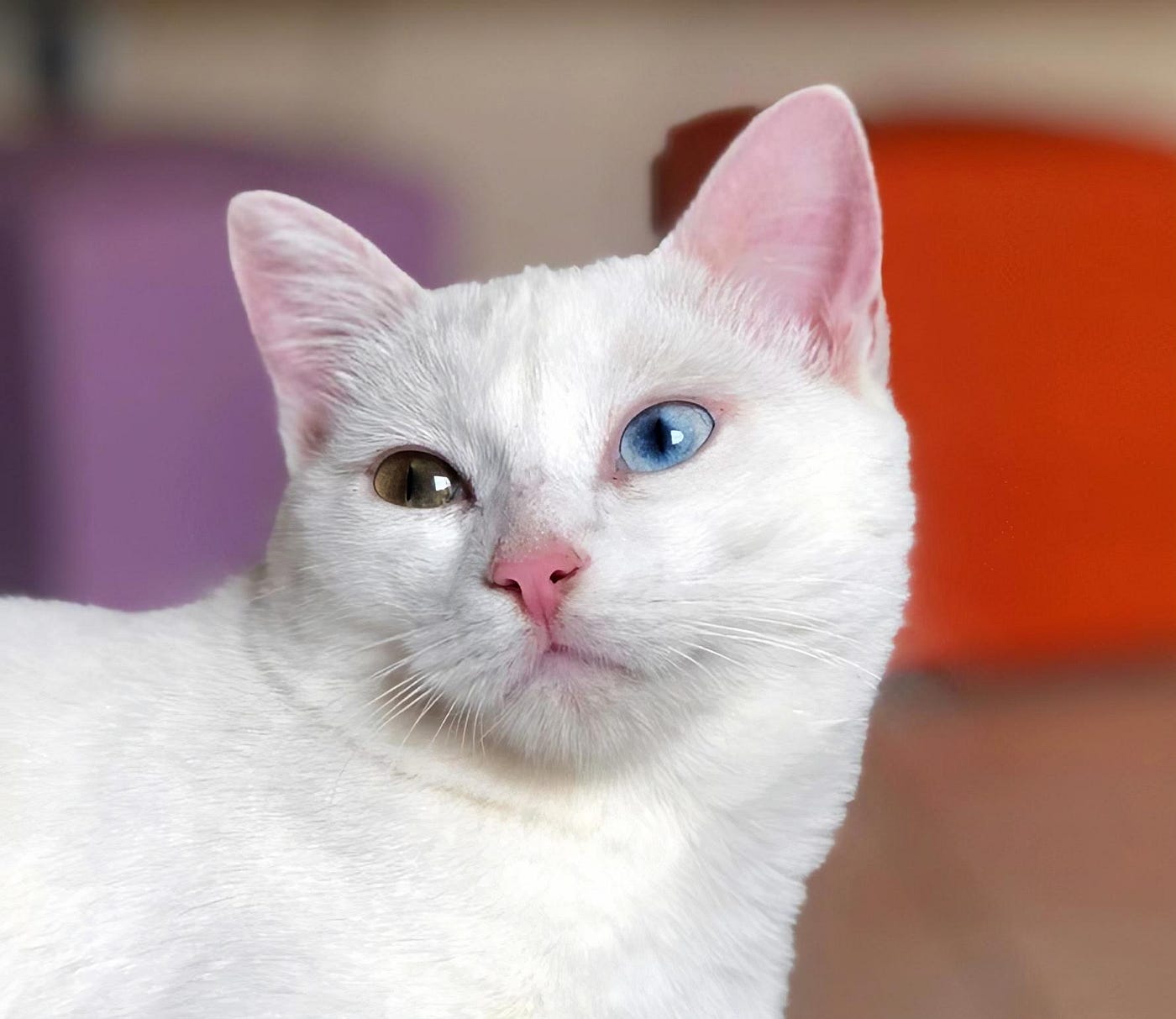
Have you ever seen a cat with two different colored eyes and wondered why it looks so unique? That striking feature is called heterochromia, and it makes some cats stand out in the most beautiful way.
If you’re curious about which cat breeds are most likely to have this rare and captivating trait, you’re in the right place. Keep reading to discover the fascinating breeds that might just have those mesmerizing mismatched eyes you’ve been admiring.
Your next favorite feline could be one of these extraordinary cats!

Credit: jennywilsons.medium.com
Cat Eye Color Basics
Cat eyes can be mesmerizing, often drawing you in with their vivid hues and mysterious glows. Understanding the basics of cat eye color helps you appreciate the unique charm behind every gaze. Whether your cat’s eyes are emerald green or deep amber, the science behind their color tells an interesting story about genetics and biology.
How Eye Color Develops
Cat eye color develops through the amount and type of pigments in the iris. Melanin, the main pigment, controls how dark or light the eyes appear. More melanin leads to brown or amber eyes, while less melanin results in blue or green eyes.
Interestingly, kittens are usually born with blue eyes. Their true eye color starts to show after a few weeks as melanin production increases. This change explains why your kitten’s eyes may surprise you as they grow.
What Causes Heterochromia
Heterochromia means a cat has two different colored eyes, or one eye contains multiple colors. It happens because of variations in melanin distribution. Sometimes, it is a genetic trait, especially common in certain breeds.
Other times, heterochromia can result from injury or illness, but most cats with this trait are perfectly healthy. Have you noticed how heterochromia gives cats a striking, one-of-a-kind look that sets them apart? It’s a natural quirk that adds to their mysterious beauty.
Types Of Heterochromia In Cats
Heterochromia in cats is a fascinating trait that comes in different forms. Understanding the types can help you recognize this unique eye condition in your feline friend. It also sheds light on how diverse and beautiful cat eyes can be.
Complete Heterochromia
Complete heterochromia means each eye is a completely different color. One eye might be blue, while the other is green, amber, or brown. This form is quite striking and often seen in breeds like the Turkish Van and Turkish Angora.
Owners often notice this difference right away because it gives the cat a distinctive look. Have you ever seen a cat whose eyes seem to tell two different stories? That’s complete heterochromia at work.
Sectoral Heterochromia
Sectoral heterochromia occurs when part of one eye has a different color from the rest of that same eye. Instead of two separate eye colors, you see a patch or segment of contrasting color. This can appear as a striking mix of blue and green or amber and brown within a single iris.
This subtle variation can sometimes go unnoticed unless you look closely. It adds a layer of uniqueness to your cat’s appearance. Have you ever caught a glimpse of this rare trait in your pet’s eye and wondered about its origin?
Breeds Known For Heterochromia
Certain cat breeds like Turkish Van, Turkish Angora, and Japanese Bobtail often show heterochromia, where eyes are different colors. This unique trait adds charm and makes these cats stand out easily. Many people find heterochromia fascinating and beautiful in these breeds.
Breeds Known for Heterochromia Heterochromia is a striking and captivating trait that some cat breeds are known for. This fascinating feature, where a cat has two different colored eyes, can make any feline look uniquely enchanting. While it can occur in any breed, there are a few that are particularly known for this eye-catching trait.Turkish Van
The Turkish Van is a breed that often captures attention with its stunning heterochromia. These cats are not just known for their different-colored eyes but also their love for water. Imagine watching a Turkish Van with one blue eye and one amber eye playfully splashing around—it’s a sight to behold!Turkish Angora
The Turkish Angora is another breed that frequently exhibits heterochromia. These elegant cats, with their silky fur and graceful movements, are as charming as they are beautiful. When you spot a Turkish Angora with mismatched eyes, it feels like you’re looking at a piece of art.Japanese Bobtail
The Japanese Bobtail is known not only for its unique tail but also for its vibrant eyes. Heterochromia is fairly common in this breed, adding an extra layer of intrigue to their already charismatic appearance. Have you ever seen a cat with one eye the color of the ocean and another like a golden sunset? That’s the magic of the Japanese Bobtail.Siberian Cat
Siberian Cats, with their robust build and luxurious coat, can also exhibit heterochromia. This breed is known for its friendly and affectionate nature, making them a favorite among cat lovers. Picture a Siberian Cat with heterochromia gazing at you—it’s a moment that can make your heart skip a beat.Other Notable Breeds
While the breeds mentioned are quite renowned for heterochromia, other breeds like the Khao Manee and the Cornish Rex can also display this trait. It’s always a delightful surprise to discover this feature in different breeds, adding to the unique personality of each cat. Could your next feline friend be one of these captivating heterochromatic beauties?
Credit: www.hindustantimes.com
Genetics Behind Heterochromia
Heterochromia in cats is a fascinating trait that captures attention with its unique eye colors. This striking feature is not random but deeply rooted in the cat’s genetics. Understanding the genes at play can help you appreciate why certain breeds are more likely to have heterochromia.
Role Of Melanin
Melanin is the pigment responsible for the color of a cat’s eyes, skin, and fur. The amount and distribution of melanin in the iris determine whether the eye appears blue, green, yellow, or brown.
In cats with heterochromia, one eye has less melanin, often resulting in a blue eye, while the other eye has more pigment, creating a different color. This difference happens because melanin production is controlled by specific genes that may act differently in each eye.
Have you noticed how some cats seem to have a mysterious sparkle in their eyes? That’s often melanin playing its part in a very visible way.
Inheritance Patterns
Heterochromia is usually inherited through dominant and recessive gene combinations. In many cases, it is linked to the white spotting gene that can suppress melanin in one eye.
Certain breeds like the Turkish Van and Japanese Bobtail are more prone to heterochromia due to their genetic makeup. If a parent cat carries the gene for heterochromia, there’s a higher chance their kittens will inherit this trait.
- Not all cats with the white spotting gene will have heterochromia, but it increases the likelihood.
- Sometimes heterochromia can appear spontaneously without a clear genetic pattern.
Have you ever wondered why your cat’s unique eye colors seem so rare? It often comes down to these specific inheritance patterns that nature plays with in each generation.
Health Implications And Myths
Heterochromia in cats often sparks curiosity and questions about their health. Some people worry it might mean health issues or believe strange myths about the condition. Understanding the facts helps cat owners care for their pets better and avoid unnecessary fears.
Is Heterochromia Linked To Deafness?
Many think cats with heterochromia are deaf. This is not always true. Some white cats with one or two blue eyes may have a higher chance of deafness. This link happens because of genetics affecting ear development.
Still, not all cats with different-colored eyes have hearing problems. Many live healthy, normal lives with perfect hearing. Testing a cat’s hearing is the best way to know for sure.
Common Misconceptions
- Heterochromia means the cat is sick. False. It is usually just a color trait.
- Only certain breeds can have heterochromia. False. Many breeds can show this feature.
- Heterochromia affects the cat’s vision. False. Cats see well regardless of eye color.
- It is a sign of magical or supernatural powers. False. It is simply a genetic variation.
Knowing the truth about heterochromia helps people appreciate these cats. It is a beautiful and harmless trait in most cases.
Caring For Cats With Unique Eyes
Caring for cats with heterochromia means paying special attention to their unique eye colors and potential sensitivities. These striking eyes aren’t just beautiful—they can sometimes indicate underlying health needs. Understanding how to care for them helps keep your feline friend comfortable and healthy.
Eye Health Tips
Keep your cat’s eyes clean by gently wiping away any discharge with a soft, damp cloth. Avoid using harsh chemicals near their face, as their eyes can be more sensitive.
Watch for any changes in their eye color or shape. Even if their heterochromia is normal, sudden shifts might signal a problem.
Provide a calm environment to reduce stress, which can affect your cat’s overall eye health. Bright lights or rough play could accidentally harm their eyes.
When To See A Vet
If you notice redness, swelling, or excessive tearing, schedule a vet visit promptly. These signs might indicate an infection or injury requiring professional care.
Sudden changes in pupil size or cloudiness can also signal serious issues. Don’t wait—early intervention often leads to better outcomes.
Has your cat ever squinted or pawed at their eye? These behaviors can mean discomfort and should prompt a check-up. Paying attention to your cat’s actions helps catch problems early before they worsen.
Famous Cats With Heterochromia
Heterochromia in cats creates a striking and unforgettable look. Some cats with this unique eye condition have become famous, capturing hearts worldwide. These felines remind us how rare and beautiful nature’s quirks can be.
Maru: The Youtube Sensation With Mismatched Eyes
Maru, the Japanese Scottish Fold, is famous not only for his playful antics but also for his captivating heterochromia. One eye is a deep blue, while the other is a warm amber, making him instantly recognizable. If you watch his videos, you’ll notice how his distinct eyes add to his charm and personality.
Venus The Two-faced Cat
Venus is a beautiful cat with a rare form of heterochromia combined with a split-colored face. One side of her face is black with a green eye, and the other is orange tabby with a blue eye. This striking contrast sparks curiosity about genetics and beauty in the animal world.
Ojos Azules Cats In The Spotlight
Cats with the Ojos Azules gene often have heterochromia, featuring one or two vivid blue eyes. These cats have appeared in various documentaries and pet shows due to their unusual eye color. Their mysterious gaze can make you wonder about the science behind eye pigmentation.
Did You Know?
- Heterochromia is more common in certain breeds like Turkish Van and Japanese Bobtail.
- Famous cats with heterochromia often boost awareness about this condition and its beauty.
- Spotting a cat with different colored eyes can be a joyful surprise during your pet encounters.
Have you ever met a cat with heterochromia? What was your first thought seeing their eyes? These famous felines show that uniqueness in nature deserves to be celebrated every day.

Credit: jennywilsons.medium.com
Frequently Asked Questions
What Is Heterochromia In Cats?
Heterochromia is a condition where cats have two different colored eyes. It occurs due to genetic factors or pigment distribution differences. This trait is most common in specific breeds and often adds to their unique and striking appearance.
Which Cat Breeds Commonly Have Heterochromia?
Breeds like Turkish Van, Turkish Angora, and Japanese Bobtail often exhibit heterochromia. White cats or those with white spotting genes are more prone to this trait. These breeds are known for their distinct and beautiful eye colors.
Does Heterochromia Affect A Cat’s Health?
Heterochromia generally does not affect a cat’s health. It is mostly a cosmetic feature and does not impair vision or cause medical issues. However, some white cats with heterochromia may have a higher risk of deafness.
Can Heterochromia Occur In Cats Of Any Color?
Heterochromia is most common in white or predominantly white cats. It can occasionally appear in cats with other coat colors but is rare. The gene responsible is usually linked to white or piebald patterns.
Conclusion
Cats with heterochromia show unique and beautiful eye colors. Some breeds, like the Turkish Van and Japanese Bobtail, often have this trait. It makes these cats stand out and feel special. Understanding which breeds have heterochromia helps cat lovers appreciate their beauty more.
Each cat’s eyes tell a different story. This natural trait adds charm and mystery to our feline friends. Keep an eye out for these stunning cats. Their different-colored eyes are truly a sight to see.


Leave a Reply