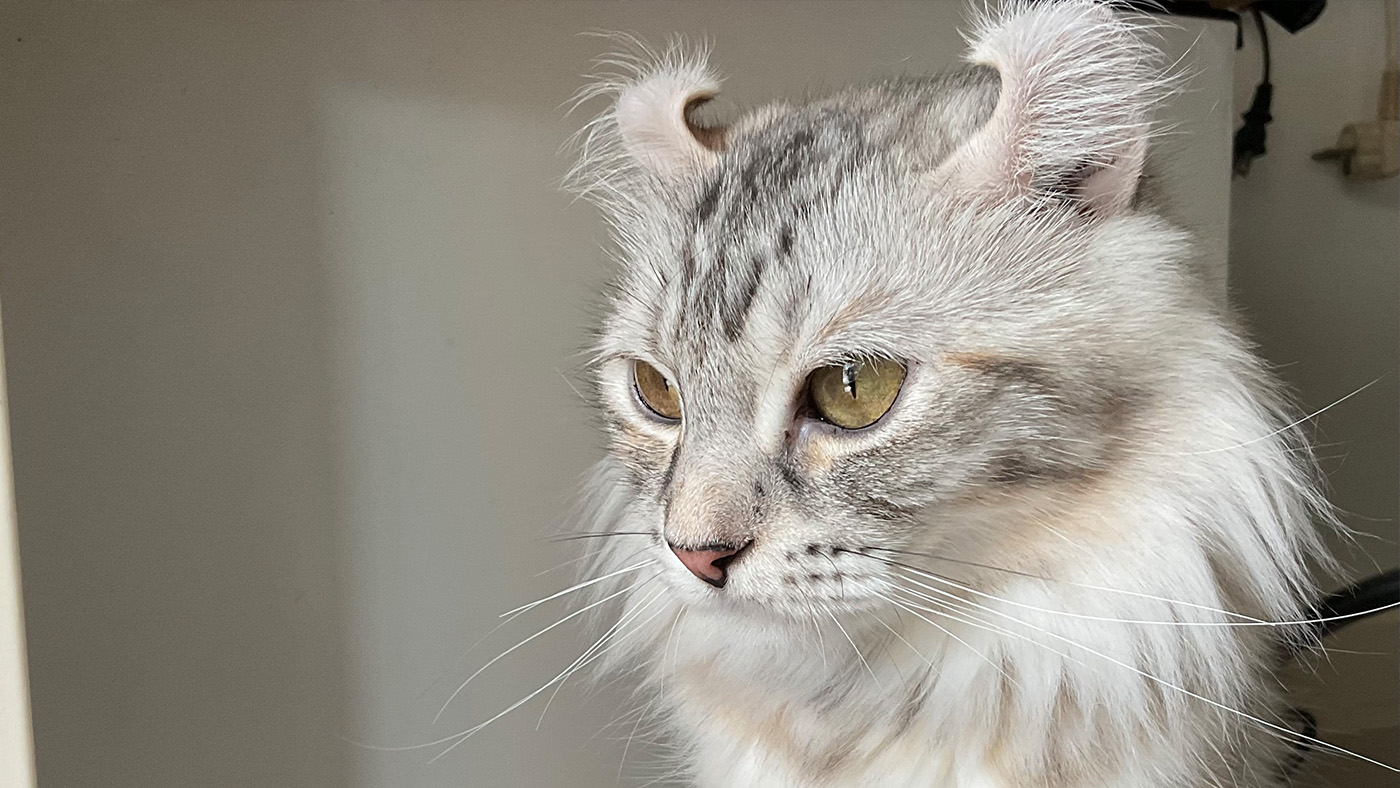
Have you ever heard a cat bark? It sounds surprising, right?
But some cat breeds actually make barking noises, and many of them have long, noticeable ears. If you’re curious about which cats can bark and what makes their ears so unique, you’re in the right place. Understanding these unusual traits can change the way you see cats forever.
Keep reading to discover the fascinating breeds that might just surprise you!
Credit: www.barkandwhiskers.com
Cats That Bark
Cats are known for their soft meows and purrs. But some cats bark like dogs. This unusual sound surprises many cat lovers. Barking cats use this sound to communicate strong feelings.
Not all cats bark. Only a few breeds and individual cats make this sound. Understanding why some cats bark helps us learn about their behavior.
Why Some Cats Bark
Cats bark for several reasons. They might feel scared or threatened. Barking can be a way to warn others. Sometimes, it happens during play or excitement. Some cats mimic other animals they hear often.
Barking may also show frustration or demand attention. It is not common but shows unique communication skills.
Breeds Known For Barking
Few cat breeds are known to bark more than others. The most famous is the Bengal cat. Bengals sometimes make sounds like a small dog’s bark. Another breed is the Siamese cat, which can produce loud, unusual calls.
- Bengal Cat
- Siamese Cat
- Chausie Cat
These breeds have strong voices and may bark when excited or alert.
Behavioral Traits Linked To Barking
Cats that bark often show strong territorial behavior. They protect their space and warn intruders. They are usually very vocal and expressive. These cats also tend to be playful and curious.
Barking can be a sign of strong emotions, such as excitement or stress. Paying attention to these sounds helps understand the cat’s needs and mood.

Credit: www.petsradar.com
Cats With Long Ears
Cats with long ears have a unique and charming look. Their ears often stand out and add character to their faces. These long ears are not just for show. They help cats hear better and stay alert. Some cat breeds are known for their distinctively long ears. Their ear shape can vary from pointy to wide and expressive. Understanding these features helps cat lovers appreciate their pets more.
Distinctive Ear Shapes In Cats
Cat ears come in many shapes and sizes. Long ears are usually tall and pointed. Some cats have ears that flare out at the base. Others have a slight curve on the edges. The shape can make a cat look more alert or curious. Ear tufts, or little hairs on the ear tips, can add to the long ear effect. These shapes are often linked to specific breeds.
Breeds Famous For Long Ears
- Sphynx:Known for large, wide, and upright ears.
- Abyssinian:Ears are tall and slightly pointed.
- Oriental Shorthair:Long, thin, and very expressive ears.
- Devon Rex:Ears are large and set low on the head.
- Maine Coon:Often has ear tufts that enhance ear length.
Functions Of Long Ears In Cats
Long ears improve a cat’s hearing range. They catch faint sounds easily. This helps cats hunt small prey. Ears also help with temperature control. Blood vessels in the ears release heat. Cats use ear movements to communicate feelings. Long ears can signal alertness or curiosity.
Breeds That Combine Barking And Long Ears
Discovering cat breeds that both bark and have long ears might sound like a wild mix, but a few rare breeds do exhibit these unusual traits together. These cats challenge what you typically expect from feline behavior and appearance. Understanding these breeds can open your eyes to the incredible diversity within the cat world.
Rare Breeds With Both Traits
One of the most notable breeds combining barking sounds and long ears is the Turkish Van. This breed is known for its distinctive vocalizations that can sometimes resemble a dog’s bark, especially when excited or seeking attention.
Another breed to consider is the Siamese cat, which often has large, pointed ears and a vocal nature. While their sounds are more meows and yowls, some individuals emit sharp, almost bark-like noises.
- Turkish Van:Long ears and unique barking-like calls.
- Siamese:Large ears and sharp vocalizations close to barking.
These breeds stand out because their traits are uncommon in the feline world, sparking curiosity among cat enthusiasts.
Genetic Factors Behind These Traits
The combination of barking sounds and long ears comes from complex genetic interactions. Ear length is often controlled by genes linked to cartilage development, while vocalizations depend on the structure of the larynx and vocal cords.
In breeds like the Turkish Van, selective breeding may have enhanced vocal tendencies alongside physical traits like ear shape. These genetic combinations sometimes lead to surprising behaviors that surprise owners and researchers alike.
Have you ever wondered how a cat’s unique voice can be traced back to its DNA? It’s a reminder that genetics play a huge role in shaping your pet’s personality and appearance.
How These Traits Affect Cat Behavior
Long ears can improve a cat’s hearing, making them more alert to their environment. This heightened sense often results in more vocal communication, including sounds that resemble barking.
Owners of these breeds often notice their cats use their vocalizations to express needs or emotions loudly and clearly. This can be helpful if you want a cat that’s expressive and interactive but might require patience in busy households.
Does your cat’s unique voice make you smile or challenge your patience? Recognizing how these traits affect behavior helps you connect better with your feline friend.

Credit: www.petsradar.com
Surprising Cat Facts
Cats are known for their mysterious and independent nature, but they have some surprising traits that might leave you amazed. While we often associate barking with dogs, some cat breeds exhibit this unusual behavior too. Let’s dive into some surprising cat facts that challenge our common perceptions.
Uncommon Vocalizations In Cats
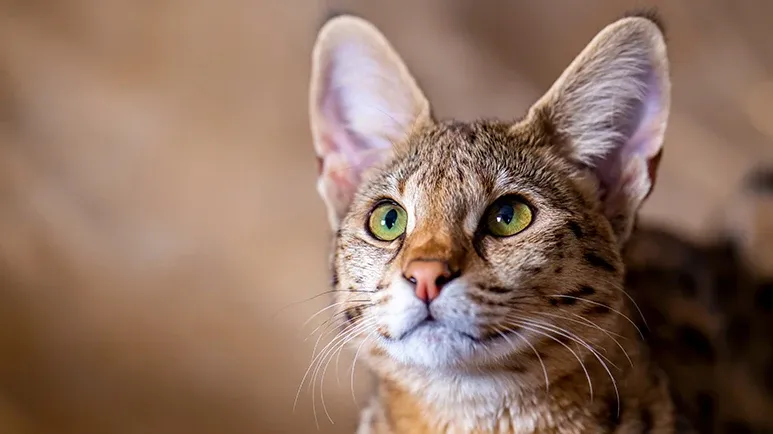
Did you know that certain cat breeds can produce sounds that resemble barking? It’s true! Breeds like the Savannah cat, known for its wild ancestry, sometimes make barking noises, especially when excited or trying to communicate with their owners.
This peculiar vocalization can be quite amusing and unexpected. Next time your cat starts “barking,” you might want to listen closely and see what it’s trying to say.
Unique Physical Features Among Breeds
Some cat breeds also surprise us with their distinctive physical traits, such as long ears. The Oriental Shorthair, for instance, is famous for its elegant, elongated ears that give it a striking appearance.
These unique features are not just for show; they can enhance a cat’s hearing abilities, making them more aware of their surroundings. Have you ever noticed how your cat’s ears twitch at the slightest sound?
Myths And Facts About Cat Communication
Cats communicate in ways that often go unnoticed by humans. While many believe cats are aloof and uninterested, they actually use a variety of sounds and body language to express themselves.
Understanding these signals can strengthen your bond with your feline friend. Did you know that a slow blink from your cat is like a kitty kiss?
Next time your cat ‘talks’ to you, whether it’s a meow, chirp, or even a bark, consider what it might be trying to communicate. You might find yourself having a whole new conversation with your pet!
Frequently Asked Questions
Which Cat Breeds Are Known To Bark?
The Turkish Van and the Siamese cat sometimes make barking sounds. This behavior is rare and usually sounds more like a yowl or chirp. It adds to their unique vocal expressions, differing from typical meows and purrs.
Do Any Cats Have Long Ears Like Dogs?
Yes, some cat breeds like the Oriental Shorthair and Abyssinian have notably large, pointed ears. These ears give them a distinctive look, enhancing their hearing and adding to their elegant appearance.
Why Do Some Cats Bark Instead Of Meow?
Some cats bark due to unique vocal cord structures or mimicry of other animals. It is uncommon and often linked to specific breeds or individual cat personalities. This behavior can be playful or a form of communication.
Are Long-eared Cats Better Hunters?
Long-eared cats often have enhanced hearing, aiding in hunting small prey. Their ear shape helps detect faint sounds, improving their ability to locate food. However, hunting skills depend more on instinct and training than ear size.
Conclusion
Cats that bark and have long ears are rare and special. These unique traits often come from certain breeds or mixes. Knowing about them helps you understand your pet better. Each cat has its own personality and charm. Whether they bark or not, their long ears add to their cuteness.
Enjoy learning about these fascinating cats and their unusual behaviors. They remind us how diverse and surprising animals can be. Keep exploring and appreciating every little detail that makes cats unique.


Leave a Reply