Are you curious about the types of cats you might see roaming the streets or curling up in cozy homes across Turkey? Whether you’re a cat lover planning to visit or someone thinking about adopting a feline friend, knowing which breeds are common in Turkey can help you connect better with these charming creatures.
You’ll discover the unique traits and stories behind the cats that are popular in this beautiful country. Keep reading to find out which feline companions might capture your heart next!
Popular Cat Breeds In Turkey
Cats hold a special place in Turkish culture. They roam freely in cities and homes alike. Many breeds are seen throughout the country. Some breeds have become icons of Turkey. Others have gained popularity for their unique traits. Here are some popular cat breeds in Turkey.
The Turkish Van is a large, strong cat with a unique coat. It has white fur with colored patches on the head and tail. This breed loves water and is a strong swimmer. Known as the “swimming cat,” it is playful and active.
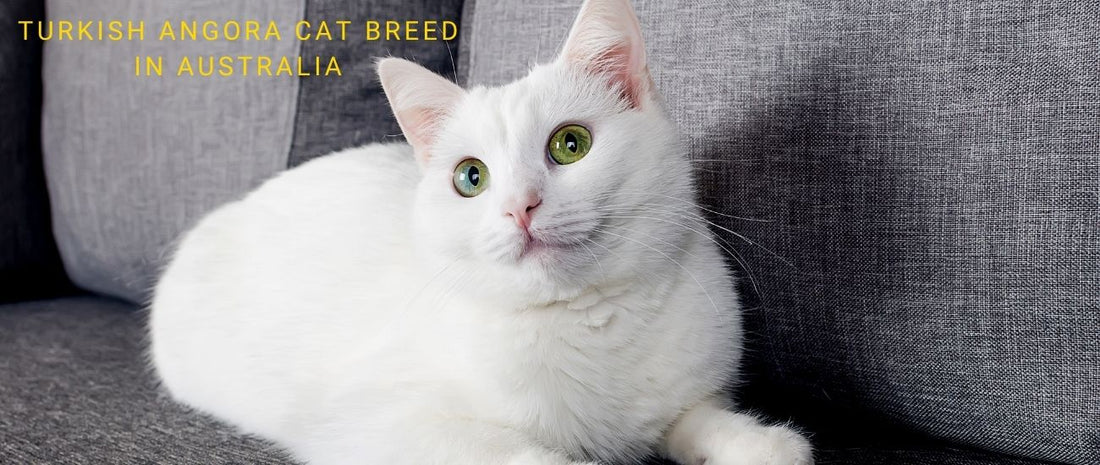
The Turkish Angora is elegant and slender. It has long, silky fur and often pure white color. This breed is very friendly and social. It enjoys being around people and other pets. Turkish Angoras are intelligent and curious cats.
Turkish Shorthair
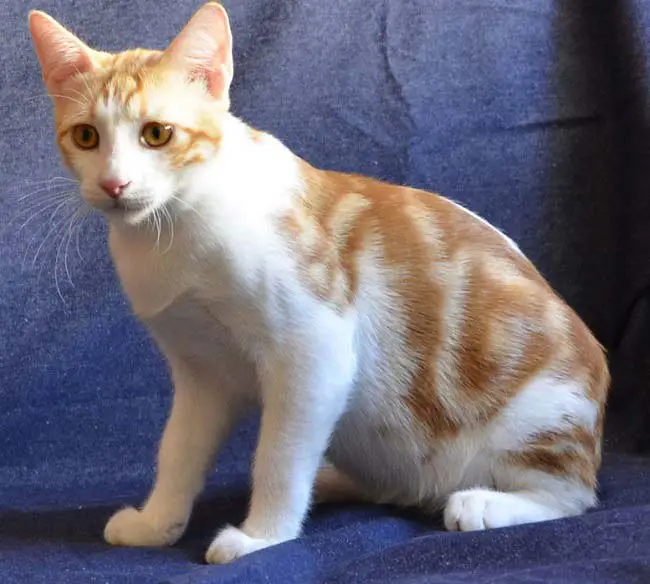
The Turkish Shorthair is a common street cat in Turkey. It has a medium build and short, dense fur. This breed is hardy and adapts well to different environments. Turkish Shorthairs are independent but can be affectionate.
Kediler (local Street Cats)
Many cats in Turkey are mixed breeds known as Kediler. These cats live freely in cities and villages. They vary in colors and patterns. Kediler are resilient and smart. They have become part of the urban landscape and culture.
Turkish Angora
The Turkish Angora is one of Turkey’s most famous cat breeds. Known for its elegance and silky coat, this cat stands out in any room. It has a long history and unique features that make it beloved worldwide.
History And Origin
The Turkish Angora comes from the Ankara region of Turkey. It is one of the oldest natural cat breeds. These cats were treasured by Turkish royalty. They were brought to Europe in the 16th century. Over time, their beauty and grace made them popular worldwide.
Distinctive Features
- Medium-sized body with a slender frame
- Long, silky fur that feels soft to touch
- Usually white, but can have many colors
- Large, almond-shaped eyes in blue, green, or amber
- Long, bushy tail that flows like a plume
Temperament And Behavior
Turkish Angoras are playful and intelligent. They enjoy being around people and other pets. These cats are curious and love to explore their surroundings. They are gentle and often form strong bonds with their owners. Turkish Angoras also like to communicate with soft, sweet meows.
Turkish Van
Turkish Van cats are famous for their unique white fur and colored markings on the head and tail. Known as “swimming cats,” they enjoy water and are common in Turkey. This breed stands out for its playful and friendly nature.
The Turkish Van is a captivating breed that hails from the region around Lake Van in Turkey. Known for their stunning appearance and unique behaviors, these cats have charmed many cat enthusiasts worldwide. Their playful and affectionate nature makes them a beloved choice for families and individuals alike.Unique Characteristics
The Turkish Van is immediately recognizable by its semi-long, plush coat that is as soft as cashmere. Typically, they have a mostly white body with distinct color markings on the head and tail. This pattern is often referred to as the “Van pattern,” and it’s quite rare. Their eyes are another striking feature. You might notice they have either amber or blue eyes, and occasionally one of each. This heterochromia adds to their enigmatic allure.Swimming Habits
Unlike most cats, the Turkish Van has a surprising affinity for water. They are often dubbed “the swimming cat” due to their love for playing in and around water. This makes them a unique pet, especially if you have a safe water source nearby. You might find them splashing around in a kiddie pool or even trying to join you in the bath. Their fascination with water can be a delightful quirk to share with friends who can’t believe cats would enjoy such activities.Personality Traits
Turkish Vans are known for their lively and playful demeanor. They possess a curious nature, often exploring their environment with keen interest. This breed thrives on interaction and can form strong bonds with their human companions. They are also known for their intelligence. Many Turkish Van owners share stories of their cats learning tricks or engaging in puzzle toys. If you enjoy an interactive pet, the Turkish Van might just be your perfect match. Have you ever considered sharing your home with a cat that loves water? Imagine the unique experiences you could have with a Turkish Van. Their vibrant personality and unusual habits could bring a new dimension of joy to your daily life.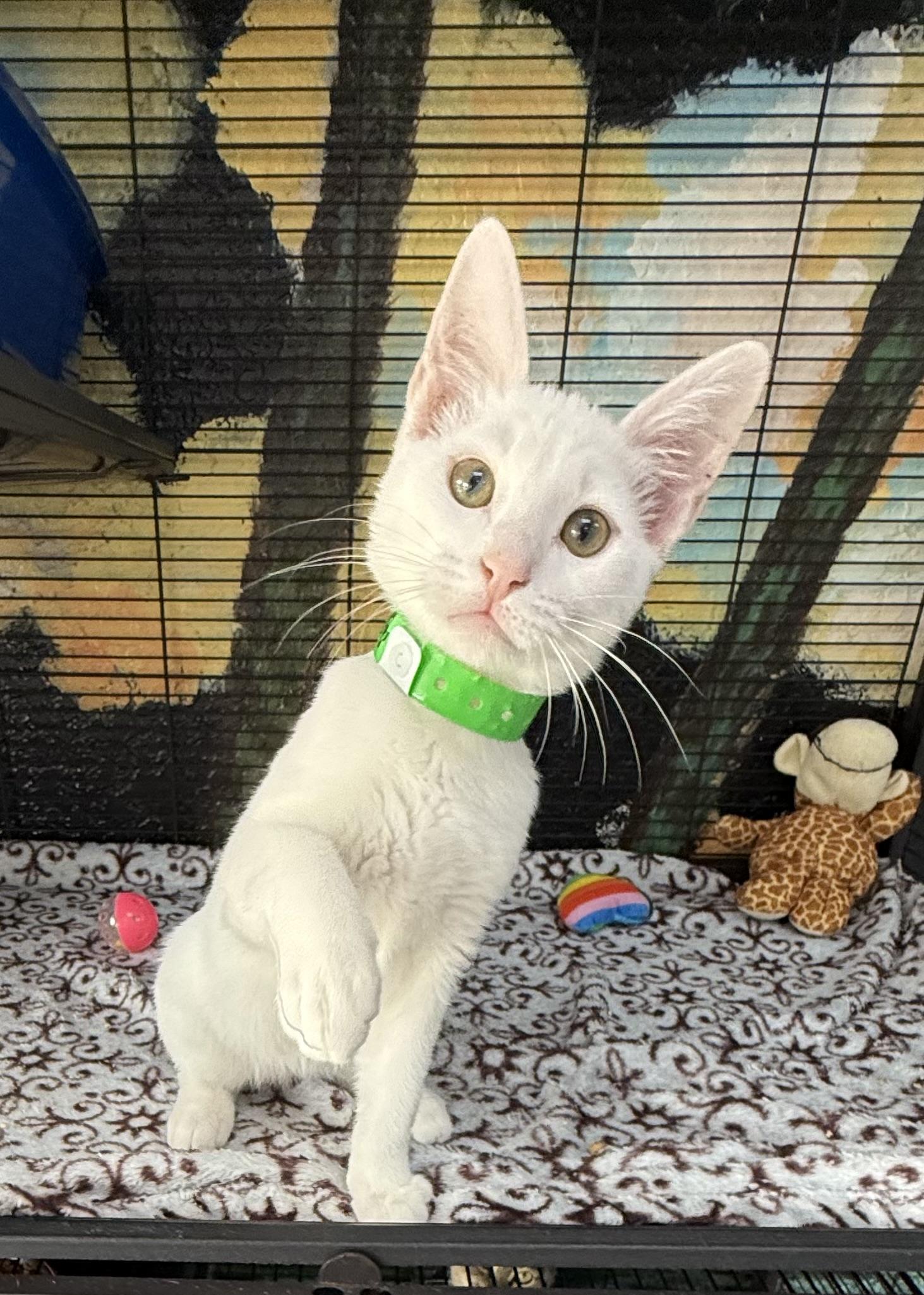
Credit: cats.com
Anatolian Cats
In Turkey, Anatolian cats are more than just pets; they are a living part of the country’s rich heritage. These cats roam freely through streets, markets, and homes, blending effortlessly into daily life. Their resilience and charm have made them beloved companions across generations.
Local Varieties
Anatolian cats come in a variety of appearances, reflecting the diverse regions they inhabit. You might spot a sleek, short-haired cat in the coastal areas or a fluffy, long-haired one in mountainous villages.
Common colors include tabby stripes, solid black, white, and calico patterns. Each variety has adapted unique traits suited to its local environment, making these cats fascinating subjects for anyone curious about natural selection in urban and rural settings.
Adaptation To Environment
These cats have developed impressive survival skills to thrive in Turkey’s varied climates. From harsh winters in eastern Anatolia to hot summers in the south, they adjust their behavior and coat thickness accordingly.
They’re skilled hunters, often catching rodents that threaten local homes and markets. You might notice their cautious yet curious nature, a trait that helps them avoid dangers while exploring their surroundings.
Role In Turkish Culture
Anatolian cats hold a special place in Turkish society, symbolizing independence and warmth. Many households welcome them indoors, treating them like family members rather than just strays.
Have you ever seen the famous street cats of Istanbul? These cats receive daily care from locals and tourists alike, showing how much they are cherished. Their presence invites a sense of community and kindness, encouraging you to reflect on your own relationship with animals around you.
Common Domestic Cats
Common domestic cats in Turkey are often a mix of various breeds. These cats adapt well to city life and rural areas. They show a wide range of colors and patterns. Many are friendly and easy to care for. They form a big part of Turkish street and home life.
Mixed Breeds In Urban Areas
Urban areas in Turkey have many mixed breed cats. These cats live near homes, markets, and parks. They are usually small to medium size. Their behavior is smart and curious. Mixed breeds are strong and healthy due to natural selection. They often have no specific pedigree but show many traits from local breeds.
Typical Coat Patterns
Common coat patterns in domestic cats include:
- Tabby: Striped or spotted fur in brown, gray, or orange shades
- Solid colors: Black, white, or gray coats
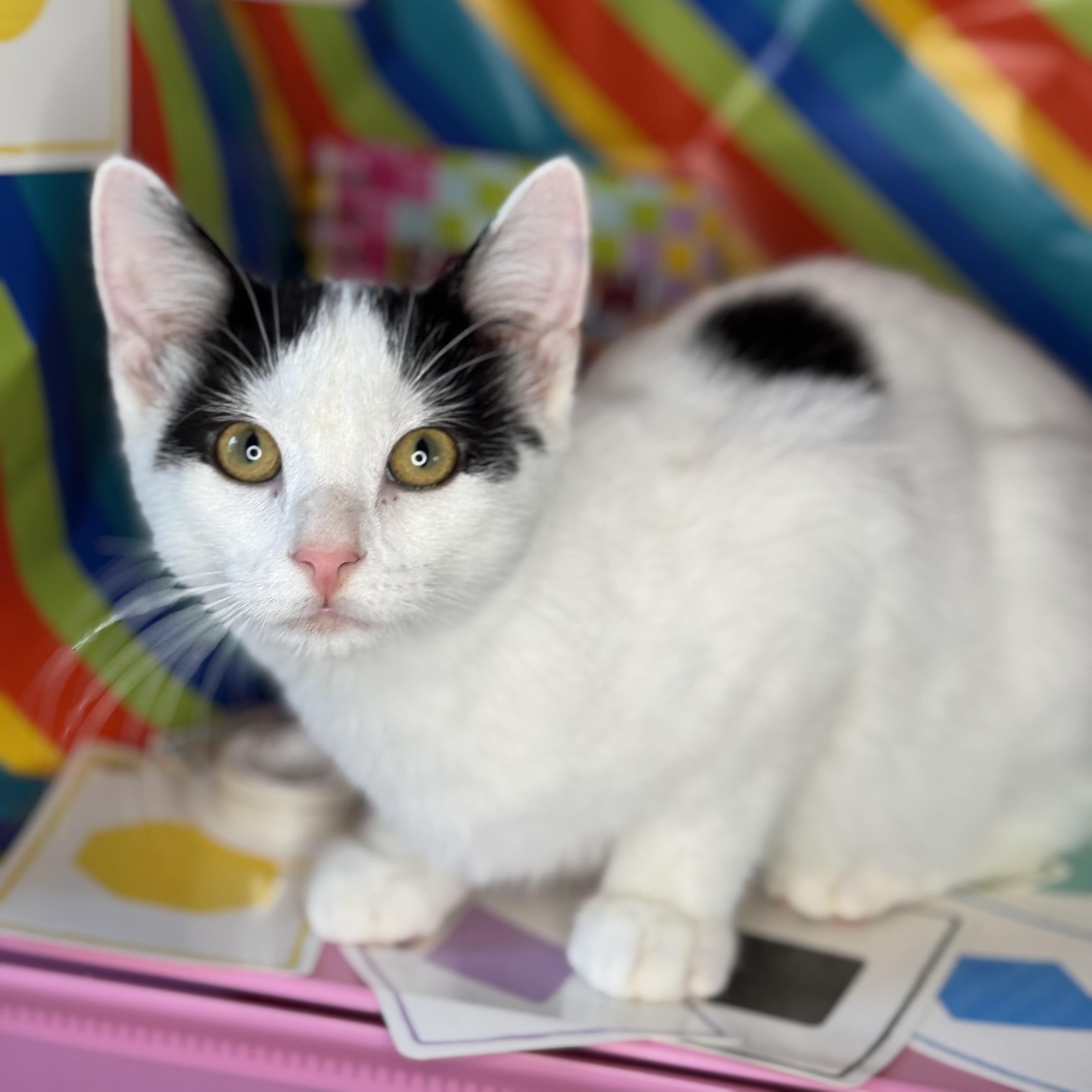
- Bi-color: Two-color mixes, often white combined with black or orange
- Tortoiseshell: A blend of black and orange patches
These patterns help cats blend into their environment. Coat colors often reflect the breed mix and genetics.
Care And Maintenance
Domestic cats in Turkey need basic care. Feeding them quality food keeps them healthy. Regular grooming helps reduce shedding and prevents matting. Vaccinations protect against common diseases. Many cats benefit from flea and tick control. Providing clean water and a safe shelter is important. Regular vet visits ensure early detection of health issues.
Credit: cats.com
Cat Ownership Trends In Turkey
Cat ownership in Turkey reflects a unique blend of cultural history and modern pet care trends. While many people cherish cats as companions, the ways they interact with these animals show distinct patterns shaped by tradition and evolving attitudes. Understanding these trends helps you appreciate how cats fit into Turkish life today.
Popularity Of Cats As Pets
Cats are among the most popular pets in Turkey, especially in urban areas like Istanbul and Ankara. You’ll notice cats freely roaming neighborhoods, often cared for by the community rather than a single owner. This communal approach to cat care is quite different from the typical Western model of pet ownership.
Many Turkish households keep cats indoors, but street cats remain a beloved part of daily life. Have you ever wondered why cats seem so comfortable wandering the streets here? It’s because they are seen as part of the neighborhood family.
Cultural Attitudes
Cats hold a special place in Turkish culture and folklore. They are often associated with good luck and are respected for their cleanliness, which aligns with Islamic teachings. This respect influences how people treat cats, both pets and strays alike.
In Turkey, feeding and looking after stray cats is common, and many businesses place water bowls outside for them. Does your community have similar practices that show kindness to animals in public spaces? This cultural attitude creates a harmonious relationship between people and cats.
Animal Welfare Practices
Animal welfare in Turkey has seen significant improvement, but challenges remain. Local NGOs and volunteers work hard to provide vaccinations and neutering services to street cats, reducing health risks and overpopulation. You can often spot clinics offering free or low-cost care for these animals.
Despite progress, some regions still struggle with stray animal welfare. If you’re visiting or living in Turkey, consider supporting local animal shelters or participating in community care programs. Your involvement can make a real difference in the lives of countless cats roaming Turkish streets.
Feline Health And Care In Turkey
Taking good care of cats in Turkey means understanding the local health environment and available resources. Whether you own a Turkish Van or a domestic shorthair, knowing where to find veterinary help and how to manage common health issues makes a big difference. Your cat’s well-being depends on practical steps you can take every day.
Veterinary Services Availability
Veterinary clinics are widely available in urban areas like Istanbul, Ankara, and Izmir. Many vets offer services in English, making it easier for expatriates and tourists to get help. However, in rural regions, access to specialized care might be limited, so it’s smart to locate a reliable clinic before adopting or traveling with a cat.
You can also find mobile vet services in larger cities, which come directly to your home. These services are convenient for routine check-ups or vaccinations, saving you time and stress.
Common Health Issues
Respiratory infections and parasites like fleas and ticks are common among cats in Turkey. Outdoor cats especially face risks from local wildlife and seasonal changes. Watch for signs like coughing, sneezing, or excessive scratching, and seek treatment promptly.
Some Turkish cat breeds, such as the Turkish Angora, may have genetic predispositions to certain health problems like hypertrophic cardiomyopathy (HCM). Regular vet screenings help catch these issues early before they become serious.
Nutrition And Diet
The diet you provide greatly affects your cat’s health. Many cat owners in Turkey rely on a mix of commercial pet food and fresh homemade meals. High-quality protein sources like chicken, fish, and lamb are popular choices.
Have you considered how seasonal ingredients can benefit your cat? For instance, fresh fish during summer months can provide essential omega-3 fatty acids. Avoid feeding your cat onions, garlic, or anything too spicy—these are common in Turkish cuisine but harmful to felines.
- Provide fresh water daily to keep your cat hydrated.
- Introduce new foods gradually to prevent stomach upset.
- Consult your vet to tailor a diet specific to your cat’s breed and health needs.
Credit: cats.fandom.com
Frequently Asked Questions
What Are The Most Common Cat Breeds In Turkey?
The most common cat breeds in Turkey include the Turkish Van, Turkish Angora, and domestic short-haired cats. These breeds are well-loved for their unique traits and adaptability to the local environment.
Why Is The Turkish Van Cat Famous?
The Turkish Van is famous for its distinctive white coat with colored markings on the head and tail. It is also known for its love of swimming, a rare trait among cats.
How Does The Turkish Angora Differ From Other Breeds?
The Turkish Angora is known for its silky, long fur and elegant body structure. It is highly intelligent, playful, and often has striking blue or odd-colored eyes.
Are Stray Cats In Turkey A Specific Breed?
Most stray cats in Turkey are mixed breeds, often with traits from native breeds like the Turkish Van and Angora. They adapt well to urban environments and are part of the country’s unique cat culture.
Conclusion
Turkey has a rich variety of cat breeds. Each breed shows unique traits and charm. Many cats live happily in Turkish homes and streets. These cats bring joy and comfort to people. Knowing about them helps us appreciate their beauty.
Cats remain an important part of Turkish culture. Their presence makes cities and villages lively. Everyone can enjoy the company of these friendly cats. Exploring Turkish cat breeds is a delightful experience. They truly reflect the country’s warmth and spirit.

Leave a Reply