Are you curious about which cat breeds can be your loyal companion for many years? If you want a furry friend who stays by your side longer, knowing the longest lived cat breeds is key.
Imagine enjoying more playful moments, quiet cuddles, and shared memories with a pet that has a strong chance of a long, healthy life. You’ll discover the cat breeds that tend to live the longest, helping you make a choice that benefits both you and your future feline friend.
Keep reading to find out which cats might just become your lifelong pals.
Traits Of Long-lived Cats
Long-lived cats share certain traits that help them live many years. These traits include their genes, what they eat, and where they live. Understanding these factors can help cat owners support their pets’ health and longevity.
Genetic Factors
Genes play a big role in how long a cat lives. Some breeds naturally live longer because of their DNA. Healthy genes can protect cats from diseases and slow aging. Breeds like Siamese and Burmese often have longer lifespans. Breeding practices also affect genetic health. Avoiding inbreeding helps reduce risks of inherited problems.
Diet And Nutrition
Good food is essential for a cat’s long life. Cats need balanced diets with proteins, fats, and vitamins. High-quality cat food supports strong muscles and a healthy immune system. Feeding cats the right amount helps prevent obesity and related diseases. Fresh water should always be available. Treats and human food can cause problems if given too often.
Living Environment
A safe and clean home helps cats live longer. Indoor cats often live longer than outdoor cats due to fewer risks. Outdoor dangers include traffic, predators, and diseases. Regular vet visits keep cats healthy. Stress-free environments improve well-being. Providing toys and places to climb keeps cats active and happy.

Credit: manilastandard.net
Siberian Cat
The Siberian cat stands out not just for its thick, beautiful coat but also for its impressive longevity. This breed has roots in the cold forests of Russia, which has helped shape a resilient and adaptable feline. If you’re considering a Siberian as a lifelong companion, understanding its lifespan and care needs is essential.
Lifespan Range
Siberian cats typically live between 11 to 15 years, but many have been known to reach 18 years or more with proper care. Their robust genetics contribute to their long life, making them one of the longest-lived cat breeds. Have you noticed how some cats just seem to defy age? Siberians often fall into that category.
Health And Care Tips
Keeping your Siberian healthy means regular vet visits and a balanced diet rich in protein to support their active nature. Their thick fur requires consistent grooming to prevent matting and skin issues, especially during shedding seasons. You can add interactive play sessions to keep them mentally and physically fit—this breed thrives on activity.
- Schedule yearly health screenings to catch common issues early.
- Brush their coat 2-3 times a week to avoid tangles.
- Provide a high-quality diet tailored to their age and health status.
- Watch for signs of hypertrophic cardiomyopathy (HCM), a heart condition seen in some Siberians.
Have you ever wondered how much your cat’s environment affects their lifespan? Siberians often do well in homes where they get plenty of attention and space to roam safely indoors. Your commitment to their well-being can add years to your furry friend’s life.
Burmese Cat
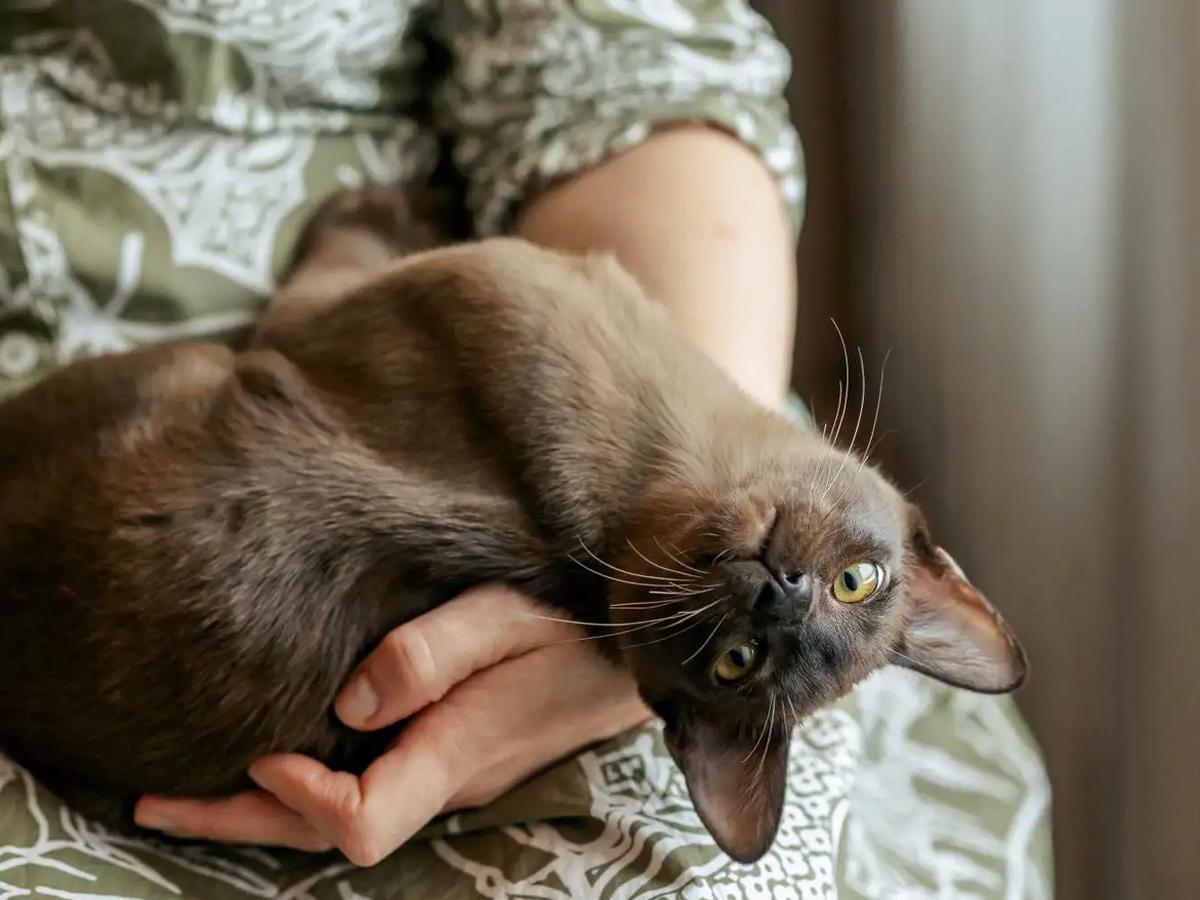
Burmese cats are known for their long lives, often reaching 15 to 20 years. These affectionate companions boast not only longevity but also vibrant personalities, making them beloved pets.
The Burmese cat is a captivating breed known for its silky coat and affectionate nature. If you’re considering adopting a feline friend with a long lifespan, the Burmese might be your perfect match. These cats are not only beautiful but also offer a long-term companionship experience.Average Lifespan
The Burmese cat is renowned for its impressive longevity. On average, these charming cats can live between 18 to 20 years, with some even reaching their early twenties. This extended lifespan offers you more years of joy and companionship than many other cat breeds.Common Health Issues
While the Burmese cat enjoys a long life, it is still susceptible to certain health issues. Some common concerns include dental problems and genetic conditions like hypokalemia, which affects muscle function. Regular veterinary check-ups and a balanced diet can help mitigate these health risks and ensure your Burmese cat remains healthy and happy.Siamese Cat
The Siamese cat is one of the most recognizable and beloved cat breeds worldwide. Known for their striking blue almond-shaped eyes and sleek, short coats, they have a captivating presence. But beyond their looks, Siamese cats are also noted for their impressive lifespan, often outliving many other breeds.
Longevity Insights
Siamese cats commonly live between 12 to 20 years, with some reaching even beyond 20 years in exceptional cases. Their long lifespan is partly due to their genetic makeup and generally robust health. However, regular vet check-ups are crucial to catch any potential issues early.
Diet plays a significant role in their longevity. Feeding your Siamese high-quality, protein-rich food supports their active lifestyle and keeps their immune system strong. You might find that Siamese cats who receive consistent dental care tend to avoid common age-related health problems.
Personality And Care
Siamese cats are known for being vocal and social. They thrive on interaction and can become depressed if left alone for long periods. If you work long hours, consider getting a companion pet to keep your Siamese engaged.
These cats are intelligent and curious, which means they need mental stimulation. Providing puzzle toys or interactive play sessions daily can prevent boredom and destructive behavior. Their short coat requires minimal grooming, but regular brushing helps reduce shedding and strengthens your bond.
Have you noticed how a Siamese cat’s personality can brighten your day? Their affectionate nature often leads to strong bonds with their owners, making them not just pets but true companions. This social aspect can contribute positively to their overall well-being and longevity.
Ragdoll Cat
The Ragdoll cat is famous for its calm nature and striking blue eyes. It has a soft, semi-long coat that feels plush to touch. Known as gentle giants, Ragdolls enjoy being held and often go limp in your arms. They adapt well to indoor living and bond deeply with their owners. Their friendly and relaxed personality makes them a popular choice for families and singles alike.
Typical Lifespan
Ragdoll cats usually live between 12 and 17 years. Some can live even longer with proper care. Their lifespan is above average compared to many other breeds. Good nutrition and regular vet visits help extend their life. This breed grows slowly and matures fully around three to four years old.
Health Considerations
Ragdolls are generally healthy but can face some breed-specific issues. Common concerns include:
- Hypertrophic cardiomyopathy (HCM), a heart condition
- Bladder stones and urinary tract problems
- Obesity due to low activity levels
Regular health check-ups and a balanced diet reduce risks. Exercise and playtime keep them fit and happy. Early detection of health problems improves outcomes greatly.
Credit: www.freemalaysiatoday.com
Russian Blue Cat
The Russian Blue cat is known for its striking silver-blue coat and vivid green eyes. This breed is gentle, intelligent, and very loyal to its family. Russian Blues are quiet and calm, making them perfect companions for a peaceful home. Their unique appearance and sweet nature have made them popular worldwide.
Expected Lifespan
Russian Blue cats often live between 15 and 20 years. Some can even reach 22 years with good care. Their strong genes and healthy lifestyle contribute to their long life. Regular vet visits help spot health issues early, increasing lifespan.
Care Recommendations
- Feed a balanced diet with high-quality cat food.
- Provide fresh water at all times.
- Brush their short coat weekly to reduce shedding.
- Keep their environment clean and safe.
- Play daily to keep them active and happy.
- Visit the vet for regular health checkups.
Savannah Cat
The Savannah Cat is a striking hybrid breed, created by crossing a domestic cat with the wild African serval. Known for its tall stature and spotted coat, this breed combines wild beauty with domestic charm. If you’re considering a Savannah, understanding its lifespan and care needs is crucial for a happy, healthy companion.
Longevity Facts
Savannah Cats typically live between 12 to 20 years, which is impressive for a breed with wild ancestry. Their longevity depends heavily on genetics, diet, and lifestyle. Owners who provide regular vet check-ups and a balanced diet often see their Savannahs thrive well into their late teens.
Interestingly, early generation Savannahs (F1 and F2) tend to have a slightly shorter lifespan than later generations due to their closer genetic ties to wild servals. Are you prepared to invest in the right care to help your Savannah reach its full lifespan potential?
Special Needs
Savannah Cats require more mental and physical stimulation than many other breeds. Their wild heritage means they are highly active, curious, and intelligent. Without enough play and enrichment, they can become bored and develop behavioral problems.
- Provide plenty of interactive toys and climbing spaces.
- Consider puzzle feeders to challenge their minds.
- Regular play sessions help burn off their energy.
Another unique need is their diet. They benefit from a high-protein, meat-rich diet that mimics what their wild ancestors ate. Have you thought about how you will meet their dietary and activity needs every day?
Manx Cat
The Manx cat is famous for its unique tailless appearance. This breed comes from the Isle of Man. Manx cats have a round face and strong legs. They are playful and loyal pets. Their unusual body shape makes them stand out. Many cat lovers admire their friendly nature and striking look.
Life Expectancy
Manx cats usually live between 12 and 14 years. Some can live even longer with good care. Their lifespan depends on genetics and lifestyle. A healthy diet and regular vet visits help them live longer. Keeping them active and safe indoors also adds to their years.
Breed-specific Health
Manx cats can have health issues related to their spine. This is because of their short or missing tail. Some suffer from Manx Syndrome, affecting their back and nerves. Symptoms can include difficulty walking and bowel problems. Early diagnosis and treatment improve their quality of life.
- Check for any signs of pain or weakness.
- Schedule regular vet check-ups.
- Provide gentle exercise and avoid rough play.
Despite these risks, many Manx cats live healthy, happy lives. Responsible breeding reduces the chance of health problems. Knowing their needs helps owners provide the best care.
Tips To Extend Your Cat’s Life
Extending your cat’s life takes more than luck; it requires mindful care and attention every day. Small changes in your routine can lead to years of added companionship with your furry friend. Let’s look at practical ways to keep your cat healthy and happy for as long as possible.
Regular Vet Visits
Scheduling regular check-ups with your vet is essential. These visits help catch health issues early, before they become serious. Even if your cat seems fine, routine exams can spot hidden problems like dental disease or kidney issues.
Vaccinations and parasite control are also key parts of these visits. Think about your last vet trip: Did you discuss your cat’s diet, weight, or behavior changes? Sharing these details helps your vet tailor care to your cat’s needs.
Balanced Diet
Your cat’s diet directly affects their longevity. Feeding high-quality food tailored to their age, weight, and health needs fuels their body properly. Avoid overfeeding, as obesity shortens lives and causes other health problems.
Try adding wet food to increase hydration, especially if your cat doesn’t drink much water. You might also want to consult your vet about supplements, like omega-3 fatty acids, which support joint and coat health.
Mental And Physical Stimulation
Keeping your cat’s mind and body active can prevent boredom and related stress. Playtime isn’t just fun; it encourages exercise and sharpens their instincts. Simple toys or puzzle feeders can engage their brain daily.
Have you noticed your cat’s reaction to new toys or games? Observing what excites them can help you provide personalized stimulation. Remember, a mentally and physically active cat is often a healthier cat.
Credit: www.freemalaysiatoday.com
Frequently Asked Questions
What Are The Oldest Cat Breeds Known For Longevity?
The oldest cat breeds include Siamese, Burmese, and Ragdoll. These breeds often live 15 to 20 years due to good genetics and care.
How Long Do Siamese Cats Typically Live?
Siamese cats usually live 15 to 20 years. Their long lifespan is due to strong genetics and a healthy lifestyle.
Do Indoor Cats Live Longer Than Outdoor Cats?
Yes, indoor cats generally live longer. They face fewer risks like accidents and diseases compared to outdoor cats.
What Factors Affect A Cat’s Lifespan The Most?
Diet, genetics, healthcare, and environment are key factors. Proper nutrition and regular vet visits greatly increase lifespan.
Conclusion
Knowing which cat breeds live longest helps you choose wisely. Cats like Siamese and Burmese often reach old age. Their long lives mean more happy moments with your pet. Remember, good care and love keep cats healthy. Every cat is special, no matter the breed.
Enjoy your furry friend’s company for many years. Choose a breed that fits your lifestyle and heart. A long life together starts with kindness and care.


Leave a Reply