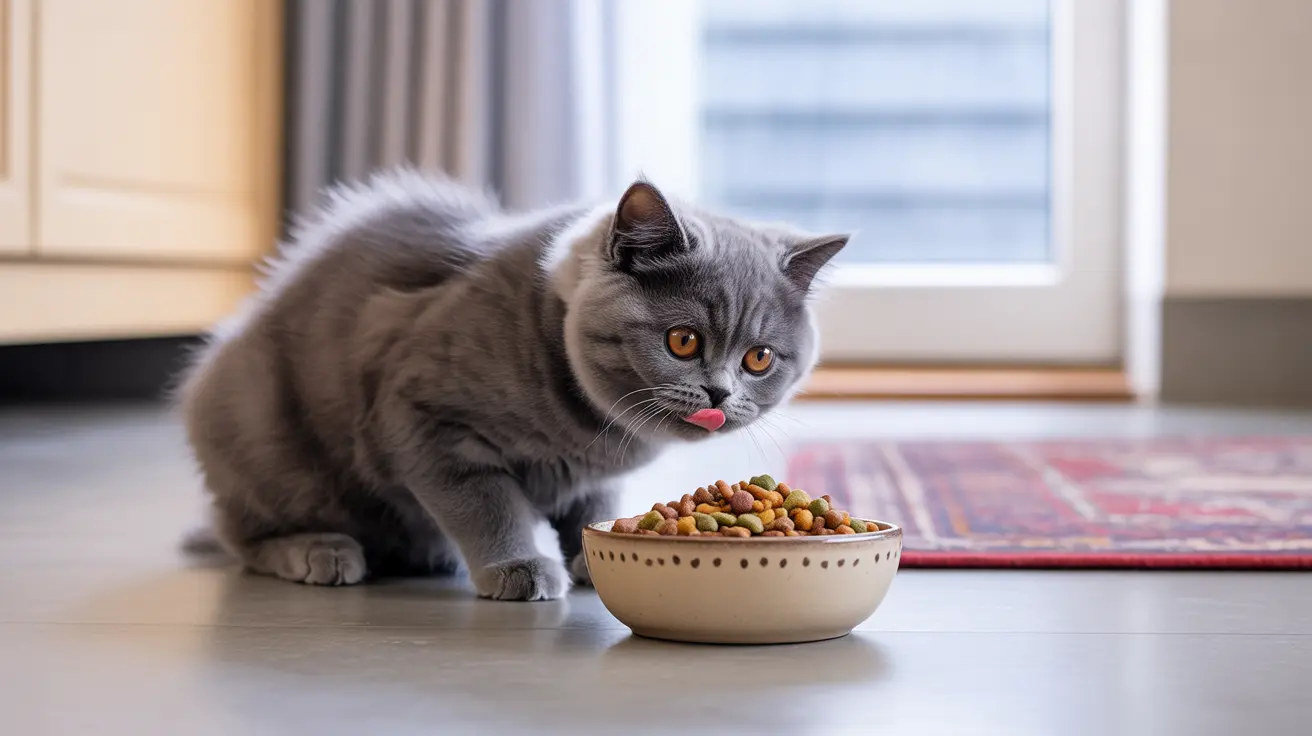
Are you wondering if it’s okay to feed your adult cat kitten food? You’re not alone.
Many cat owners ask this question because they want the best for their furry friends. Feeding the right food is crucial for your cat’s health and happiness. But what happens if you give your adult cat kitten food? Could it be harmful, or maybe even beneficial?
Keep reading to find out the surprising facts that could change how you care for your cat every day. Your cat’s well-being depends on what you feed them, so understanding this can make a big difference.
Nutritional Needs Of Adult Cats
Adult cats have specific nutritional needs that differ from kittens. Their bodies require a balanced diet to maintain health and energy. Feeding them the right food supports their muscles, organs, and overall well-being. Understanding these needs helps choose the best diet for adult cats.
Caloric Requirements
Adult cats need fewer calories than kittens. Kittens grow fast and use more energy, so they need more calories. Overfeeding adult cats can cause weight gain and health problems. The right calorie amount keeps them active and healthy without gaining too much weight.
Protein And Fat Balance
Protein is crucial for adult cats to keep muscles strong. Fat provides energy and helps absorb vitamins. Adult cat food usually has less protein and fat than kitten food. This balance matches their slower growth and lower energy needs. Too much protein or fat can harm adult cats.
Essential Vitamins And Minerals
Adult cats need vitamins and minerals for strong bones and good health. Important nutrients include taurine, vitamin A, calcium, and phosphorus. Kitten food may have higher levels of these nutrients to support growth. Adult cat food has the right amounts to maintain health without overloading their system.
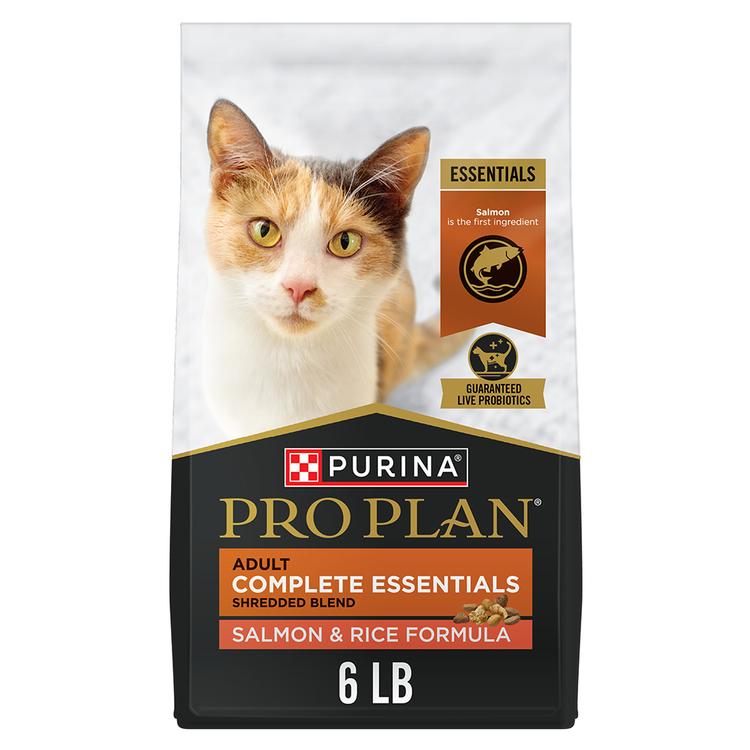
Credit: www.purina.com
Kitten Food Composition
Kitten food is specially made to support the fast growth and high energy needs of young cats. Its composition is different from adult cat food, focusing on nutrients that help kittens develop strong bones, muscles, and a healthy immune system. Understanding these differences helps decide if feeding kitten food to adult cats is suitable.
Higher Calorie Content
Kitten food contains more calories per serving than adult cat food. Growing kittens need extra energy for active play and development. Adult cats usually require fewer calories because their activity level and growth slow down. Feeding kitten food to adults may lead to weight gain due to this higher calorie content.
Increased Protein Levels
Protein is essential for building muscles and repairing tissues. Kitten food has more protein than adult cat food to support rapid growth. The protein in kitten food is often higher quality, making it easier for kittens to absorb. Adult cats do not need such high protein levels unless they have special health needs.
Additional Nutrients For Growth
Kitten food includes extra vitamins and minerals that help with brain development and strong bones. Nutrients like DHA, calcium, and phosphorus appear in higher amounts in kitten food. These nutrients support the fast changes happening in a kitten’s body. Adult cat food focuses more on maintaining health rather than growth.
Potential Benefits Of Kitten Food For Adults
Feeding adult cats kitten food can offer some unexpected advantages. While kitten food is specially formulated for growing kittens, it can sometimes benefit adult cats too. Understanding these potential benefits helps in making an informed decision.
Weight Gain Support
Kitten food contains more calories than regular adult cat food. This high-calorie content can help underweight adult cats gain weight. It’s dense in nutrients, providing essential nourishment for cats needing extra energy.
Energy Boost
Adult cats needing an energy boost may benefit from kitten food. Its higher protein content supports increased energy levels. Active adult cats might enjoy and benefit from this energy surge.
Recovery From Illness
Kitten food can aid in recovery for adult cats after illness. The rich nutrients help rebuild strength and vitality. It provides essential vitamins and minerals needed during recovery periods.
Risks Of Feeding Adult Cats Kitten Food
Feeding adult cats kitten food may seem harmless, but it carries several risks. Kitten food is specially made to support rapid growth and high energy needs. This difference can cause problems when adult cats eat it regularly. Understanding these risks helps keep your cat healthy and happy.
Obesity Concerns
Kitten food contains more calories than adult cat food. Adult cats do not need this extra energy. Eating kitten food daily can lead to weight gain. Obesity increases the chance of diabetes and joint problems. Maintaining a healthy weight is vital for your cat’s wellbeing.
Nutrient Imbalance
Kitten food has higher protein and fat levels. Adult cats need balanced nutrition, not excess nutrients. Too much protein or fat can stress the kidneys and liver. This imbalance may cause digestive issues and discomfort. Proper adult cat food supports steady health and energy.
Long-term Health Effects
Continuous feeding of kitten food may harm your cat’s health. Excess calories and nutrients increase the risk of chronic diseases. Kidney strain and heart issues can develop over time. Feeding age-appropriate food supports longevity and quality of life. Choose the right diet for your cat’s stage.
When To Consider Kitten Food For Adults
Kitten food is designed to support growth and high energy needs. Adult cats usually do well on adult cat food. Still, some adults may need kitten food for extra nutrients. Understanding when to consider this option helps keep cats healthy and happy.
Underweight Cats
Underweight cats need more calories and nutrients to gain weight. Kitten food contains extra protein and fat. It helps cats build muscle and increase energy. Feeding kitten food can support recovery in thin adult cats.
Pregnant Or Nursing Cats
Pregnant or nursing cats have higher nutritional demands. Kitten food meets these needs with added vitamins and minerals. It supports both the mother and her kittens. Feeding kitten food during this time can improve health and growth.
High Activity Levels
Active adult cats burn more calories daily. Kitten food provides extra energy from fats and proteins. It helps maintain their weight and stamina. Highly active cats may benefit from kitten food to stay strong.
Credit: www.whiskas.co.uk
Veterinarian Recommendations
Veterinarians often provide the best guidance when deciding if you should feed your adult cat kitten food. Their recommendations are based on your cat’s specific health, age, and dietary needs. Ignoring professional advice can lead to nutritional imbalances or health issues over time.
Tailored Diet Plans
Your cat’s diet should fit their unique needs, not just their age. Vets create tailored diet plans that consider factors like weight, activity level, and any medical conditions. For example, a cat with kidney issues might need a different nutrient balance than a healthy adult cat.
Rather than guessing, ask your vet to recommend food that supports your cat’s lifestyle. Sometimes kitten food is too rich in calories and nutrients for an adult cat, which can cause weight gain or digestive upset. A tailored plan helps avoid these problems.
Monitoring And Adjustments
Feeding your cat isn’t a set-it-and-forget-it deal. Vets stress the importance of regular check-ups to monitor your cat’s health and adjust their diet as needed. You might start with kitten food temporarily, but your vet can guide when and how to transition to adult food.
Keep an eye on your cat’s weight, coat condition, and energy levels. If you notice changes, don’t wait—consult your vet. They can help tweak your cat’s diet to keep them thriving.
Alternative Nutrition Options
Veterinarians know that not all cats thrive on standard adult or kitten foods. They might suggest alternative options like prescription diets, raw food, or homemade meals. These alternatives can address specific health concerns or preferences.
Discuss these options with your vet if you’re curious or if your cat has special dietary needs. They can guide you on how to balance nutrients and avoid common pitfalls like vitamin deficiencies. Your vet’s input ensures your cat gets the best nutrition possible.
Transitioning Between Food Types
Switching your cat from kitten food to adult cat food isn’t just about swapping bowls. It’s a delicate process that demands patience and attention. How you manage this transition can affect your cat’s health and eating habits long-term.
Gradual Introduction
Start by mixing a small portion of adult cat food into your cat’s regular kitten food. Over the course of 7 to 10 days, increase the amount of adult food while decreasing the kitten food. This slow change helps your cat’s digestive system adjust without causing upset stomach or refusal to eat.
Try offering the new mix at different times of the day to see if your cat prefers morning or evening meals with the new food. This can give you clues about their comfort level with the change.
Observing Reactions
Watch your cat closely during the transition. Are they eating less or showing signs of digestive discomfort like vomiting or diarrhea? These could be signs the new food isn’t agreeing with them yet.
It’s important to note changes in energy levels or coat condition as well—these are subtle but key indicators of how well your cat is adapting. If you notice any concerning symptoms, slowing the transition or consulting your vet is a wise move.
Maintaining Balanced Diet
Kitten food is richer in calories and nutrients to support growth, but adult cats have different needs. Feeding only kitten food to an adult cat can lead to weight gain and nutritional imbalances over time. Make sure the adult food you choose provides the right balance of protein, fats, and vitamins for your cat’s age and lifestyle.
Consider your cat’s activity level and health status when selecting their food. Sometimes a vet-recommended formula is best to maintain optimal health after the switch. Remember, a balanced diet keeps your cat happy and thriving beyond just the flavor of the food.
Credit: www.perfect-fit.co.uk
Frequently Asked Questions
Can Adult Cats Eat Kitten Food Safely?
Adult cats can eat kitten food occasionally, but it’s not ideal long-term. Kitten food is richer in calories and nutrients, which might cause weight gain in adult cats.
What Are The Differences Between Kitten And Adult Cat Food?
Kitten food has more calories, protein, and fat to support growth. Adult cat food is balanced for maintenance, with fewer calories to prevent obesity.
Will Feeding Kitten Food Harm My Adult Cat?
Feeding kitten food regularly to adult cats can lead to obesity and digestive issues. It’s best to provide food formulated for adult cats to ensure health.
Can Kitten Food Improve My Adult Cat’s Energy?
Kitten food’s higher nutrient content may boost energy temporarily. However, adult cats need a balanced diet for sustained health, so adult cat food is better.
Conclusion
Feeding adult cats kitten food is not ideal for their health. Kitten food has extra nutrients that adult cats do not need. This can cause weight gain and other problems. Adult cats need balanced meals made for their age. Always check with a vet before changing your cat’s diet.
Keeping your cat healthy means choosing the right food. A proper diet helps your cat live a happy life. Remember, good nutrition matters at every stage of your cat’s life. Choose wisely for your furry friend’s well-being.



Leave a Reply