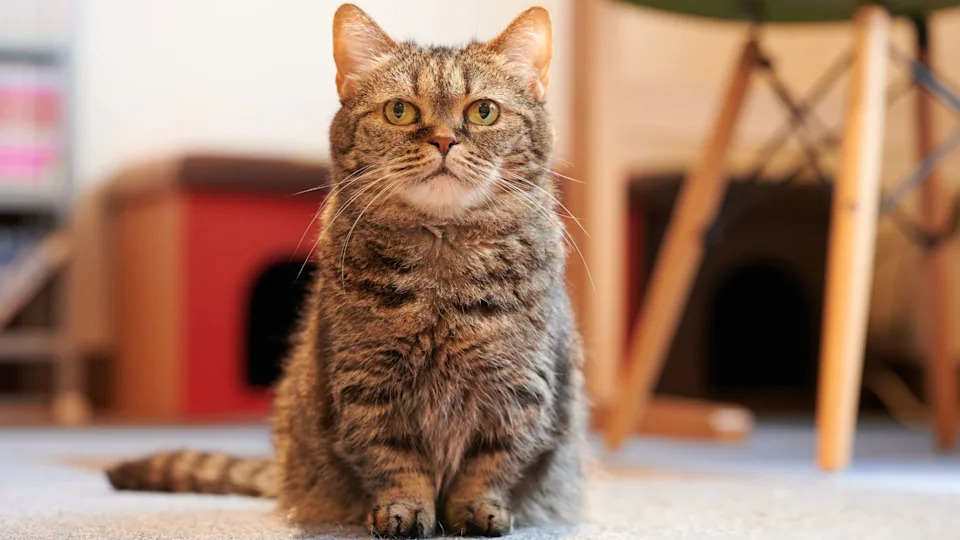
Have you ever wondered if breeding Munchkin cats is truly kind or if it crosses a line into cruelty? You might be drawn to their adorable short legs and playful nature, but there’s more to these cats than meets the eye.
Before you decide to bring one into your home or support breeders, it’s important to understand the full story. This article will help you see both sides clearly, so you can make an informed choice that respects the well-being of these unique pets.
Keep reading to discover what you need to know about Munchkin cat breeding and why it matters to you.

Credit: petcareshed.com.au
Munchkin Cat Origins
The origins of the Munchkin cat are as unique as its appearance. This breed is famous for its very short legs and playful nature. Understanding where the Munchkin cat comes from helps us explore the debate about its breeding ethics. The story begins with a natural genetic change that caught the attention of cat lovers worldwide.
History Of The Breed
The Munchkin cat first appeared in the early 1990s. A cat named “Munchkin” was discovered in Louisiana with unusually short legs. This cat’s unique look sparked interest among breeders. They began breeding to keep this trait. Over time, the breed gained popularity for its small legs and lively personality. Today, Munchkin cats are recognized by many cat associations. Their history is short but full of fascination and debate.
Genetic Mutation Behind Short Legs
The short legs of Munchkin cats are caused by a genetic mutation. This mutation affects the bones of the legs, making them shorter than usual. It is a form of dwarfism called achondroplasia. This gene is dominant, so only one parent needs to carry it for kittens to have short legs. The mutation does not affect other parts of the body. Scientists study this mutation to understand its impact on cat health and mobility.
Physical Traits And Health
Understanding the physical traits and health of Munchkin cats is essential if you’re considering adding one to your family. These cats are famous for their short legs, but their unique appearance can sometimes lead to health concerns. Knowing what to expect helps you provide better care and make informed choices about breeding ethics.
Common Physical Characteristics
Munchkin cats stand out because of their notably short legs, caused by a genetic mutation. Their bodies are otherwise well-proportioned, with a playful and energetic nature that surprises many first-time owners.
Besides their legs, Munchkins have:
- A medium-sized body
- A smooth, soft coat that comes in many colors and patterns
- Bright, expressive eyes
These traits give them a charming, kitten-like appearance throughout their lives. But have you ever wondered if these physical traits come at a cost to their well-being?
Potential Health Issues
The short legs of Munchkin cats are caused by a form of dwarfism called achondroplasia. This can sometimes lead to joint problems and spinal issues, such as lordosis or pectus excavatum.
While many Munchkins live healthy lives, some may experience:
- Arthritis at a younger age due to abnormal bone structure
- Reduced mobility or difficulty jumping
- Back pain or discomfort from spinal abnormalities
These risks raise important questions: Is it fair to breed cats with traits that might cause discomfort or health problems? If you already have a Munchkin, watching them play and jump despite their short legs can be inspiring, but it’s wise to monitor for any signs of pain or stiffness.
Caring for a Munchkin means being vigilant about their physical health and offering supportive environments to reduce strain on their legs and spine. Would you be comfortable with the responsibility of managing potential health challenges tied to their unique build?
Ethical Concerns In Breeding
Munchkin cats have become popular for their short legs and playful nature. But breeding them raises ethical concerns. Many worry about the health and quality of life for these cats. Breeding practices often focus on appearance over well-being. This can lead to pain and health issues for the cats.
Arguments Against Breeding
Critics argue that breeding munchkin cats is unfair to the animals. These cats can suffer from spinal and leg problems. Some say breeding them for short legs is cruel. It prioritizes human desires over animal welfare.
Breeder Responsibilities
Breeders must ensure the cats’ health and happiness. They should follow ethical breeding practices. This means regular health checks and careful selection of parent cats. Breeders should avoid breeding cats with health issues. This helps prevent passing problems to future generations.
Myths About Munchkin Cats
Munchkin cats often face many myths. These myths create confusion about their health and behavior. Many people assume these cats suffer because of their short legs. Others think their personality is different from other cats. Understanding these myths helps clear up wrong ideas. It also shows the true nature of Munchkin cats.
Debunking Health Myths
Many believe Munchkin cats have serious health problems. This idea is mostly about their short legs. Some say they have spine issues or arthritis. But studies show most Munchkin cats live healthy lives. Like any cat, they need regular vet care. Short legs do not mean automatic health problems. Responsible breeders check for genetic issues. They ensure kittens are healthy before adoption. Munchkin cats can be as active and playful as others.
Behavioral Misconceptions
People often think Munchkin cats behave oddly. Some say they are less agile or less playful. These ideas are not true. Munchkin cats are curious and lively. They love to jump and explore. Their short legs do not stop them from playing. Many owners report friendly and loving pets. Munchkin cats often have strong bonds with their families. Their behavior is similar to other cat breeds.
Welfare And Quality Of Life
The welfare and quality of life of Munchkin cats raise important questions. Their short legs result from a genetic mutation. This affects their movement and daily comfort. Understanding their living conditions and health needs helps assess if breeding them is kind or cruel.
Living Conditions And Adaptations
Munchkin cats need spaces that suit their body shape. Their short legs limit jumping and climbing ability. They enjoy lower platforms and ramps for easy access.
- Soft bedding to protect joints
- Non-slippery floors to prevent falls
- Easy-to-reach litter boxes and food bowls
Without these adjustments, they may struggle or get hurt. Owners must create a safe environment to support their unique needs.
Veterinary Care Needs
Munchkin cats require regular veterinary check-ups. Their bone structure can lead to spinal and joint problems. Early detection of issues improves their quality of life.
- Monitoring for arthritis or bone pain
- Proper diet to maintain healthy weight
- Exercise tailored to avoid stress on legs
Ignoring these needs can cause suffering. Responsible care is essential to keep Munchkins healthy and comfortable.

Credit: www.petbook-magazine.com
Alternatives To Munchkin Breeding
Choosing alternatives to Munchkin cat breeding helps protect cat health and welfare. Breeding these cats often raises concerns about genetic issues and physical problems. Caring pet lovers seek better ways to enjoy feline companionship without encouraging harmful breeding practices.
Exploring adoption and supporting ethical breeders can offer safe, loving options. These choices promote the well-being of cats and reduce the demand for risky breeding. Understanding these alternatives helps make responsible decisions for cats and their future.
Adoption Considerations
Adopting a cat gives a home to an animal in need. Shelters and rescues often have cats of various breeds and mixes.
- Many cats need loving families regardless of breed.
- Adoption fees usually include vaccinations and spaying/neutering.
- Adopted cats may already be socialized and healthy.
- Choosing adoption helps reduce pet overpopulation.
Adoption offers a chance to save a life and enjoy a loyal companion without supporting harmful breeding practices.
Supporting Ethical Breeders
Ethical breeders prioritize the health and welfare of cats. They avoid breeding cats with known genetic problems. These breeders focus on temperament, health, and responsible care.
- They perform health checks before breeding.
- Provide detailed information about the cat’s background.
- Ensure kittens go to loving, prepared homes.
- Follow breed standards that promote well-being.
Supporting ethical breeders helps maintain breed health without encouraging harmful traits. It ensures cats live happy, healthy lives.

Credit: www.yahoo.com
Frequently Asked Questions
Is Munchkin Cat Breeding Ethically Questionable?
Breeding Munchkin cats raises ethical concerns due to their short legs. These physical traits may cause mobility issues and health problems, making some consider it cruel. Responsible breeders prioritize the cats’ health and avoid breeding that worsens genetic defects.
Do Munchkin Cats Suffer Health Problems From Breeding?
Yes, Munchkin cats can face health issues like spinal problems and arthritis. Their short legs may cause joint stress and mobility limitations. Ethical breeding practices aim to minimize these risks through careful selection and health screening.
How Can Breeders Ensure Humane Munchkin Cat Breeding?
Humane breeding involves prioritizing health, avoiding extreme traits, and regular veterinary checks. Breeders should focus on genetic diversity and avoid producing cats with severe physical deformities. Transparency and responsible practices reduce cruelty concerns.
Are Munchkin Cats’ Mobility Issues A Sign Of Cruelty?
Mobility challenges can result from their unique body structure. However, not all Munchkin cats suffer severely. Proper care, exercise, and veterinary support can help maintain their quality of life, reducing the cruelty argument.
Conclusion
Breeding Munchkin cats raises important questions about animal welfare. Their unique short legs can lead to health problems. Responsible breeders must prioritize the cat’s well-being above all. Understanding the risks helps owners make smart choices. Loving and caring for any cat matters most.
Think carefully before supporting or breeding Munchkin cats. Every pet deserves a happy and healthy life.

Leave a Reply