Potty training an outdoor cat might sound tricky, but it’s easier than you think. If you want to keep your yard clean and your cat happy, this guide is for you.
Imagine your cat using a specific spot every time, saving you from unexpected messes and making outdoor time stress-free. You’ll learn simple steps that work, no matter your cat’s age or personality. Ready to make outdoor potty training part of your routine?
Let’s dive in and get started!
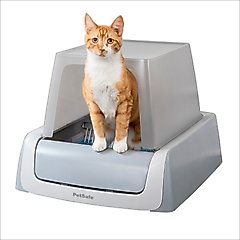
Credit: www.chewy.com
Choosing The Right Outdoor Spot
Choosing the right outdoor spot is key for potty training your cat. The location should feel natural and safe. This makes your cat comfortable and willing to use the spot regularly.
Finding A Quiet Location
Pick a place away from loud noises and heavy foot traffic. Cats dislike busy areas. A quiet spot helps your cat relax and focus on the task. Watch your cat’s behavior to find where it likes to hide or rest outdoors.
Ensuring Privacy And Safety
Privacy is important for cats during potty time. Choose a spot shielded by plants, fences, or garden features. Avoid places near busy roads or where other animals roam freely. Safety lowers stress and encourages regular use.
Considering Weather Conditions
Check the spot in different weather conditions. It should drain well to avoid puddles or mud. Shade is good for hot days. Protection from strong wind and rain helps keep the area inviting year-round.
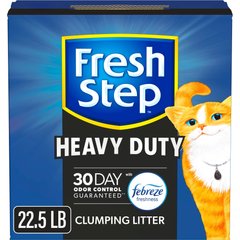
Credit: www.petmd.com
Preparing The Outdoor Litter Area
Setting up an outdoor litter area is a key step in potty training your outdoor cat. It helps your cat understand where to go and makes the transition smoother for both of you. A well-prepared space encourages good habits and keeps your yard clean.
Selecting Suitable Materials
Choose materials that can withstand weather changes and are safe for your cat. A durable plastic or wooden box works well as a base. Avoid metal containers since they can get too hot or cold and may scare your cat.
Use natural litter like sand, soil, or wood pellets that mimic the outdoors. These materials feel familiar to your cat and encourage them to use the area consistently. Have you noticed how your cat prefers digging in soft soil? That’s a clue to pick similar textures for the litter area.
Creating A Comfortable Space
Location matters. Pick a quiet, sheltered spot away from busy paths and loud noises. Cats like privacy when doing their business, so a corner near bushes or a fence works great.
Make sure the area is shaded and dry to keep your cat comfortable year-round. Adding some flat stones or a small platform next to the litter box can help your cat step in easily, especially if the ground gets muddy or wet.
Maintaining Cleanliness
Keep the litter area clean by scooping out waste daily. This prevents odors and keeps your cat interested in using the spot. Cats avoid dirty places, so regular cleaning is essential.
Rinse the base with mild soap and water weekly, and replace the litter completely every couple of weeks. You might find that a consistent cleaning routine helps your cat stick to the outdoor potty spot without confusion or accidents elsewhere.
Training Techniques For Outdoor Cats
Training outdoor cats to use a designated potty area requires patience. These cats are used to roaming freely. They might not immediately adapt to a specific spot. Employing effective techniques can ease this transition. Let’s explore some methods to train outdoor cats.
Using Positive Reinforcement
Reward your cat for using the designated potty area. This encourages them to repeat the behavior. Use treats or affection as rewards. Positive reinforcement makes learning enjoyable for your cat. It strengthens the desired behavior effectively. Be consistent with rewards for the best results.
Establishing A Routine
Set regular times for your cat to visit the litter area. Cats thrive on routine. It helps them anticipate their potty breaks. Take your cat to the designated spot after meals. This habit builds a predictable schedule for them. Consistency is key to establishing this routine.
Introducing The Outdoor Litter Area Gradually
Start by placing the litter box near the cat’s usual spot. Gradually move it to the desired location. This allows the cat to adjust slowly. A sudden change can confuse them. Monitor your cat’s behavior during this transition. Adjust the pace based on their comfort level.
Handling Challenges And Setbacks
Potty training an outdoor cat can be rewarding, but it’s not without its hurdles. You might face moments when your cat resists the new routine or unexpected challenges disrupt progress. Handling these setbacks with patience and practical strategies will keep you moving forward and help your cat adjust smoothly.
Dealing With Reluctance
Some cats hesitate to use the outdoor potty spot at first. They may prefer their usual hiding places or feel unsure about a new area. Watch your cat’s behavior closely—are they avoiding the spot or just taking longer to adjust?
To ease reluctance, try spending time near the potty area with your cat. Bring treats or toys to create positive associations. You can also gently guide them to the spot after meals or naps when they’re likely to need it.
Have you noticed your cat’s favorite spots? Consider placing the potty area nearby to reduce confusion. Remember, patience is key—forcing your cat can make them more resistant.
Preventing Unwanted Marking
Outdoor cats sometimes mark territory outside the designated potty area. This can be frustrating, especially if you’re trying to maintain a clean yard. Understanding why your cat marks can help you prevent it effectively.
Stress and changes in the environment often trigger marking behavior. Keep the potty spot consistent and limit access to areas where your cat tends to spray. Using natural deterrents like citrus peels or commercial sprays can discourage unwanted marking.
Also, make sure your cat feels secure. A sudden new animal in the neighborhood or loud noises might cause anxiety. How can you create a calm, safe space that reduces the urge to mark?
Addressing Weather-related Issues
Outdoor potty training means dealing with unpredictable weather. Rain, snow, or extreme heat can make the spot uncomfortable for your cat. Have you noticed your cat avoiding the potty area during bad weather?
Provide shelter like a small covered box or a canopy over the potty area. This protects your cat and keeps the spot usable year-round. You might also need to clear snow or debris regularly to maintain access.
If weather conditions make outdoor potty use impossible, consider a backup plan inside. A portable litter box near the door can help during harsh weather, preventing accidents and keeping your training on track.
Tips For Long-term Success
Keeping your outdoor cat consistently using the potty area takes ongoing effort. Success doesn’t stop once your cat gets the hang of it. Maintaining good habits and adapting to changes can make all the difference in the long run.
Regular Cleaning And Maintenance
Clean the potty area often to keep it inviting and odor-free. Cats dislike dirty spots and may avoid returning if waste builds up. Use mild, pet-safe cleaners to avoid irritating your cat’s sensitive nose.
Replace the litter or substrate regularly to keep the area fresh. This simple routine encourages your cat to keep using the same spot and helps prevent accidents elsewhere.
Monitoring Cat Behavior
Watch your cat’s habits closely, especially after changes in weather or environment. Is your cat still using the outdoor potty area reliably? If you notice hesitation or accidents, it might signal discomfort or health issues.
Stay attentive to your cat’s signals. Sometimes, stress or illness can disrupt potty habits. Catching these signs early can save you from bigger problems down the road.
Adjusting The Setup As Needed
Your cat’s preferences may change over time. Be ready to tweak the potty location, substrate type, or shelter around it. Adding shade or a windbreak can make the spot more comfortable in extreme weather.
Try different textures if your cat seems reluctant. Some cats prefer sand over gravel or soil. Small changes can keep your cat happy and encourage consistent use.

Credit: www.reddit.com
Frequently Asked Questions
How Long Does Outdoor Cat Potty Training Take?
Potty training an outdoor cat usually takes 2 to 4 weeks. Consistency and patience speed up the process. Gradually guide your cat to use a designated outdoor spot. Positive reinforcement helps your cat learn faster and more reliably.
What Supplies Do I Need For Outdoor Cat Potty Training?
You need a shallow litter box, outdoor-friendly litter, and a designated potty spot. Use natural, non-toxic litter safe for outdoor use. Also, consider a small shovel to clean the spot regularly. Consistent setup encourages your cat to use the area.
Can Outdoor Cats Be Trained To Use A Litter Box?
Yes, outdoor cats can learn to use a litter box. Place the box in a quiet, accessible outdoor area. Keep it clean and introduce your cat gradually. Reward them when they use it correctly to reinforce good behavior.
How To Prevent Outdoor Cats From Digging Everywhere?
Provide a specific digging area with soft soil or litter. Train your cat to use this spot by placing their litter box nearby. Use positive reinforcement when they dig there, and gently discourage digging in unwanted areas.
Conclusion
Potty training an outdoor cat takes time and patience. Start with a clean, quiet spot for their bathroom. Keep a consistent routine to help your cat learn. Reward good behavior with gentle praise or treats. Stay calm if accidents happen; cats learn slowly.
Soon, your cat will use the designated spot every time. This helps keep your yard clean and your cat happy. Small steps lead to big success in training. Keep trying, and your outdoor cat will adapt well.




Leave a Reply