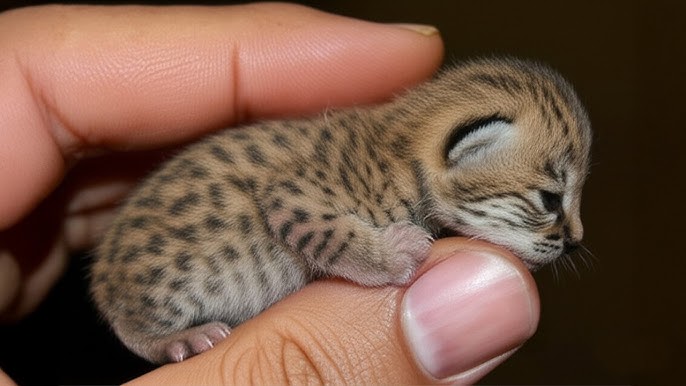
Potty training a Savannah cat might seem tricky, but with the right approach, you can make it simple and stress-free for both you and your pet. If you want your Savannah to use the litter box consistently, you need clear steps that work with their unique nature.
In this guide, you’ll discover easy tips and proven methods to help your cat develop good bathroom habits quickly. Keep reading, and you’ll soon enjoy a cleaner home and a happier, well-trained Savannah cat.
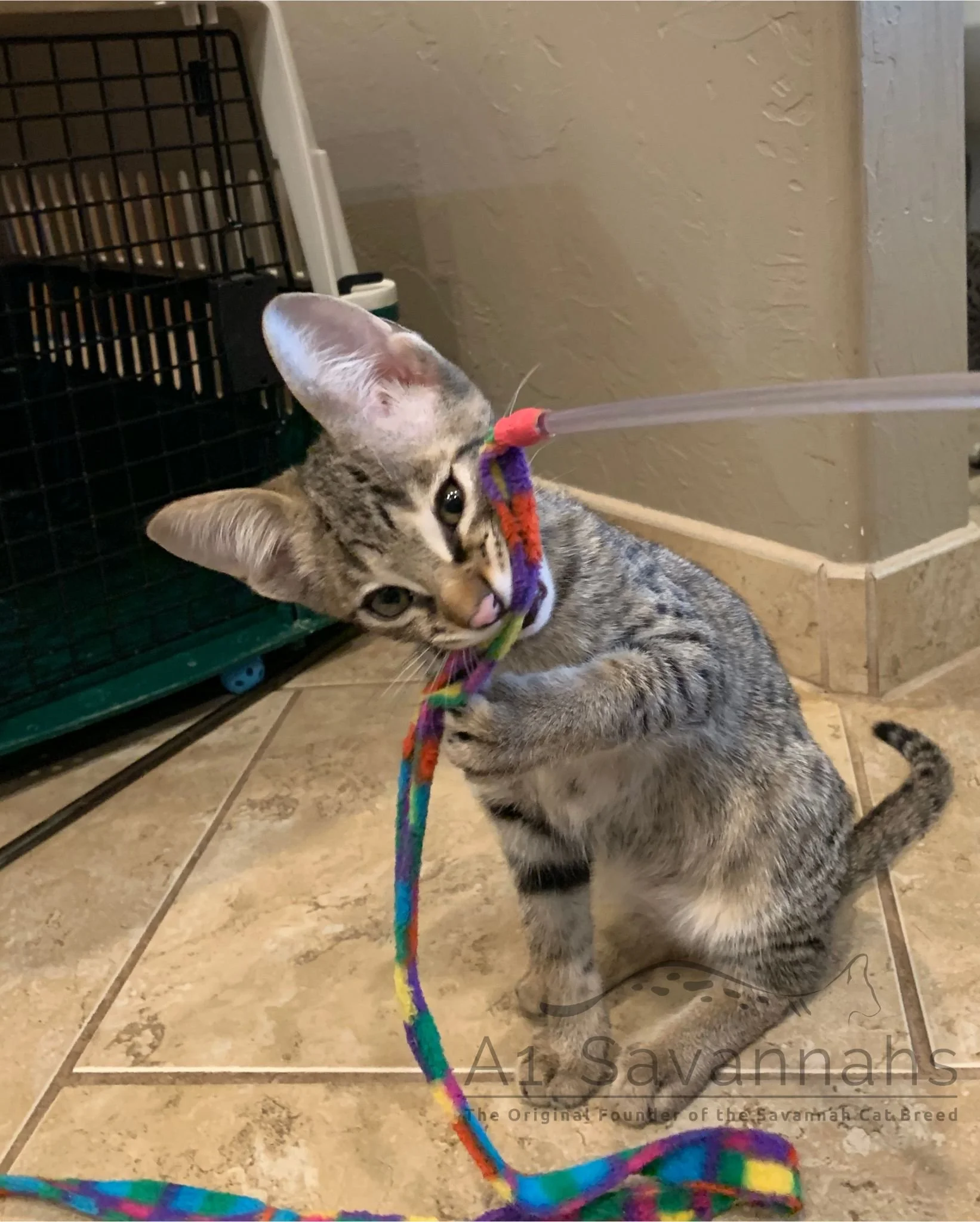
Credit: www.a1savannahs.com
Choosing The Right Litter Box
Choosing the right litter box is key to successfully potty training your Savannah cat. These cats are larger and more active than typical domestic cats, so their litter box needs to match their unique size and behavior. A well-chosen litter box encourages consistent use and keeps your home cleaner.
Size And Accessibility
Savannah cats can grow quite large, sometimes weighing over 20 pounds. A small, cramped litter box can discourage them from using it. You should pick a box that’s spacious enough for your cat to turn around comfortably and dig.
Accessibility matters too. Some Savannah cats prefer open litter boxes because they feel less confined. Others may like covered boxes for privacy. Observe your cat’s habits to decide what works best.
Types Of Litter Boxes
There are several types of litter boxes available, each with pros and cons for Savannah cats:
- Open Litter Boxes:Easy to clean and provide plenty of space, but can scatter litter around.
- Covered Litter Boxes:Help contain odors and litter scatter but might trap smells inside, which some cats dislike.
- Top-Entry Boxes:Help reduce litter tracking but may be hard for older or less agile cats to enter.
- Self-Cleaning Boxes:Keep the box tidy but can be intimidating due to noise and movement.
Choosing the right type depends on your cat’s preferences and your lifestyle.
Placement Tips
Where you place the litter box can affect your Savannah cat’s willingness to use it. Avoid noisy or high-traffic areas that might make your cat nervous.
Choose a quiet, low-traffic corner with good ventilation. Cats appreciate privacy but also want to feel safe and able to escape quickly if needed.
Consider having multiple boxes if your home is large or multi-level. This prevents your cat from holding it in because the box is too far away.
Have you noticed how your cat reacts to different spots? Their behavior can guide you to the perfect location.
Credit: www.a1savannahs.com
Selecting The Best Litter
Choosing the right litter is key to successfully potty training your Savannah cat. The litter you pick affects your cat’s comfort, hygiene, and willingness to use the potty consistently. Understanding the types of litter, scent options, and cleaning needs will help you create the perfect environment for your feline friend.
Material Options
There are several litter materials to choose from, each with its own pros and cons. Clay-based litters are affordable and absorbent but can be dusty and heavy. Clumping litters make cleaning easier but some cats dislike the texture.
Natural alternatives like corn, wheat, or pine are less dusty and often biodegradable. I once switched to a paper-based litter for my Savannah after noticing it avoided clay due to dust irritation. Your cat’s preference might surprise you—try a few types to see which one they accept best.
Scented Vs Unscented
Scented litters can mask odors, but many cats find strong smells off-putting. Your Savannah might avoid the litter box if the scent feels too intense or artificial. Unscented litters offer a neutral smell that lets you monitor odors naturally and avoid overwhelming your cat’s sensitive nose.
Consider your cat’s personality: does it shy away from new smells or seem indifferent? Choosing unscented litter often improves potty training success by making the litter box a more inviting space.
Cleaning Frequency
How often you clean the litter box directly impacts your Savannah’s potty habits. Cats prefer a clean spot, so scoop waste daily and change the litter completely once a week. Neglecting this can lead to accidents outside the box.
Think about your daily routine—can you commit to regular cleaning? Consistency keeps your cat happy and encourages reliable potty use, which makes training much smoother.
Preparing Your Savannah Cat
Preparing a Savannah cat for potty training requires patience and consistency. Set up a clean litter box in a quiet spot and encourage your cat to use it regularly. Reward good behavior to help your cat learn quickly.
Preparing your Savannah cat for potty training requires patience and understanding. These cats are intelligent and curious. They have unique needs compared to other breeds. A structured approach ensures success in training.Introducing The Litter Box
Start by choosing the right litter box. It should be large enough for your Savannah cat. Place it in a quiet, accessible spot. Avoid areas with heavy foot traffic. Fill it with unscented, clumping cat litter. Introduce your cat to the litter box. Let them sniff and explore. This helps them get comfortable with it.Recognizing Potty Signals
Watch for signs your cat needs to go. Common signals include sniffing and circling. They might meow or scratch at the door. Learn these signals to act quickly. Guide your cat to the litter box when you see them. This reinforces good habits and prevents accidents.Positive Reinforcement Techniques
Use positive reinforcement to encourage litter box use. Praise your cat when they use it correctly. Offer treats or affection as rewards. Consistent rewards make training more effective. Avoid scolding or punishment for accidents. This could cause fear and stress. Positive reinforcement builds trust and confidence.Step-by-step Training Process
Potty training a Savannah cat requires patience and clear steps. This process helps your cat learn where to go naturally. Each phase builds on the last to create good habits. Follow these steps carefully for best results.
Initial Training Sessions
Start by placing the litter box in a quiet spot. Use a litter type your cat prefers. Show your Savannah cat the box and gently place them inside. Reward them with soft praise when they use it. Keep sessions short and positive to avoid stress.
Watch for signs your cat needs to go, such as sniffing or crouching. Gently guide them to the litter box at these times. Repeat this several times a day to build routine. Consistency helps your cat understand the purpose of the box.
Handling Accidents
Accidents are normal during training. Never punish your Savannah cat for mistakes. Clean the area thoroughly with an enzyme cleaner to remove odors. This prevents your cat from returning to the same spot. Stay calm and patient to keep trust strong.
Redirect your cat to the litter box after an accident. Offer a gentle reminder or place them in the box. Positive reinforcement encourages the right behavior. Avoid using harsh words or sprays that may scare your cat.
Gradual Independence
Once your cat uses the litter box regularly, reduce your involvement. Let them find the box on their own more often. Remove reminders like placing your cat in the box after a while. Keep the box clean and accessible at all times.
Observe your Savannah cat for any changes in behavior. Continue giving praise for proper use. This phase builds confidence and independence. Your cat learns to manage their needs without constant help.
Common Challenges And Solutions
Potty training a Savannah cat can bring several challenges. These cats are smart but need patience and clear guidance. Some issues may slow down progress or cause frustration. Understanding common problems helps solve them quickly. Keep calm and stay consistent.
Avoiding Litter Box Aversion
Some Savannah cats avoid the litter box due to discomfort or fear. Keep the box clean and use gentle litter. Place it in a quiet, safe spot. Avoid scented litters that may irritate the cat’s sensitive nose. Change the litter regularly to prevent odors. Reward your cat with praise or treats after using the box. This builds positive habits.
Managing Multi-cat Households
Multiple cats can cause litter box conflicts. Each cat needs its own box. Place boxes in different rooms to reduce stress. Watch for signs of bullying around the boxes. Clean boxes often to keep all cats comfortable. Separate cats during training if problems arise. This helps prevent accidents and keeps peace.
Dealing With Behavioral Issues
Behavioral problems may include marking or refusal to use the box. Stress and changes in routine often cause these issues. Identify triggers and reduce stress around the cat. Use a pheromone diffuser to calm your pet. Consult a vet if problems continue. Training with patience and kindness improves behavior over time.
Maintaining Good Habits
Maintaining good habits is vital for successful potty training with a Savannah cat. Consistency helps your cat understand expectations and keeps the training on track. Good habits prevent accidents and promote a clean environment for both you and your cat.
Regular Cleaning Routine
Clean the litter box or potty area every day. Remove waste promptly to keep the spot fresh and inviting. Use mild, pet-safe cleaners to avoid harmful chemicals. A clean space encourages your Savannah cat to use the potty consistently. Avoid strong smells that can scare or confuse your cat.
Monitoring Health Signs
Watch for changes in your cat’s bathroom habits. Frequent accidents or reluctance to use the potty may signal health problems. Look for signs like straining, blood, or unusual urine color. Early detection helps prevent bigger issues. Contact a vet if you notice anything unusual.
Adjusting Training As Needed
Be flexible with your training approach. Some Savannah cats learn faster than others. If your cat struggles, try changing the potty location or type of litter. Use positive reinforcement to motivate your cat. Patience is key. Small adjustments lead to better results over time.
Credit: www.a1savannahs.com
Frequently Asked Questions
How Long Does It Take To Potty Train A Savannah Cat?
Potty training a Savannah cat usually takes 1 to 3 weeks. Consistency, patience, and positive reinforcement speed up the process. Each cat’s learning pace varies, so adapt training to your cat’s needs for best results.
What Type Of Litter Is Best For Savannah Cats?
Unscented clumping litter is ideal for Savannah cats. It mimics natural textures and is easy to clean. Avoid strong fragrances or clay-based litters as they may deter your cat from using the litter box consistently.
Can Savannah Cats Be Trained To Use A Toilet?
Yes, Savannah cats can learn to use a toilet with gradual training. It requires patience and a step-by-step approach, starting with a litter box near the toilet. Toilet training saves space and keeps your home cleaner.
How To Handle Accidents During Potty Training?
Clean accidents immediately with enzymatic cleaners to remove odors. Avoid punishment, as it can cause fear or anxiety. Instead, gently redirect your Savannah cat to the litter box and reward positive behavior to encourage learning.
Conclusion
Potty training a Savannah cat takes time and patience. Stay calm and consistent every day. Reward your cat for good behavior often. Watch for signs to guide your training steps. Clean the litter box regularly to keep it fresh. Remember, each cat learns at its own pace.
Celebrate small successes to stay motivated. A well-trained Savannah cat makes life easier and happier. Keep trying, and you will see results soon. Training builds trust and strengthens your bond. Enjoy the process and your cat’s progress.


Leave a Reply