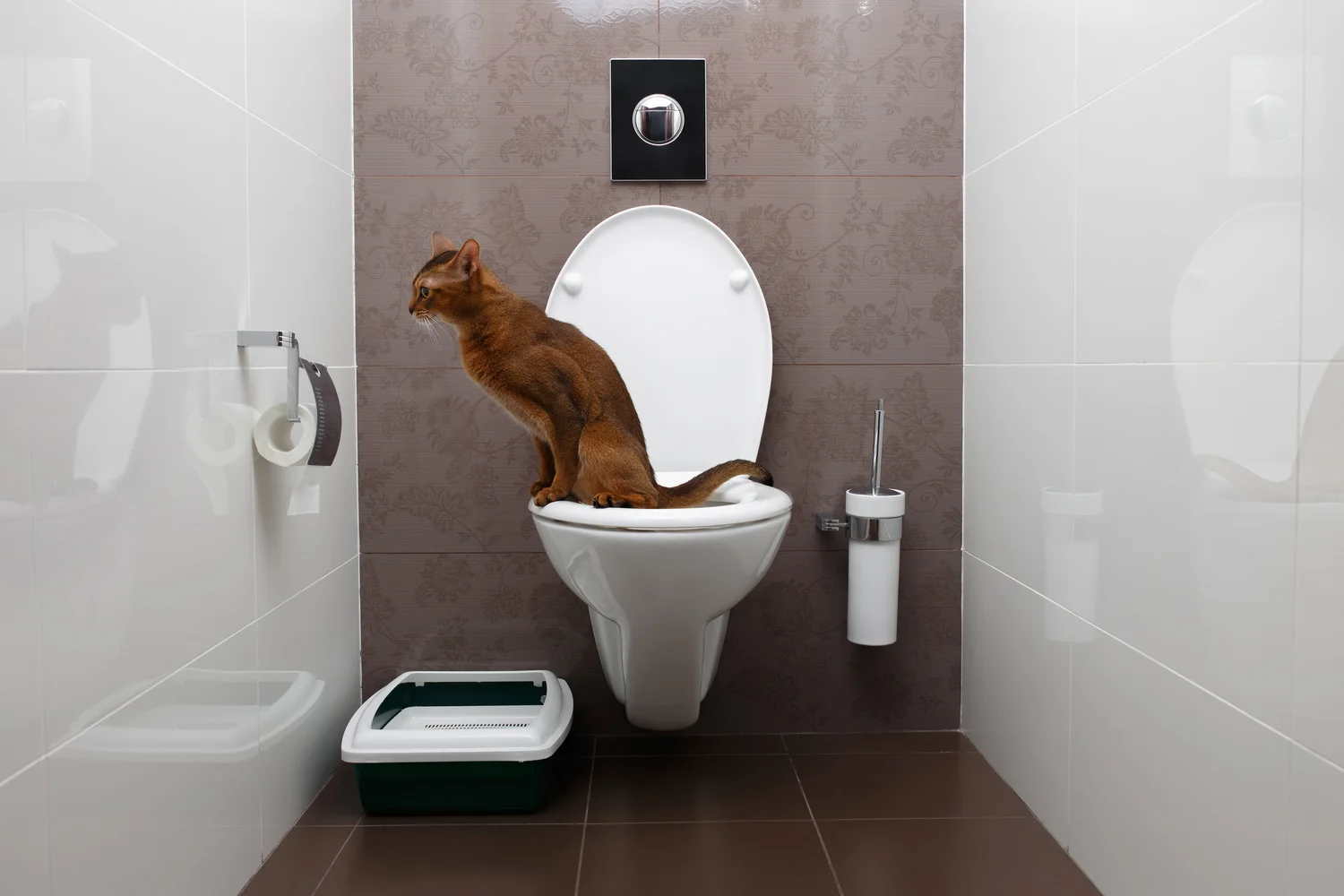
If you’re tired of cleaning litter boxes and want a cleaner, easier way to manage your cat’s bathroom habits, you’re in the right place. Teaching your cat to use the toilet may sound impossible, but with the right steps, you can make it happen.
Imagine a home without litter mess, odors, or constant scooping. Sounds great, right? In this guide, you’ll discover simple, practical tips to potty train your cat successfully. Keep reading, and you’ll learn how to transform your cat’s habits and enjoy a fresher, more convenient living space.

Credit: www.purina.com
Choosing The Right Litter Box
Choosing the right litter box is key to potty training a cat. A proper box makes the process easier and more comfortable for your pet. Cats need a space that feels safe and fits their size. The wrong box may cause accidents or refusal to use it. Let’s explore important aspects to consider.
Size And Shape Matters
Pick a litter box large enough for your cat to turn and dig. Small boxes can feel cramped and discourage use. Taller sides help contain litter but should not block easy entry. Some cats prefer low sides for easy access, especially kittens or older cats.
Consider the shape too. Rectangular boxes offer more space than round ones. Choose a box that suits your cat’s body and habits. A comfortable box encourages consistent use.
Open Vs Covered Boxes
Open boxes allow fresh air and easy access. Cats like the freedom and visibility. Covered boxes provide privacy and help control odors. Some cats feel trapped or scared inside covered ones.
Observe your cat’s behavior. If your cat avoids the box, try changing the style. Each cat prefers different privacy levels. Keep the box clean to maintain comfort regardless of type.
Placement Tips
Place the litter box in a quiet, low-traffic area. Cats need privacy and calm to feel safe. Avoid spots near noisy appliances or busy rooms.
Keep the box away from the cat’s food and water bowls. Cats do not like to eliminate near their eating area. Provide easy access to the box without obstacles or stairs.
Try different locations if your cat avoids the box. A good spot boosts confidence and training success.
Selecting The Best Litter
Choosing the right litter helps cats feel comfortable and encourages them to use the potty. Soft, unscented, and clumping litter often works best for training. This makes the potty area inviting and easy for cats to recognize.
Selecting the best litter is vital for successful cat potty training. Cats can be picky about their litter. Choosing the right one helps them feel comfortable and encourages consistent use.Types Of Cat Litter
Cat litter comes in various types. Clay litter is common and affordable. It clumps well, making cleaning easier. Silica gel litter controls odors effectively. It’s dust-free, which is good for sensitive cats. Pine and corn litter are natural options. They are eco-friendly and absorbent.Scented Vs Unscented
Scented litter masks odors but can be overwhelming for cats. Some cats dislike strong fragrances. Unscented litter is a safer choice for sensitive noses. It allows cats to use their natural scent-marking behaviors.Texture Preferences
Cats have texture preferences for litter. Fine-grained litter feels soft under their paws. Coarse litter might be uncomfortable for some cats. Experiment with different textures to find the one your cat prefers. Observing your cat’s reaction can help in making the right choice.Introducing The Potty Area
Introducing the potty area is the first step to train your cat to use the litter box. Choose a quiet, low-traffic spot that feels safe and comfortable. Cats prefer privacy when they go. The area should be easy to access but not too noisy or busy.
Place the litter box on a flat surface. Avoid moving it too often to prevent confusion. Keep the box clean to encourage your cat to use it. Cleanliness plays a big role in your cat’s acceptance of the potty spot.
Gradual Introduction
Allow your cat to explore the potty area at its own pace. Let your cat sniff and check the litter box without pressure. Gently guide your cat to the box after meals or naps. Repetition helps your cat understand the new routine.
Positive Reinforcement
Use praise and treats to reward your cat after using the potty area. Positive feedback builds good habits quickly. Avoid punishment; it can cause fear and confusion. Patience and rewards make training smooth and effective.
Dealing With Hesitation
Some cats may hesitate to use the new potty area. Watch for signs of stress or discomfort. Try changing the litter type or box location if needed. Keep the area quiet and calm during training. Stay patient and consistent to help your cat adjust.
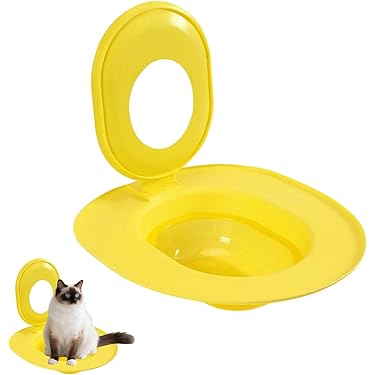
Credit: www.amazon.com
Training Techniques
Training a cat to use the potty takes patience and clear techniques. Cats learn best with consistent actions and signals. Teaching your cat helps avoid accidents and makes life easier. Focus on simple steps that your cat can understand. Use training methods that encourage good habits.
Establishing A Routine
Cats feel secure with a regular schedule. Set specific times for potty breaks each day. Watch your cat’s natural habits and plan around them. Take your cat to the same spot each time. Consistency helps your cat know what to expect. A steady routine reduces confusion and accidents.
Using Commands And Signals
Use short words or sounds to guide your cat. Choose a simple command like “potty” or “go.” Say the command softly before your cat uses the bathroom. Pair the command with a gentle touch or hand signal. Repeat the command every time your cat goes. This helps your cat connect the word with the action.
Reward Systems
Positive rewards motivate cats to learn faster. Offer small treats right after your cat uses the potty. Use praise with a calm and happy voice. Avoid punishment as it can cause fear and stress. Rewards build trust and encourage good behavior. Keep treats healthy and given only during training.
Handling Common Challenges
Training your cat to use the potty can be rewarding, but it’s not without its hurdles. Challenges often pop up, and how you handle them can make a big difference in your cat’s success. Staying calm and patient is key as you guide your feline friend through this new routine.
Accidents And How To Respond
Accidents are almost inevitable during potty training. Instead of reacting with frustration, clean the area thoroughly to remove any scent that might encourage repeat accidents.
Use an enzymatic cleaner designed for pet messes. This helps prevent your cat from thinking the spot is still a suitable bathroom.
Observe if accidents happen in the same place repeatedly—this can signal your cat’s preferred spot or a sign that the litter box or potty setup needs adjustment.
Avoiding Negative Reactions
Shouting or punishing your cat can create fear and confusion, setting back progress. Cats don’t connect punishment with the accident itself, so negative reactions often just stress them out.
Instead, reward your cat when they use the potty correctly. Treats, petting, or verbal praise can reinforce good behavior far more effectively.
Ask yourself: How would you feel if you were being scolded for a mistake you didn’t understand? Keeping this empathy in mind changes how you respond to your cat’s mistakes.
Addressing Fear Or Anxiety
Some cats resist potty training because they feel scared or anxious. Changes in environment, loud noises, or even the potty’s location can cause stress.
Make the potty area quiet and comfortable. Adding familiar scents or a soft blanket nearby can help your cat feel safe.
If your cat shows signs of fear—hiding, refusing to approach the potty—try reintroducing the training slowly. Patience here pays off more than rushing the process.

Credit: www.walmart.com
Maintaining Cleanliness
Keeping your cat’s potty area clean is key to successful training. Cats are naturally clean animals, and a tidy space encourages them to use the potty consistently. Neglecting cleanliness can lead to accidents and reluctance to use the designated spot.
Cleaning Frequency
How often you clean the potty depends on your cat’s habits and the number of cats you have. Ideally, scoop waste daily to avoid buildup and replace litter completely every week. A clean area reduces the chance of your cat seeking other spots to relieve themselves.
Think about your own comfort. Would you want to use a bathroom that’s not cleaned regularly? Your cat feels the same way.
Safe Cleaning Products
Choose cleaning products that are safe for pets and free from harsh chemicals. Strong scents can deter your cat from using the potty, while toxic ingredients pose health risks. Look for enzymatic cleaners designed to break down waste odors without irritating your cat.
I once switched to a natural cleaner after my cat avoided her potty for days. The change made a big difference in her behavior and health.
Preventing Odors
Odors can quickly become a problem, making the potty area unpleasant for both you and your cat. Regular cleaning helps, but adding odor absorbers like baking soda to the litter can keep smells in check. Proper ventilation in the potty area also reduces lingering odors.
Have you noticed how bad smells affect your mood? Your cat’s feelings are no different, so controlling odors keeps the potty inviting and stress-free.
When To Seek Professional Help
Knowing when to seek professional help is important in cat potty training. Sometimes, problems go beyond simple training issues. Early help can prevent stress for both you and your cat. It can also avoid long-term behavior problems.
Watch your cat closely. Unusual behavior or accidents may signal a deeper problem. Professional advice can guide you toward the right solution.
Signs Of Medical Issues
- Frequent accidents outside the litter box
- Straining or crying while using the box
- Blood in urine or stool
- Sudden changes in bathroom habits
- Excessive licking of private areas
These signs may mean your cat has a health problem. Ignoring them can make the issue worse.
Consulting A Veterinarian
A vet can check for infections or other illnesses. They can perform tests to find any hidden problems. Treatment can include medication or diet changes. A vet’s advice ensures your cat stays healthy and comfortable.
Behavioral Specialist Tips
Behavioral experts understand cat habits and emotions. They offer strategies for tricky potty training issues. They can help with anxiety, stress, or territorial problems. Their guidance makes training smoother and more effective.
Frequently Asked Questions
How Long Does It Take To Potty Train A Cat?
Potty training a cat usually takes 2 to 6 weeks. Consistency and patience are key during this process. Each cat learns at its own pace, so results may vary.
What Supplies Do I Need For Cat Potty Training?
You need a litter box, cat litter, cleaning supplies, and positive reinforcement treats. Choose a litter that your cat prefers for better results.
Can All Cats Be Potty Trained Successfully?
Most cats can be potty trained with patience and proper techniques. Kittens often learn faster than adult cats. Some cats may resist, requiring extra effort.
How Do I Encourage My Cat To Use The Litter Box?
Place the cat in the litter box after meals and naps. Reward your cat with treats and praise when it uses the box. Keep the box clean and accessible.
Conclusion
Training your cat to use the potty takes time and patience. Start with small steps and be consistent every day. Praise your cat when they do well. Watch for signs they need to go. Clean the area regularly to keep it fresh.
Remember, each cat learns at its own pace. Stay calm and positive throughout the process. Soon, your cat will enjoy a cleaner, easier bathroom routine. This simple habit can make life better for both of you. Keep trying—you can help your cat succeed.



Leave a Reply